Syria and Russia reach deal; Damascus to take over two Mediterranean bases

&imwidth=600&imheight=450&format=webp&quality=medium "Syria and Russia reach deal; Damascus to take over two Mediterranean bases")
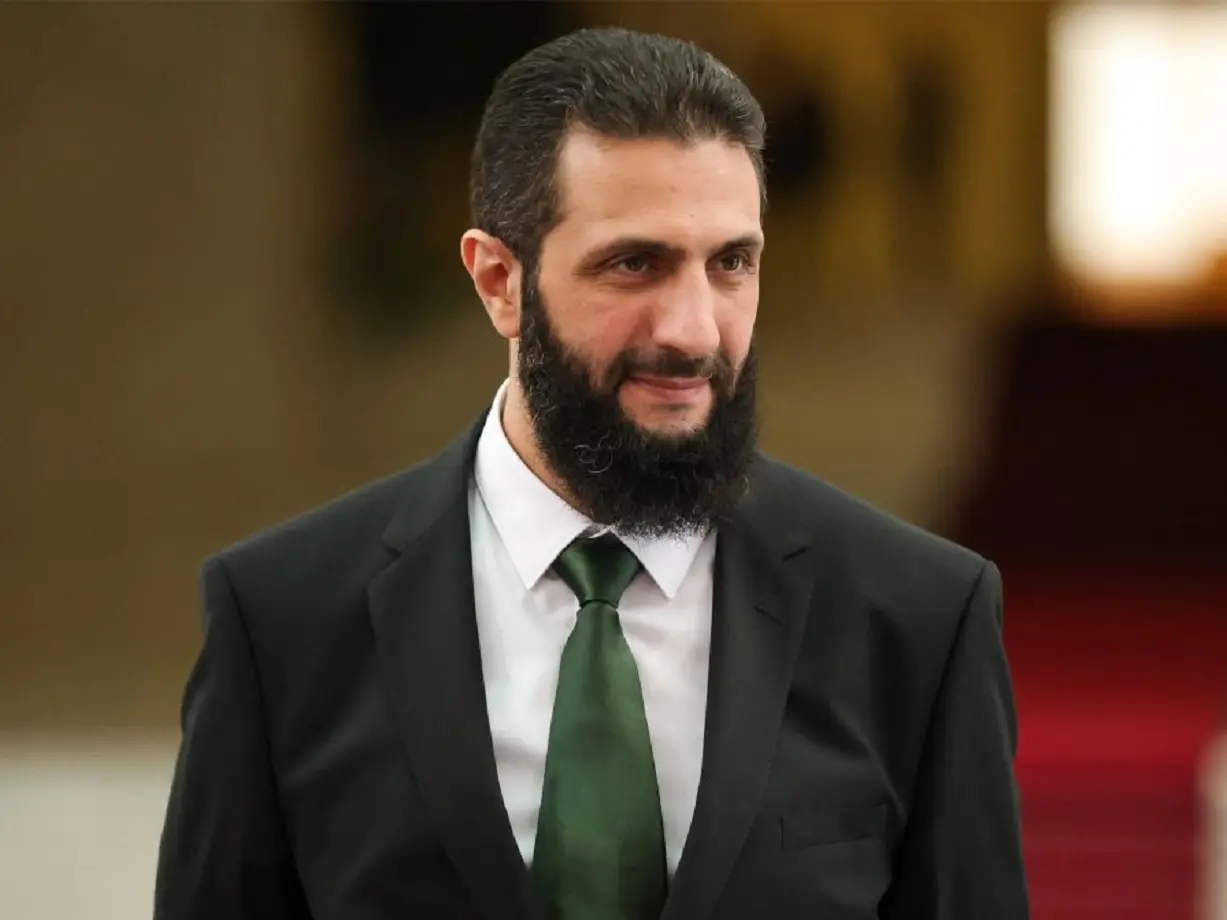
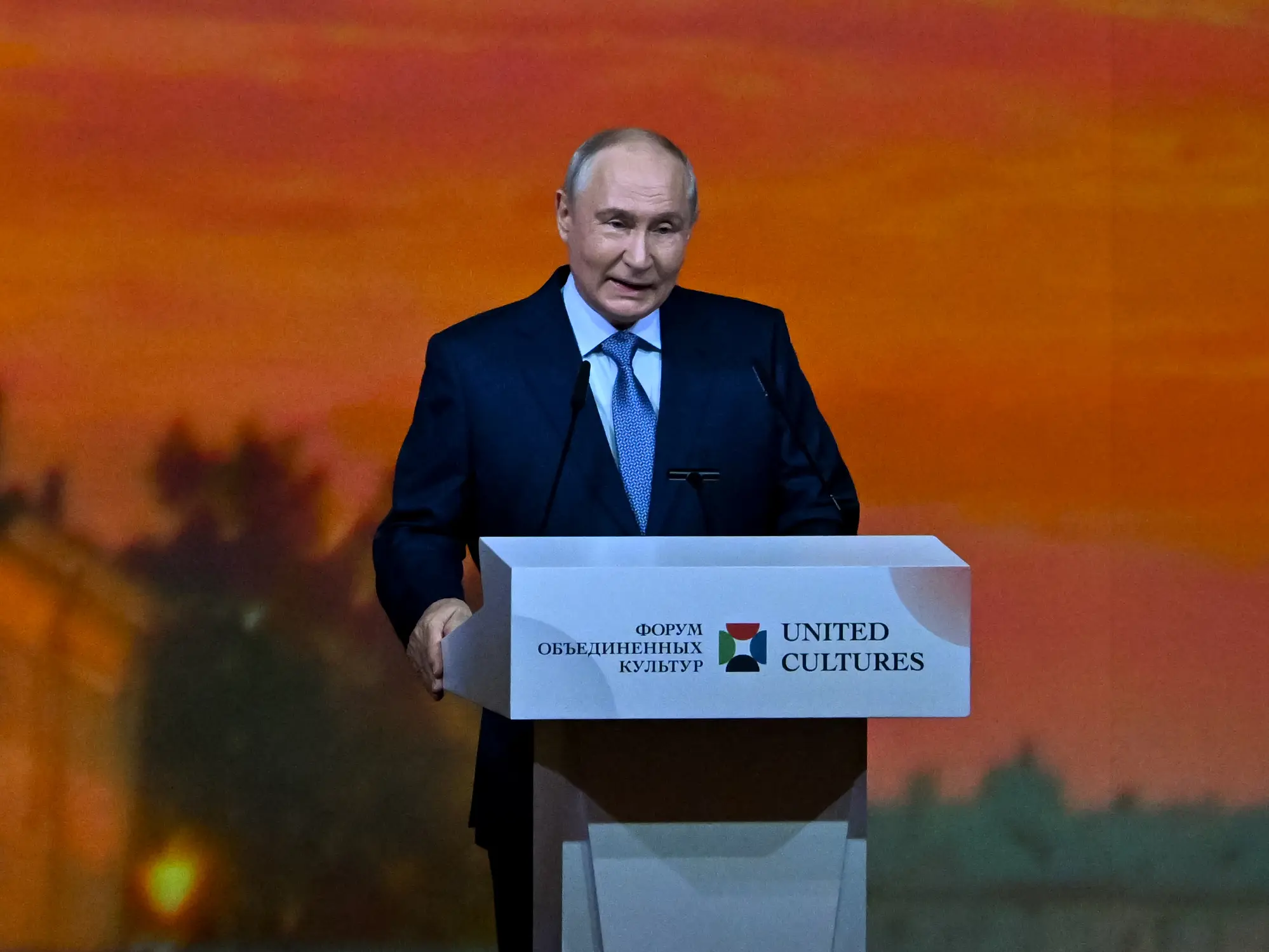
President Ahmad al-Sharaa visited President Vladimir Putin in Moscow twice since taking power. Photograph: (AFP)
Syria will take over management of the Hmeimim airport and the commercial berth at Tartus port and the bases would be converted into joint training and capacity-building centres. The transition is expected to be completed within three months, the Syrian foreign ministry said.
Syria and Russia have arrived at an agreement over the future of the two strategic Mediterranean coastal bases that ultimately ends their use as military outposts for Moscow, Syria’s Foreign Ministry said on Sunday.
The Syrian Foreign Ministry announced that the two nations signed a Memorandum of Understanding (MoU) after 18 months of negotiations.
Under the new agreement, Russian forces in Syria will give up control of two strategic bases on the Mediterranean coast, which will be used as joint Russia-Syrian training centres. The deal effectively means Russia will no longer have military outposts in the Arab country.
Russia used the bases to provide military support to former Syrian leader Bashar Assad during Syria’s 13-year civil war that ended in 2024.
Syria to take over management of Hmeimim airport, Tartus port
Trending Stories
)
)
)
)
)
)
)
)
)
)
)
&im=FitAndFill=(700,400))
)
)
)
)
)
)
)
)
)
)
)
)
)
)
)
)
)
)
)
)
)
)
)
)
)
)
Syria will take over management of the Hmeimim airport and the commercial berth at Tartus port, Syria’s Foreign Ministry said.
The bases would be converted into “joint training and capacity-building centres, within new arrangements that preserve mutual interests,” said state media, citing the ministry.
The facilities will be gradually integrated into the country’s civilian administration. The transition is expected to be completed within three months, the ministry said.
Russia was the political and military ally of ousted President Bashar Assad from 2011 to 2024 when Syria fought an Islamist-led armed opposition of which current interim President Ahmad al-Sharaa was a prominent militant leader.
Military facilities at both sites to become joint training centres
Throughout the conflict, the Hmeimem air base near Latakia and the Tartus naval base were key Russian outposts in the eastern Mediterranean. Syria will now take control of the Hmeimem air base and the commercial berth at Tartus port as part of its civil administration.
The military facilities at both sites will become “joint training and qualification centres,” the Foreign Ministry said.
The new arrangements represent a “reorganizing of the Russian presence” along Syria’s coast, the ministry said.
Moscow did not interfere during the lightning insurgency that led to the overthrow of Assad, but it provided asylum to the longtime Syrian leader and his family. After Assad’s ouster, remaining Russian troops in Syria gradually left the country.
Syria’s new leadership aims to maintain strong bilateral ties with Moscow. Al-Sharaa has visited President Vladimir Putin in Moscow twice since taking power, with the two Mediterranean bases being key points of discussion. Russia also wanted to protect the future of the only two official Russian military bases located outside the former Soviet Union.
Since Assad’s ouster, Syria has also bolstered its ties with the United States, Europe, and neighbouring Arab countries that had cut ties with Damascus during Assad’s crackdown on protests.
After Assad’s ouster, Russian troops remaining in Syria gradually left the country except for those stationed at the bases.
The Syrian government has been demanding that Moscow extradite Assad.