Japan elections: 'Iron Lady’ Sanae Takaichi scores big win, PM Modi congratulates, says 'will take India-Japan friendship to greater heights'

&imwidth=600&imheight=450&format=webp&quality=medium "Japan elections: 'Iron Lady’ Sanae Takaichi scores big win, PM Modi congratulates, says 'will take India-Japan friendship to greater heights'")
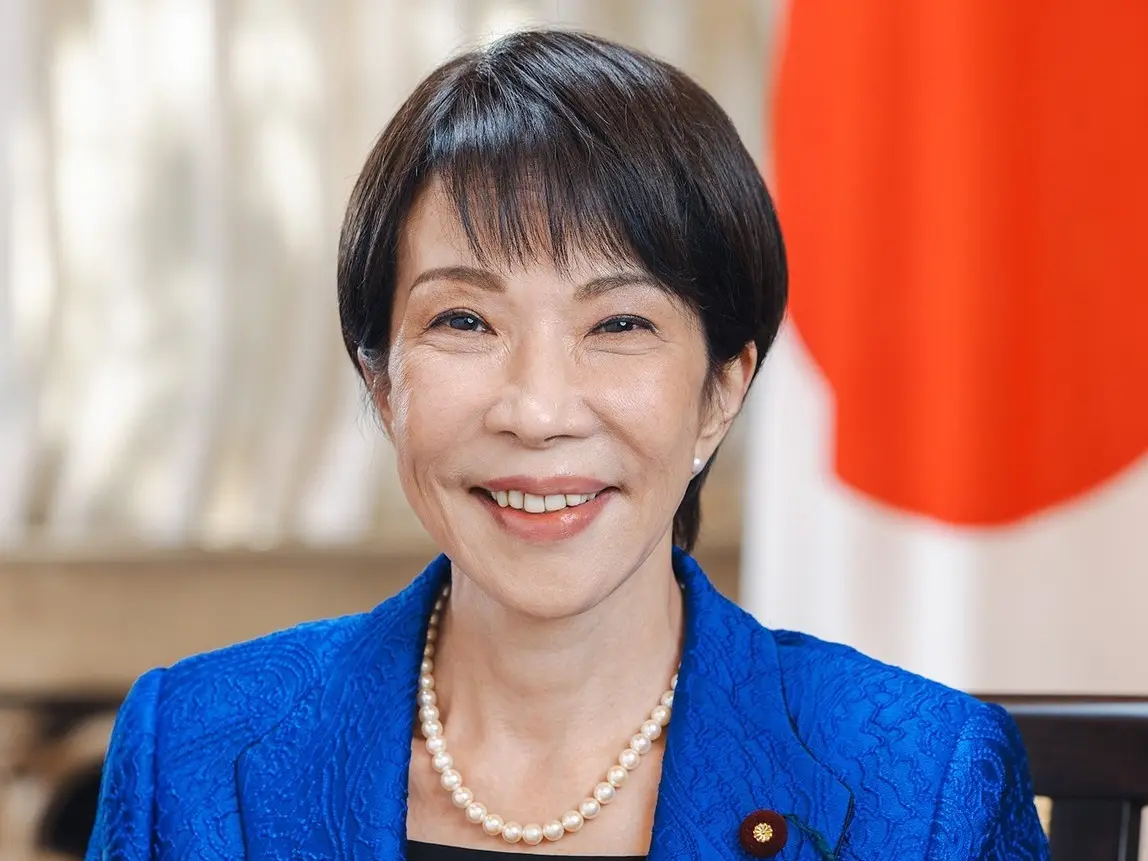
Sanae Takaichi Photograph: (AFP)
Japan PM Sanae Takaichi wins a historic landslide, giving her coalition a supermajority and strong backing to push economic and defense reforms
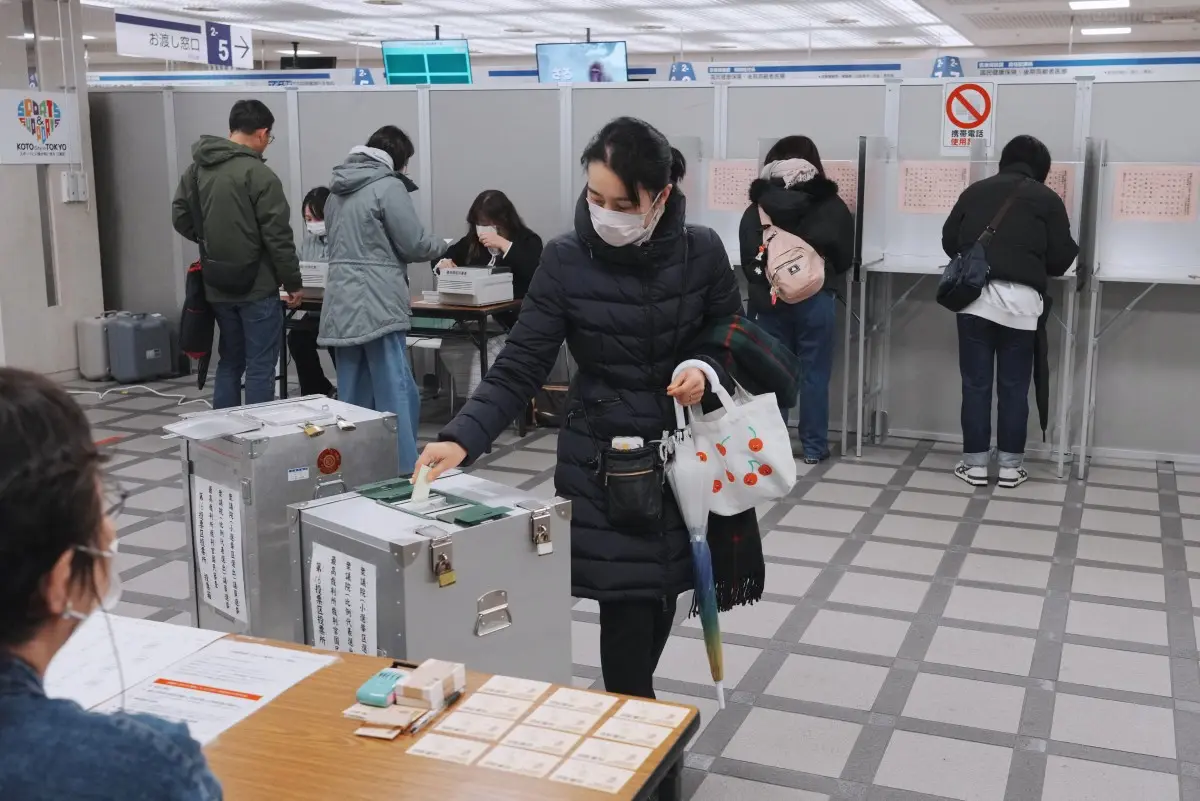
Japan’s Prime Minister Sanae Takaichi secured a decisive and historic mandate on Sunday (February 8) as her Liberal Democratic Party (LDP) delivered a landslide performance in snap elections, reshaping the country’s political landscape. The LDP crossed the 233-seat threshold for a simple majority within hours of polls closing and is projected to win around 300 of the 465 seats in the House of Representatives. Alongside coalition partner Japan Innovation Party (Ishin), Takaichi now commands a two-thirds supermajority, giving her the power to override the upper house and fast-track legislation.
World leaders quickly responded to the outcome. Indian Prime Minister Narendra Modi hailed the result as a “landmark victory,” reaffirming the importance of the India-Japan Special Strategic and Global Partnership in promoting global stability and prosperity. Italian Prime Minister Giorgia Meloni also congratulated Takaichi, emphasizing the growing strategic cooperation and mutual trust between Rome and Tokyo.
Takaichi expressed gratitude to US President Donald Trump for his public endorsement, calling the Japan-US alliance “limitless” and confirming plans to visit the White House this spring. Trump had praised her shortly before the vote as a strong and patriotic leader. US Treasury Secretary Scott Bessent echoed the sentiment, saying a strong Japan strengthens America’s position in Asia.
The victory marks the LDP’s strongest showing since 2017 under former Prime Minister Shinzo Abe, Takaichi’s mentor. Addressing supporters, she pledged fiscal responsibility alongside targeted investments, stressing the need for both public and private sector spending to build a resilient economy. The election proved devastating for the opposition. The Centrist Reform Alliance, formed by the Constitutional Democratic Party and former LDP partner Komeito, is expected to lose more than two-thirds of its seats. Meanwhile, the anti-immigration Sanseito party made modest gains, increasing its parliamentary presence.
Takaichi has revitalized the long-ruling LDP after voter frustration over corruption scandals and rising living costs eroded public trust in recent years. Once considered a fringe ultra-conservative, she has broadened her appeal, especially among younger voters, blending a tough political image with pop-culture moments and a high-profile diplomatic style.
Trending Stories
)
)
)
)
)
)
)
)
)
)
)
)
)
)
&im=FitAndFill=(700,400))
)
)
)
)
)
)
)
)
)
&im=FitAndFill=(700,400))
)
)
)
)
)
)
)
&im=FitAndFill=(700,400))
)
)
)
)
)
)
Despite the electoral triumph, economic challenges loom large. Inflation and stagnant wages remain major concerns, having already brought down two of her predecessors. While Takaichi has rolled out a massive stimulus package and pledged to suspend food consumption taxes, critics warn Japan’s towering public debt, now more than double its GDP, could worsen fiscal risks. Her assertive foreign policy stance has also stirred tensions with China. Shortly after taking office, she suggested Japan could intervene militarily in the event of a Chinese attack on Taiwan, prompting sharp retaliation from Beijing, including diplomatic protests and military exercises with Russia.
Analysts say the controversy may have strengthened her domestic standing, but warn that stabilizing ties with China will be critical. With no major elections until 2028, Takaichi now has the political space to focus on economic recovery, fiscal sustainability, and managing Japan’s regional relationships.