'I ended 8 wars': Trump slams Nobel Peace prize decision, claims award was his due

&imwidth=600&imheight=450&format=webp&quality=medium "'I ended 8 wars': Trump slams Nobel Peace prize decision, claims award was his due")
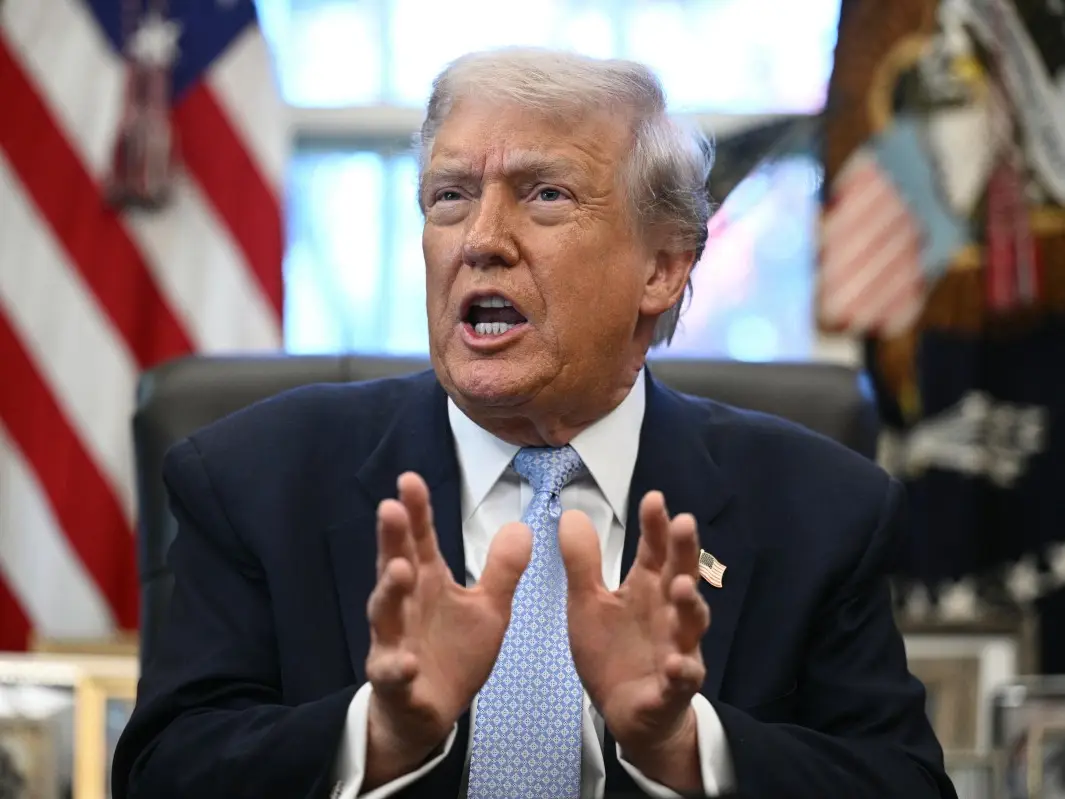
US President Donald Trump Photograph: (AFP)
Trump slams the Nobel Peace Prize decision, claims he deserved the award and repeats controversial assertions about ending wars and stopping India-Pakistan war
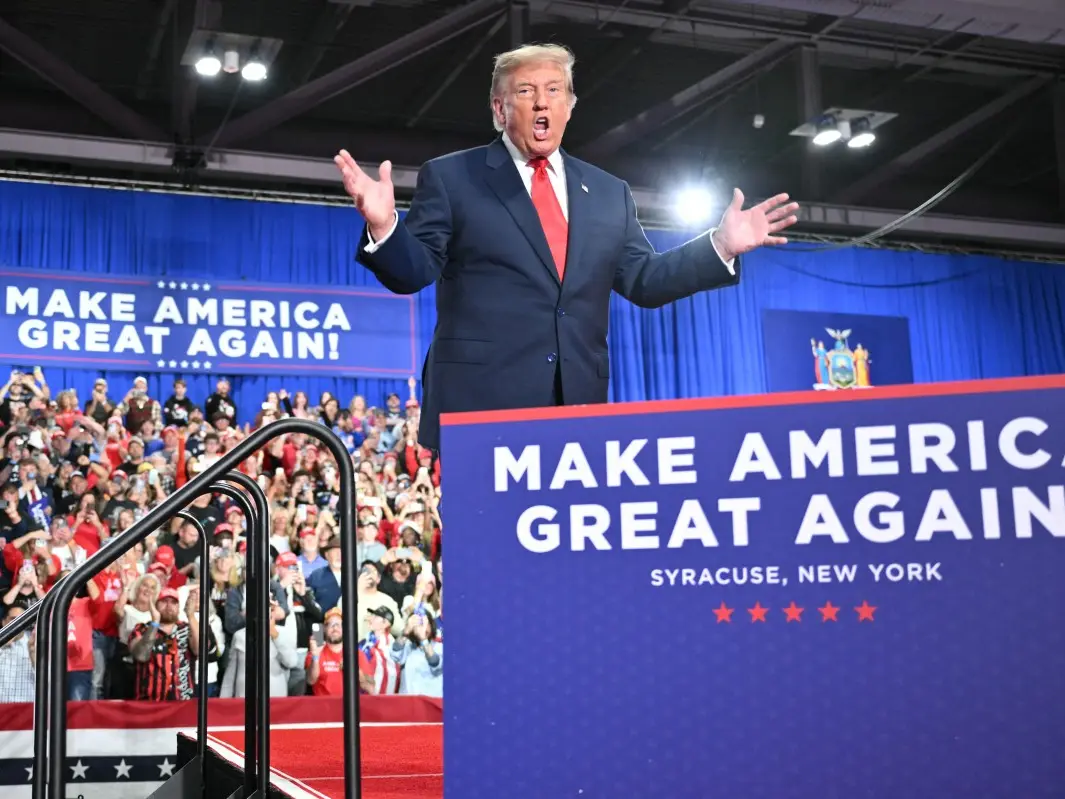
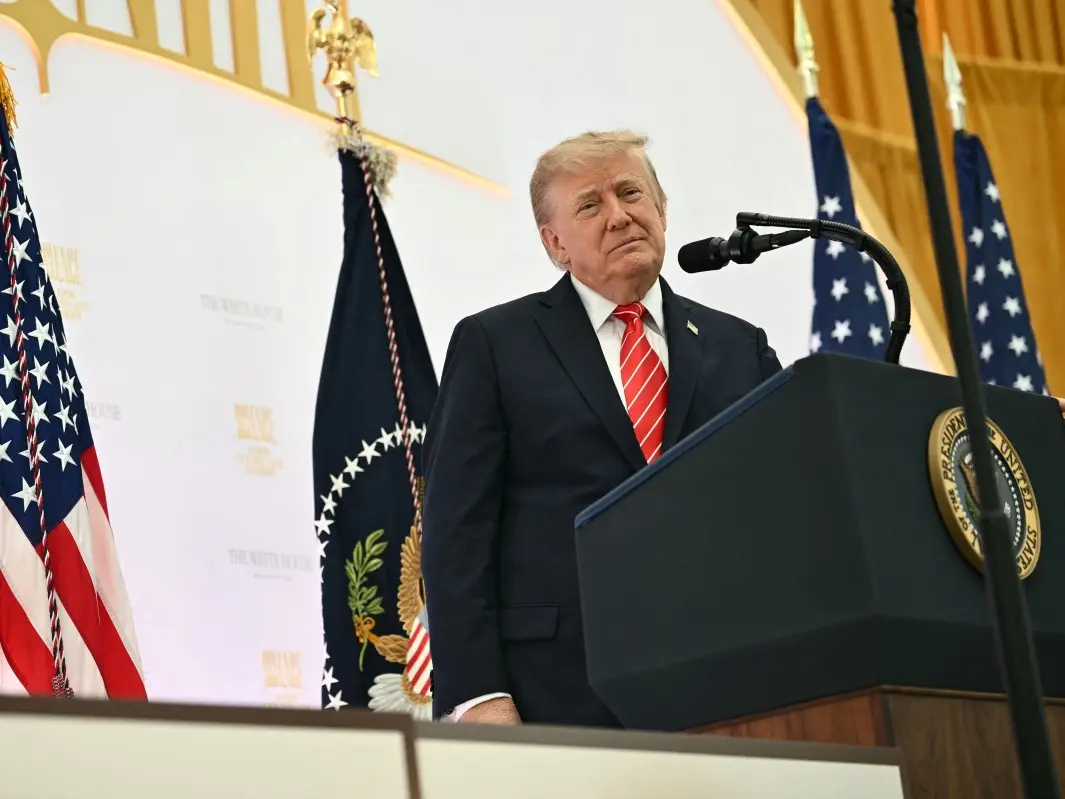
US President Donald Trump voiced frustration on Friday over not receiving the 2026 Nobel Peace Prize, devoting a significant portion of a campaign-style rally in Syracuse, New York, to criticising the Nobel Committee and defending his foreign policy record. Trump's remarks came in a year marked by the US conflict with Iran, adding to scrutiny of his claims that he has helped bring international wars to an end.
The event was intended to support Republican candidates, but Trump spent an extended period discussing the Nobel Peace Prize decision and arguing that the honour should have been awarded to him. “The United States of America, represented by me as your president, should have received the Nobel peace prize, but didn’t. And this is an indelible stain on the country of Norway, and those people that made such a disgraceful and embarrassing decision,” Trump said. He continued his criticism of the award's organisers, accusing them of undermining the credibility of the prize.
“The Nobel peace prize has been forever discredited by a handful of radical ideologues who are anti-democracy and really enemies of civilization,” Trump went on. “We will not forget, Norway, that you didn’t give this prize.”
Trump claims credit for ending wars
During his speech, Trump listed several conflicts he said he had helped resolve, although some of the situations he cited were not wars and others remain unresolved. He also claimed that two additional conflicts could soon be settled, referring to Iran and Russia's war against Ukraine. “I’m about to settle or win two more: Iran and Russia-Ukraine.” Trump said he expected to bring both conflicts to a conclusion quickly, presenting his diplomatic efforts as evidence that he deserved international recognition for promoting peace. However, the status of these conflicts and the extent of any progress towards a settlement remain important considerations when assessing his claims.
Trending Stories
&imwidth=280&imheight=210&format=webp&quality=medium)
&imwidth=280&imheight=210&format=webp&quality=medium)
&imwidth=280&imheight=210&format=webp&quality=medium)
&im=FitAndFill=(700,400)&imwidth=280&imheight=210&format=webp&quality=medium)
&imwidth=280&imheight=210&format=webp&quality=medium)
&im=FitAndFill=(700,400)&imwidth=280&imheight=210&format=webp&quality=medium)
&imwidth=280&imheight=210&format=webp&quality=medium)
&imwidth=280&imheight=210&format=webp&quality=medium)
&imwidth=280&imheight=210&format=webp&quality=medium)
&imwidth=280&imheight=210&format=webp&quality=medium)
&imwidth=280&imheight=210&format=webp&quality=medium)
&imwidth=280&imheight=210&format=webp&quality=medium)
&imwidth=280&imheight=210&format=webp&quality=medium)
&imwidth=280&imheight=210&format=webp&quality=medium)
&imwidth=280&imheight=210&format=webp&quality=medium)
&imwidth=280&imheight=210&format=webp&quality=medium)
&imwidth=280&imheight=210&format=webp&quality=medium)
&imwidth=280&imheight=210&format=webp&quality=medium)
&imwidth=280&imheight=210&format=webp&quality=medium)
&imwidth=280&imheight=210&format=webp&quality=medium)
&imwidth=280&imheight=210&format=webp&quality=medium)
&imwidth=280&imheight=210&format=webp&quality=medium)
&imwidth=280&imheight=210&format=webp&quality=medium)
&im=FitAndFill=(700,400)&imwidth=280&imheight=210&format=webp&quality=medium)
&imwidth=280&imheight=210&format=webp&quality=medium)
&imwidth=280&imheight=210&format=webp&quality=medium)
&imwidth=280&imheight=210&format=webp&quality=medium)
&imwidth=280&imheight=210&format=webp&quality=medium)
&imwidth=280&imheight=210&format=webp&quality=medium)
&im=FitAndFill=(700,400)&imwidth=280&imheight=210&format=webp&quality=medium)
&imwidth=280&imheight=210&format=webp&quality=medium)
&im=FitAndFill=(700,400)&imwidth=280&imheight=210&format=webp&quality=medium)
&imwidth=280&imheight=210&format=webp&quality=medium)
&imwidth=280&imheight=210&format=webp&quality=medium)
&imwidth=280&imheight=210&format=webp&quality=medium)
Trump issues stark warning to Iran
Trump adopted a particularly forceful tone when discussing Iran, suggesting that the confrontation would end either through Tehran accepting US demands or through a far more destructive outcome. “I will tell you what,” he added, darkly. “Iran will be very quick one way or the other: that they give us everything or they don’t exist any longer.” The warning comes amid continuing tensions between Washington and Tehran following the US conflict with Iran.
Trump also claimed that his actions had prevented Iran from obtaining nuclear weapons and averted a much wider regional catastrophe. “Additionally, I stopped Iran from having a nuclear weapon and blowing up the entire Middle East and ultimately far beyond the Middle East, including Europe, perhaps the US and I saved more lives than anyone in history,” Trump claimed, despite the fact that US intelligence agencies reported to Congress in 2025 that Iran had actually suspended its pursuit of nuclear weapons in 2003.
Trump questions Nobel Peace prize laureate
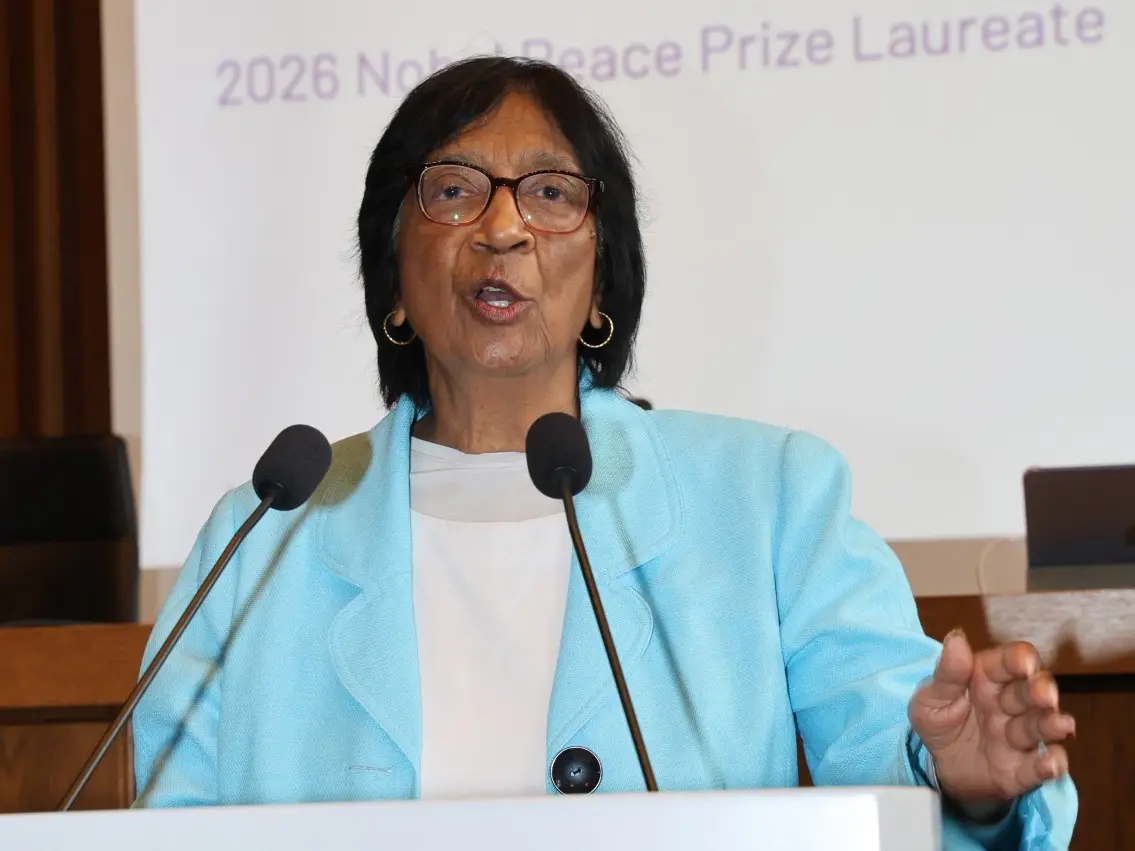
Trump also criticised the choice of the Nobel Peace Prize recipient, questioning the laureate's public profile and political outlook. “Despite all of this and all of these unbelievable accomplishments, the Nobel prize was given out today to a liberal person who works at the United Nations, who nobody has ever heard of,” Trump said of Navi Pillay, the South African former UN human rights chief who chaired the UN commission that concluded Israel was guilty of genocide in Gaza. Pillay's work on international human rights and the commission's findings have placed her at the centre of contentious debates over the Israel-Gaza conflict.

