Explained | What's Article 11.1 of Vienna Convention on Diplomatic Relations cited by India in Canada row?

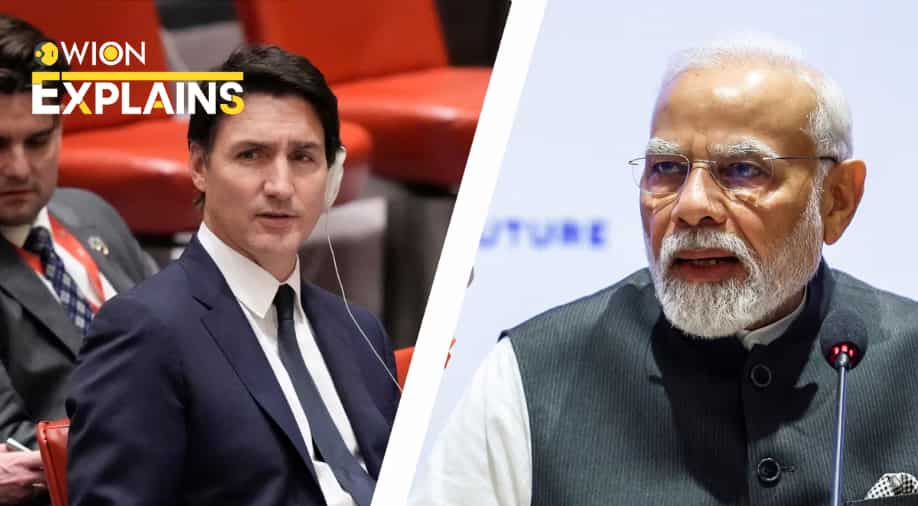
PM of Canada Justin Trudeau and PM Narendra Modi
India-Canada tensions further escalated Friday (Oct 20) as Ottawa withdrew 41 diplomats from the South Asian nation.
The move came after India’s call for ensuring ‘parity’ in Canadian diplomatic presence in the country. India reportedly also threatened to strip the Canadian envoys of their diplomatic immunity should they decide against flying back home.
Now, the West is accusing India of overreaching obligations under the 1961 Vienna Convention on Diplomatic Relations.
Canadian Prime Minister Justin Trudeau Friday alleged India’s actions amounted to a “violation of the Vienna Convention governing diplomacy” and added that it would impact “millions of Canadians who trace their origins to the Indian subcontinent.”

Canada was backed by the US and UK unequivocally
"Resolving differences requires diplomats on the ground. We have urged the Indian government not to insist upon a reduction in Canada's diplomatic presence and to cooperate in the ongoing Canadian investigation. We expect India to uphold its obligations under the 1961 Vienna Convention on Diplomatic Relations, including with respect to privileges and immunities enjoyed by accredited members of Canada's diplomatic mission," a US State Department said, in what came as the most direct criticism of India since the standoff began between New Delhi and Ottawa.
UK also said it was not appeased “with the decisions taken by the Indian government that have resulted in a number of Canadian diplomats departing India."
)
Nigeria: Protesters take to the streets, police fire shots
)
US-Iran war: Tehran draws red lines — seven demands before any peace talks
)
Russia-Europe tensions: Polish PM warns Russian attacks could test NATO's unity
&im=FitAndFill=(700,400))
‘Not the US or China’: These are the countries leading the world in arable land
)
Mark Carney mimics Trump in hilarious moment over C$70 billion clean-energy investment; room erupts in laughter
)
Pentagon revives mandatory testosterone testing for male troops aged 30 and above
)
Delhi voter roll shake-up: 3.31 million electors flagged in SIR review
)
‘End of my career...’: NSA Doval recalls tense Sikkim mission when China captured Indian intelligence team
)
Report: Iran rebuilding Taleghan 2, nuclear site tied to past weapons research, hit twice by Israel
)
Trump defends AI amid growing alarm, announces new 'AI force' and promises an 'AI czar'
)
Iran sets 7 conditions to end war with US: What are Tehran’s demands?
)
Trump announces ‘AI Force’ as debate grows over AI risks and regulation
)
China may have gained access to US's classified F-35 jets; parts meant for repairs diverted to Hong Kong, sparking Pentagon inquiry
)
Gaza under attack: Health chief's son killed in IDF strikes
)
Arvind Kejriwal, family members, Delhi CM Rekha Gupta get SIR notices
)
Cochin shipyard starts building Indian Navy's next-gen missile vessels
)
Saudi vs Houthis: Houthis claim missiles & drones used in attack on key Saudi sites
)
Ed Sheeran addresses Macklemore's removal, Gaza conflict during Philadelphia concert: 'I cannot hide how I feel'
)
‘Will go to any extent’: Pakistan vows to defend Saudi Arabia amid Houthi attacks
66 years of the Indus Waters Treaty: How India and Pakistan settled a bitter river dispute
)
The Verdict | When precision fails: US commits war crime in Minab school strike, UN finds
)
9 women found dead near Johannesburg: South Africans rally, demand 'enough' to femicide
)
Kampala-Ankara rift deepens: Uganda suspends military ties, seeks Fred Lumbuye's extradition
)
Trump wants to rename ‘Artificial Intelligence’, gives 3 options: Which one would you pick?
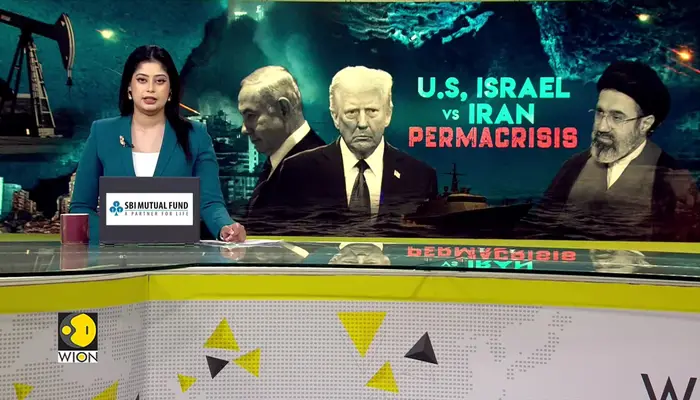)
US-Iran war: Tehran sets seven conditions to re-engage in talks with US
)
Reacher star Alan Ritchson opens up about alleged blackmail, suicide attempt during difficult period
)
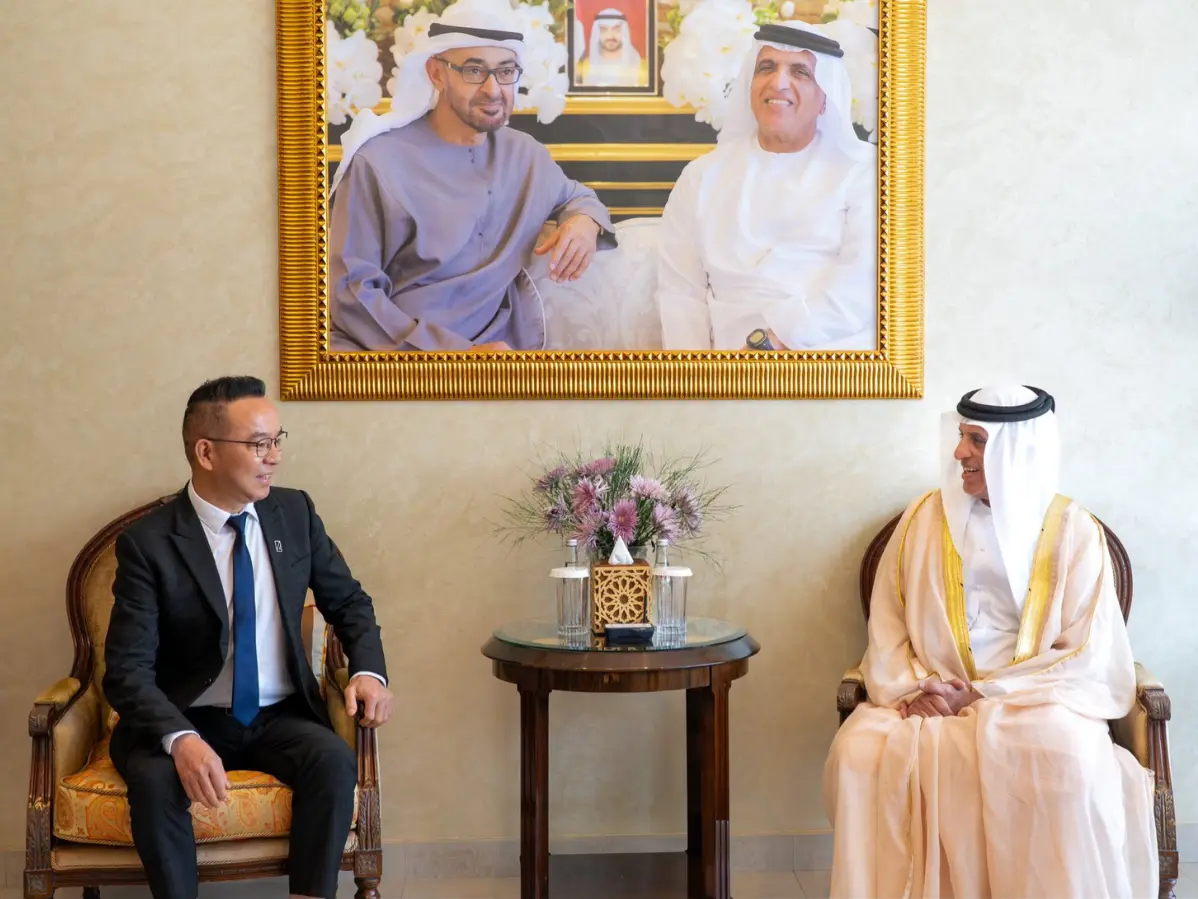
Africa is splitting, and a lot sooner than estimated, giving way to a new ocean
)
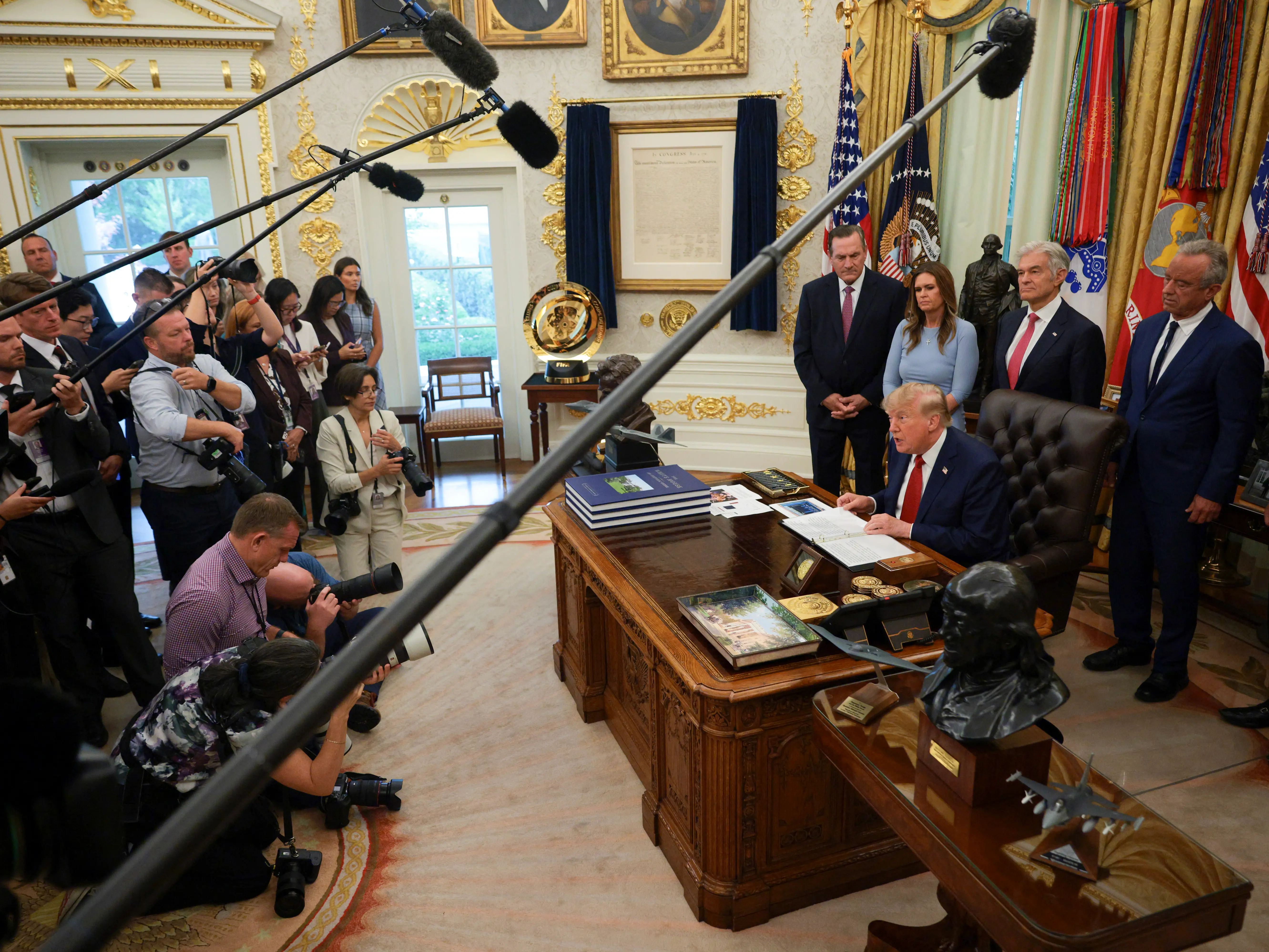
Flying cars in UAE: Ras Al Khaimah signs deal with Chinese company to test new transport
)
Trump bans CNN, MS NOW and Politico from White House over ‘FAKE NEWS’
)
Trump 2.0: Dark days ahead for America’s ‘imperial presidency’
&im=FitAndFill=(700,400))
How many F-35s does Britain, Japan and Israel have?
)
Harry Brook targets long reign at top of T20I rankings after Sri Lanka sweep
)
Russia's deadly Ukraine strikes kill 2 in Sumy, hit Dnipro mall
)
Russia holds first parliamentary elections since the beginning of the Ukraine war
&im=FitAndFill=(700,400))
Meet top 5 Indian batters with fastest T20I centuries
)
Raphinha hat-trick powers Barcelona to 3-1 win over Sevilla in La Liga
)
India’s response
India insists that its actions against Canadian envoys are in conformity with the Vienna Convention. The international treaty signed by 61 nations lays out a framework for diplomatic interactions between independent nations and aims to ensure the ‘development of friendly relations among nations’. At present 193 countries are party to the document.
India stressed that its actions abide by Article 11.1 of the Vienna Convention on Diplomatic Relations. This section deals with the size of the embassy staff in other nations.
Notably, Article 11.1 clearly states:“In the absence of specific agreement as to the size of the mission, the receiving State may require that the size of a mission be kept within limits considered by it to be reasonable and normal, having regard to circumstances and conditions in the receiving State and to the needs of the particular mission."
Watch:Hardeep Singh Nijjar murder row intensifies: 41 Canada diplomats leave India in last 24 hours | WION
India also cited this article on Friday to justify its action to reduce Canadian diplomatic presence in the country to just 21.
"The state of our bilateral relations, the much higher number of Canadian diplomats in India, and their continued interference in our internal affairs warrant a parity in mutual diplomatic presence in New Delhi and Ottawa," said India’s foreign ministry in a statement.
“We reject any attempt to portray the implementation of parity as a violation of international norms,” India emphasised.
Impact on Canadian visa services
Canadian Foreign Minister Mélanie Joly Thursday said that India’s move to kick our 41 diplomats will jeopardise Canadian visa services.
“Unfortunately, this mass expulsion will impact our operations, and client service will be affected,” she said.
“We will now be forced to pause temporarily all in-person services at Consulates, until further notice,” Joly said. These consulates are in Chandigarh, Bengaluru and Mumbai.
Canadian PM Trudeau also complained Friday that India’s actions were making life very hard for millions of people in India and Canada.
"The Indian government is making it unbelievably difficult for life as usual to continue for millions of people in India and in Canada. And they're doing it by contravening a very basic principle of diplomacy," Trudeau said.
"It's something that has me very concerned for the well-being and happiness of millions of Canadians who trace their origins to the Indian subcontinent," he said adding that the expulsion of some of the diplomats from Canada will pose difficulties for Indians studying in Canada.
Canada-India relations have reached an unprecedented low following Prime Minister Justin Trudeau's statement in September. He cited “credible allegations” connecting India to the death of Khalistani terrorist Hardeep Singh Nijjar, based on some inputs from Canadian intelligence services.
This intelligence report pointed to the involvement of "agents of the government of India" in the killing, a claim that Canada views as a breach of its sovereignty.
Nijjar was shot and killed by two masked assailants near the Sikh temple he presided over in Surrey, British Columbia. Canadian authorities labelled this a "targeted attack," and an investigation is underway.
Nijjar was a vocal supporter of Khalistan, a separatist movement in India that India vehemently opposes. In 2020, India designated him as a terrorist.
Despite these public accusations, the Trudeau administration has failed to furnish any evidence to back its claims on Nijjar's killing.
Even minister Mélanie Joly was seen fumbling on Thursday before the press after being asked this straight question: Whether Ottawa has presented any evidence backing their claims to the Indian government.
The Canadian minister looked like she was at a loss for words and had no direct answer.
(With inputs from agencies)
WATCH WION LIVE HERE