Europe’s seas are boiling: Climate change adds 2°C to Mediterranean heat, study finds

&imwidth=600&imheight=450&format=webp&quality=medium "Europe’s seas are boiling: Climate change adds 2°C to Mediterranean heat, study finds")
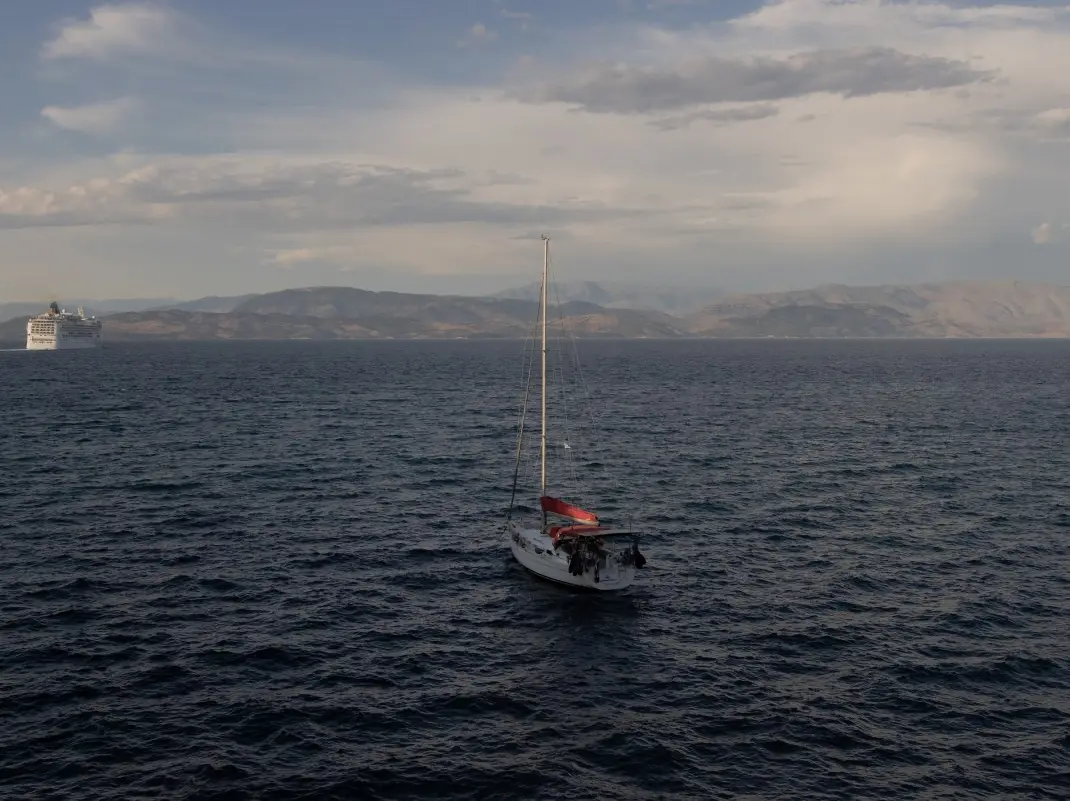
A boat sails on the Mediterranean sea off coast of the Greek island of Corfu on June 17, 2026. Photograph: (AFP)
Climate change added around 2 degrees Celsius to Mediterranean sea temperatures this summer, driving marine heatwaves across Europe and putting ecosystems, fisheries and coastal communities under growing pressure, study finds.
Europe’s seas are experiencing an intense burst of warming this summer, with climate change emerging as the main force behind the rise. A new assessment by the World Weather Attribution (WWA) group found that human-caused warming added about 2 degrees Celsius to Mediterranean sea temperatures and more than 1.3 degrees Celsius to 1.4 degrees Celsius across Western European waters.
The researchers reached their conclusions by comparing observational records with climate model simulations.
“From the Atlantic waters off Ireland to the Mediterranean Sea, Europe's seas are experiencing an alarming surge in temperatures,” said Thomas Frolicher, an environmental physicist at the University of Bern and co-author of the study.
Marine ecosystems under pressure
The warming is not simply a matter of hotter waters. Scientists warn that marine heatwaves can push species beyond their tolerance limits, altering ecosystems and disrupting fisheries.
WWA said there was “evidence of severe ecological impacts”, including species moving north towards cooler waters. Such shifts can disrupt food chains and put pressure on coastal fisheries and aquaculture.
Trending Stories
)
)
)
)
)
)
)
)
)
)
)
)
)
)
)
)
)
)
)
)
)
)
)
)
)
)
)
)
)
)
)
)
)
)
&im=FitAndFill=(700,400))
)
)
)
)
Also read | Hurricane Lala batters Hawaii: Over 40,000 left without power as storm strengthens to Category 1, one dead
Marine ecologist John Bruno said the amount of warming needed to cause serious biological damage can be surprisingly small.
“It’s only about 1 degree Celsius on coral reefs, for example,” Bruno told reporters.
While some species may benefit from warmer conditions, others face significant risks. Bruno described the process as a “kind of reshuffling, reorganisation of communities”, creating what scientists call “winners and losers”.
Mediterranean sees extreme temperatures
Some parts of the Mediterranean recorded sea surface temperatures more than 6 degrees Celsius above normal during the hottest two weeks of July, according to WWA.
Marine heatwaves have also spread across a large portion of Europe's waters. Around 90 per cent of the Bay of Biscay and Iberian coast and 80 per cent of the Western Mediterranean experienced marine heatwaves this year.
Without the current 1.4 degrees Celsius of human-caused global warming, WWA estimates only about 40 per cent of these areas would have been affected.
The warming could also affect people on land. Higher sea temperatures increase humidity along coastlines, potentially worsening extreme heat.
Claire Bergin, a WWA co-author, said warmer seas might appear attractive to swimmers. But “the impacts on marine life beneath the surface are more serious”.
The findings add to growing evidence that Europe's warming seas are becoming an increasingly serious climate and ecological threat.

