Donald Trump serious about running a third term. What 'methods' is he hinting at?

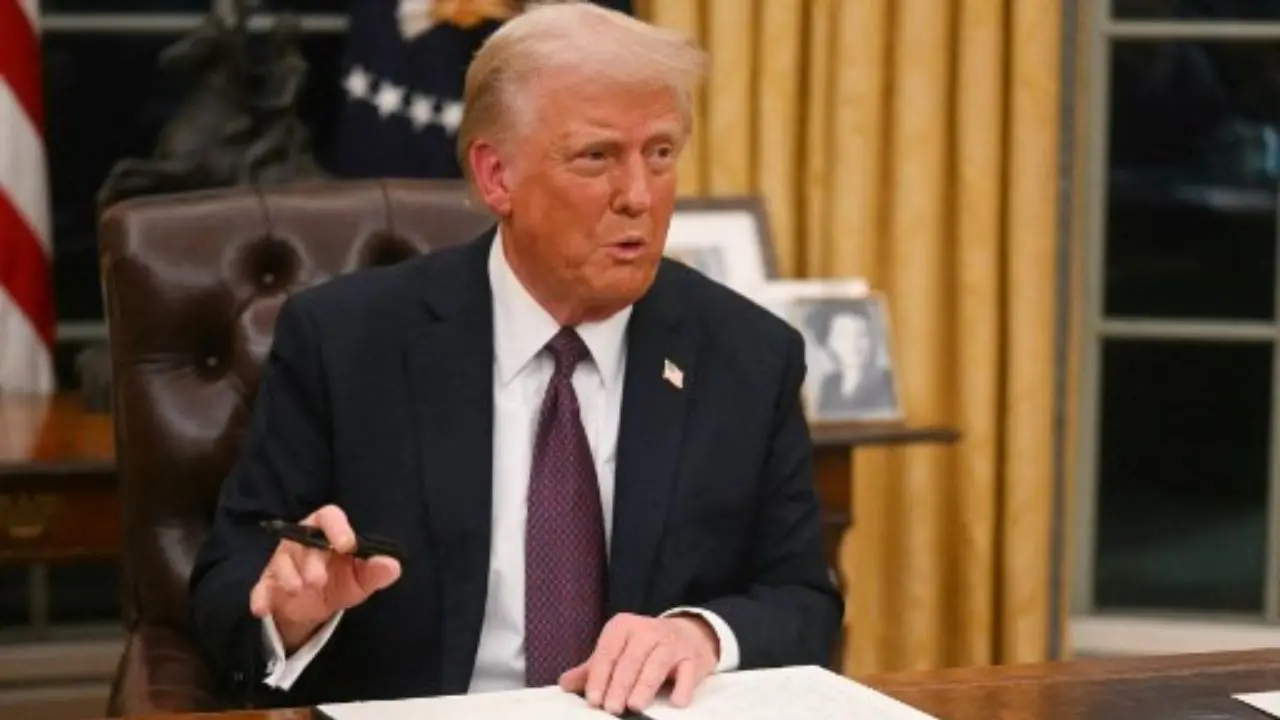
World | US President Donald Trump wants to become president again and despite the 22nd Amendment setting a two-term limit, here's how Trump can do it
US President Donald Trump has said that he is not joking about running for the presidency again and there are 'methods' for doing so. While the US Constitution under the 22nd Amendment bars any individual from running for the presidency for the third time, Trump supporters have said that the law can be interpreted differently as well. While any such maneuver would invite legal challenges, and courts would be asked to interpret the meaning of the 22nd Amendment, Trump and his supporters have been reiterating their stance.
What does the 22nd Amendment say? Can it be changed?
The 22nd Amendment states, "No person shall be elected to the office of the president more than twice, and no person who has held the office of president, or acted as president, for more than two years of a term to which some other person was elected president shall be elected to the office of the president more than once."

It is almost impossible to change the 22nd Amendment of the US Constitution. A two-thirds approval from both the Senate and the House of Representatives, as well as approval from three-quarters of the country's state-level governments, is required.
The Republican Party controls the Congress but does not have the numbers required to change the Amendment. The Republicans hold 53 of 100 seats in the Senate, and 218 of 435 seats in the House — well short of the 67 and 290 votes needed for passing a constitutional amendment in the Senate and the House, respectively.
)
‘Kill all in the name of...’: FBI arrests 21-year-old over alleged ISIS-inspired mass-casualty attack plot
)
Space mines, lasers & robotic arms: Lt Gen Pannu decodes US disclosure of weapons in space
)
Bitter Zelensky snubs Trump for playing politics with Ukraine war | Gravitas
)
US fires up to 70 interceptors against Iran attack on Jordan, putting supplies under pressure
)
‘US military task force aiding Saudi Arabia forces with intel, planning support’: Official
)
OpenAI boss Sam Altman repeats AI 'slow down' call, says world 'right to be afraid'
)
Top military commanders from US, Israel, and 7 Arab nations held secret meeting on Iran War
)
Sydney Sweeney defends provocative ad choice, the internet is still not impressed
)
India to host IPL 2027 auction; WPL 2027 auction set for late October in Kochi
)
Shahzad Bhatti Network declared terrorist organisation under UAPA: Govt order
)
'Definitely feel bad for yourself': Kuldeep Yadav opens up on India Test snubs
)
US, China dominate global economy: Where does India rank among the world's biggest economies?
)
Ex-India all-rounder Yuvraj Singh wants India to avoid 'massive changes' before ODI World Cup 2027
)
Ed Sheeran’s US tour loses all support acts after Macklemore’s removal | Controversy explained
)
Ex-England footballer Raheem Sterling pleads guilty in reckless driving and crashing his Lamborghini
)
China's property crisis deepens as investment plunges nearly 20%
)
Alex Saab, ally of Venezuela's Maduro, pleads guilty in US corruption case
)
Messi set to play in farewell match on October 6 in Argentina vs Benin friendly
)
Who was Eliana Moreno? NBC LA aerial reporter killed in Chatsworth crash
)
Putin-linked Russian oligarch, Melania links: Why Trump skipped his son’s Bahamas wedding bash?
)
800 million years old - Scientists discover 'fingerprints' of supercontinent Gondwana in ancient rocks
)
Trump's name cannot return to Kennedy Center, US judge rules
)
Pakistan naval vessel returns to harbour with 'severe damage' after collision with Indian warship in Arabian Sea
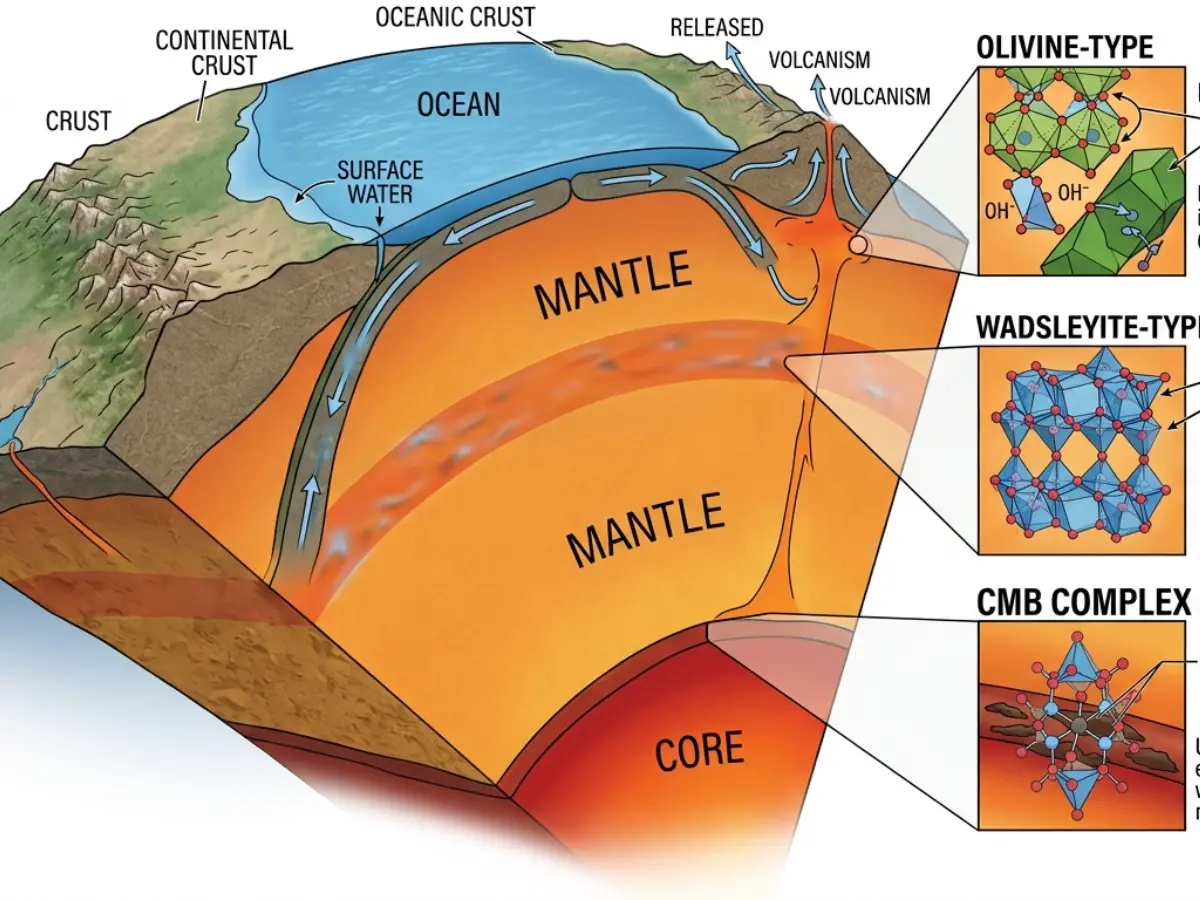)
Water equivalent to two Pacific Oceans could be stashed 2,900 km inside Earth
)
Ex-CIA officer caught with gold bars worth $40 million seeks plea deal | Gravitas
)
Pakistan: Imran Khan's sons Kasim & Sulaiman claim their father is 'tortured' in jail
)
Trump's Iran war faces fresh House rebuke; 7 Republicans join Democrats in push to end conflict ahead of midterms
)
US Treasury yields cross 5% as Scott Bessent warns of ‘global issues’ impacting bonds
&im=FitAndFill=(700,400))
New OTT releases this week (September 14-20, 2026): Lust Stories 3, Waiting Hai, Irumudi- 5 new titles coming on Netflix, Prime Video and more
)
Who is Kalyan Bainsla, accused in the Gurugram hit-and-run case involving woman biker?
)
Saudi Arabia discovers 110 million tonnes of Uranium-rich ore in Madinah region
)
Los Angeles helicopter crash: At least three dead, several injured; NTSB to investigate
)
India summons top Pakistan diplomat after Pak Navy ship collides with Indian warship at high seas
)
Saudi Arabia accuses Houthis of drone attack on Mecca, first-ever red alert in Islam's holiest site sparks panic
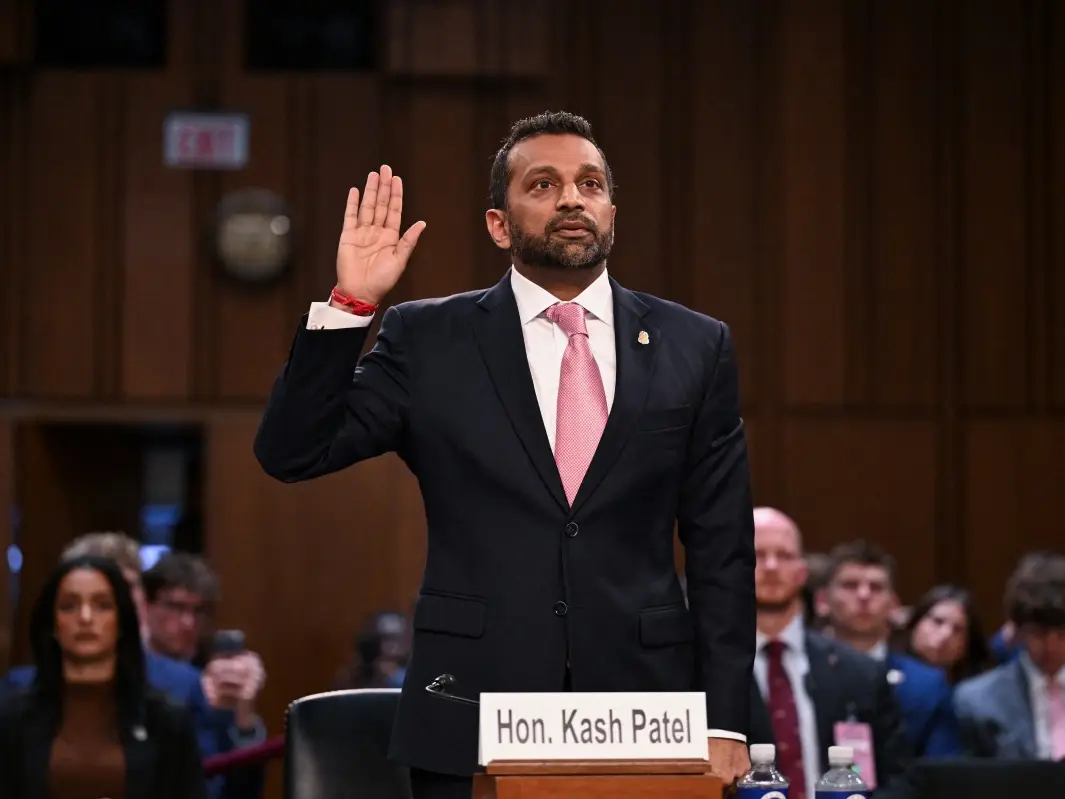)
'Like a thug you are using agency to go after..': Kash Patel grilled by Senate Democrats over FBI firings, journalist investigations and hiring policy
)
Abhishek Sharma rises to No. 2 in T20Is; ENG’s Robinson 3rd after record Pakistan Tests
)
Canada to become EU’s first ‘associate member’? Von der Leyen proposes move amid US tensions
An amendment can also be proposed by a constitutional convention called for by two-thirds of the State legislatures. However, the Democrats control 18 out of the 50 state legislatures.
Can Trump be the President despite the 22nd Amendment?
"A lot of people want me to do it...I’m not joking," Trump said to NBC News. When asked whether he has been presented with plans to allow him to seek a third term, Trump said, "There are methods which you could do it."
His 'methods' include the interpretation by his supporters that the 22nd Amendment only bans someone being 'elected' to more than two presidential terms but says nothing about 'succession'.
Read more | Trump suffers setback as democrat Susan Crawford wins Wisconsin supreme court despite Musk's millions
When Trump was asked in a recent interview if Vice President JD Vance would run for the top job, and then pass the baton to him, he said, “Well, that’s one.” So, hypothetically, if US Vice President JD Vance runs and wins for the presidency in 2028, he could be sworn in the White House only to resign and let Trump take over.
Another method of being the president for the third time can be if Republicans controlled the House. The speaker is elected by members of the House, and need not himself be a member of Congress. In that scenario, Trump could be elected as speaker, and then, if the president and vice president agreed to step aside, Trump could become president.
Read more | Price hikes incoming! Here’s how Trump’s reciprocal tariffs will affect your groceries
Moreover, Andy Ogles, a Republican in the House of Representatives, introduced a resolution in January this year to allow a president to serve up to three terms as long the terms are not consecutive. Trump won in 2016, lost in 2020, and won again in 2024. Ogles' proposal became the talk of the town but has not made any significant progress legally. However, other Republican lawmakers can move a similar resolution in the future in favour of Trump's third term.
Another report has suggested that Trump may run for vice-presidency and while being the vice president, he may act as the de-facto president.
Has any US president run the third term?
Former President Franklin D Roosevelt (FDR) won four consecutive presidential elections in 1932, 1936, 1940, and 1944. He died in 1945, just months into his fourth term.
Previous to this, the two-term tradition was followed as a tradition. Roosevelt's violation of the two-term tradition prompted Congress andt he states to turn it into a formal matter of constitutional law.
Political scientist and term limit scholar Michael Korzi, in a report, also said that the nation’s third president Thomas Jefferson had spoken in favour of a two-term limit for presidents and saw little distinction between "a long-serving executive in an elective position and a hereditary monarch."
(With inputs from agencies)

