Donald Quixote? Iran is no windmill- 20 reasons why Trump may have been misled by advisors, allies about winning the war

&imwidth=600&imheight=450&format=webp&quality=medium "Donald Quixote? Iran is no windmill- 20 reasons why Trump may have been misled by advisors, allies about winning the war")
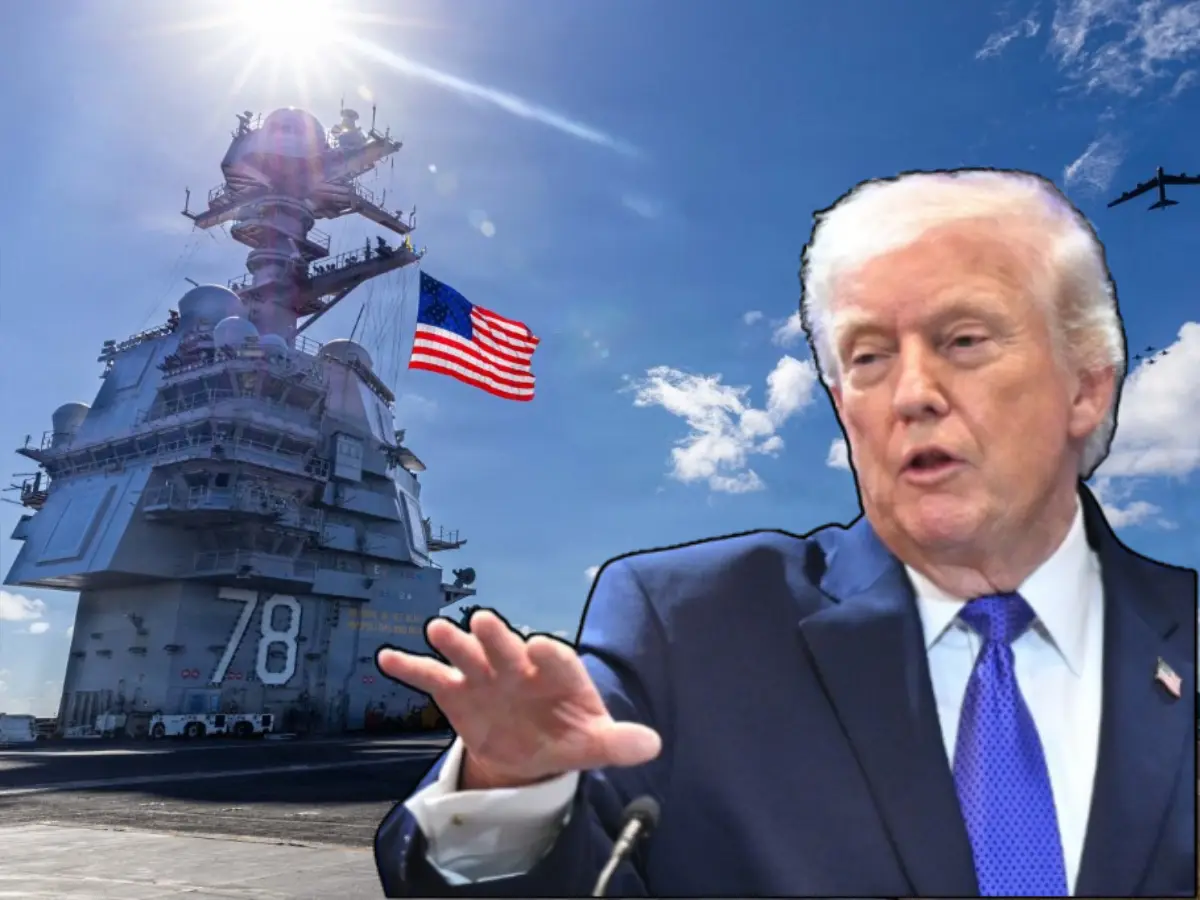
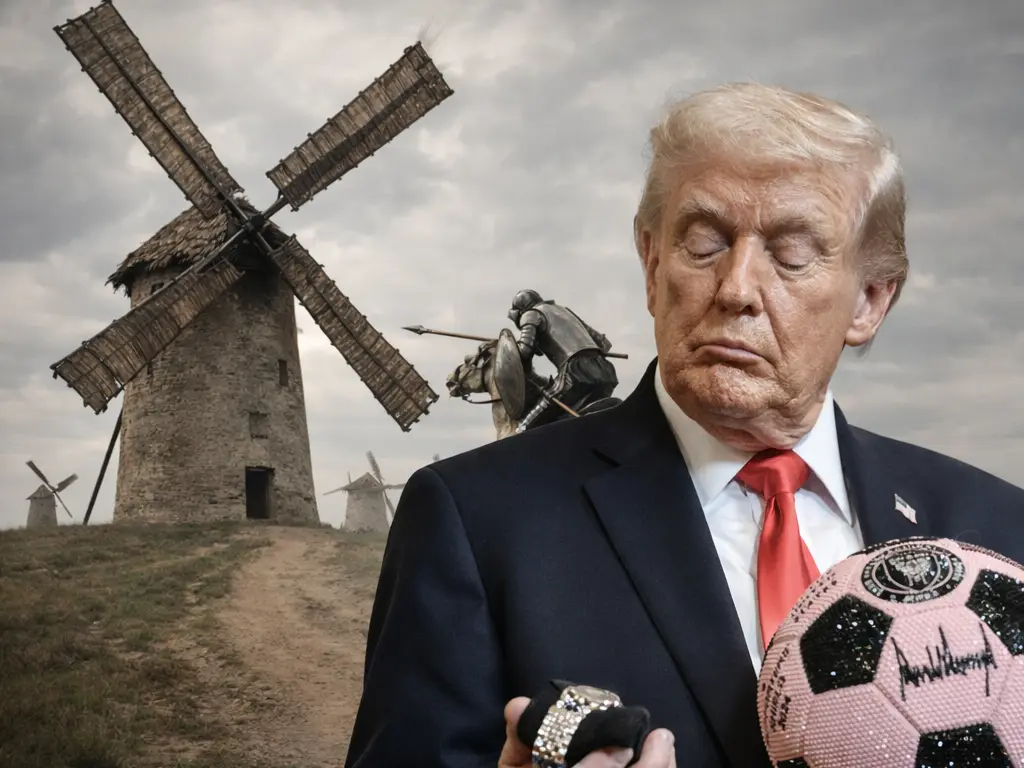
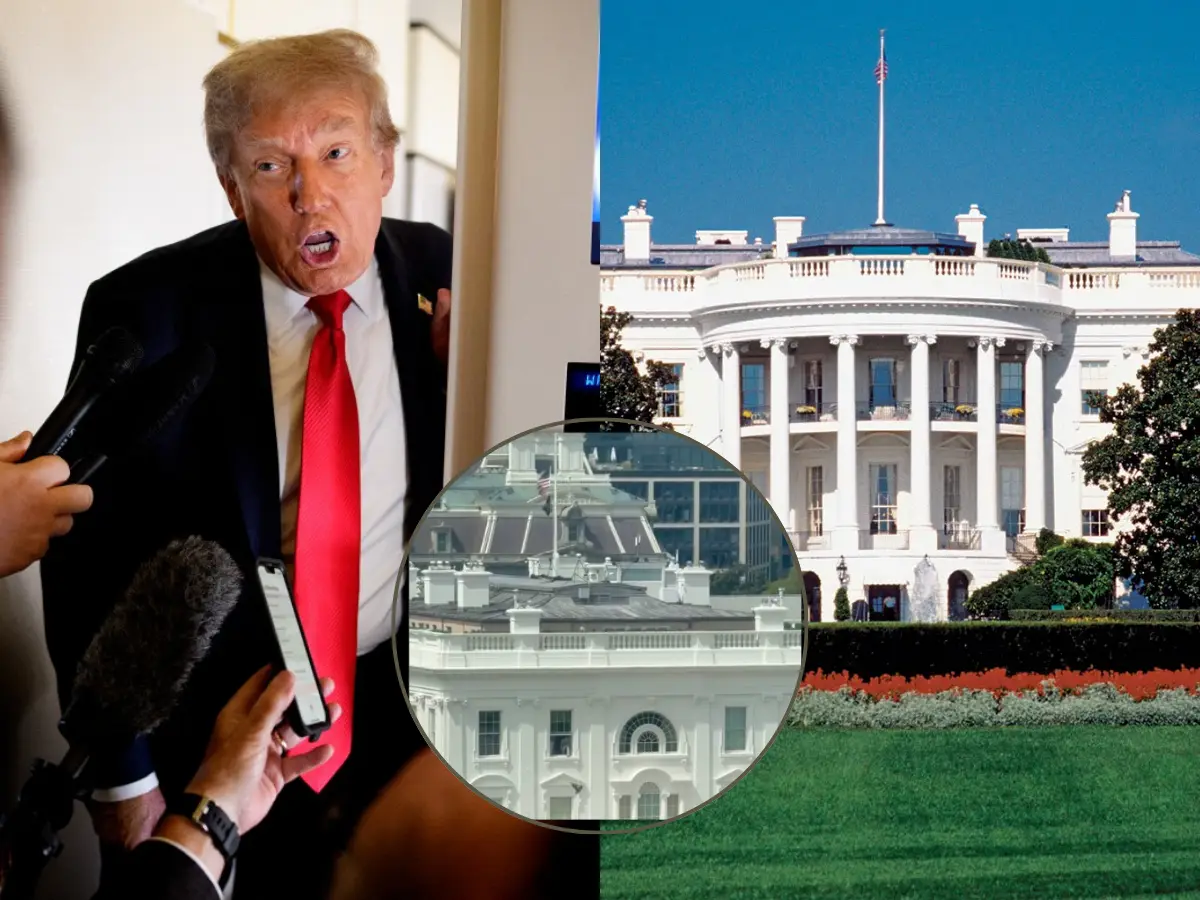
Don Quixote had an advisor Sancho Panza, who often protected him. Did Trump's advisors mislead US president on Iran war? Photograph: (Others)
The Iran war is slowly exposing US miscalculations—from overconfidence and weak allied backing to Iran’s resilience, proxy warfare and economic disruption. With no decisive victory in sight, is this turning out to be a quixotic excursion for Trump?
Don Quixote, a great literary character, is a cautionary tale of a self-proclaimed hero acting on flawed perceptions, often influenced by misleading advice. Actions similar to his— going into battle with perceived enemies like windmills — are called ‘quixotic’. With no immediate end in sight, the Iran war is slowly proving that President Donald Trump and his administration may have made a series of quixotic mistakes. These include not understanding Iran’s resilience, misjudging the speed of victory, not anticipating that Tehran would expand the war into the Gulf region, failing to secure allies' support, and not taking into account the global consequences of a war in which the world economy itself became a weapon. Here are 20 reasons why Trump is proving to be a new-age Don Quixote:
1. Bad advice and overconfidence
Trump and his team, led by Defence Secretary Pete Hegseth, appear to have relied on overly optimistic assessments that downplayed the risks of war. Shortly before the war escalated, Energy Secretary Chris Wright dismissed fears of oil market disruption. Advisers reportedly ignored warnings of sustained Iranian economic retaliation. Israeli Prime Minister Benjamin Netanyahu is said to have portrayed Iran’s regime as a fragile “house of cards” likely to collapse quickly under sustained bombardment. Some military officials’ cautions about Iran’s unwillingness to yield quickly were sidelined.
2. Lack of domestic or allied nations' support
The US struggled to secure backing from key allies, including those in Europe and members of the NATO military alliance. Trump’s requests for naval support to secure the Strait of Hormuz—including minesweepers and warships—were either declined or limited by partners such as the UK and Japan. Trump publicly criticised allies for a lack of reciprocity after decades of US security commitments. As he faces a midterm elections, both the Democrats and much of the American media are not enthused about the war, either.
Trending Stories
)
)
)
&im=FitAndFill=(700,400))
)
)
)
)
)
)
)
)
)
&im=FitAndFill=(700,400))
)
)
)
)
)
&im=FitAndFill=(700,400))
)
&im=FitAndFill=(700,400))
)
)
)
)
&im=FitAndFill=(700,400))
3. Iran regime change assumptions fail in the face of reality
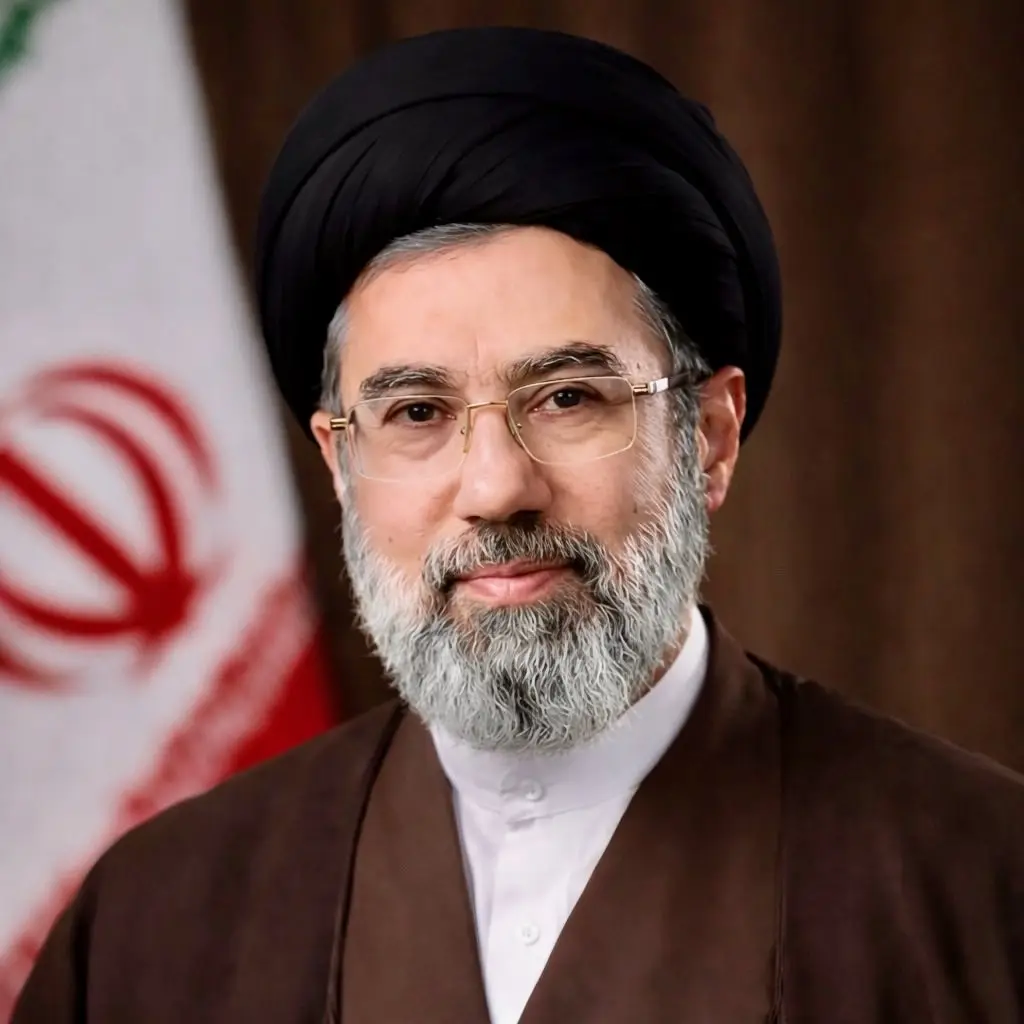
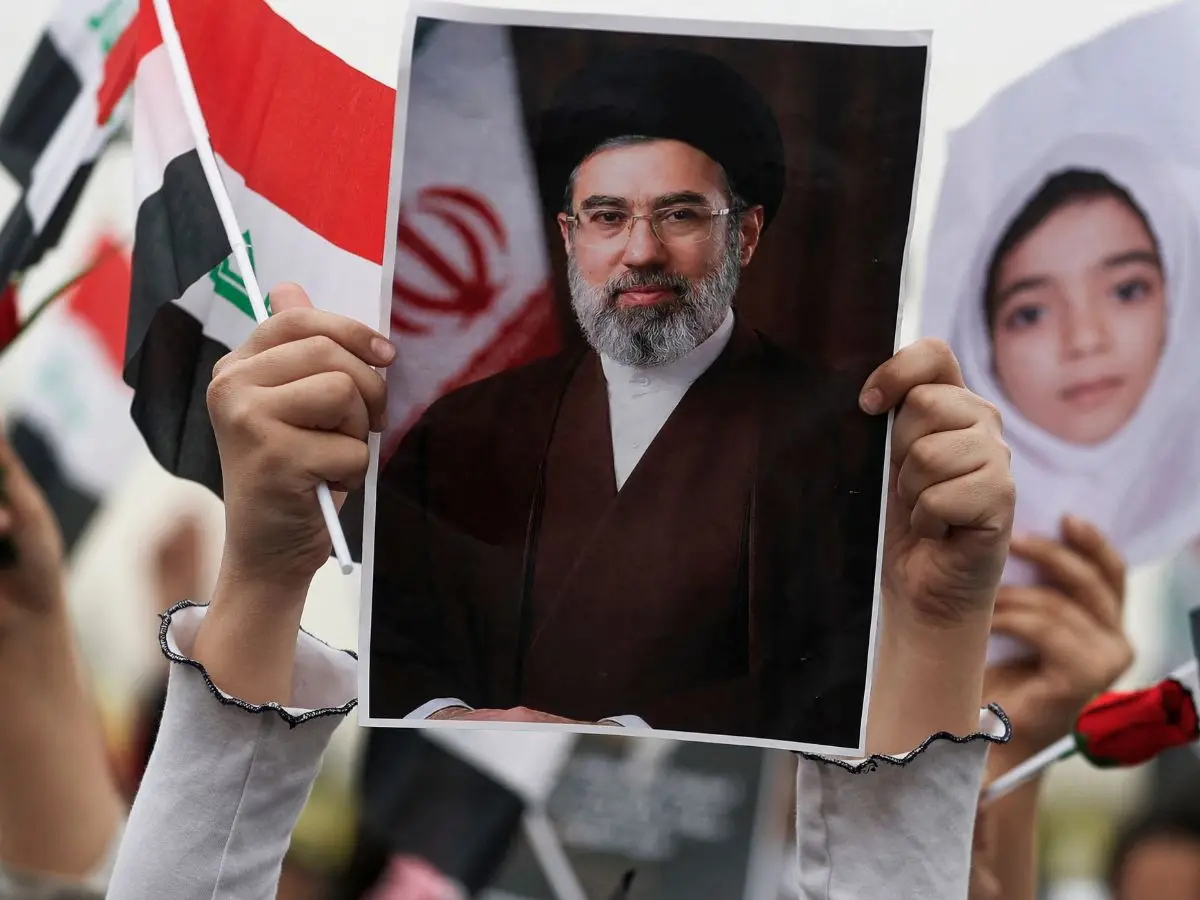
The US-Israeli strategy assumed that decapitation strikes—targeting top leadership and killing Supreme Leader Ali Khamenei—would lead to sudden regime collapse or capitulation. Instead, Iran replaced its leadership with a younger, more hardline figure, Mojtaba Khamenei. The Islamic Revolutionary Guard Corps (IRGC) continued operating effectively, often appearing independent of any central command structure. The regime suppressed internal unrest. Weeks into the conflict, there was no meaningful shift in control or regime change.
4. Operational strains and military incidents
Reports surfaced of a refuelling aircraft crashing in Iraq, the warship USS Abraham Lincoln suffering technical issues, and USS Gerald R Ford experiencing a fire while deployed in the Red Sea. Though not combat-related, these incidents exposed US operational strain during wartime deployment.
5. Iran’s economic warfare via the Strait of Hormuz
US planners underestimated Iran’s ability to retaliate asymmetrically using its control of the Strait of Hormuz as leverage. Iran threatened tankers, laid mines, and launched selective drone strikes on oil infrastructure in the UAE and Saudi Arabia. Targets included the Shah gas field near Abu Dhabi, the Fujairah Oil Industry Zone, Fujairah oil terminal, and Saudi Aramco facilities. Iran also warned civilians to evacuate ports and forced a halt in Gulf shipping, leading to a surge in oil prices of over 40 per cent. US gasoline costs rose, while global energy, food, fertiliser markets, and freight transport were disrupted.
6. Too much time spent on build-up gave Iran time to prepare
For weeks, the US carried out a military build-up before striking Iran on February 28, even as talks were ongoing for what Trump described as a ‘deal’, primarily centred on Iran giving up nuclear weapons ambitions. The prolonged build-up allowed Iran to harden defences, hide or reposition military assets, and prepare asymmetric responses such as drone attacks.
7. Underestimating Iran’s resilience and pain tolerance
Iran, which has prepared for decades for such a conflict, demonstrated a high tolerance for sustained war. Its multi-layered governance and defence systems allowed continuity despite leadership losses. Treating the war as existential, Iran used sustained missile and drone attacks to deplete US, Israeli, and allied air defence systems.
8. Misjudging war duration and costs involved
The US has already spent tens of billions of dollars on the war effort, with costs continuing to rise. Officials initially estimated the war would end within four to five weeks, but it has already entered the third week. Trump is alternating between claims of victory and appeals for international assistance.
9. Iran’s quick regional escalation was unexpected
Trump indicated he had not been advised that Iran would attack neighbouring US allies in the Gulf. Qatar, the UAE, Saudi Arabia, and Kuwait were targeted, along with attempted drone attacks on the US embassy in Baghdad. Iran also disrupted regional infrastructure, including airports and urban centres.
10. A global war already
The conflict quickly had global consequences. Economic fallout affected US and international markets, and Washington was forced to ease restrictions on Russian oil exports to stabilise global supply.
11. Iran's proxies keep the war simmering
Hezbollah is engaging Israeli forces in Lebanon, while the Houthis in Yemen have threatened to disrupt shipping through the Bab el-Mandeb Strait at the Red Sea chokepoint. With no boots on the ground in Iran from either the US or Israel, decisive battlefield victory remains elusive. The war has become multi-front rather than single-theatre.
12. Iranian power structures are more entrenched than anticipated
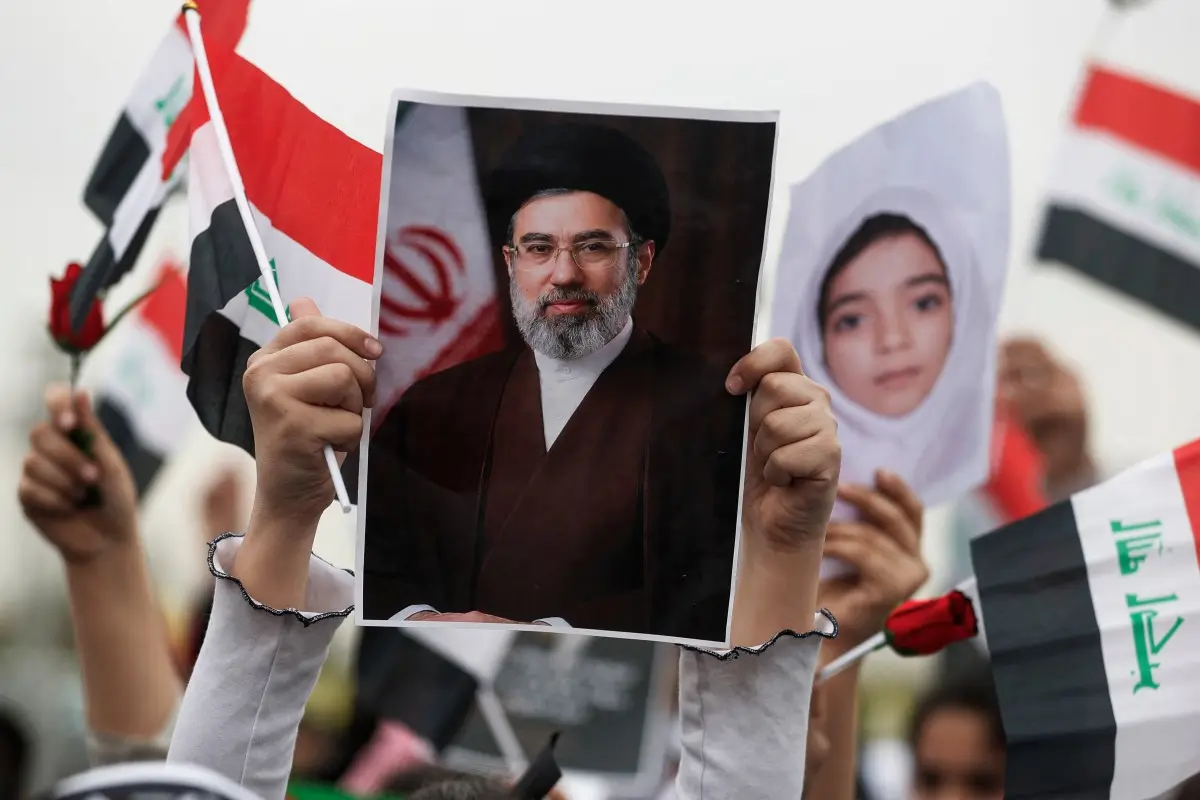
The war has further consolidated the Islamic Republic’s internal power. Public displays of support, including large turnouts during Quds Day rallies, highlight internal cohesion. This reduces the likelihood that external military pressure alone can produce decisive outcomes.
13. Mismatch between military success and real outcomes
Trump frequently claimed that Iran’s military and nuclear capabilities have been largely destroyed. However, continued US attacks—including on strategic locations such as Kharg Island—suggest otherwise. Iran’s missile-launching capability may be degraded, but it continues to launch attacks, indicating the presence of hidden or dispersed assets.
14. Nuclear disarmament or military degradation — unclear objective
The US and Israel entered the war with the stated aim of eliminating Iran’s nuclear weapons capability and missile arsenal. Neither objective has been fully achieved. Iran continues to insist on retaining its civilian nuclear programme, complicating negotiations and prolonging the conflict.
15. Iran turned US military presence in Gulf into a vulnerability
Iran’s attacks on US military bases in Gulf countries—often using low-cost drones—have exposed vulnerabilities in these high-value installations. This has made the US presence a liability for host nations, many of which have remained defensive rather than actively joining the conflict.
16. The trap of the escalation ladder
Both sides appear locked in an escalation cycle, unwilling to de-escalate, yet unable to deliver a decisive blow. Iran has steadily increased the cost of war, while US-Israeli strikes have not achieved a breakthrough, creating a prolonged stalemate.
17. Global supply chain strain as a weapon
From the Strait of Hormuz to regional airports, Iran’s calculated targeting has created logistical disruptions. Missile and drone attacks have affected global supply chains, impacting everything from energy shipments to manufactured goods and food distribution.
18. Cyberwar and non-traditional warfare opened new fronts
Iran-linked groups have conducted cyberattacks on infrastructure and institutions, adding a significant cyber warfare dimension. Information warfare has also intensified, including control over domestic internet systems. These multiple fronts complicate the definition of victory.
19. Economic interdependence limits decisive action
Global oil market volatility, inflation risks, and energy supply disruptions have put pressure on all sides to avoid extreme escalation. As a result, neither side is pursuing total war, contributing to a prolonged stalemate.
20. Iran’s ability to strike Israel over long distances
Iran has demonstrated the capability to strike Israel from thousands of kilometres away. Some missile and drone attacks have penetrated Israeli air defence systems and landed within Israeli territory, exposing vulnerabilities despite the geographical distance.
Don Quixote had an adviser, Sancho Panza, who often protected him—even by giving misleading information to prevent reckless actions. The question remains whether Trump received sound advice. Did his aides, including son-in-law Jared Kushner, mislead him on the Iran war? Whatever the case, Trump may ultimately need to rely on his dealmaking approach to end the conflict through negotiations rather than prolonged warfare.