China confirms Trump's Beijing visit from May 13 to 15: What's on agenda?

&imwidth=600&imheight=450&format=webp&quality=medium "China confirms Trump's Beijing visit from May 13 to 15: What's on agenda?")
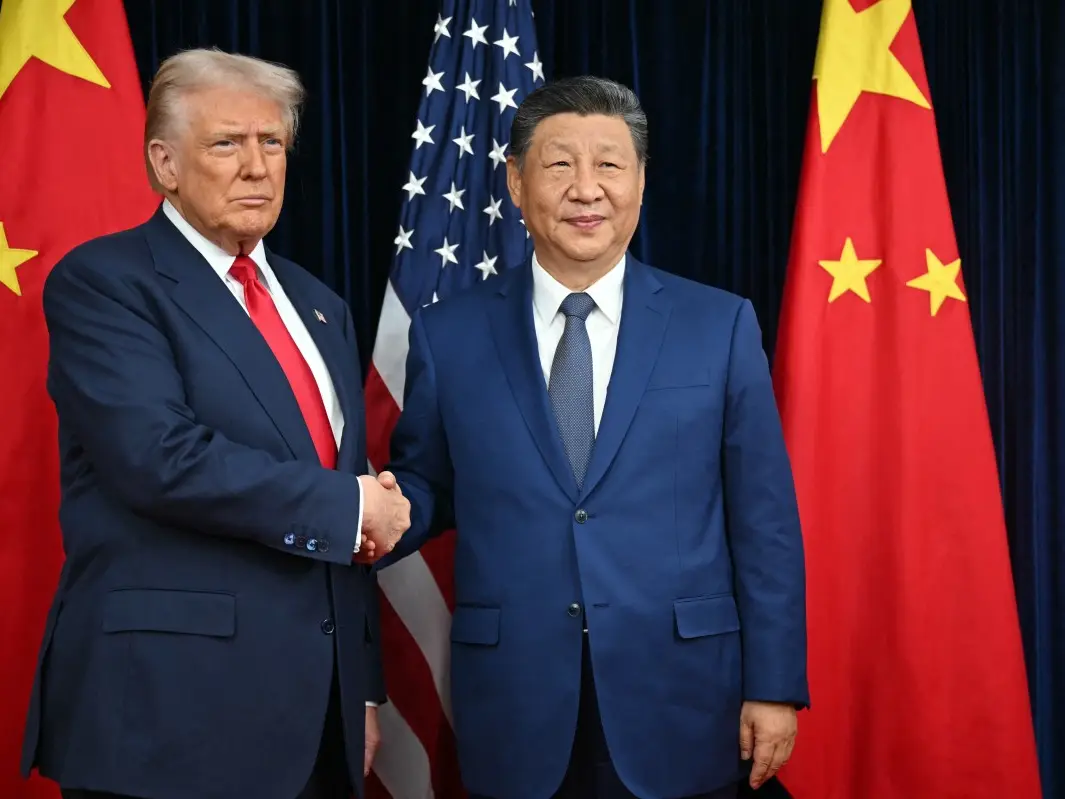
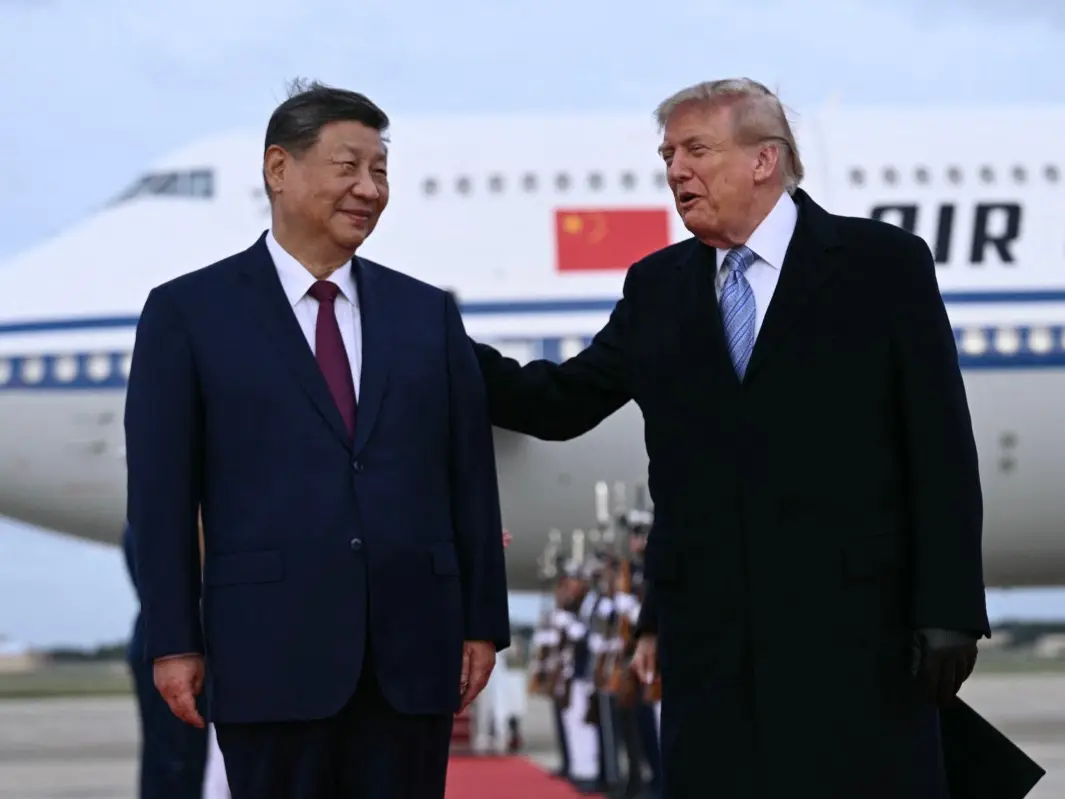
US President Donald Trump and Chinese premier Xi Jinping Photograph: (AFP)
Trump will visit China from May 13 to 15 at the invitation of Chinese President Xi Jinping. The high-profile state visit is expected to focus on Iran tensions, global trade, tariffs, and US-China relations amid rising geopolitical uncertainty.
US President Donald Trump will visit China from May 13 to 15, Beijing confirmed on Monday (May 11), with the US leader expected to discuss Iran and trade with his Chinese counterpart. The trip will mark Trump’s first visit to China during his second term and is expected to focus heavily on improving strained trade relations between the two global economic powers. The two leaders last met in South Korea in October, where they agreed to ease tensions stemming from ongoing trade disputes initiated by US tariffs.
"At the invitation of President Xi Jinping, President of the United States of America Donald J. Trump will pay a state visit to China from May 13 to 15," a foreign ministry spokesperson said.
Earlier, the US administration had confirmed that Trump was due to travel to Beijing in May to meet Chinese President Xi Jinping. He previously postponed his March visit after the war started in Iran. Trump described the upcoming meeting as a major and historic occasion, adding that he also intends to host Xi and his wife in Washington, DC later this year.
What's on agenda?
- Trade rules and balancing business: The US wants a more organised trade system with China instead of constant tariff fights. Washington may propose a special trade mechanism to decide what goods both countries should buy and sell from each other.
- Rare minerals and big business deals: The US is likely to seek steady access to China’s rare earth minerals, which are important for technology and defence. Big deals like China buying hundreds of Boeing planes and more US farm products could also be discussed.
- Chinese companies and US market access: China wants fewer restrictions on its companies in the US, specially in sectors like AI and electric vehicles. Chinese EV giant BYD could become a key talking point as Washington debates whether Chinese cars should enter the American market.
- Taiwan and security concerns: Taiwan is expected to remain a sensitive issue. China has repeatedly warned the US to be careful about arms sales and military support to Taiwan, which Beijing considers part of its territory. Trump has also hinted that he would talk about Jimmy Lai.
- Nuclear weapons and military stability: Donald Trump may push for fresh nuclear arms discussions that also include China, arguing that current US-Russia agreements no longer reflect today’s global balance.
- Improving people-to-people ties: Beijing is expected to stress rebuilding educational, business and cultural exchanges with the US after relations worsened in recent years. The idea is to stabilise ties beyond just trade and politics.
Trending Stories
)
)
)
)
)
)
)
)
)
)
)
)
)
)
)
)
)
)
)
)
)
)
)
)
)
)
)
)
)
)
)
)
)
)
&im=FitAndFill=(700,400))
)
)
)
)
The Iran factor
This visit by Trump was postponed as the war started in Iran. As Pakistan became the top mediator between the US and Iran, it was reported widely that China might have played a role in convincing Iran to come to negotiation table. China has not openly accepted its role about mediation but has said that it has been working “tirelessly for peace.” Last week, when US extended its latest peace proposal to Iran, Iranian Foreign Minister Abbas Araghchi visited China and held a meeting with his Chinese counterpart Wang Yi and discussed bilateral relations, regional and international developments." China is a key customer for Iranian oil, defying sanctions imposed by the United States as Washington seeks to choke off revenue to Tehran.

