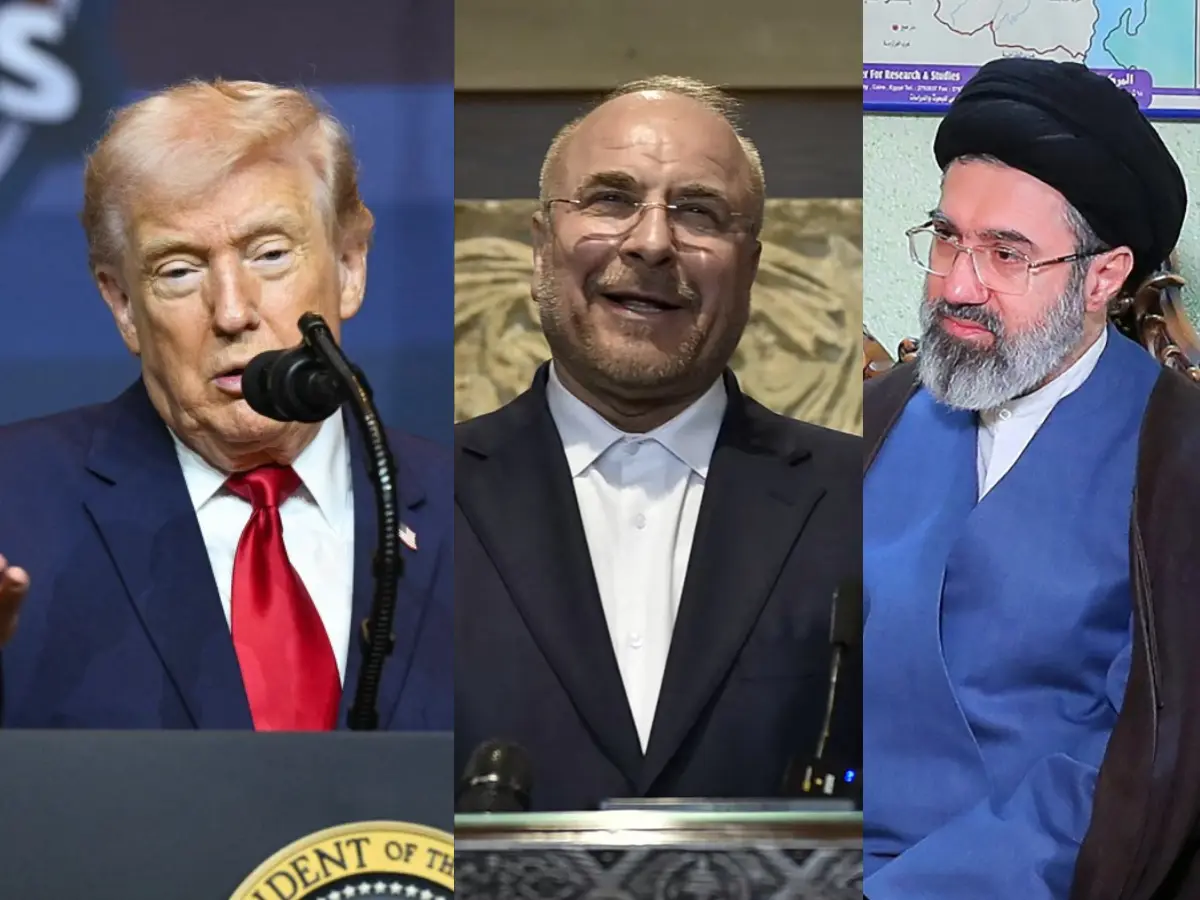
'Iran will close Strait of Hormuz if US blockade not lifted': Iranian Parliament Speaker Ghalibaf's message to Trump

&imwidth=600&imheight=450&format=webp&quality=medium "'Iran will close Strait of Hormuz if US blockade not lifted': Iranian Parliament Speaker Ghalibaf's message to Trump")
'Iran will close Strait of Hormuz if US blockade not lifted', says Ghalibaf Photograph: (AFP)
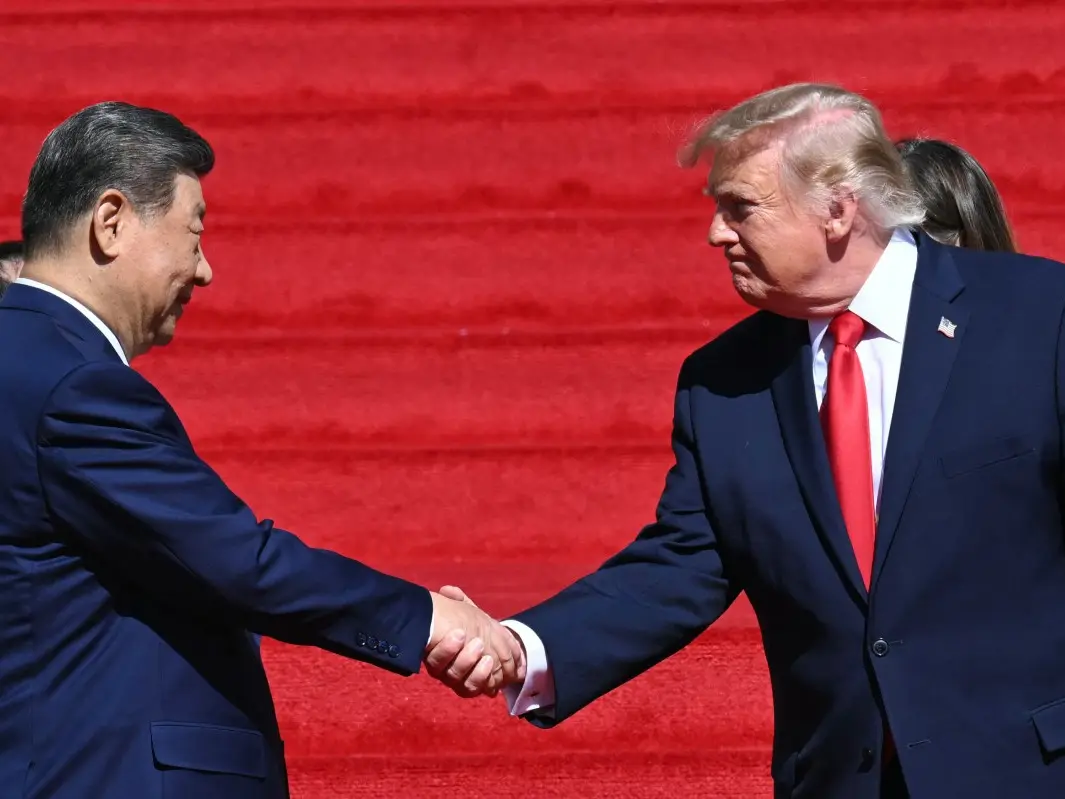
Iranian Parliament Speaker Mohammed Bagher Ghalibaf issued a warning to Donald Trump, saying that if the naval blockade continues on the Strait of Hormuz, Tehran will close it
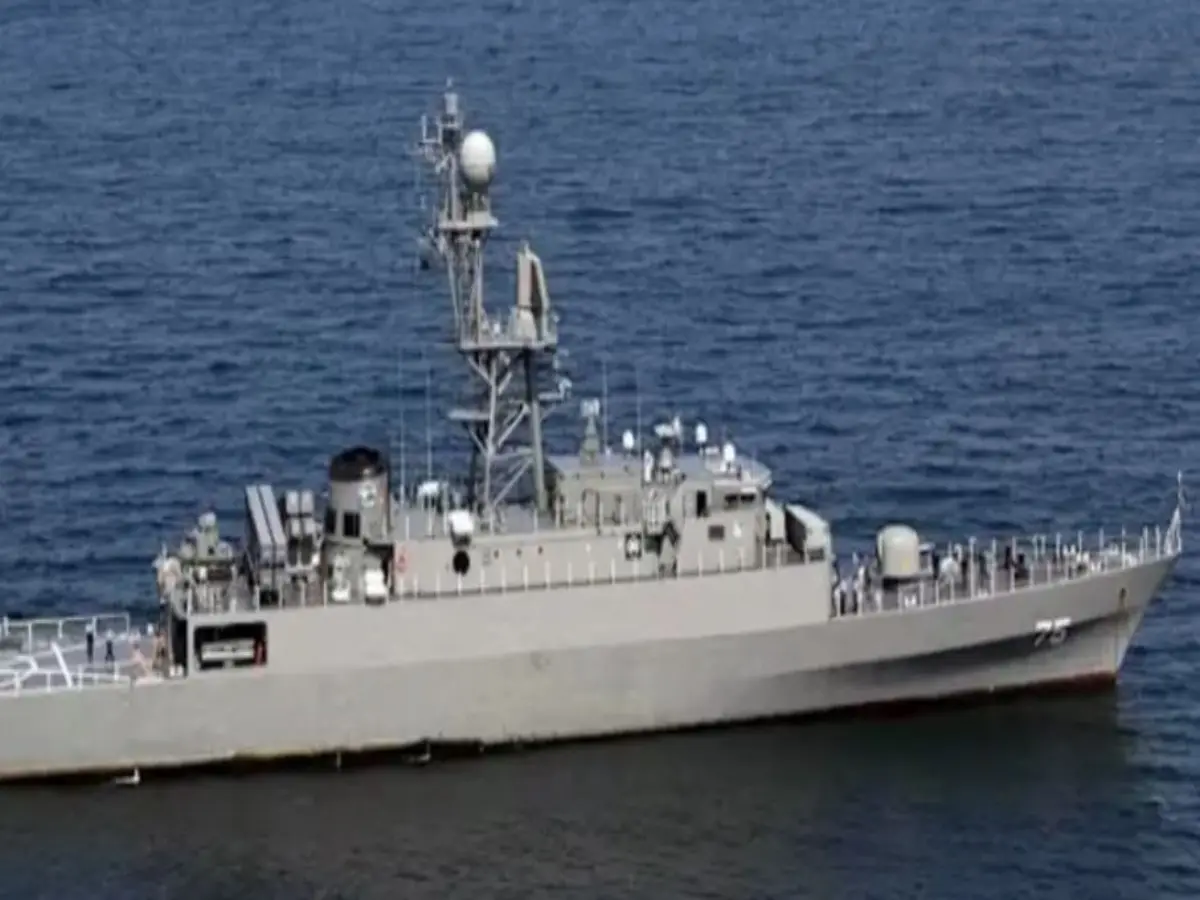
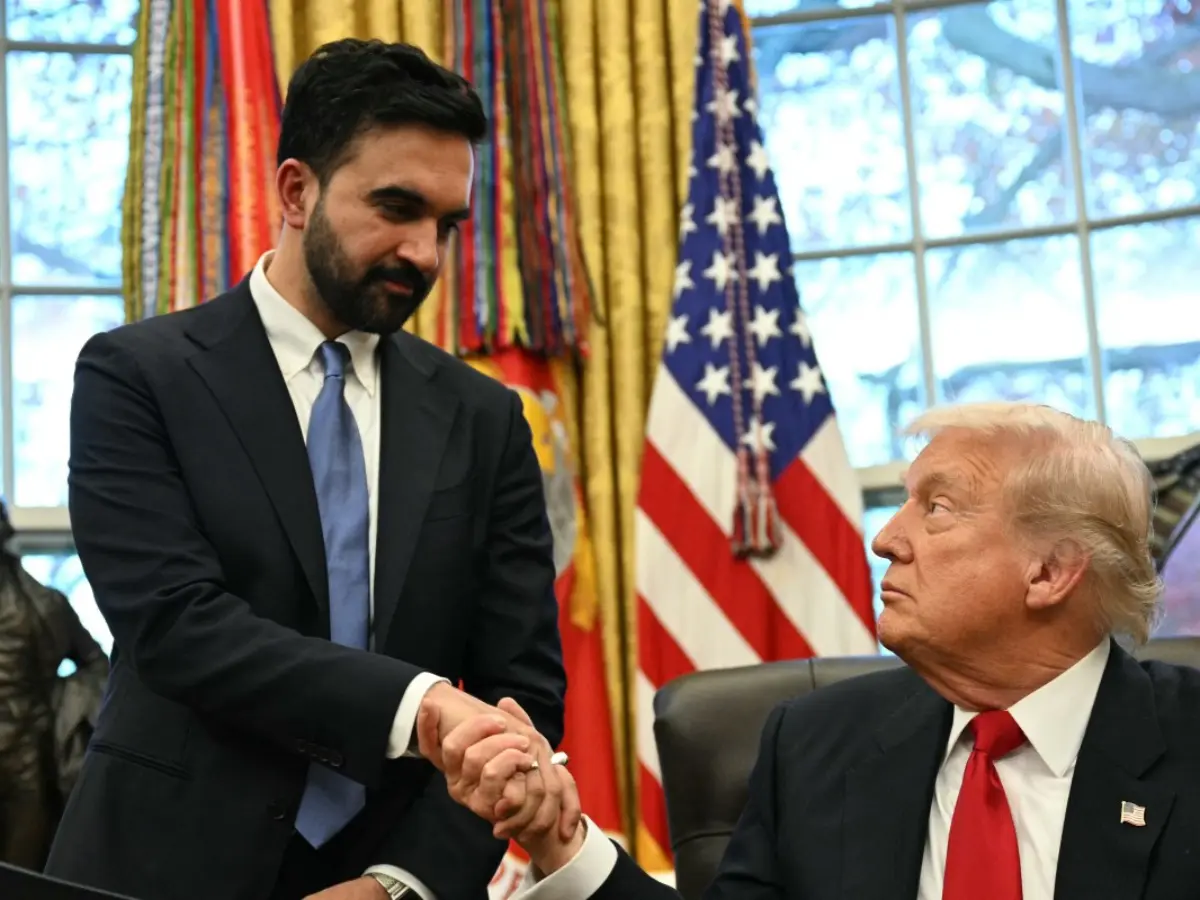
Tehran on Saturday (April 18) warned it could once again shut the Strait of Hormuz if the United States continues its naval blockade of Iranian ports, just hours after the crucial shipping route was reopened following a ceasefire agreement in Lebanon. The reopening of the strait had boosted global markets on Friday and raised hopes of de-escalation, with US President Donald Trump telling news agency AFP that a peace agreement was “very close.” He also claimed that Iran had agreed to transfer its enriched uranium, one of the main sticking points in negotiations.
"We're going to get it by going in with Iran, with lots of excavators," Trump told a gathering of the conservative Turning Point USA movement in Phoenix. Iran, however, rejected the assertion, insisting its enriched uranium stockpile would not be moved. At the same time, officials warned that continued US naval interference could lead to renewed disruption in the strait, a vital global trade route through which roughly a fifth of the world’s oil and liquefied natural gas flows.
Also Read: 'Will bring Iran uranium back home to USA', says Trump at Turning Point USA event in Phoenix
"With the continuation of the blockade, the Strait of Hormuz will not remain open," parliamentary speaker Mohammad Bagher Ghalibaf wrote on X, adding that passage through the waterway would require Iran’s authorization. Iranian Foreign Ministry spokesperson Esmaeil Baqaei emphasised that decisions regarding the strait are determined on the ground. "The opening and closing of the Strait of Hormuz, does not take place on the internet; it is determined in the field, and our armed forces certainly know how to behave in response to any action by the other side," he said.
He further warned that any continued blockade would provoke a response from Tehran. “What they call a naval blockade will definitely be met with an appropriate response from Iran. A naval blockade is a violation of the ceasefire, and Iran will definitely take the necessary measures.” Despite the tensions, Trump struck an optimistic tone, describing the day as “GREAT AND BRILLIANT” in a series of social media posts. He praised mediation efforts by Pakistan and Gulf allies, while rejecting assistance from NATO, urging the alliance to “STAY AWAY.”
In a phone interview with AFP, Trump reiterated his confidence in the negotiations. "Looks like it's going to be very good for everybody. And we're very close to having a deal," he said, adding that there were "no sticking points at all" remaining with Tehran.
Trending Stories
)
)
)
)
)
)
)
)
)
)
)
)
)
)
)
)
)
)
)
)
)
)
)
)
)
)
)
)
)
)
)
)
)
)
&im=FitAndFill=(700,400))
)
)
)
)
Here's what Ghalibaf said in his post on X
- The President of the United States made seven claims in one hour, all seven of which were false.
- They did not win the war with these lies, and they will certainly not get anywhere in negotiations either.
- With the continuation of the blockade, the Strait of Hormuz will not remain open.
- Passage through the Strait of Hormuz will be conducted based on the ‘designated route’ and with ‘Iranian authorization’.
- Whether the Strait is open or closed and the regulations governing it will be determined by the field, not by social media.
- Media warfare and engineering public opinion are an important part of war, and the Iranian nation is not affected by these tricks. Read the real and accurate news of the negotiations in the recent interview of the Foreign Ministry spokesman.
Disclaimer: WION takes utmost care to accurately and responsibly report ongoing conflicts in West Asia involving Israel, Iran, the US, Gulf nations, and non-state actors like Hezbollah, Hamas, Houthis, Islamic State, and others. Claims and counterclaims, disinformation and misinformation are being made online and offline. Given this context, WION cannot independently verify the authenticity of all statements, social media posts, photos, and videos.

