900-year-old Shiva temple cloaked by a banyan tree discovered in Tamil Nadu

&imwidth=600&imheight=450&format=webp&quality=medium "900-year-old Shiva temple cloaked by a banyan tree discovered in Tamil Nadu")
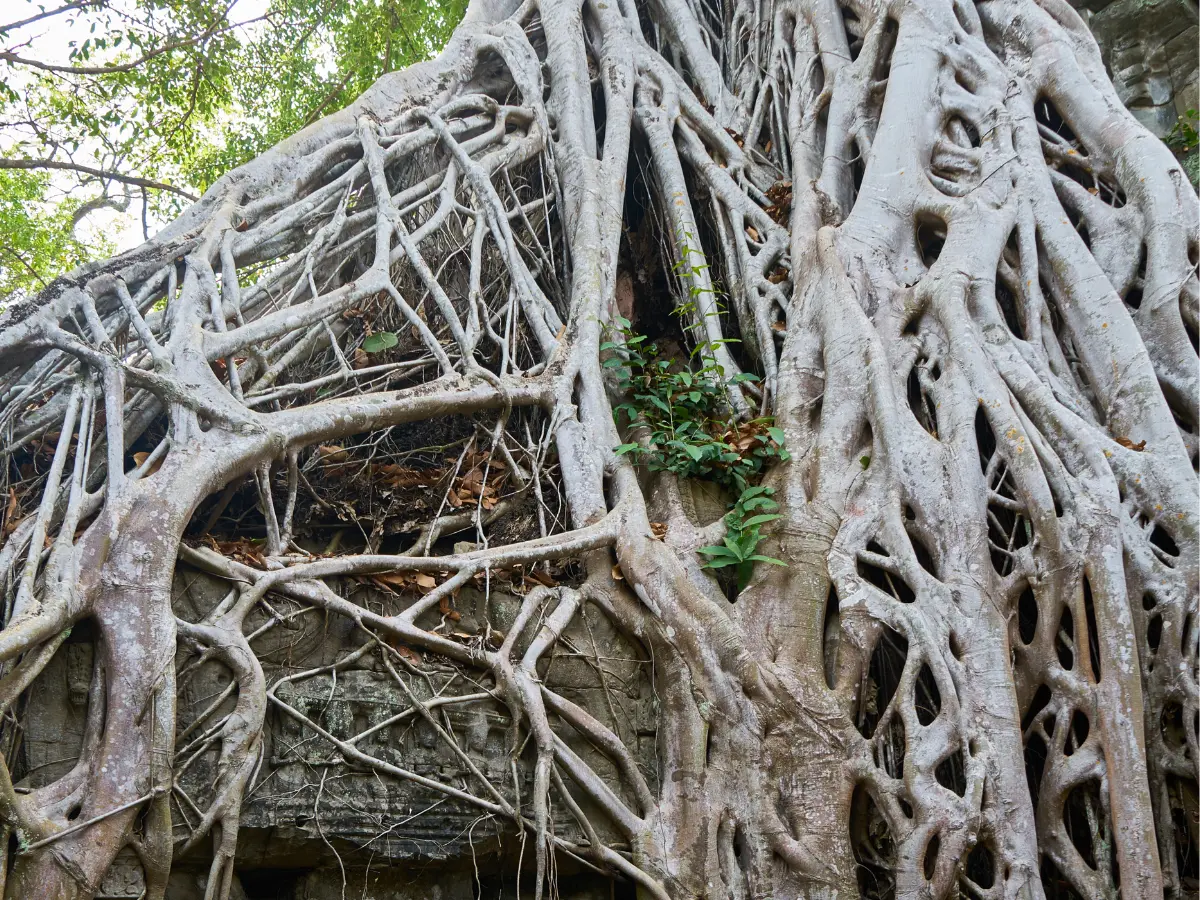
Ancient temple with banyan tree (Representative image). Photograph: (Freepik)
The Shiva temple in Tamil Nadu was dated to be from the later Chola period based on several specific architectural designs and markings. It was entirely covered by a banyan tree, making it hard to reach. Locals want the government to restore the temple.
A 900-year-old Shiva temple from the later Chola period has been discovered in the Indian state of Tamil Nadu. The discovery was made in Begili village, near Hosur in the Krishnagiri district. Jeyalakshmi, a local teacher and archaeology researcher, led the research and received support from the Krishnagiri Museum and history documentation groups. The temple is located at the foothills of a hillock. Interestingly. The village name Begili, also means "Adik Karadu" or "at the foot of the hill". A 200-year-old banyan tree completely shrouds the temple, keeping it hidden from sight. Because of this, it was also inaccessible to locals for generations. Although known colloquially as "Pandavagudi," no living villager had stepped inside until the recent clearing efforts.
Architectural significance of the temple
Dating back to the 11th century CE, the temple is a testament to the reign of Kulothunga Chola I (1070–1122 CE). Specific architectural markers helped archaeologists reach the exact time period the temple is from. One of them is its style, as it has been built in the kattrali (rock-cut stone) tradition. Its layout was another giveaway, as it features a traditional sanctum (garbhagriha) and a half-hall (ardha mandapa). Intricate elements, such as a well-defined adhisthana (base) and bodhika (bracket) elements, were signs that master Chola sculptors had made them.
Researchers knew that the site was of importance thousands of years ago because of a rock carving they found nearby. It features a trident, sun, and moon, which shows it once held significant status and was likely the recipient of royal land grants. The temple is in shambles, exposed to years of external influences and human interference. The sanctum was previously looted by treasure hunters, with the original Shiva Lingam gone, and the Nandi statue vandalised. A nearby Neerazhi Mandapam (water pavilion) is in a state of ruin, while the main structure is partially buried under soil.
Trending Stories
)
)
)
)
)
)
)
)
)
)
)
)
)
)
)
)
)
)
)
)
)
)
)
)
)
)
)
)
)
)
)
)
)
)
&im=FitAndFill=(700,400))
)
)
)
)
Local residents and researchers are now appealing to the Tamil Nadu Government and the Department of Archaeology to restore the temple to its former glory, and try to dig up inscriptions that can throw light on the region's Chola-era history.