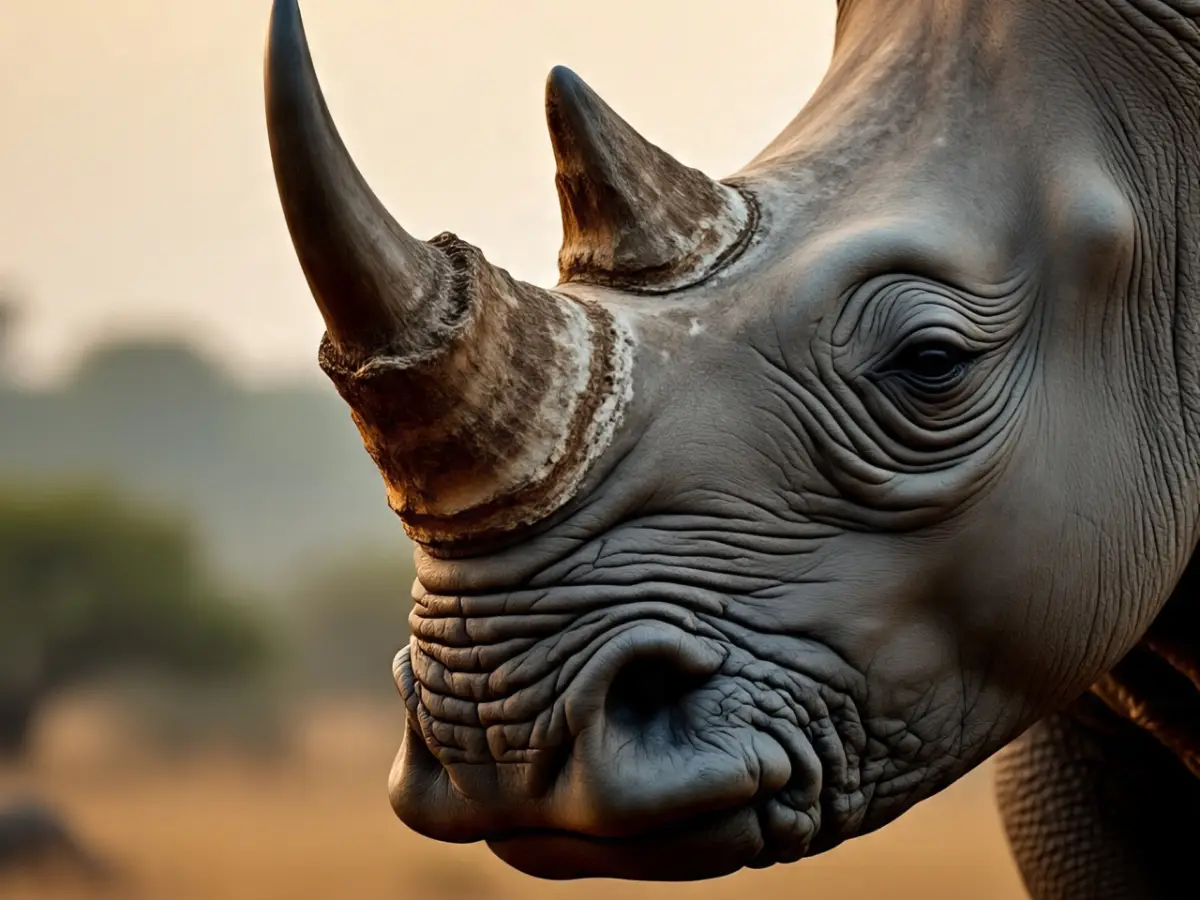
Man who once owned one of world's largest rhino farms charged with smuggling horns worth $14 million

&imwidth=600&imheight=450&format=webp&quality=medium "Man who once owned one of world's largest rhino farms charged with smuggling horns worth $14 million")
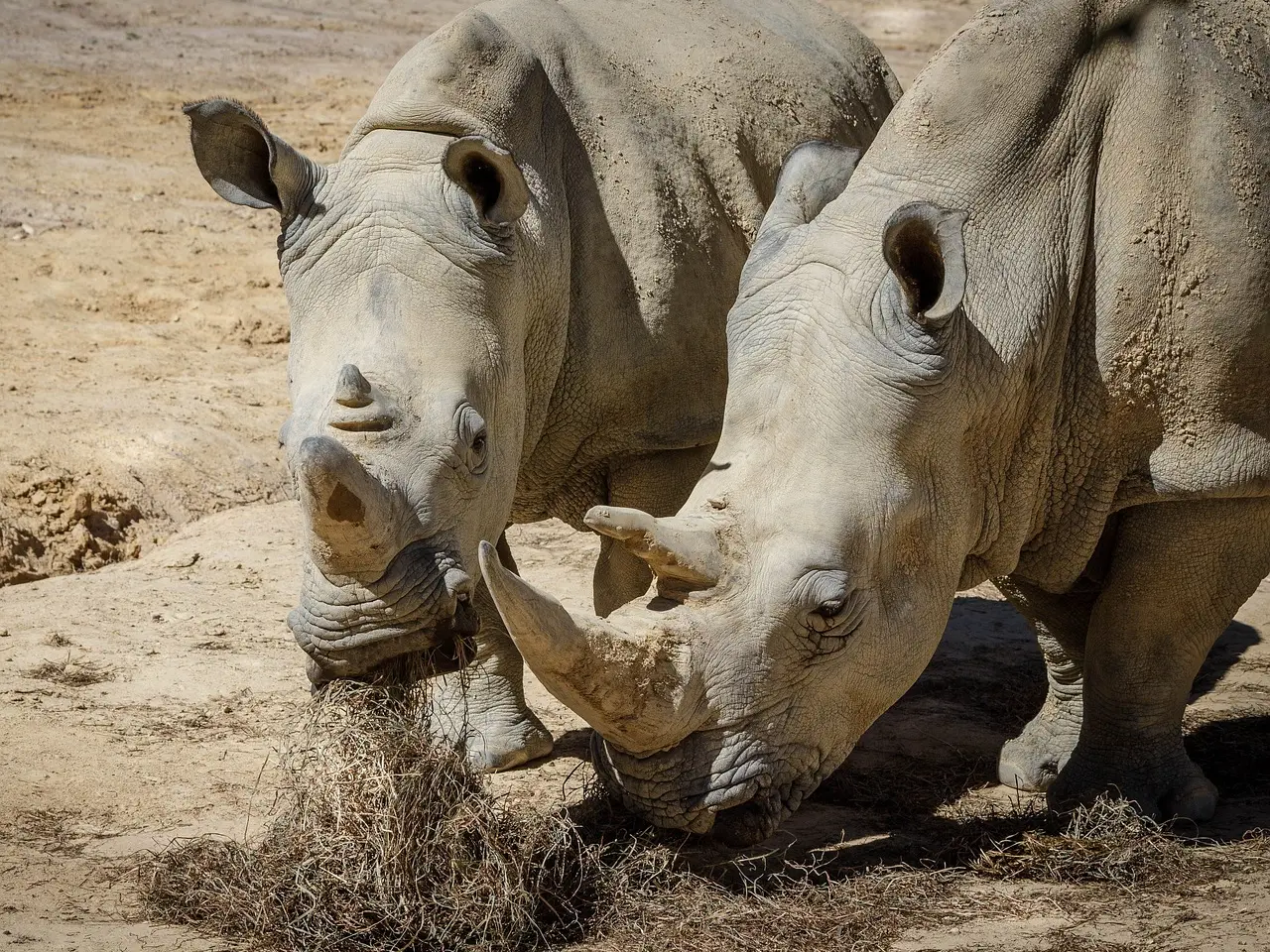
Legal rhino horn harvesting is a controversial business in South Africa Photograph: (Others)
John Hume, an iconic rhinoceros conservationist, could face long prison term if convicted, as he faces charges of smuggling nearly 1,000 rhino horns from South Africa to South East Asia. What did he do?
John Hume, one of the most renowned rhinoceros conservationists in the world, has been charged in South Africa with smuggling nearly 1,000 rhino horns—valued at around $14 million. If convicted, Hume and his co-accused could face long jail terms under South Africa’s strict anti-poaching and organised crime laws.
The 83-year-old was once the owner of one of the world’s largest rhino farms.
A South African court recently charged him with running a sophisticated trafficking syndicate that allegedly smuggled the horns to Southeast Asia.
Hailed as a maverick conservationist, Hume is no stranger to controversy
Hume was once praised as a maverick conservationist, particularly for his controversial rhino breeding operation. He is now facing accusations along with five co-defendants. The co-accused include a lawyer and a game reserve manager.
As per the case, they ran an international smuggling ring between 2017 and 2024.
Trending Stories
)
)
)
)
)
)
)
)
)
)
)
)
)
)
)
)
)
)
)
)
&im=FitAndFill=(700,400))
)
)
)
)
)
)
)
)
&im=FitAndFill=(700,400))
)
)
)
)
)
)
&im=FitAndFill=(700,400))
&im=FitAndFill=(700,400))
)
)
What is the case against former rhino farm operator John Hume?
Prosecutors said the group exploited South Africa's legal domestic rhino horn trade by using fraudulent permits to cover up their actions.
The true intent was the illegal export of rhino horn to countries where the animal part is prized in traditional medicine.
Hume denies any wrongdoing in rhino horn smuggling case
Hume has denied any wrongdoing, in a statement that said, “I categorically reject the allegations against me.”
“I have nothing to hide and have fully cooperated with investigators for years,” he said.
The defendants made their first court appearance earlier this week in Pretoria and were granted bail without a plea, a standard procedure in South African law.
How John Hume went from luxury resorts to rhino horns
John Hume was a luxury resort developer before he turned attention to rhino conservation in the 1990s.
He spent more than two decades breeding the southern white rhinos at his farm, Platinum Rhino. At its peak, Platinum Rhino had nearly 2,000 animals.
His operation was controversial for supporting what's called ‘legal rhino horn harvesting’ under regulated conditions. Faced with financial issues, Hume sold the farm in 2023.
Rhino horn harvesting is a controversial business
Critics of the practice have long questioned the ethics and oversight issues of private rhino horn trade.
Supporters of the business argue that it could reduce poaching by meeting demand through legal methods.
Hume's case could reignite the debate on whether such models opened the door to illegal trafficking.
But for now, the former conservation icon awaits trial while insisting his legacy has been misunderstood.