The Verdict | Trump wants the Nobel Peace Prize. But what about the wars?

&imwidth=600&imheight=450&format=webp&quality=medium "The Verdict | Trump wants the Nobel Peace Prize. But what about the wars?")
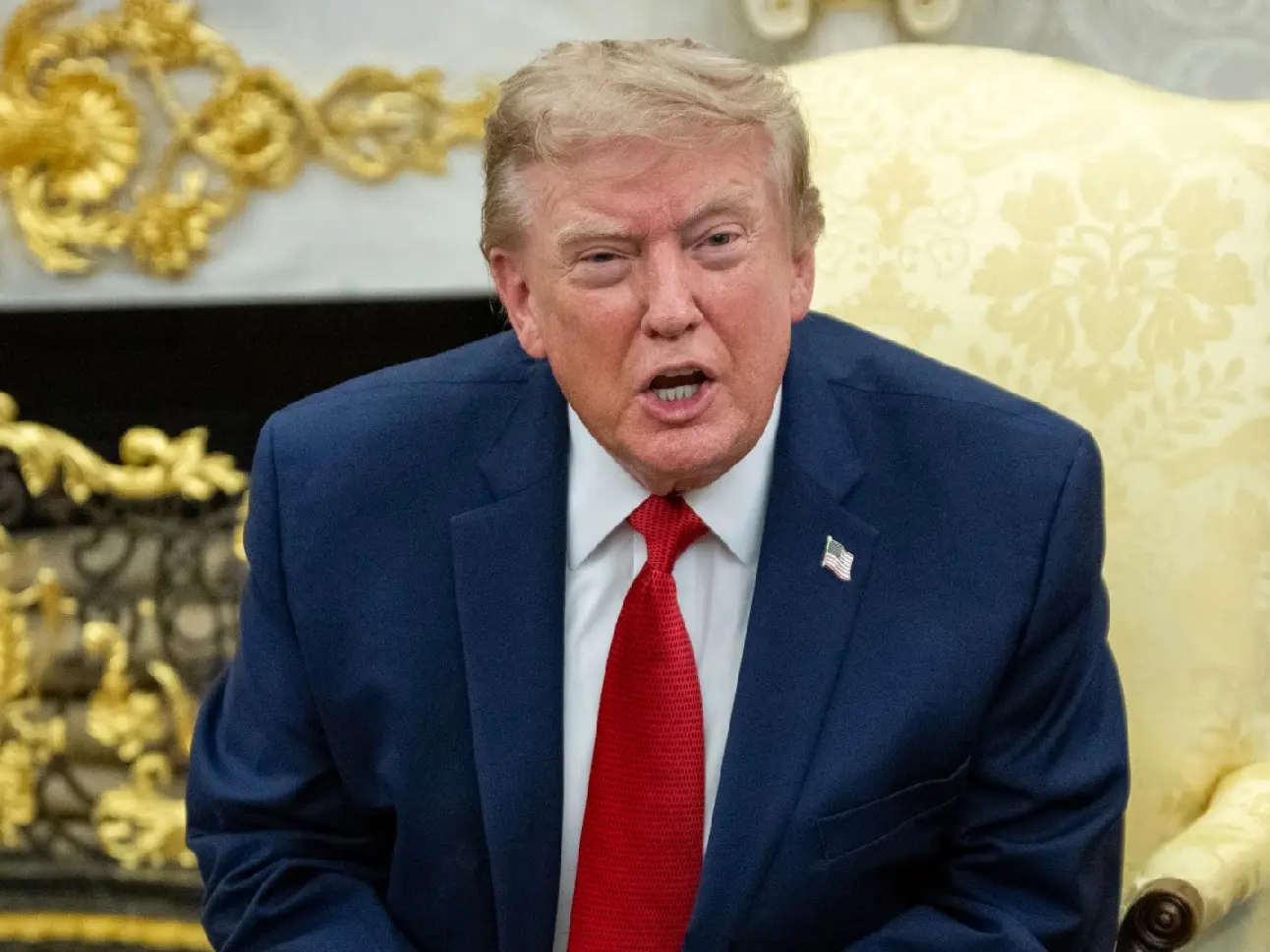
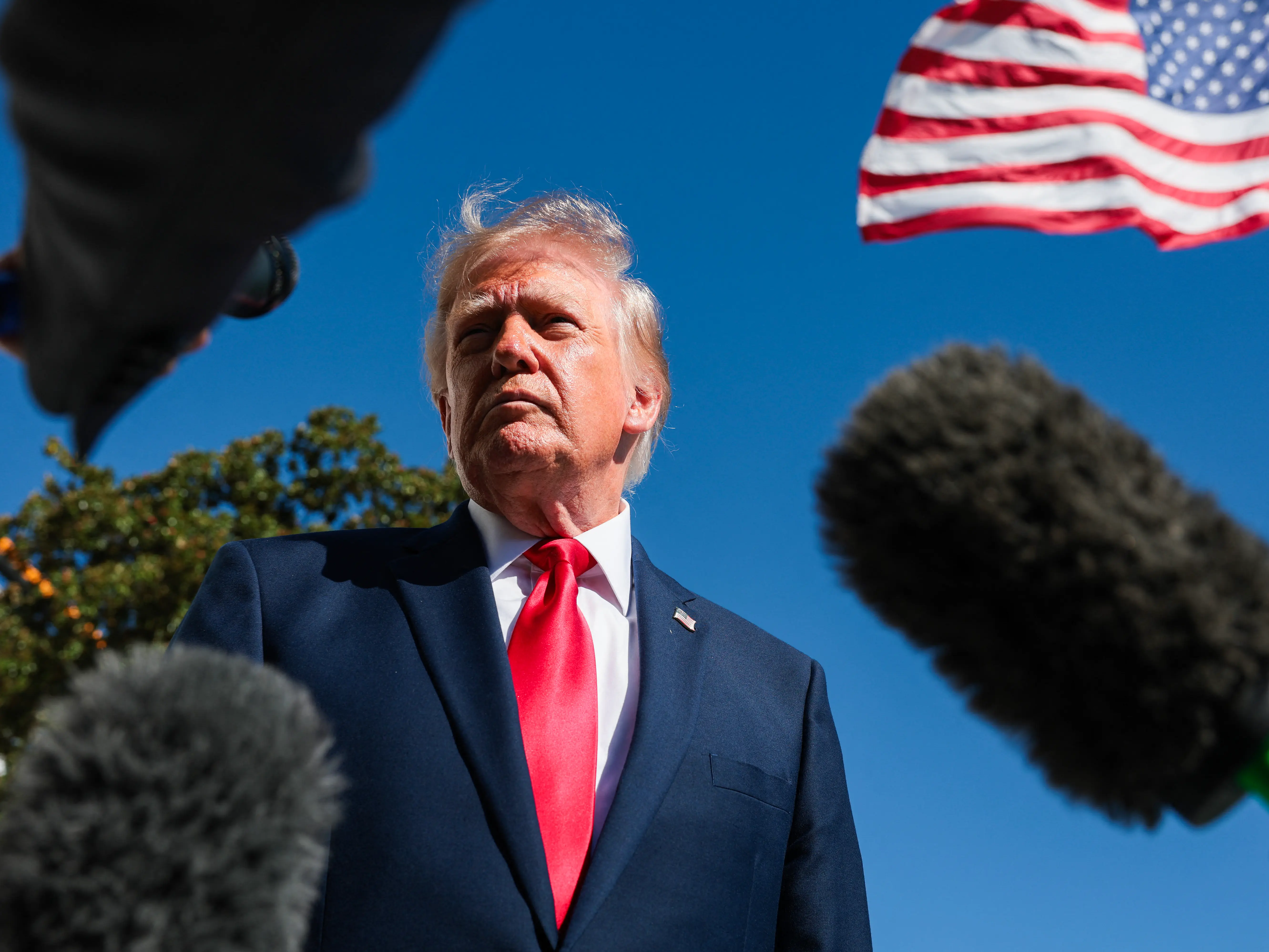
President Donald Trump says he deserves the Nobel Peace Prize for having settled eight wars. Photograph: (AFP)
Some prominent conservative commentators and MAGA-aligned figures have questioned the administration's military strategy, warning against another open-ended conflict in the Middle East. Others argue that military pressure is necessary to protect American interests and deter adversaries.
Donald Trump wants the Nobel Peace Prize.
And with the Norwegian Nobel Committee preparing to announce this year's winner on October 9, the American president has made another public case for why he believes he deserves the world's most prestigious peace award.
His argument is straightforward: he claims to have settled eight wars.
But the reality of global conflict is considerably more complicated.
From Ukraine to Iran, and from Central Africa to Southeast Asia, questions remain about the durability of ceasefires, the effectiveness of diplomatic interventions and whether temporary agreements should be counted as lasting peace.
And while Trump seeks international recognition for his diplomatic achievements, his latest remarks about presidential power have ignited another debate closer to home.
Trending Stories
&imwidth=280&imheight=210&format=webp&quality=medium)
&imwidth=280&imheight=210&format=webp&quality=medium)
&imwidth=280&imheight=210&format=webp&quality=medium)
&imwidth=280&imheight=210&format=webp&quality=medium)
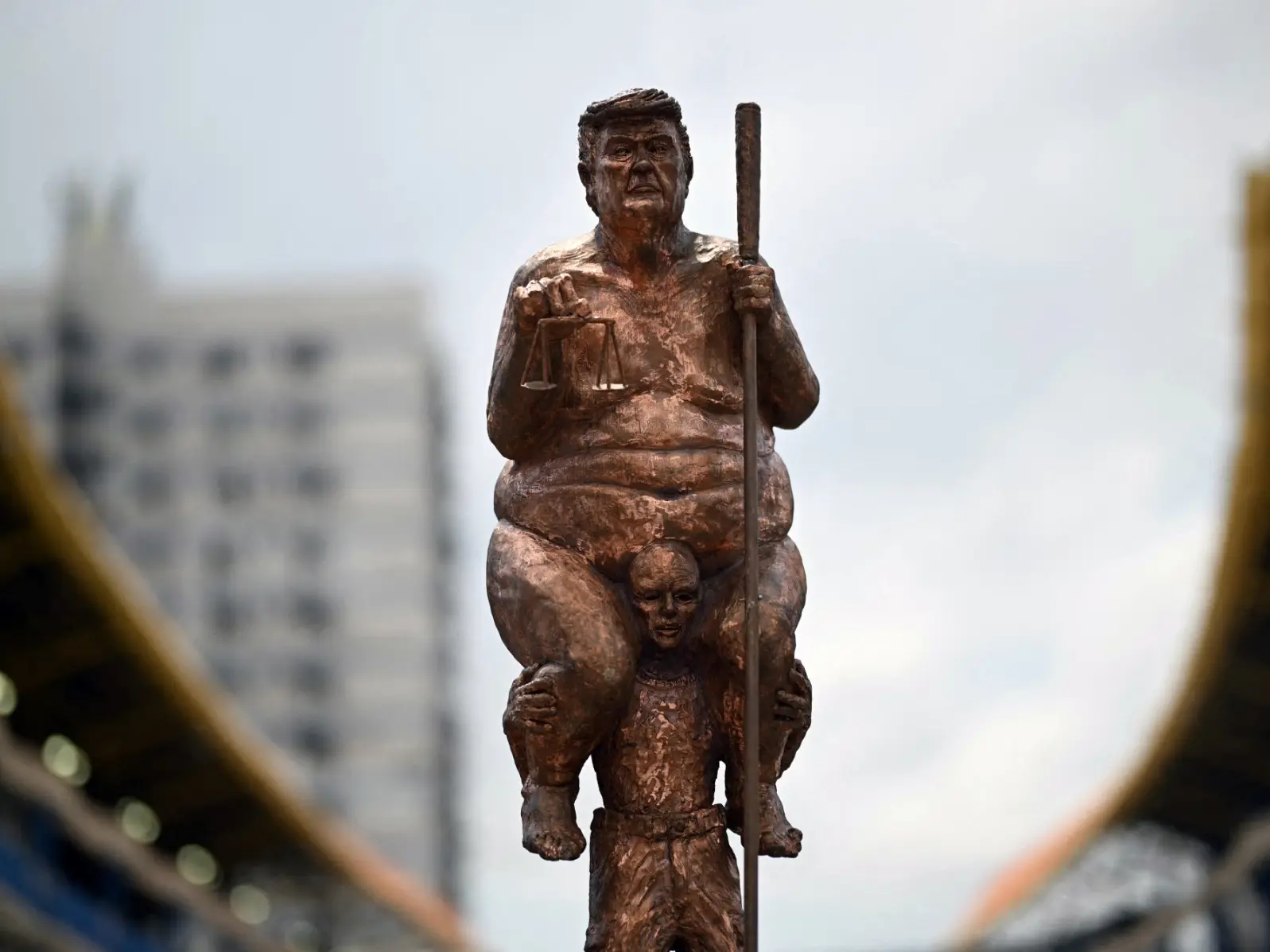&imwidth=280&imheight=210&format=webp&quality=medium)
&imwidth=280&imheight=210&format=webp&quality=medium)
&imwidth=280&imheight=210&format=webp&quality=medium)
&imwidth=280&imheight=210&format=webp&quality=medium)
&imwidth=280&imheight=210&format=webp&quality=medium)
&imwidth=280&imheight=210&format=webp&quality=medium)
&imwidth=280&imheight=210&format=webp&quality=medium)
&imwidth=280&imheight=210&format=webp&quality=medium)
&imwidth=280&imheight=210&format=webp&quality=medium)
&imwidth=280&imheight=210&format=webp&quality=medium)
&imwidth=280&imheight=210&format=webp&quality=medium)
&imwidth=280&imheight=210&format=webp&quality=medium)
&imwidth=280&imheight=210&format=webp&quality=medium)
&imwidth=280&imheight=210&format=webp&quality=medium)
&imwidth=280&imheight=210&format=webp&quality=medium)
&imwidth=280&imheight=210&format=webp&quality=medium)
&im=FitAndFill=(700,400)&imwidth=280&imheight=210&format=webp&quality=medium)
&imwidth=280&imheight=210&format=webp&quality=medium)
&imwidth=280&imheight=210&format=webp&quality=medium)
&imwidth=280&imheight=210&format=webp&quality=medium)
&imwidth=280&imheight=210&format=webp&quality=medium)
&imwidth=280&imheight=210&format=webp&quality=medium)
&imwidth=280&imheight=210&format=webp&quality=medium)
&imwidth=280&imheight=210&format=webp&quality=medium)
&imwidth=280&imheight=210&format=webp&quality=medium)
&imwidth=280&imheight=210&format=webp&quality=medium)
&imwidth=280&imheight=210&format=webp&quality=medium)
&imwidth=280&imheight=210&format=webp&quality=medium)
&im=FitAndFill=(700,400)&imwidth=280&imheight=210&format=webp&quality=medium)
&imwidth=280&imheight=210&format=webp&quality=medium)
&imwidth=280&imheight=210&format=webp&quality=medium)
&imwidth=280&imheight=210&format=webp&quality=medium)
&imwidth=280&imheight=210&format=webp&quality=medium)
Eight wars and a Nobel ambition
Trump insists his diplomatic record is unprecedented.
He has repeatedly credited his administration with resolving international disputes, facilitating agreements and preventing conflicts from escalating.
His supporters point to negotiations involving countries such as Cambodia and Thailand, the Democratic Republic of Congo and Rwanda, and diplomatic initiatives in the Middle East.
These efforts deserve examination on their individual merits.
But claiming to have settled eight wars raises a different question: what constitutes a successfully resolved conflict?
Fighting has resurfaced in some regions where Trump claims diplomatic success.
Russia's war in Ukraine continues despite his earlier promises of a swift settlement.
And the conflict involving Iran has disrupted international energy supplies, complicated regional security and raised questions about Washington's broader foreign policy objectives.
Diplomatic engagement is important. So are ceasefires.
But neither automatically guarantees lasting peace.
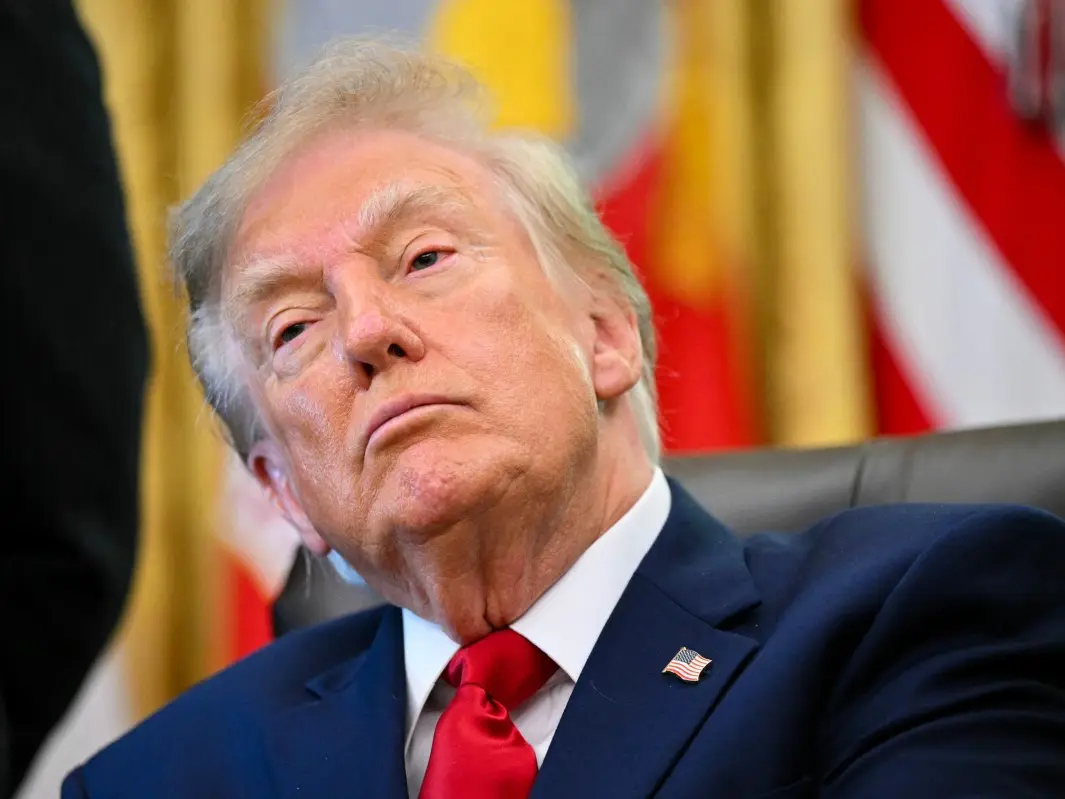
‘I can do whatever I want’
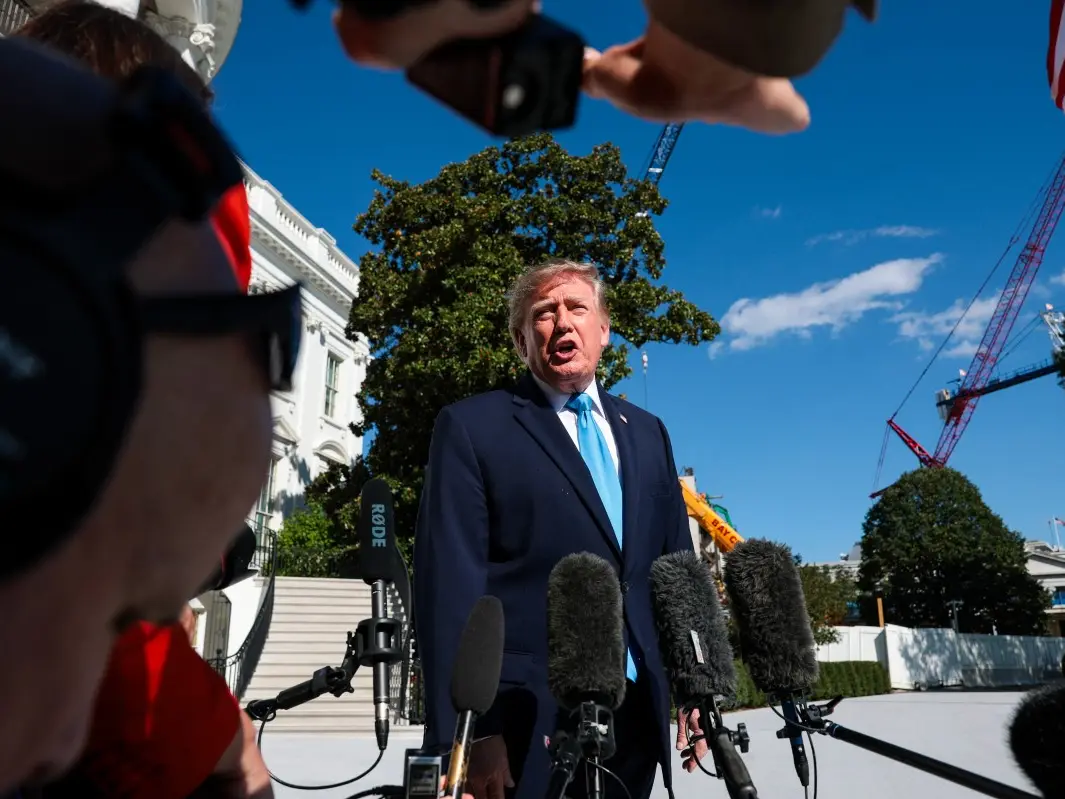
Perhaps the most striking contrast emerged during Trump's remarks on October 7.
Asked about the possibility of another impeachment if Democrats gain control of Congress, the president turned to his political opponents.
He suggested he could have taken action against Hillary Clinton, Joe Biden and Barack Obama but had refrained because he believed the presidency should be treated with respect.
Then came the extraordinary declaration: ‘I can do whatever I want, if I want.’
Trump linked the remark to his two previous impeachments.
He was impeached twice by the House of Representatives during his first presidency and acquitted twice by the Senate.
His latest comments raise a broader constitutional question about the limits of presidential authority.
American presidents possess substantial executive powers, particularly in foreign policy and national security.
But those powers remain subject to constitutional constraints, judicial review and congressional oversight.
The distinction between political authority and personal discretion is fundamental to the American constitutional system.
And it becomes particularly important when a president discusses possible action against political rivals.
The divisions within MAGA
Trump's foreign policy has also exposed disagreements within his own political movement.
The America First message resonated with supporters who wanted Washington to reduce its involvement in prolonged overseas conflicts.
Trump repeatedly criticised previous administrations for costly military interventions and promised a different approach.
But the continuing confrontation with Iran has complicated that narrative.
Some prominent conservative commentators and MAGA-aligned figures have questioned the administration's military strategy, warning against another open-ended conflict in the Middle East.
Others argue that military pressure is necessary to protect American interests and deter adversaries.
These divisions do not establish that Trump has lost the support of his political base.
They do, however, reveal competing interpretations of what America First should mean.
Is it a commitment to military restraint?
Or does it permit forceful intervention when the administration considers American security threatened?
That debate is becoming increasingly difficult to separate from Trump's wider foreign policy record.
Peace cannot be measured by declarations alone
There is no universally accepted formula for measuring diplomatic success.
A negotiated ceasefire can save lives even when it fails to produce a permanent settlement.
An agreement that reduces tensions may represent meaningful progress without ending a conflict entirely.
Equally, renewed hostilities can expose the limitations of agreements celebrated prematurely.
That distinction matters when evaluating Trump's claims.
His administration has participated in diplomatic initiatives that supporters regard as significant achievements.
Critics argue that some of those accomplishments have been overstated, particularly where violence has continued or the United States played a more limited role than the president suggests.
The Nobel Committee will make its decision independently.
And the award is not determined by how frequently a political leader claims to deserve it.
The presidency, power and the pursuit of recognition
Trump's Nobel ambitions and his latest comments about presidential authority have brought two separate debates into focus.
One concerns America's contribution to international peace.
The other concerns the limits of power within the United States itself.
Both deserve scrutiny.
A president can pursue diplomatic recognition while exercising substantial military authority. Those objectives are not inherently contradictory.
But claims of peacemaking must be assessed against outcomes, just as claims of executive power must be assessed against constitutional limits.
Ultimately, the important question extends beyond whether Donald Trump receives the Nobel Peace Prize.
It is whether the diplomatic agreements he celebrates can produce lasting security, whether America's military commitments align with his promises, and whether presidential authority continues to operate within established constitutional boundaries.
The Nobel Peace Prize recognises contributions to peace.
It does not confer unlimited presidential authority.
And those are two very different things.