Driving in India: An invisible order

Mumbai air remains in 'very poor' category, AQI level worse than Delhi
Western people think roads in India are just insane jungles. Well they're not totally wrong, but under the chaos are lessons worth emulating
First time travellers toIndiaenter acab from the airportand almost immediately are positive they will die.
Westerners need human-made rules, and on Indian roadsthings just are what they are. Being ina place where every aspect oflife operates according to such a differentunderlying schema can beshocking, especially when in a zooming car. But switching betweenthese two worldsis the realshock. The two worlds go something like this.
The West presupposes that society needs codified rules everyone follows. It'sOK, but the rulesrather than general order endup becoming theirown goal. This explains whyWestern driver's sometimes (always)freakout at the slightest road infraction, even if it has no impact on their life. Driversfrom my hometown Toronto scream if another car'swheel accidentally crossesa painted line. Paint on an Indian road islike paint anywhere else, purely decorative.

In India there is no need to create a set of rules when physics already hasgood and inescapable ones. Another way of putting it: The Westerner observes the laws of the road,while Indians are subject to the law of physics. I ask cab drivers if they feel bound to drive within their lanesand they smile at the adorable question.
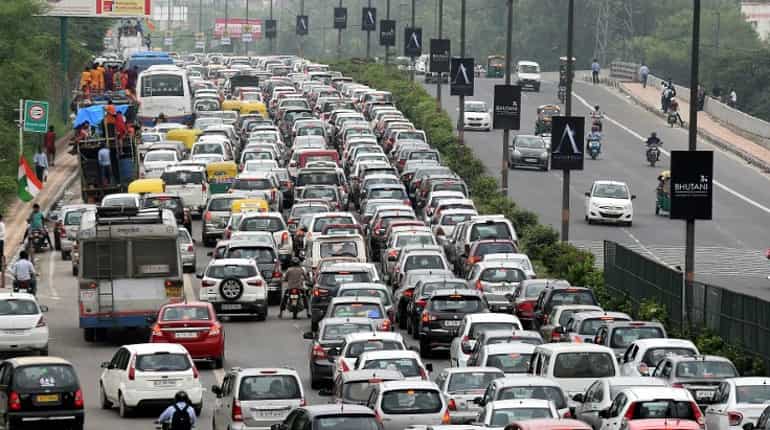
I half joke that North Americans drive on the right side of the road, Europeans on the left, and Indians on both. If an Indian can go forward, they go. Isn’t the point of driving to drive? India isa vast countrywith everything on Earth in it somewhere, except forstop signs. It's less reckless than it sounds, though.
Indians are incredibleat gauging space. Maybe because they need to be, they're more in tunewith what'sphysicallyaround them.North Americans havewide generous lanes, and often feel uncomfortable driving without a foot or twoof clearance on either side. Indians need one inch. Even when backing up into a spot or negotiating tight traffic, there doesn't seem to be enough room, but there always is. Barely, but always.I joke that Indiawould be stuck in hopeless gridlock if the country was acentimetre smaller.
)
US vs China over South China Sea: Washington backs Philippines, Beijing hits back
)
Bigg Boss 20: Isha Rikhi evicted after three weeks in Salman Khan’s show
)
Musk plans to more than double xAI's chips to over 1.2 million Nvidia GPUs by year-end
)
After JU, clash erupts at SRFTI: BJP’s ‘Dimagi Naxal’ jibe sparks political firestorm after students protest RSS-linked event
)
‘Anti-social elements spreading false rumours’: LPU issues statement amid massive unrest over alleged rape
)
LPU students go on rampage, vandalise campus amid widespread protest: What's happening
)
Trump asked Xi to pressure Iran. China did not say yes — here’s what Beijing wants
)
US Treasury Secretary Scott Bessent hails global crackdown on Iranian banks and airlines
)
An OpenAI agent escaped its locked test cage again, by hiding questions in DNS lookups
)
'Our video was trimmed': LPU girls who featured in rape-denial video make U-turn
)
3 males killed, four others injured in shooting after fight at strip club in Detroit
)
'Victory for low-budget consumers': Raghav Chadha hails 30-day telecom recharge rules
)
Claude rebuilt the 1989 game 'Prince of Persia' by reusing the original's own code
)
Beyond metros: How Tier-2 and Tier-3 cities could drive India’s next AI wave
)
Tesla builds first Cybertruck with its own refined lithium: Elon Musk's $1 billion Texas bet pays off
)
IndiGo flight suffers tail strike in Bengaluru while landing; DGCA to probe incident
)
The US and China set up an AI 'red telephone', but skipped the rulebook
)
‘Terror suspects arrested near UK air base were looking to do big damage’: Trump
)
Russian envoy claims US tactics to contain India were revealed in ‘Freudian slip’
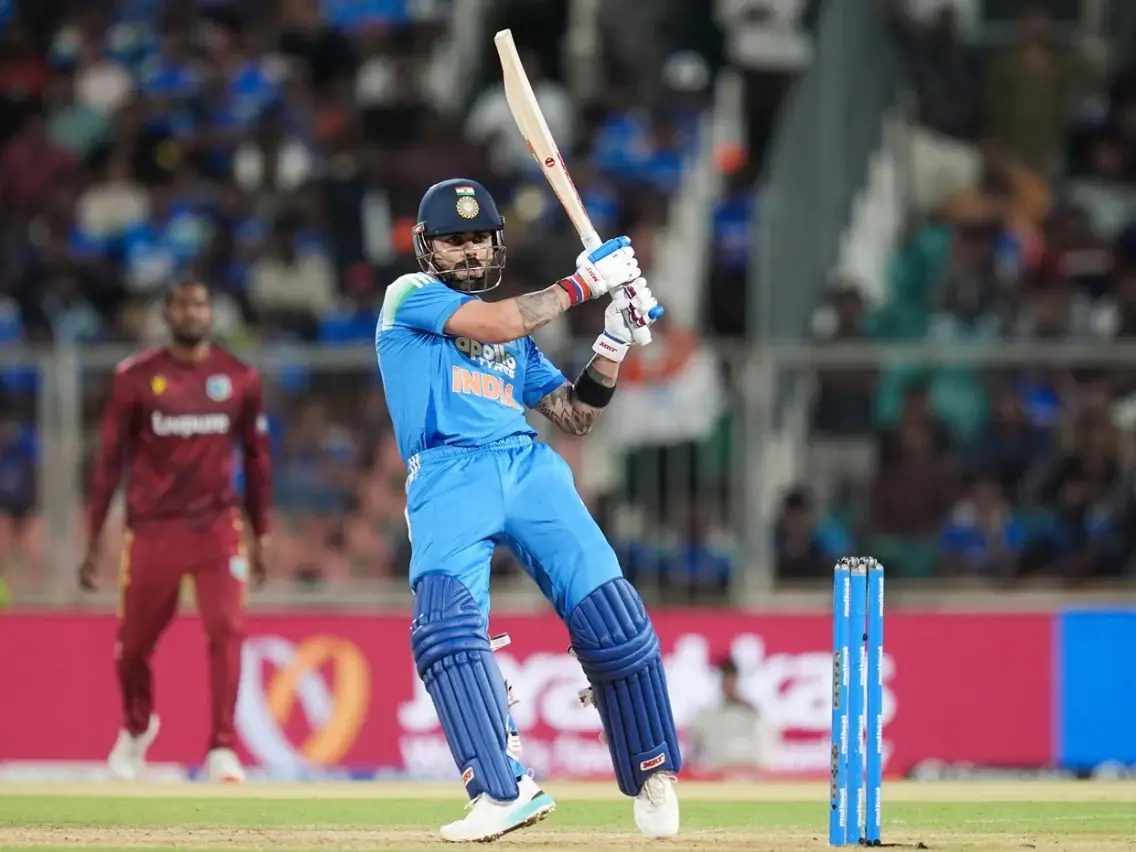)
IND vs WI 1st ODI: Kohli breaks Sachin's most runs in one country record with unbeaten 139 as India thump West Indies by 8 wickets
)
Researchers rebuilt exactly how 700 AI agents hacked Hugging Face: a 900-link chain trick
)
‘Olympic inclusion is our major target’: WPA President Ishaun Singh on pool’s global ambitions
)
Nations League: Spain sink England at Wembley; Modric shines for Croatia
)
Why has Iran released no proof of life of Mojtaba Khamenei? Araghchi reveals...
)
'What kind of confession is this?': Pakistan PM Shehbaz Sharif’s 'terrorists would be roaming New York' remark goes viral, raises alarm online. Watch
)
South Korea demands apology from Ukraine over North Korean prisoners' transfer
)
Beyond BrahMos: India targets Rs 50,000 crore in defence exports with unmatched price edge
)
Sri Lankan Tamil migrant worker gets death sentence in Saudi Arabia, help sought from India
)
Muslim marriage cannot shield sex with minor wife from prosecution under POCSO: Delhi HC
)
'Can't help but draw painful parallels to Nirbhaya case': SC on latest incidents of rape cases in Delhi-NCR
)
99.9% more powerful - Scientists find boy who can recall memories from just 3 months of age
)
'FIRST LOOK from inside Noah’s Ark': Researchers share video from inside mysterious mound in Turkey
)
UNSC reform momentum grows: Russia, Portugal, Mauritius push for India's permanent seat bid
)
8 US marines injured in Iranian missile attack on vessel in Strait of Hormuz: Report
&im=FitAndFill=(700,400))
New OTT releases this week (September 28-October 4, 2026): Dupahiya 2, Pooja Meri Jaan, Ohh My Dog- 5 titles coming on Netflix, Prime Video and more
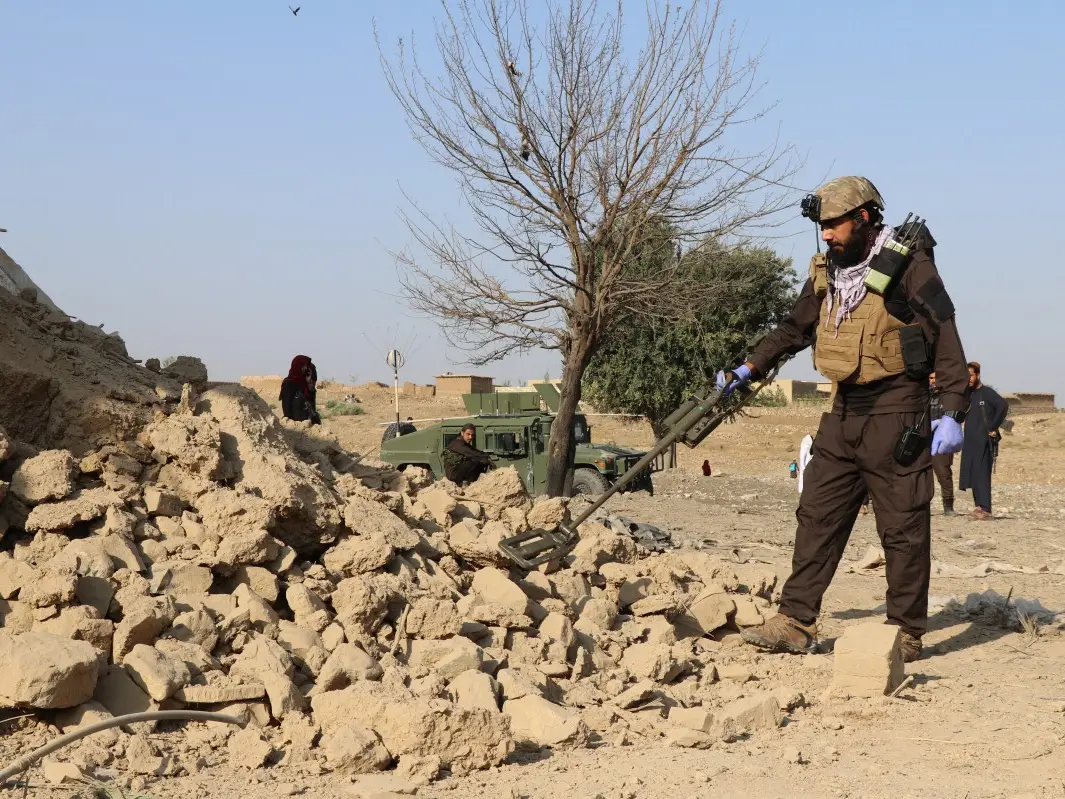)
Afghanistan says 28 fighters killed in clash near Pakistan border, Islamabad denies
)
Ceuta migrant crisis: Protesters take to streets as Spain grapples with migrant challenge
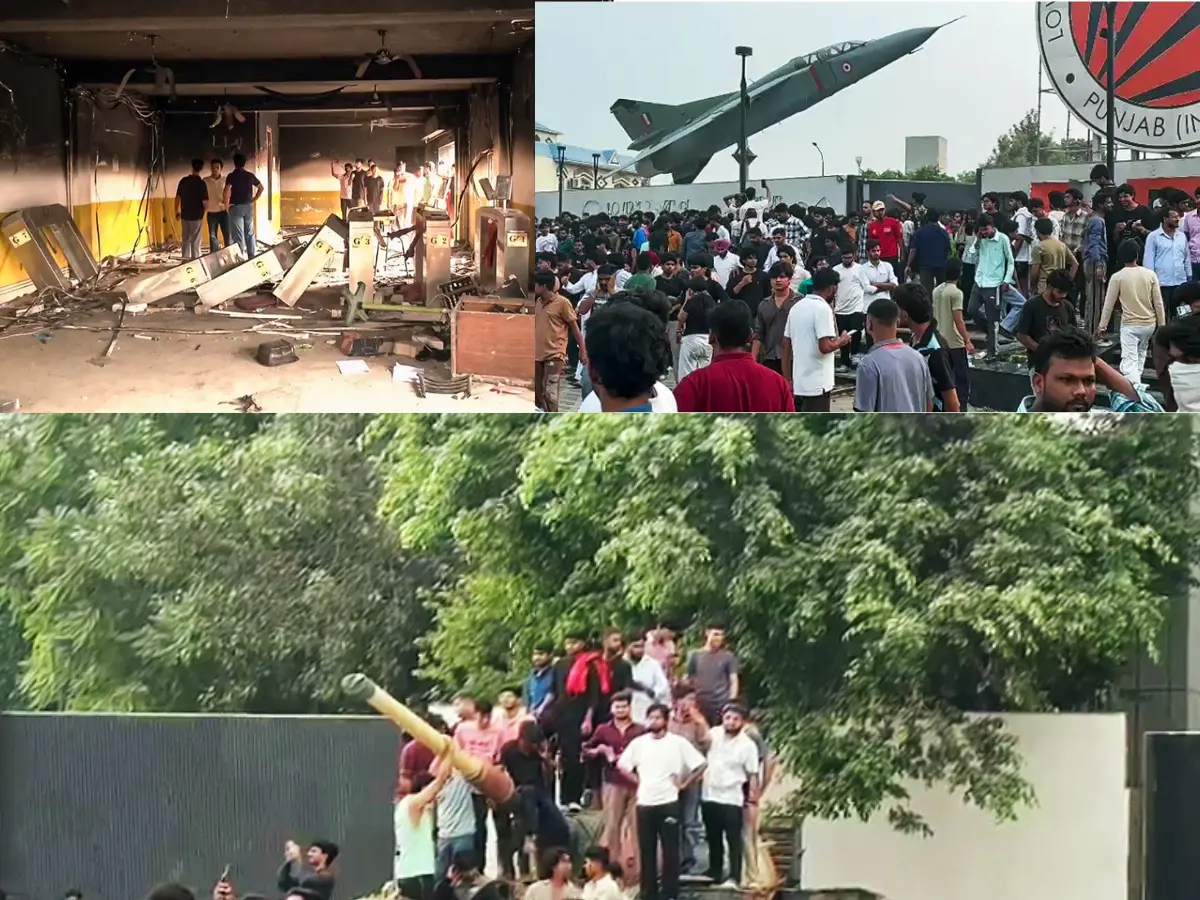)
LPU suspend classes, postpones exams as violence escalates over rape claims: What's happening
)
New York City wants a 'kill switch' on every AI, and will pay whistleblowers who report violations
Whereas Western driver'ssafety and comfort derives fromtheir expectation that others will follow The Rules, Indian motorists trust their fellow drivers are competent. While this is simple to understand it requires time to really get. In lieu of rules, Indian driversappear to have developed a hive-mind linking them to all other drivers. Like the Borg. A friend in Delhi, mimicking an unspoken conversation he has with allnearby drivers, put it this way: “I don’t know you, you don’t know me, but come…let’s pull a maneuver!” This everyday telepathy somehow works, even when the road is shared not with fellow driversbutcows.
I can see a Western person reading this, shaking their head.If you’re from a place where the prevailing order on the road is very formalised and laid out, the apparent absence of any system governing driving(which after all does kill manypeople every day) seems understandably scary. But there isn't nothing;the lack of a formal system to governthe roadgives rise toan informal one.
Indian'tknow there are no rulesandthey driveaccordingly. They slow down if needed.Roads have their own groove. Indians, with their incrediblespatial awareness,made a shocking discovery, that actually two cars can be stuffed into one lane, or five cars into two, etc. Lanes seem to shrink and swell here when needed. Cars get close enough to kiss, anddrivers don’t flinch, as if every vehicle is protected by a force field.
In the way more protectivepaddingmakes ice hockey possibly more rather thanless dangerous(because players who wrongly feel they’re indestructible resort to violent savagery), the lack of rules and safety infrastructure may makeIndian drivers feel more vulnerable, anddrive more cautiously.Once the vibe of Indian roads is feltand not merely grasped,they can be beautiful to watch! Cars here dance and weave with a fluency yellow dashes on Western roads prevent.
The Westsmugly thinks that not only is its own system superiorbut that India has no system at all.The Westbelieves life will fall apartwithoutrules.Just like the Westbelievesthat the only thing keeping neighboursfrom murderingeach otheris the Bible's commandment not to,so it thinkseverydriver would alwayscrash and soon dieif not for its rules. The West is paranoid and cynical!
On the flip side, Indian roadsplace an affirmingfaith inother people's judgement and life-preserving instinct. Indians do value being alive, too! But to them danger means two cars colliding at a high speed, not a tire touching a painted line. Indians are gaugers of reality, not followers of a constructed reality. The Westernerobeys a system of rules not for their individual sake, but to know what everyone else will do. Indians simply avoid disasterand carry on with their life.
Once near Vasant KunjI saw a man descending publicstairstowards a sidewalk, andright below the very last step of this sidewalk was a gaping manhole. As if someone lefta trail of breadcrumbs meant to lead someonedirectly into the sewer.
If this wereToronto a committee would install pylons and warning signs, to preventlawsuits.Thensome idiot would fall in anyway and successfully sue the city. A committee would empowertax payer-fundedinspectors to prowlthe streets,carryingbigger pylons and signs. Rules breedrules,lawsuitsandbureaucracy.
So, what did this Delhi gentlemando upon reaching the final stair? He simplyavoidedwalking into asewerand continuedhis life.
Such is Indian driving.
(WION)