&imwidth=800&imheight=600&format=webp&quality=medium "What did the Indian Parliament panel ask Meta, Google, X and Snapchat? PM Modi's video removal, CJP protest, algorithm manipulation")
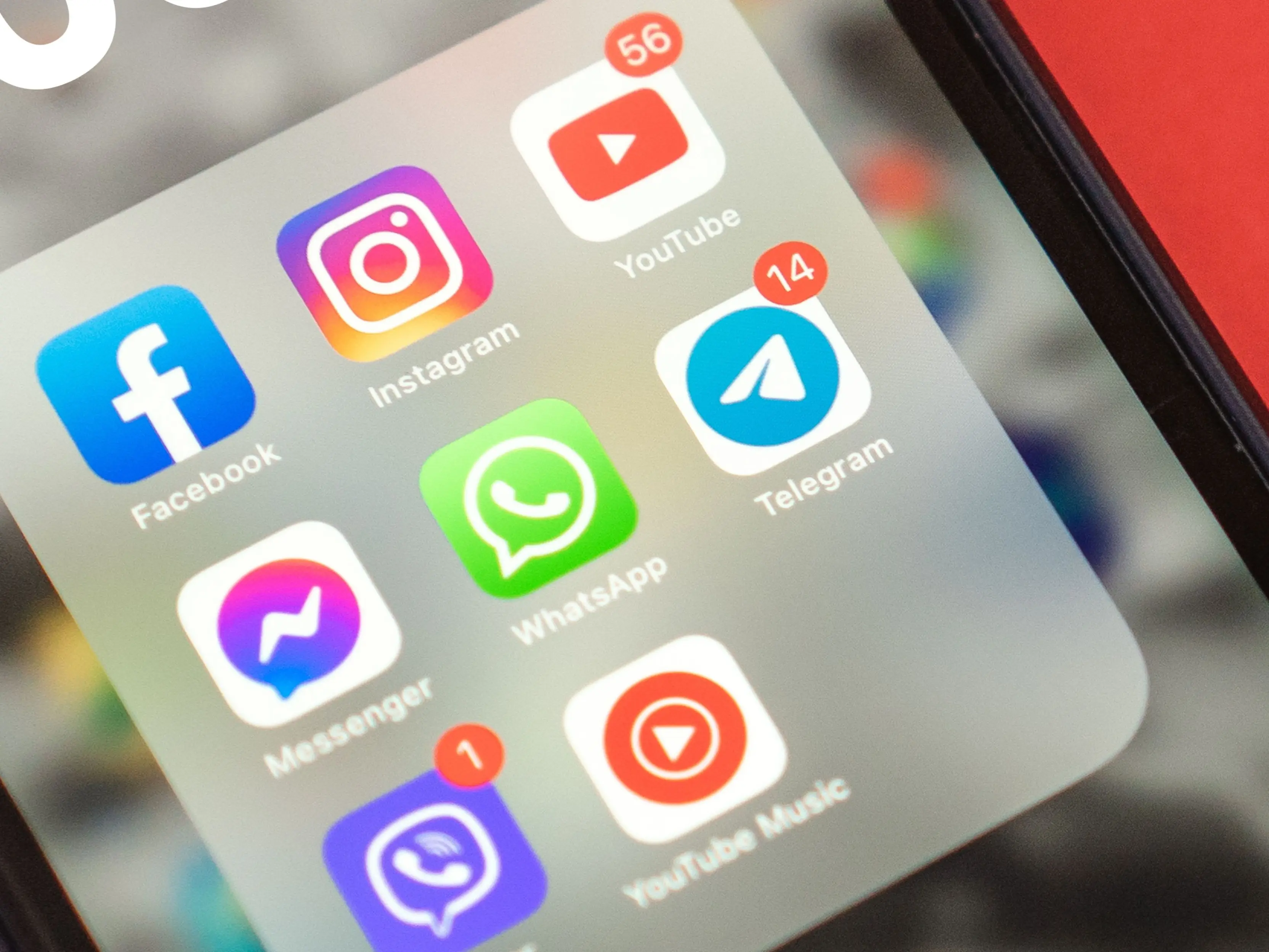
A powerful panel of the Indian Parliament asked some uncomfortable questions to representatives of some of the world's biggest social media companies. The context was the recent protests against exam paper leaks led by the Cockroach Janata Party (CJP), the removal of Prime Minister Narendra Modi's video, alleged algorithmic manipulation, and broader concerns about platform accountability. Representatives of Meta, the parent company of Facebook, Instagram and WhatsApp, as well as those from Google, YouTube, X and Snapchat attended the meeting. Here is what happened:
The Parliament committee was on regulating social and digital platforms
The Parliamentary Standing Committee on Communications and Information Technology was chaired by Bharatiya Janata Party (BJP) MP Nishikant Dubey. Its meeting was also attended by Union Home Secretary Govind Mohan, Ministry of Electronics and Information Technology (MeitY) Secretary S Krishnan, Information and Broadcasting Secretary Sanjay Jaju, and other senior officials. The subject of the meeting held on Monday (Aug 3) was "Social and Digital Platforms and Their Regulation".

The removal of PM Modi's video came up for discussion
The Prime Minister released a reel-style video on the night of 23 July addressing India's youth amid protests in Delhi and other cities over alleged examination paper leaks, including NEET-UG. The CJP-led agitation was demanding the resignation of Union Education Minister Dharmendra Pradhan, who eventually resigned. Modi's video was briefly restricted or removed on Facebook for around five hours, from approximately 12.30 am to 5.00 am. Meta attributed the incident to a technical error and restored the video. MeitY had earlier described the explanation as "inadequate".
Trending Stories
)
India ‘deeply concerned’ as Houthi strikes hit Saudi civilian & energy sites
)
Three labourers killed as DU student loses control of his car, rams into them on Dwarka Expressway
)
Pentagon revives mandatory testosterone testing for male troops aged 30 and above
)
FACT CHECK: Why did PM Modi ask Xi ‘is it okay’ at BRICS Summit? New video reveals...
)
India seeks to build a full semiconductor supply chain
)
North Korea's last nuclear test in 2017 set off 1,399 earthquakes over 8 years, each stronger than previous
&im=FitAndFill=(700,400))
From Abhishek Sharma to Sahil Chauhan, 5 batters with fastest T20I hundreds
)
Indian activist-lawyer Prashant Bhushan's post brings focus on ‘conflict of interest’ appointments of ex-govt officials at Reliance, Adani groups
)
US And Denmark reach Greenland deal, Trump announces expanded military presence
)
Former India player Diana Edulji wants Smriti Mandhana to replace Harman as skipper at the earliest
)
China may have gained access to US's classified F-35 jets; parts meant for repairs diverted to Hong Kong, sparking Pentagon inquiry
&im=FitAndFill=(700,400))
Meet top 5 batters in the latest ICC T20I Rankings
)
Godfather of AI Geoffrey Hinton gives US lawmakers a one-year warning on AI
)
US F-16 fighter jet crashes in Michigan during training mission, pilot ejects safely
)
Shivakumar attends 79th Kalyana Karnataka Utsav in Kalaburagi
)
Trump signs Russia sanctions law: India faces fresh 100% tariff threat over Russian oil
)
Why Ranveer Singh’s Dhurandhar missed India’s Oscar entry; FFI jury member reveals what happened
)
Hong Kong extends newborn cash support scheme by three years
)
‘Will go to any extent’: Pakistan vows to defend Saudi Arabia amid Houthi attacks
)
'He will always be ahead': India coach Gambhir says Sooryavanshi won't walk into team ahead of Samson
)
The Verdict | When precision fails: US commits war crime in Minab school strike, UN finds
)
Trump signs Russia sanctions bill into law, targets Moscow’s energy sector
&im=FitAndFill=(700,400))
New Friday OTT releases (September 18, 2026): Lust Stories 3, You+Me, Best of the Best- 8 new titles coming on Netflix, Prime Video and more
&im=FitAndFill=(700,400))
Which country has the most F-35s outside America?
)
Africa is splitting, and a lot sooner than estimated, giving way to a new ocean
)
'Gangsta' crab shoves knife blade at man and his dog in Florida - Watch
)
Trump bans CNN, MS NOW and Politico from White House over ‘FAKE NEWS’
)
Trump 2.0: Dark days ahead for America’s ‘imperial presidency’
)
Laura Wolvaardt sets new world record for most WT20I runs in a year
)
Trump's Greenland dream comes true? POTUS announces 'Infinite Life' deal with Denmark, claims permanent US control
)
Drone strikes cooling tower at Russia's Kursk Nuclear Plant, IAEA confirms
)
Who is Khalilur Rahman? All you need to know about 81st UN General Assembly President
&im=FitAndFill=(700,400))
Meet top 5 bowlers in latest ICC T20I rankings
)
Cristiano Ronaldo returns to Portugal squad for Nations League under new coach
&im=FitAndFill=(700,400))
Meet top 5 Indian batters with fastest T20I centuries
)
Ukraine plans record $109 bn defence spending, nearly two thirds of budget amid Russia war
At the Parliament committee hearing, members pressed Meta to fix responsibility beyond a company-level apology, according to media reports. The company was asked as to who authorised the removal of the PM's video and how such an error could occur with official content from the Prime Minister's office.
The underlying question was whether this represented a serious systems failure, a flaw in Meta's moderation processes, or a deliberate act that resulted in the Prime Minister's official communication being taken down.
Meta representatives expressed regret and indicated their readiness to apologise. Dubey sought a personal apology from Meta Chief Executive Officer Mark Zuckerberg. If the CEO does not apologise, Meta's safe harbour protection under Section 79 of India's Information Technology Act, 2000 should be withdrawn, Dubey reportedly recommended. The panel also sought a written reply from Meta within 10 days.
Did tech giants amplify the viewership of CJP protest content?
Dubey noted that the CJP had exceptionally high social media viewership. According to some media reports cited, its content generated up to 27 billion views across platforms. The figure exceeded the combined reach of content from major political parties. An anti-reservation forum also reportedly generated around 7 billion views.
These figures were presented as possible evidence that the algorithms of social media platforms may be favouring newcomers, highly engaging content, or particular types of political material. Panel members sought an explanation of how such content achieved such extraordinary reach and whether platform recommendation systems played a role. The broader issue was the role of social media platforms during the protests, including the spread of deepfakes, morphed images and misleading content targeting the prime minister and Union ministers.
Police cases have already been registered, and investigations are underway, in connection with some such content, including a case against Meta India's head in Hyderabad over allegedly objectionable posts.
Also read: Why did Meta remove PM Modi's Facebook video on paper leaks? Tech company blames 'technical error'
Is there algorithmic bias in the recommendation systems of social media?
The panel members questioned the platforms, particularly Meta, over alleged algorithmic bias.
Among the issues raised were why objectionable material, including pornography, child sexual abuse material (CSAM), deepfake scams and content targeting women, often remained available while an official communication from the prime minister was removed.
The tech giants were asked how their recommendation, ranking and amplification systems function, who oversees them, what safeguards exist against bias, and how content moderation decisions are reviewed.
They also faced questions on whether political or ideological bias exists in their content moderation systems and what responsibilities platforms bear in matters affecting public order, elections and national security.
Specifically, members questioned the capability of platform algorithms and artificial intelligence systems to detect deepfakes involving the Prime Minister and other public figures before they spread widely.
MeitY has already summoned Meta's global team to discuss algorithmic processes, potential bias and the company's responsibilities relating to public order and compliance with Indian law.
Foreign ownership of platforms and control over content
Another issue discussed was the foreign ownership of major technology platforms and the extent to which content moderation decisions affecting Indian users are made outside India. There has been growing criticism that these companies do not adequately comply with Indian law despite earning substantial revenues from the country. Their handling of unlawful content, including cyber fraud, online harassment of women and other illegal material, was criticised as inadequate.
Members also raised concerns that, in some instances, platforms had failed to respond promptly to official communications from Indian authorities, including the Ministry of Home Affairs and MeitY.
Are social media platforms merely intermediaries?
A key legal issue discussed was whether these platforms can continue to claim protection under the safe harbour provisions of Indian law. Under Section 79 of the Information Technology Act, intermediaries receive limited immunity from liability for user-generated content, provided they comply with prescribed legal obligations and due diligence requirements.
Some panel members argued that if platforms actively recommend, amplify, suppress or otherwise influence the visibility of content through algorithms, they cannot simply describe themselves as neutral intermediaries. Others maintained that the existing legal framework must be applied carefully to preserve free expression while ensuring accountability.
Opposition members on the panel stressed that criticism of the government should not automatically be treated as anti-national and that democratic space for dissent must remain protected.
However, the committee was largely unanimous on the need for stricter enforcement against unlawful content, greater transparency in content moderation and stronger accountability from social media platforms.