Didi's day OUT: Mamata Banerjee faces election reckoning as West Bengal opens doors to BJP after 15 years of TMC rule

&imwidth=600&imheight=450&format=webp&quality=medium "Didi's day OUT: Mamata Banerjee faces election reckoning as West Bengal opens doors to BJP after 15 years of TMC rule")
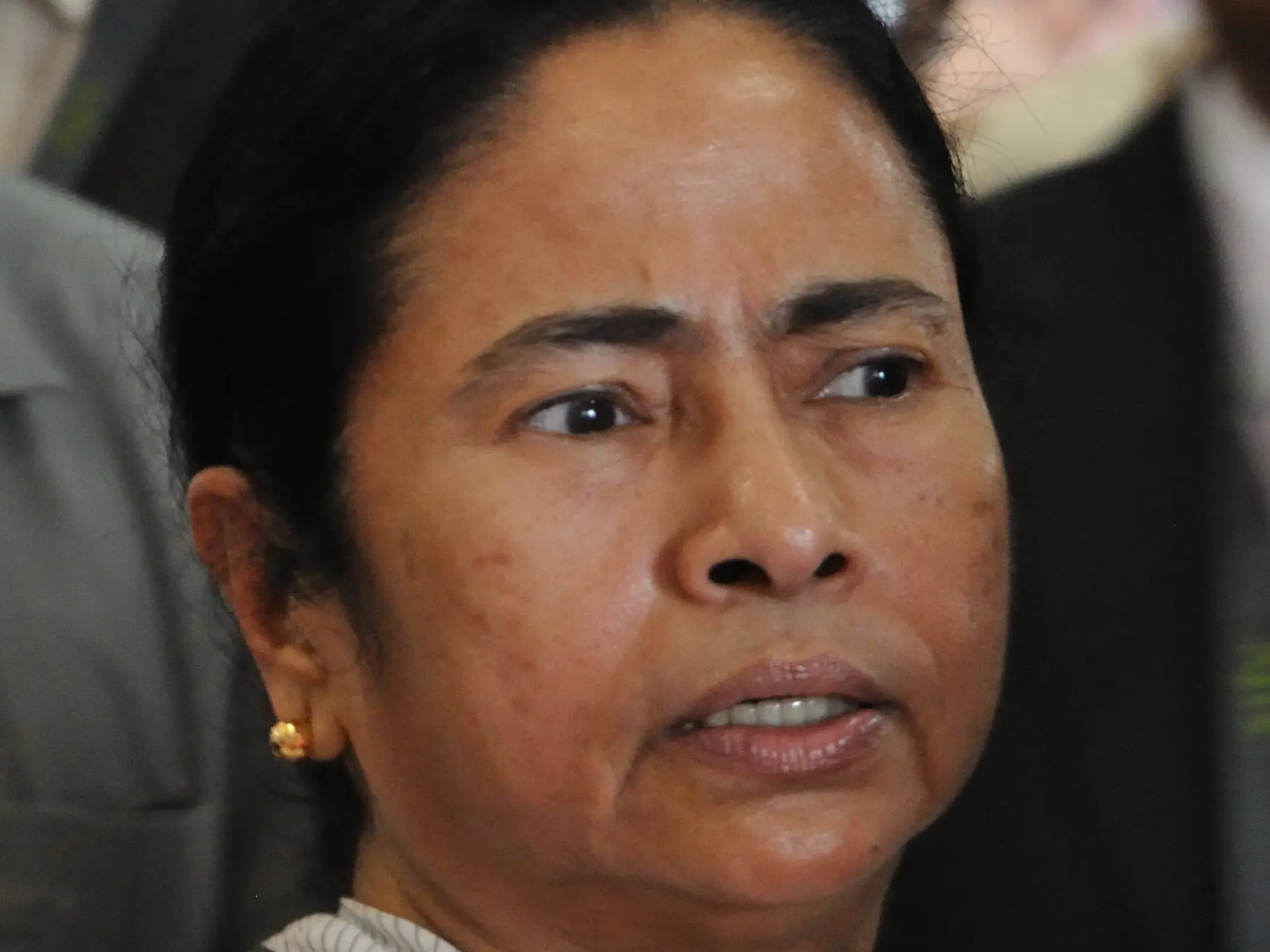
Mamata Banerjee faces election reckoning after 15 years as West Bengal Chief Minister Photograph: (Others)
BJP surged ahead in West Bengal, and Mamata Banerjee faces a major setback in the West Bengal Assembly election. The saffron party is poised to form its first-ever government in the east Indian state. How did TMC lose, and how did BJP win?
The BJP or Bharatiya Janata Party is poised to form its first-ever government in West Bengal, a prospect once thought impossible in the east Indian state known for its progressive politics that saw decades of Left Front rule followed by 15 years of Mamata Banerjee's All India Trinamool Congress at the helm. At the time of writing this, official trends from India's Election Commission on Monday (May 4) showed BJP ahead in 194 seats, while Trinamool Congress or TMC is leading in only 94. Mamata Banerjee has been the state's chief minister since 2011, even as BJP slowly made dents in the electorate over the past decade. Here is how Mamata lost and BJP won:
A far cry from TMC's strong showing in 2021: How did Didi lose?
The 2026 assembly election results are a far cry from TMC's strong showing in 2021 of more than 210 seats. It's also a personal defeat for Banerjee, who led TMC from the front since its inception in 1998.
Today, it appears people wanted a change after giving three terms to TMC and Banerjee. After 15 years in power, anti-incumbency has been brewing against Banerjee, fondly called ‘Didi’ or elder sister in West Bengal.
Governance was not satisfactory as unemployment grew and people were left without enough economic opportunities. From rape cases to corruption scandals and alleged Bangladeshi infiltration, there were several unaddressed grievances against the government over the years. Alleged scams in school recruitment, where thousands of appointments were invalidated, highlighted the rot. The so-called "tolabazi", or extortion by local TMC workers who functioned like syndicates, made people fed up and look towards BJP as an alternative. The RG Kar rape-murder case of 2024 was a flashpoint, highlighting both law and order breakdown and women's safety issues. The weeks-long protest for justice for the rape victim exposed institutional cover-ups. The victim's mother, Ratna Debnath, contested on a BJP ticket in Panihati and was leading by a margin of more than 35,000 votes at the time of writing this.
Also read: West Bengal Election Results 2026: If BJP wins, who will be CM? Full list of top contenders
Trending Stories
)
)
)
&im=FitAndFill=(700,400))
)
)
)
)
)
)
)
)
)
)
)
)
)
)
)
)
)
)
&im=FitAndFill=(700,400))
&im=FitAndFill=(700,400))
)
&im=FitAndFill=(700,400))
)
)
BJP managed to capitalise on West Bengal voter dissatisfaction
BJP seems to have gained from such voter discontent, with a little bit of help from voter list amendments under the SIR, or Special Intensive Revision. The SIR resulted in massive deletions of names, including from minority areas. Some reports claimed the deletions ran into a million or more, and allegedly affected core vote banks of TMC. Banerjee and her party alleged bias by the Election Commission and voter suppression.
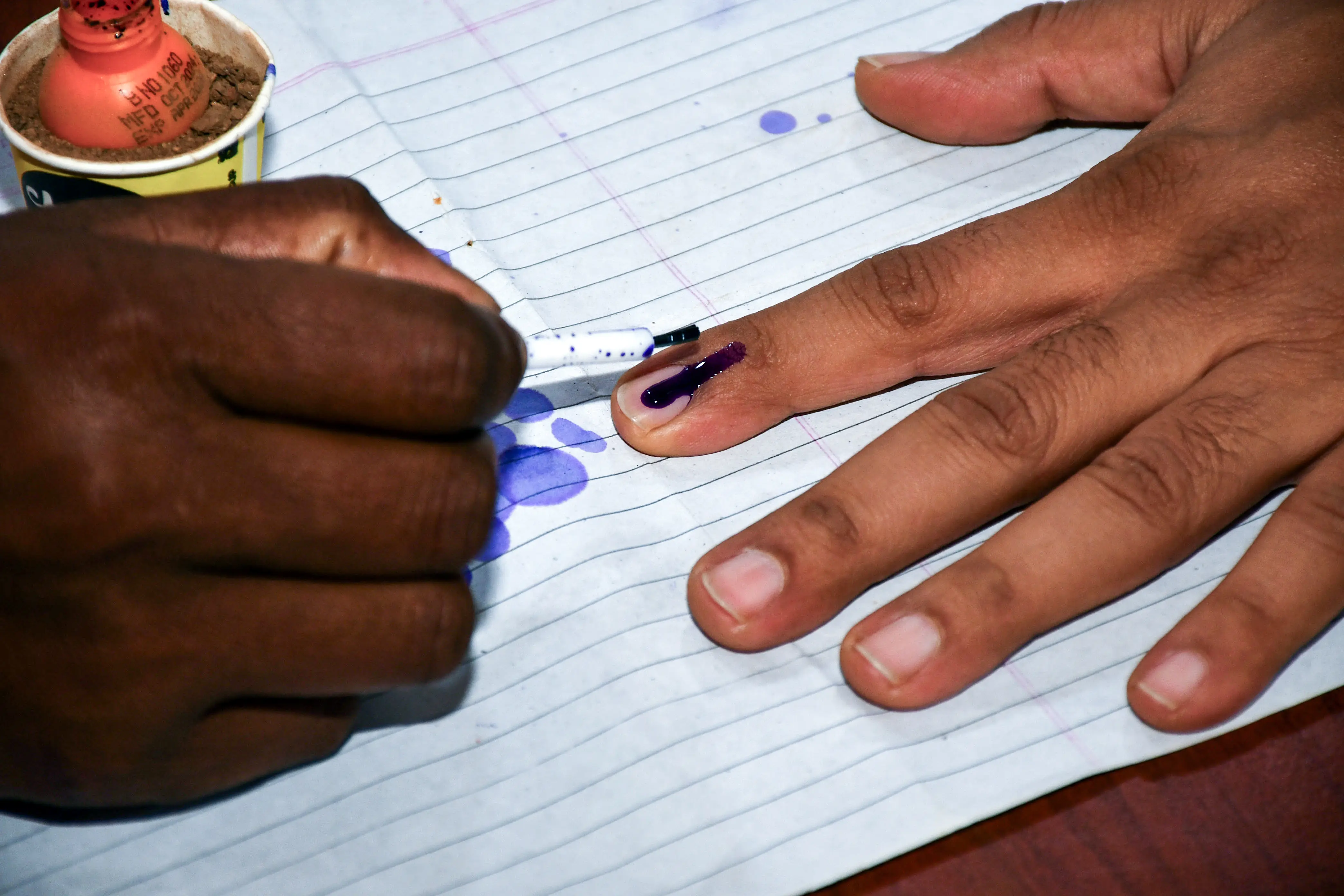
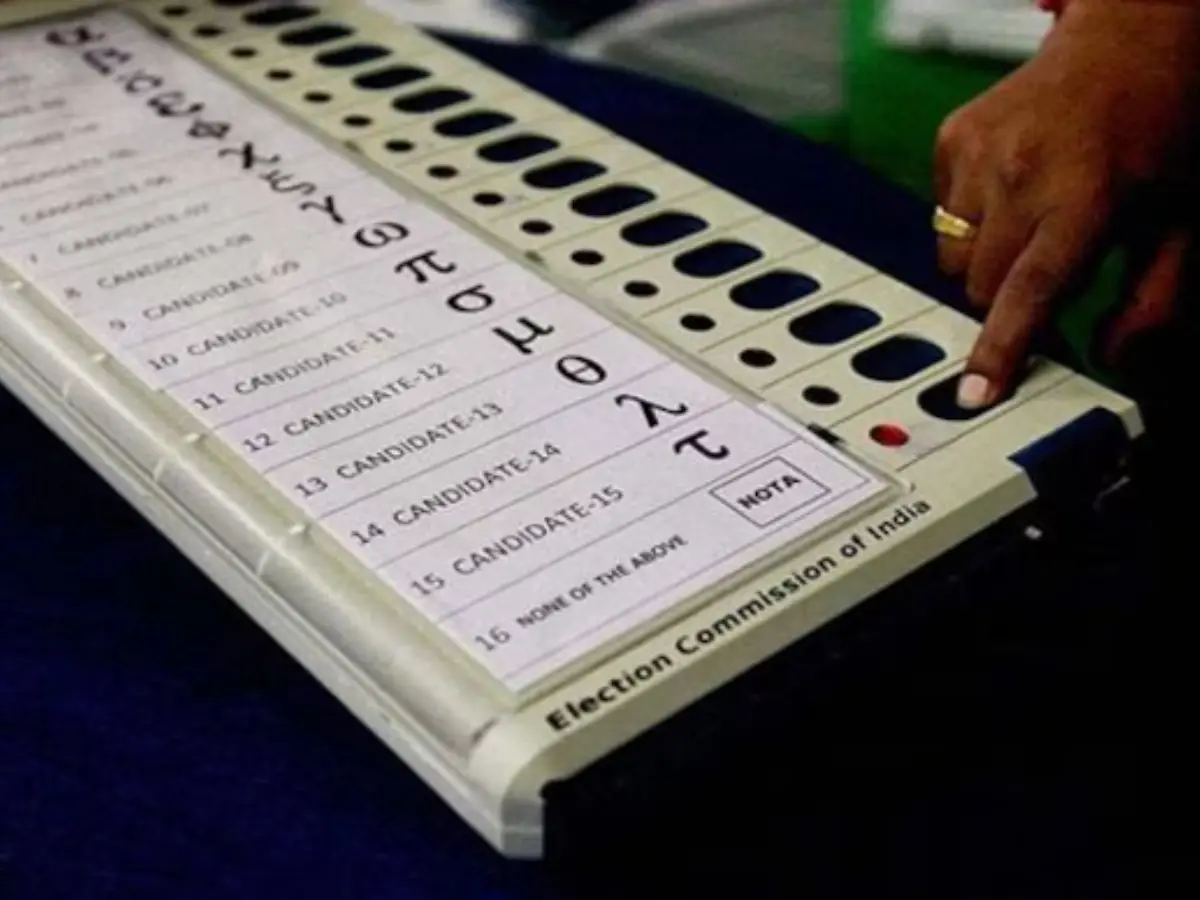
But BJP and the Election Commission stood their ground, saying the SIR only removed bogus voters and illegal entries. It should be noted that the West Bengal election saw the highest-ever turnout of up to 93 per cent in some areas, after the SIR.
The other aspect BJP highlighted throughout the campaign season was the perceived minority appeasement by the Mamata Banerjee government. BJP alleged that TMC was playing vote bank politics by allowing people from Bangladesh to 'infiltrate' into the state. The fear of such migration from the neighbouring Muslim-majority country helped consolidate Hindu community votes for BJP. Any minority consolidation for TMC could not offset that.
West Bengal takes a right turn in historic choice for ‘Poribortan’
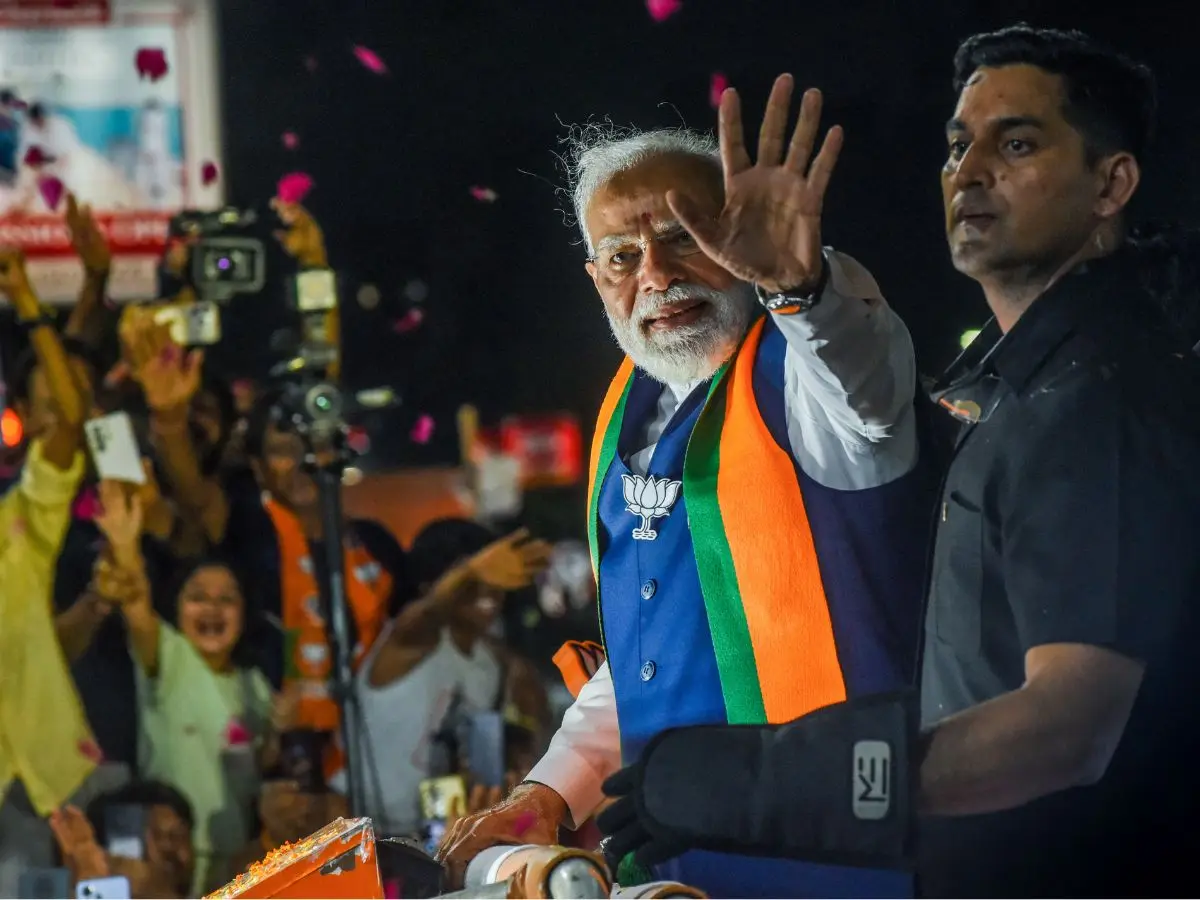
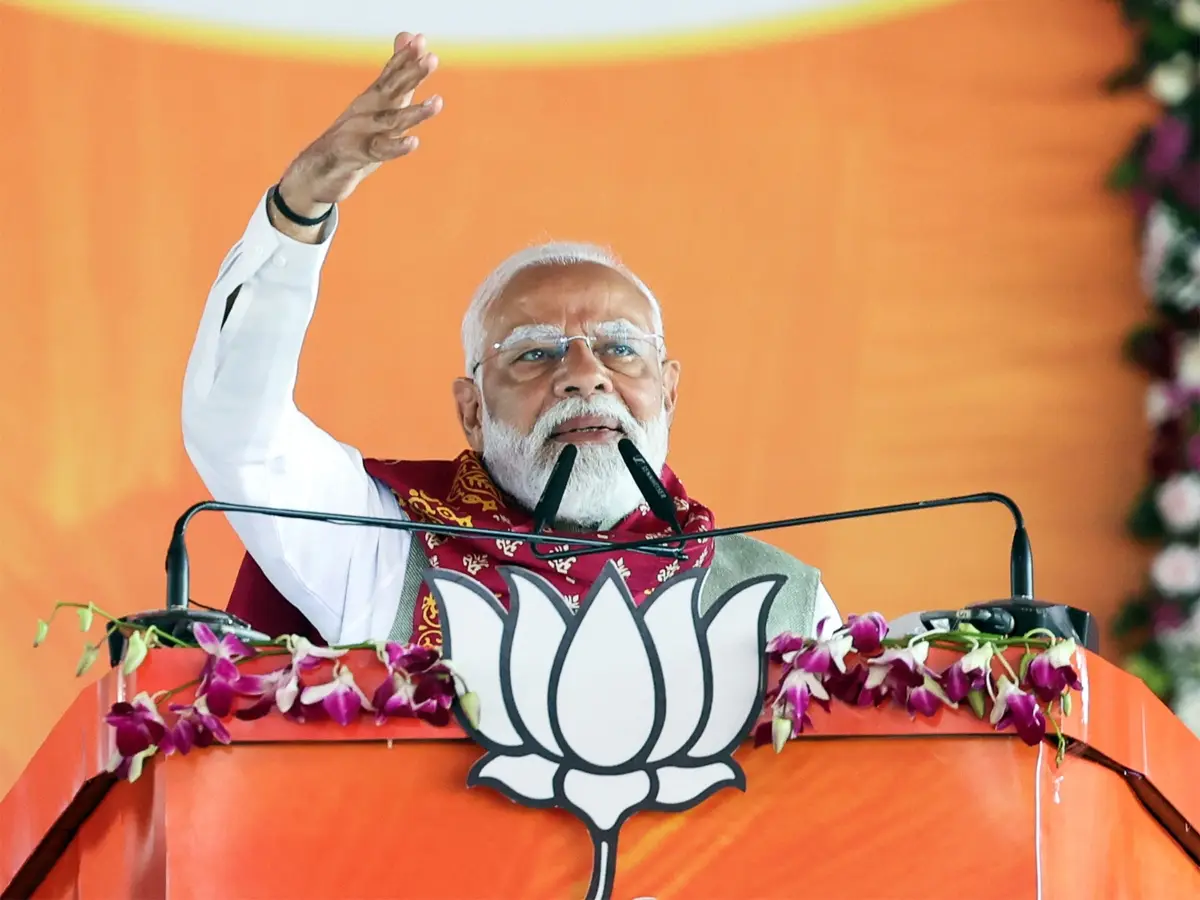
The violence during polling and the election campaign season, perceived economic woes in spite of welfare schemes like Lakshmir Bhandar, made people look for a change. As many youngsters were forced to migrate in search of economic opportunities, BJP led an aggressive campaign targeting them and the broader Bengali community. The speeches by Prime Minister Narendra Modi and other star campaigners put the lens sharply on Mamata Banerjee government's alleged failures.
The welfare schemes and Bengali regional identity politics of TMC appear to have failed too. The buzzword in this election was ‘Poribortan’, Bengali for change. The voters felt the need for change, and knew that the Left parties were already in shambles, leaving BJP as the only viable option capable of winning.
BJP played the cards of national security, illegal migration from Bangladesh, and Hindu interests, which was attractive for many Bengali Hindus.
BJP was simply better organised. Central forces were deployed in many areas, helping avert booth-level intimidation that had favoured incumbents in the past.
BJP's victory appears to have been uniform across rural and urban seats, including in urban Kolkata areas. With financial, infrastructural, and rhetorical backing from the central machinery of BJP, the saffron party has made this historic victory possible.
West Bengal is not easy: BJP has a task cut out for the future
During the election campaign, BJP made promises on jobs, development, and governance. It advocated industrial revival as opposed to the 'cholbe na' (won't happen) attitude of TMC and its predecessor, the Left Front.
Now, BJP has its task cut out: employment, women's safety, as well as ending the syndicate raj and corruption.
Since the elections were announced, TMC and Banerjee made several allegations of irregularities in both voter lists and counting. But clearly, the average Bengali appears to have voted for 'poribortan'.
In the past few years, West Bengal politics has been less about ideology and more about regional, caste, and minority-majority community dynamics. The state is no stranger to political violence. For the average Bengali, the transition from Left Front government to TMC meant only a transfer of syndicates, which used the same methods of intimidation of local populations.
Now it is up to the BJP to end the politics of violence and cycle of vendetta, and introduce governance focused on industrial revival and national security.