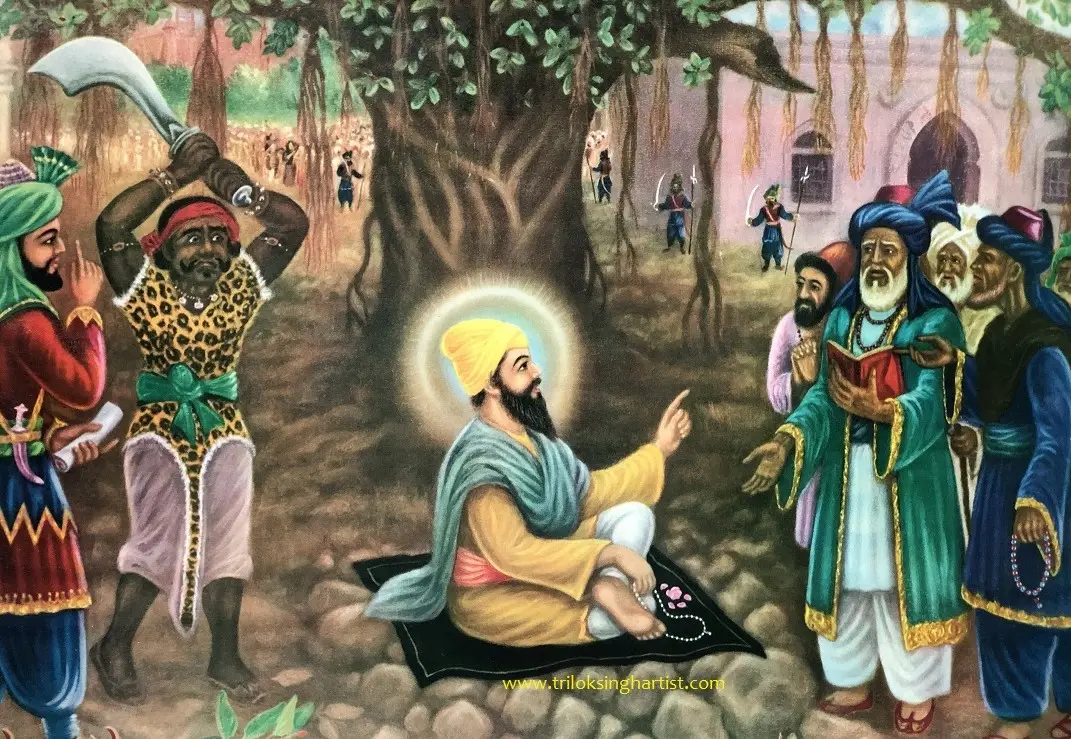
Veer Bal Diwas 2025: Remembering the courage and sacrifice of Guru Gobind Singh’s Sahibzadas

&imwidth=600&imheight=450&format=webp&quality=medium "Veer Bal Diwas 2025: Remembering the courage and sacrifice of Guru Gobind Singh’s Sahibzadas")
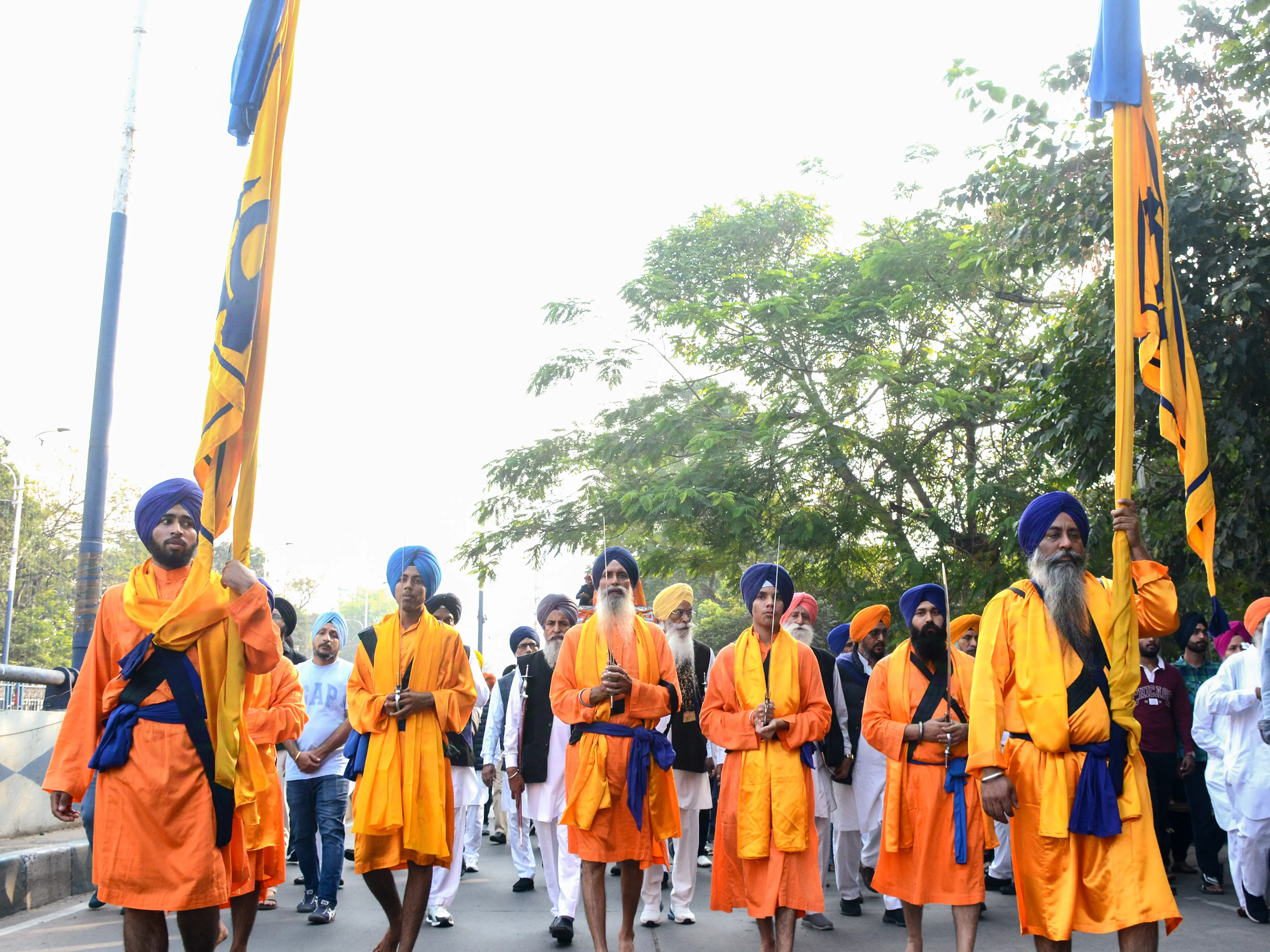
'Panj Pyare' or 'The Beloved Five' hold swords during a religious procession ahead of the Guru Govind Singh Jayanti, Photograph: (ANI)
Celebrate Veer Bal Diwas 2025 by honouring the martyrdom of Guru Gobind Singh’s two youngest sons, Zorawar Singh, and Fateh Singh. Learn about their heroic sacrifices, battles, and the legacy of the Khalsa.
Veer Baal Diwas is commemorated to honour the martyrdom of Baba Fateh Singh and Zorawar Singh, the Sahibzade of 10th Guru Govind Singh Ji, the last human guru of the Sikhs, who were bricked alive for their faith. It was one of the harrowing acts of cruelty and violence in the Mughal era. The Government of India, in 2022, declared December 26 as Veer Bal Diwas.
The context of the conflict
The Sikh religion was founded based on egalitarianism. Sikhs discarded the Hindu caste hierarchy and idol worship, the Islamic clergy and their ritualism, which were the most prominent in India during that period. So, since its founding, the Sikh religion had faced hostility from both Hindus and Muslims, but this was merely spiritual or ideological. Sikhs existed in relative peace alongside Hindu rulers and the Lodi Dynasty. However, at the beginning of the 17th century, the conflict started to take more political and religious shapes with the execution of Guru Arjun Dev in 1606, for refusing to alter his teachings and blessing the eldest son of Jahangir, Prince Khusrau, who later revolted against his father.
Guru Gobind Singh and the Khalsa
With the growing threat from the Muslim rulers at Delhi, Sikhs sought to defend their religious autonomy. By 1699, under Guru Govind Singh, they converted from a largely spiritual community to a disciplined, militarised one with the formation of the Khalsa. Aurangazeb perceived a political and ideological threat against the sikhs. Because Khalsa had absolute loyalty to their spiritual leader, not the Mughal emperor.
Armed resistance
Trending Stories
)
)
)
)
)
)
)
)
)
)
)
)
)
)
)
)
)
)
)
)
)
)
)
)
)
)
)
)
)
)
)
)
)
)
&im=FitAndFill=(700,400))
)
)
)
)
Guru Govind Singh rejected the Muslim authority, Jizya taxation, and forced conversion of Sikhs. This triggered Aurangazeb specifically after the execution of Guru Tegh Bahadur. He, along with other Hindu rulers, led the Battle of Anandpur against Guru Govind Singh. It is to be noted that Guru Gobind Singh refused to play the role of an aggressor and vowed never to strike except in self-defence. Despite being outnumbered, Guru Gobind Singh and his Sikhs defended Anandpur Shahib fort bravely. After months of siege, they were tricked by the Mughal-Hill Raja alliance into leaving the Anandpur Sahib fort.
Battle of Chamkur and martyrdom of the elder Sahibzadas
In 1705, 18-year-old Sahibzada Ajit Singh and 14-year-old Sahibzada Jujhar Singh were martyred in the battle against the Mughal forces while leaving the fort. As mentioned in Zafarnama, they embraced death at the battlefield while fighting a massive army, refusing to surrender. Guru Govind Singh mentioned in Zafarnam that he decided never to trust Aurangzeb again, as he had broken his vows over the Quran. Guru Govind Singh was then ordered by the Panj Pyare to flee, to keep the struggle and Sikh leadership alive against the Islamic oppression. He was assisted by his two muslim devotees, Nabi Khan and Ghani Khan.
Youngest martyr of history
The two youngest 9-year-old Sahibzada Zorawar Singh, 6-year-old Sahibzada Fateh Singh, were captured by the Mughals, and they were pressured to convert to Islam. The tyranny of the Mughal governor Wazir Khan of Sirhind faced the courage and resistance of the young Shaibzadas. They were imprisoned in an open tower known as the Thanda Burj (Cold tower) in the peak of winter, along with their Mata Gujri. Despite immense pressure, they remained steadfast and refused to abandon Sikhism. They were bricked alive by Wazir Khan in one of the cruellest episodes of communal violence in Indian history. Their grandmother, Mata Gujri, lost her life in freezing cold, hearing the death of her two grandchildren. 6-year-old Shahibzada Fateh Singh became the youngest martyr in history to sacrifice his life consciously for his ideals.
Most expensive pieces of land
After Sahibzada Zorawar Singh, Sahibzada Fateh Singh were executed, Wazir Khan demanded that if anyone wanted to cremate their body should purchase the land at an exorbitant price. Diwan Todar Mal, a merchant, paid 7800 gold coins for the land to get cremation rights following Sikh tradition. Thus making the land the most expensive land in history, both symbolically and literally. The place is now known as Gurdwara Fatehgarh Sahib, a major pilgrimage site for the Sikh tradition.