
&imwidth=800&imheight=600&format=webp&quality=medium "Supreme Court refuses ex parte order against CEC, seeks response from Election Commission")
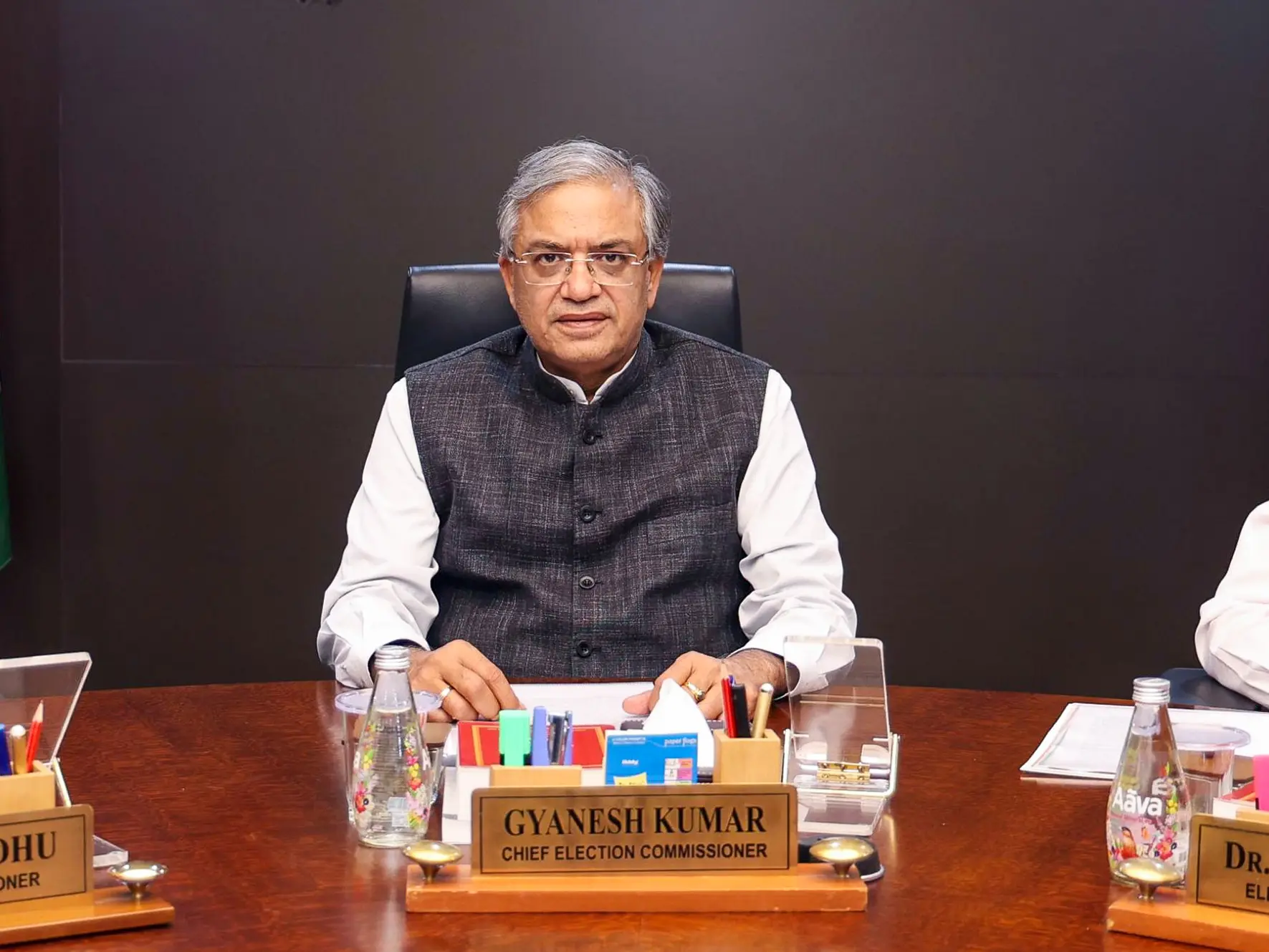
The Supreme Court on Monday (October 5) declined to approve an ex parte interim order to suspend Chief Election Commissioner Gyanesh Kumar over allegations related to his role in the Special Intensive Revision (SIR) of electoral rolls. In response, the court said it must first hear the Election Commission and others.
A three-judge bench comprising Chief Justice of India Surya Kant, along with Justices Joymalya Bagchi and V Mohana, issued notices to the Centre, Election Commission of India, CEC Gyanesh Kumar, Election Commissioners Sukhbir Singh Sandhu and Vivek Joshi, Deputy Election Commissioner Maneesh Garg and DG (IT) Seema Khanna. “Let's first have authenticated information on that. We can always annul any decision…,” observed the bench.
The petition cited a report alleging that 14 significant SIR-related decisions were under the authority of the ECI despite objections recorded by the two other Election Commissioners. Senior advocate Vikas Singh, representing one of the petitioners, Rakesh Kumar Singh, demanded immediate suspension of the CEC, arguing that these one-sided decisions posed a serious threat to the democratic electoral process.

Citing Section 18 of the Chief Election Commissioner and Other Election Commissioners Act, Singh argued that decisions made by the ECI must either be unanimous or, in the absence of consensus, determined by majority vote. When Singh pressed for the CEC's suspension, however, the bench raised concerns about whether such a move was practical, noting that it risked disrupting the poll panel's operations altogether. “Who will conduct the elections?” the bench asked.
In response, Singh said that the other two Election Commissioners could discharge the responsibilities. The bench noted that it would have to first examine the allegations after receiving responses from the respondents. CJI Kant felt that the statutory framework was necessary and said, “If there is any violation, we will undo.”
Justice Bagchi also questioned the possibility of granting such relief without hearing the ECI, noting that if the records ultimately showed that decisions were not unanimous, the court could proclaim them ultra vires. Further, the CJI directed that the court couldn't pass an order based on media reports only.

