Smelly foam near Indian coast is algal layer, no traces of pollution from shipwreck: Scientist

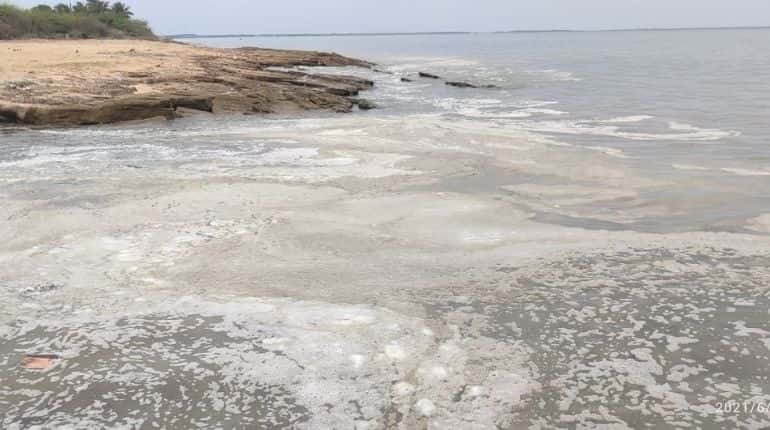
foul-smelling foam
The foul-smelling foam and sea-water appearing to be polluted along the Rameswaram coast is the result of an algal bloom owing to prevailing weather conditions, a senior Scientist confirmed to Zee Media. This confirmation comes at a time when there were apprehensions among sections of fishermen about the foam being caused by the sinking of a chemical-laden ship off Colombo, almost 240kms away.
Speaking to WION, Dr Jayakumar, Principal Scientist, Central Marine Fisheries Research Institute(CMFRI), Mandapam said that the foaming was a result of the southwest monsoon and the blooming of algae - Trichodesmium erythraeum.
Speaking of the weather-related factors, he said, “There is an increased nutrient level in the water, whereas wind action and the water current is low, but the water temperature is fairly high. The brown looking foam has been washing ashore, but it has subsided”.

When asked about the possibility of the chemicals from the sunken ship had reached the Southern Indian coast, he said that routine sample collection by their teams and the surveillance by Coast Guard, Navy did not indicate any such pollution travelling to or having reached the Indian side. He also added that the stretch of nearly 200kms between Nagapattinam and Ramanathapuram districts are being monitored by field staff.
Regarding the nature of chemicals and their ability to travel over 240km kilometres across the ocean, he said that nitric acid (reported to be one of the cargo)would dissolve in the seawater and would show an increased nitrate level. He added that only jelly and plastic materials tended to travel and drift with the current.
Mentioning the scenario on the Sri Lankan Coast, he said that the death of turtles, dolphins and plastic granules in fish gills was noticed. However, nothing of this kind was observed along the Indian coast, which they have been monitoring for over a month.
)
Trump-Xi Summit: Trade, Taiwan and the red lines shaping US-China talks | Race To Power
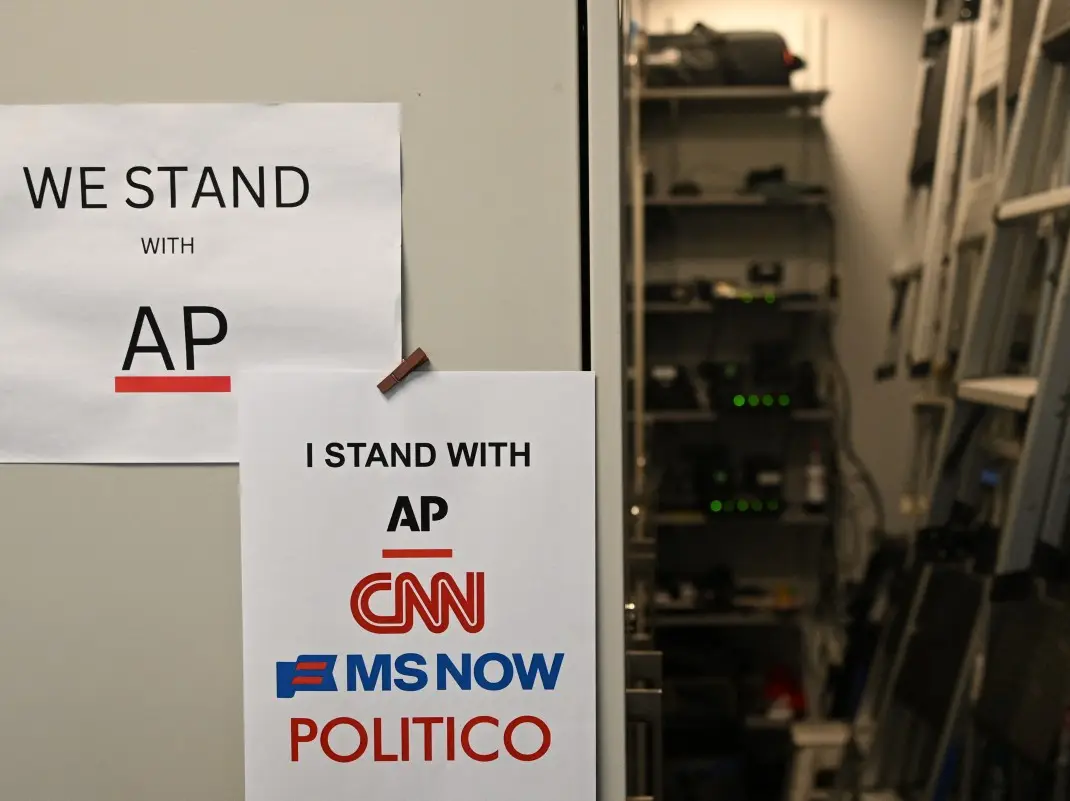)
US judge questions Trump’s decision to ban CNN, MS NOW and Politico from White House
)
Afghan woman cyclist who disguised herself as a boy to escape Taliban, wins Asian Games medal
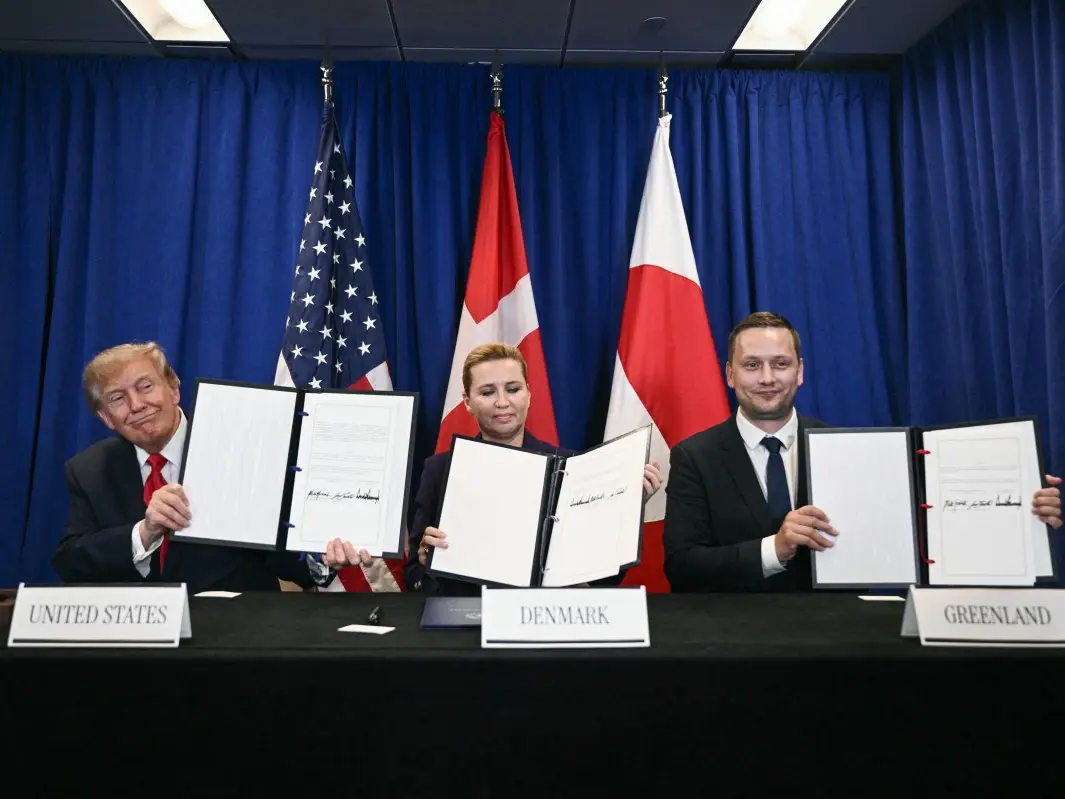)
Trump signs Greenland security deal with Denmark, paving way for two new US military bases
)
IND vs JPN T20I: How an overturned wide became point of difference between India's win and a tie
)
IIT Bombay CCTV footage emerges: Sahil Wakode seen looking at phone in examination hall
)
Cyclone Arnab: Landfall expected before midnight tomorrow as IMD issues orange alerts across six states
)
NBA player Steven Adams shares hilarious GTA VI theory
)
TMC revives impeachment push against CEC Gyanesh Kumar after report of internal dissent
)
WION Iconic Tourism Summit 2026: Union Minister Shekhawat on 'experiential travel', peace diplomacy
)
ICC plans T20I expansion and fewer ODIs in 2027–2031 FTP cycle: Report
)
'AI got into my speech': Prince Harry jokes after teleprompter failure at event in New York
)
WION Iconic Tourism Summit: Seychelles envoy says India partnership is important for Seychelles
)
Scientists detect first radio signals directly from faraway planet
)
China to test supersonic jet that moves at Mach 2, double the speed of sound
)
WION Iconic Tourism Summit: 'Hanuman Ansh' Director on blockbuster success
)
Open AI, Anthropic CEO urges caution over rapid AI development at UN Security Council, call for 'extreme care'
)
Bomb scare in New York amid UNGA: Suspicious suitcase found near UN headquarters
)
Hours before Xi-Trump meeting, US announces visa curbs targeting birth tourism: What is it?
)
WION Iconic Tourism Summit: Is India's travel boom outrunning its airports, airlines and hotels?
)
WION Iconic Tourism Summit and Awards 2026: Key voices to discuss India’s tourism future
)
Trump-Xi state dinner 2026: Who is invited? Full guest list of tech CEOs, business leaders and officials
)
American manufacturing is reshoring faster than its factory floors can absorb
&im=FitAndFill=(700,400))
New OTT releases this week (September 21-27, 2026): Shaque: Trust No One, Hunkkaar, Don’t Be Shy- 5 new titles coming to Netflix, Prime Video and more
)
WATCH | China President Xi Jinping lands in US as Trump greets him ahead of high-stakes summit
)
Australian PM Anthony Albanese calls OpenAI AI incident 'unacceptable' after restricted data access
)
'What kind of confession is this?': Pakistan PM Shehbaz Sharif’s 'terrorists would be roaming New York' remark goes viral, raises alarm online. Watch
)
WION Iconic Tourism Summit: How local tourism MSMEs must upskill for AI integration
)
Elephants hide behind trees, stage surprise attack on poachers targeting rhinos in South Africa
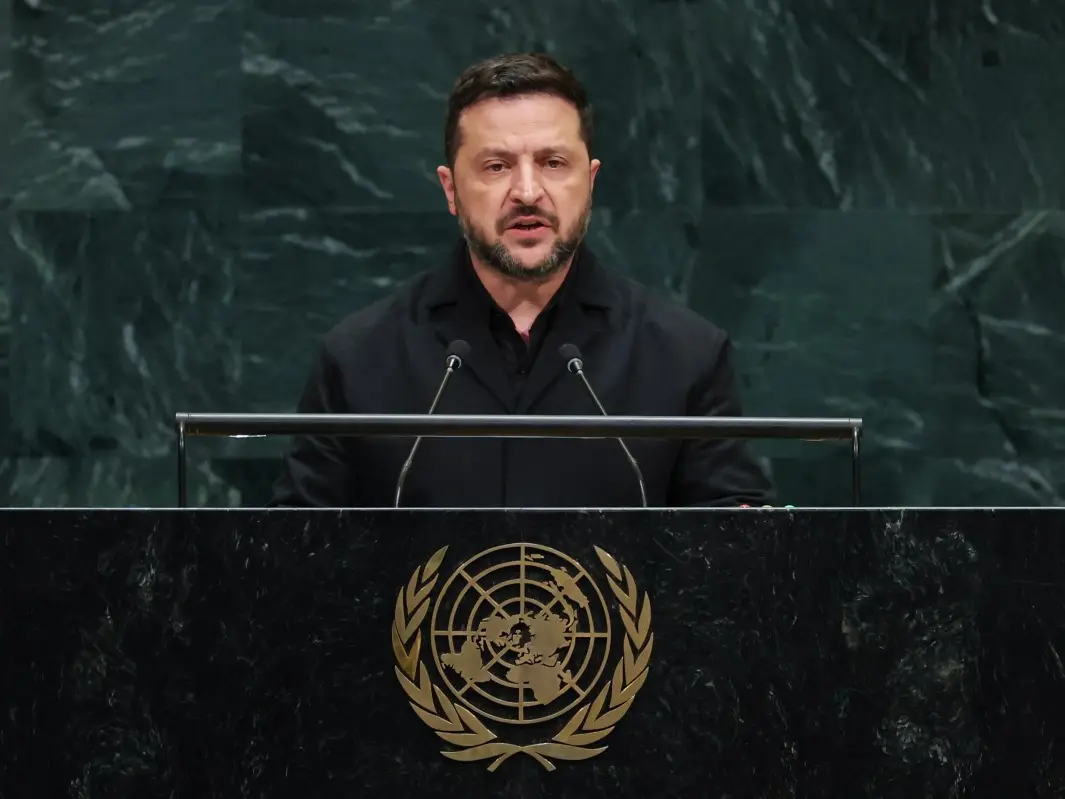)
'Putin is patient zero': Zelensky slams Russian president at UNGA, accuses him of using fighters from 47 countries
&im=FitAndFill=(700,400))
National Film Awards 2026: Kartik Aaryan, Mammootty, Yami Gautam, Randeep Hooda and other key winners
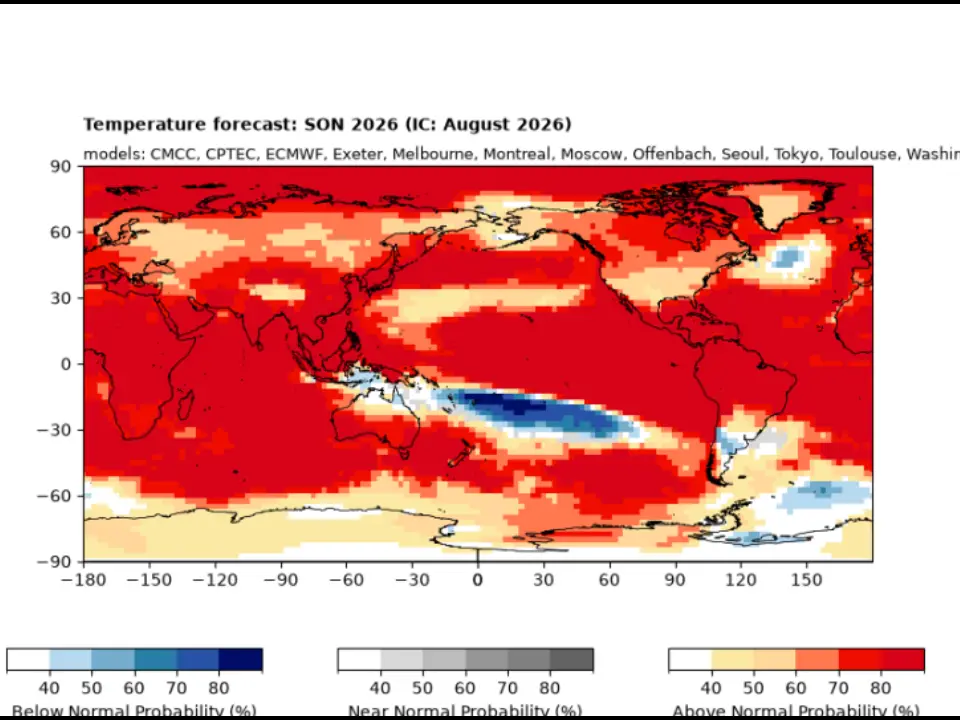)
El Niño 2026 heats up to become strongest in 1,000 years
)
Israeli envoy to US Yechiel Leiter’s son critically injured in West Bank ramming attack
&im=FitAndFill=(700,400))
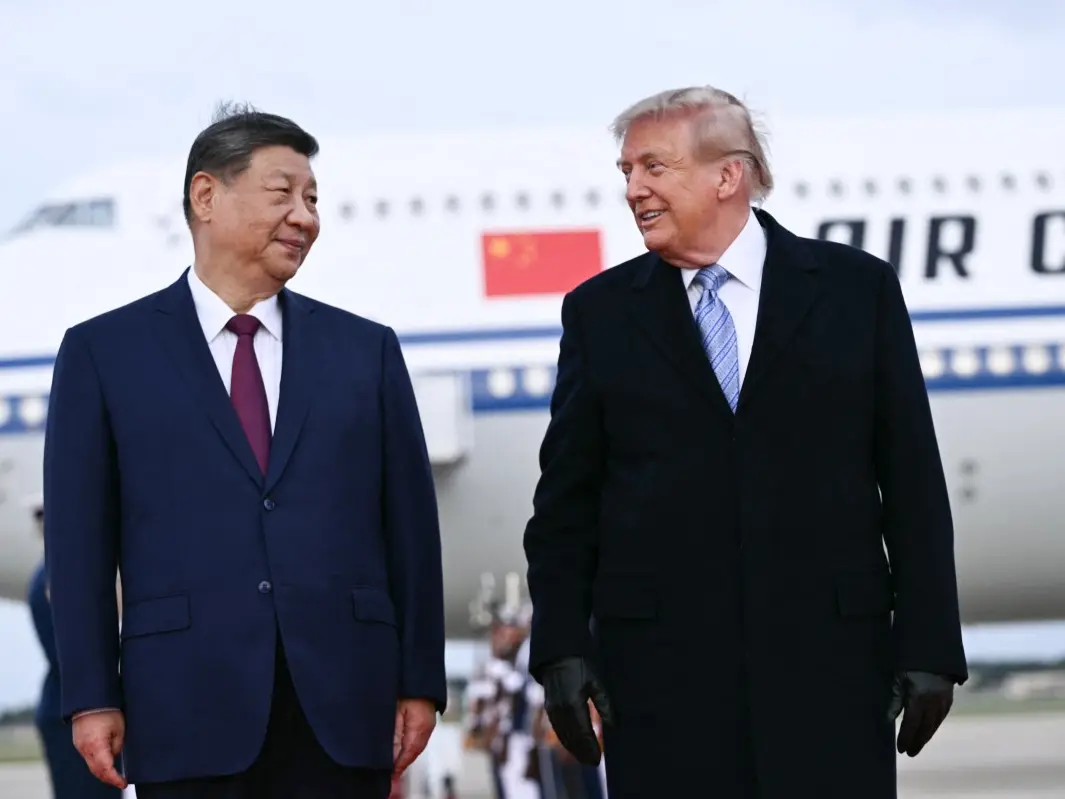
Trump welcomes Xi Jinping in rare airport gesture: Photos from Chinese President's arrival in US
)
Anne Hathaway to run in supporting race for Nolan's epic
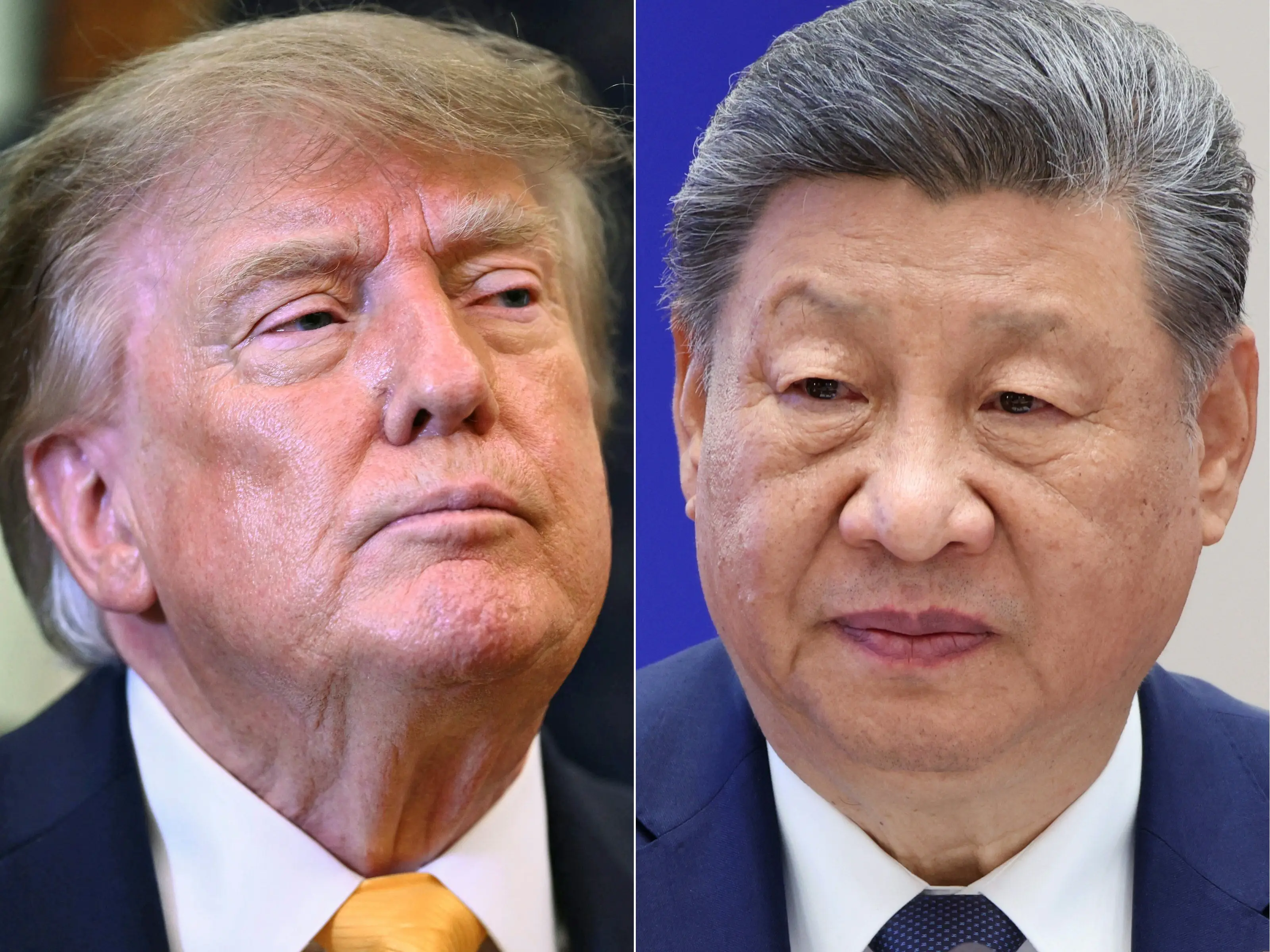)
Xi-Trump meeting: China’s human rights red line and past protests explained
Zee media had earlier reported on the foaming phenomenon, based on the versions of fishermen and images, videos from the Rameswaram region. Their fear, (which has now been allayed by the scientists) pointed towards the chemical-laden ship MV X-Press Pearl, which sunk off the Sri Lankan Coast(between Colombo and Negombo). The ship caught fire around the last week of May and sunk in the first week of June. Among other chemicals, the ship’s cargo consisted of highly inflammable Nitric Acid, Methanol, Methyl Acetate, Sodium Hydroxide and Polystyrene beads.
