Researchers from IIT-Guwahati develop low-cost catalyst to produce cleaner hydrogen from water

&imwidth=600&imheight=450&format=webp&quality=medium "Researchers from IIT-Guwahati develop low-cost catalyst to produce cleaner hydrogen from water")
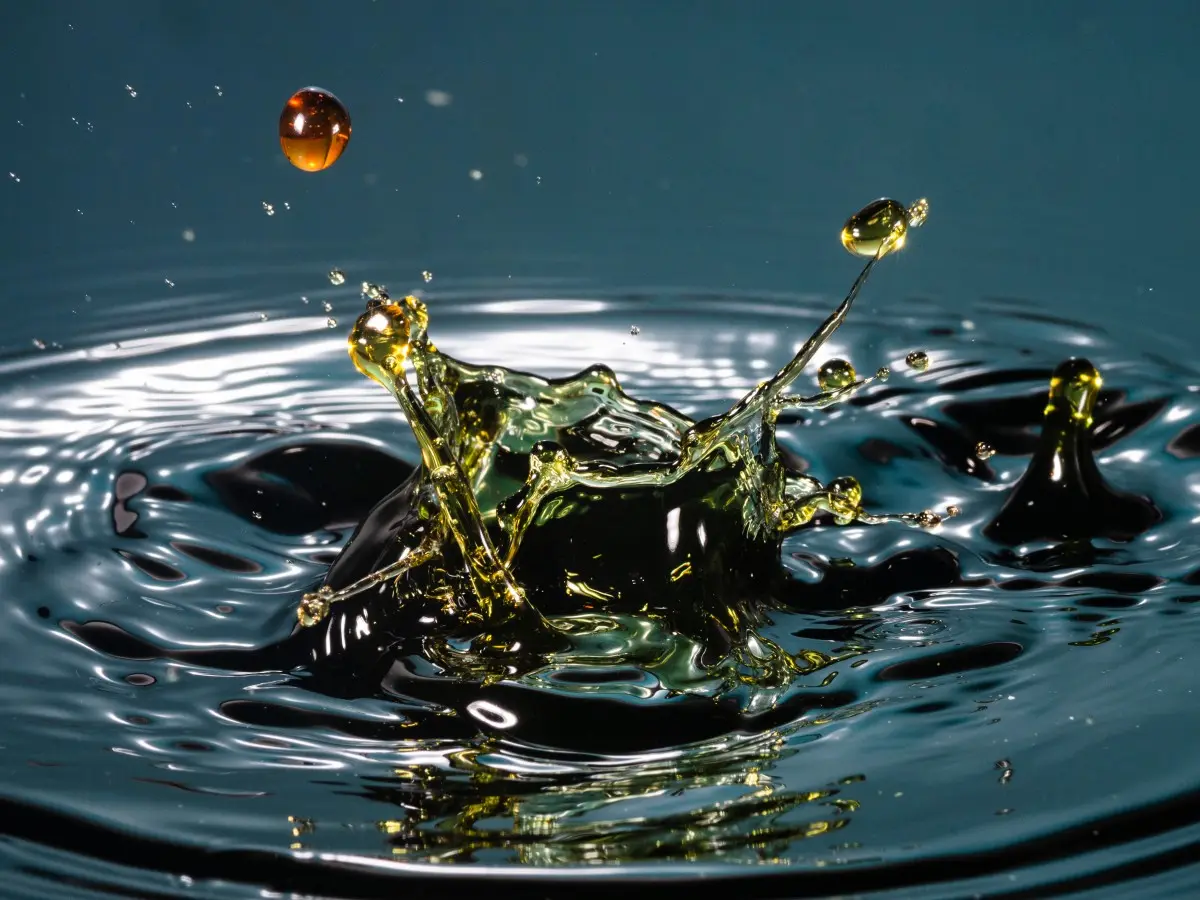
Representative image. Photograph: (Magnific)
Hydrogen is used for energy generation, which produces water as the main by-product. It is also utilised in fuel cells and several industries, including fertiliser production. Meanwhile, most of the hydrogen production comes from fossil fuels.
Researchers at IIT Guwahati have developed a low-cost catalyst to produce hydrogen from water, to support India's National Green Hydrogen Mission and the wider shift towards cleaner energy. At the moment, nearly 90–95 per cent of the hydrogen generated from natural gas and coal releases greenhouse gases in the process. But producing hydrogen from water through electrolysis provides a cleaner alternative; however, it requires efficient catalysts.
The most efficient catalysts for water splitting typically depend on rare and costly noble metals, making them impractical for large-scale hydrogen production. To address this, the IIT-Guwahati team turned to a low-cost, easily available nickel salt combined with an anthracene-based organic molecule.
Basically, hydrogen is considered an important clean-energy fuel. It is used for energy generation, which produces water as the main by-product. Hydrogen is also utilised in fuel cells and several industries, including fertiliser production. Meanwhile, most of the hydrogen production comes from fossil fuels.
The study led by Akshai Kumar, associate professor in the Department of Chemistry at IIT-Guwahati, has explained that the team synthesised a coordination polymer catalyst through a simple, room-temperature process using ultrasonic waves. This resulted in an extended network structure where nickel atoms are linked by organic molecules. The researchers noted that this arrangement offers a high density of active sites for the hydrogen evolution reaction, while also enabling efficient electron movement through the material.
88 per cent of electrical energy effectively utilised
The researchers discovered that nearly 88 per cent of the electrical energy supplied was effectively utilised to split water and pointed out that minimising energy wastage is important for building practical hydrogen-production systems. Additionally, the catalyst demonstrated stability over long-term operation, a quality that could prove significant for future large-scale applications.
Trending Stories
)
)
)
)
)
)
)
)
)
)
)
)
)
)
)
)
)
)
)
)
)
)
)
)
)
)
)
)
)
)
)
)
)
)
&im=FitAndFill=(700,400))
)
)
)
)
Kalishankar Bhattacharyya, assistant professor at IIT-Guwahati, confirmed that the study indicated a synergistic effect between nickel and the anthracene-based framework, making the components improve the performance of the other. Researchers have also used chemical analysis and modelling to understand the behaviour of the catalyst. Their findings also indicated that nickel atoms form a three-dimensional network with the anthracene component.
The findings have been published in the Journal of Materials Chemistry A, with the study co-authored by Kumar, Bhattacharyya, and research scholars Niharika Tanwar, Jumana Ishrat and Khadimul Islam. The team believes this affordable and durable material could help advance efforts toward making hydrogen production from water more efficient and scalable.

