Rahul Gandhi released after detention during dharna outside PM Modi's residence, Wangchuk's fast enters day 24

&imwidth=600&imheight=450&format=webp&quality=medium "Rahul Gandhi released after detention during dharna outside PM Modi's residence, Wangchuk's fast enters day 24")
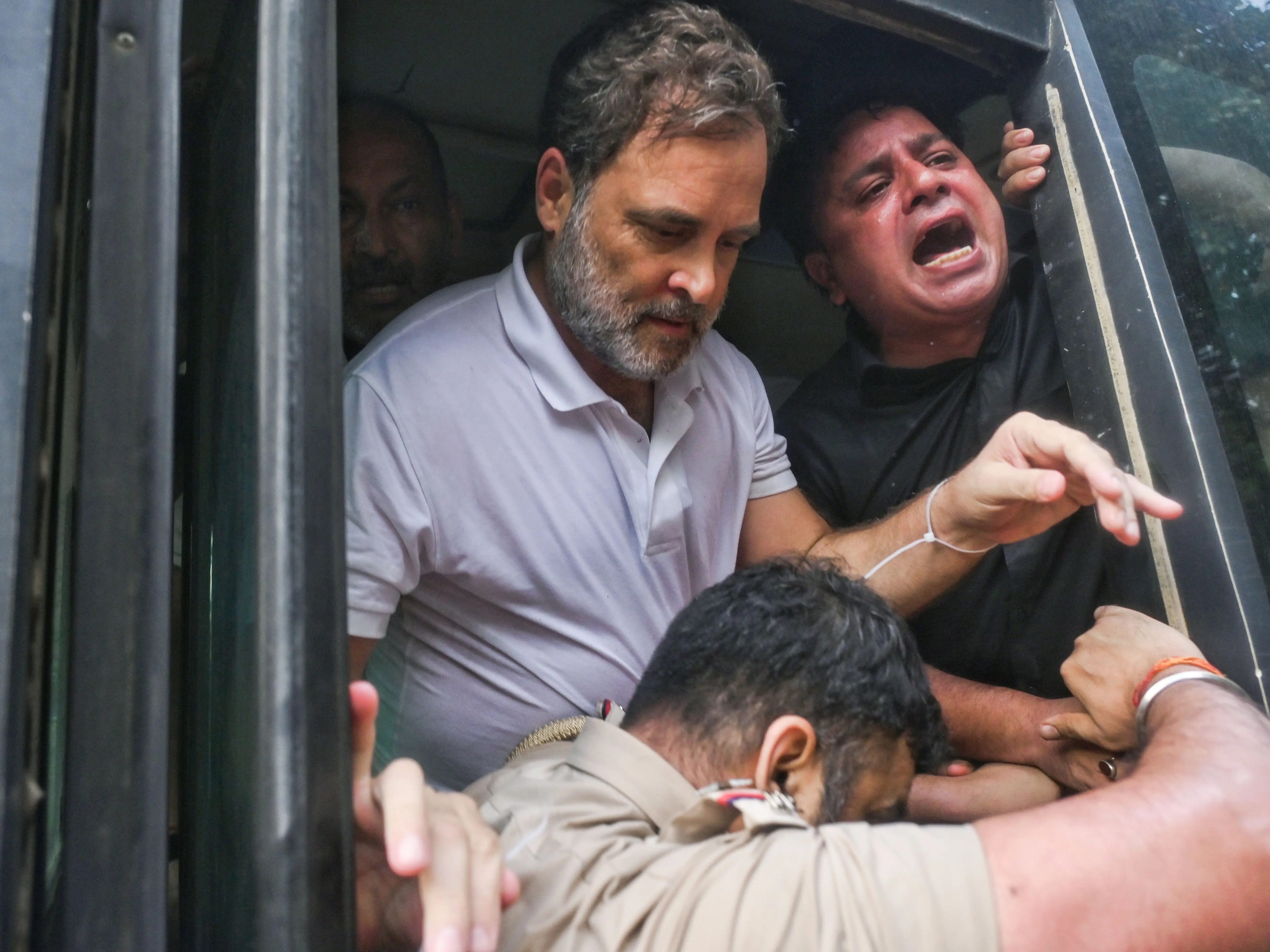
Delhi Police detain Lok Sabha LoP Rahul Gandhi from the protest site near Prime Minister Narendra Modi’s residence during Congress' protest on July 21. Photograph: (ANI)
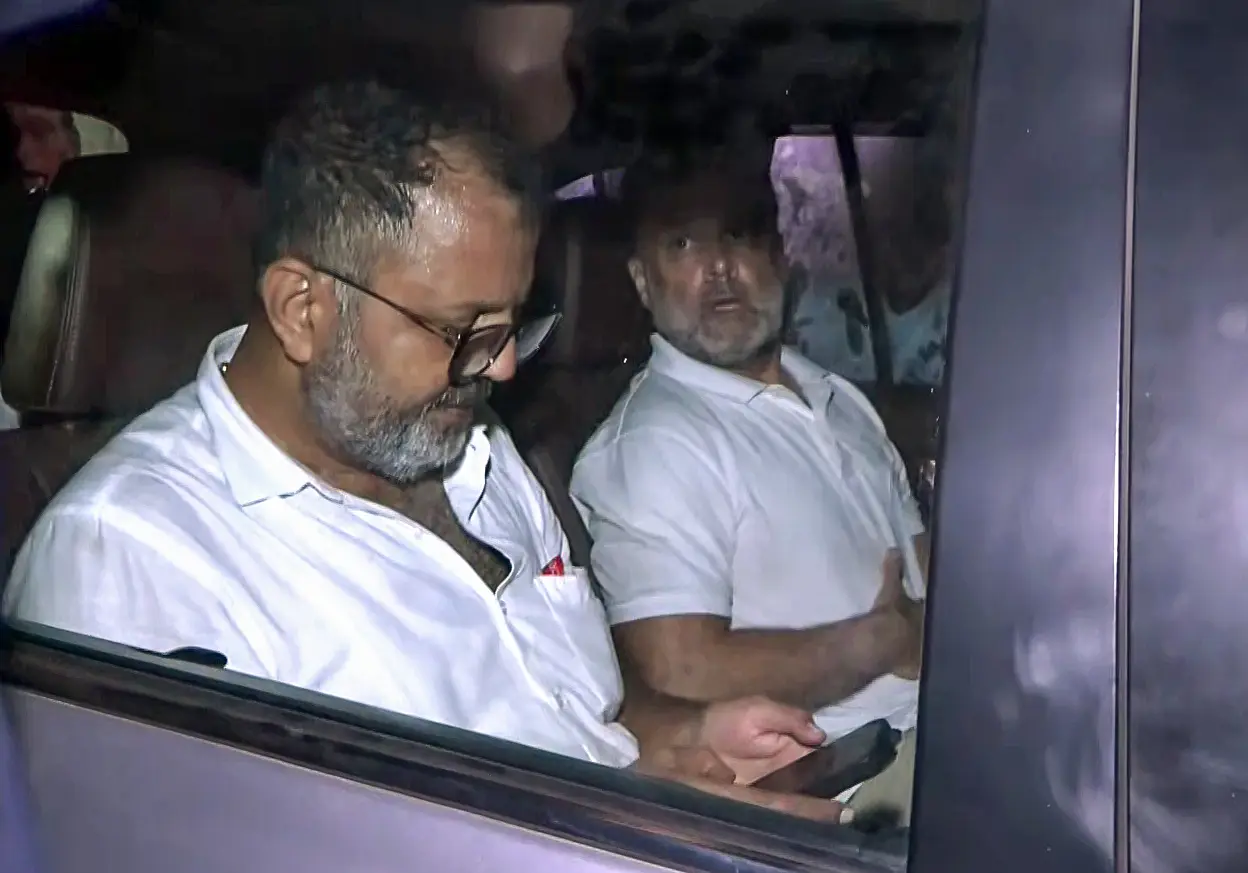
Rahul Gandhi and other Opposition leaders were detained and later released after staging a dharna outside Prime Minister Narendra Modi's residence, as Sonam Wangchuk's hunger strike entered its 24th day amid growing protests over the NEET issue.
A day after thousands of protesters hit the streets in India's capital seeking accountability from the government, protests are no longer limited to Jantar Mantar alone.
As activist Sonam Wangchuk's hunger strike entered day 24, a major political drama unfolded outside Prime Minister Narendra Modi's residence.
Key Congress leaders, including Leader of Opposition Rahul Gandhi, Wayanad MP Priyanka Gandhi Vadra, Karnataka Chief Minister DK Shivakumar and Kerala Chief Minister VD Satheesan, staged a dharna to seek justice for students.
The government sent Union Minister Jitendra Singh to convince Rahul Gandhi to end the dharna, but his attempt was unsuccessful.
Samajwadi Party chief Akhilesh Yadav also joined the protest. Rahul Gandhi, Priyanka Gandhi, Akhilesh Yadav and other senior leaders were subsequently detained and removed from the protest site by Delhi Police.
The leaders were later released after being taken into custody. Rahul Gandhi was taken to Chhatrasal Stadium along with other senior Congress leaders and Akhilesh Yadav, while Priyanka Gandhi Vadra was taken to Mandir Marg police station.
Trending Stories
)
)
)
)
)
)
)
)
)
)
)
)
)
)
)
)
)
)
)
)
)
)
)
)
)
)
)
)
)
)
)
)
)
)
&im=FitAndFill=(700,400))
)
)
)
)
Singh claimed that Gandhi went back on his promise to end the dharna after the government agreed to discuss the NEET issue in Parliament.
Instead, the Union Minister accused Gandhi of putting forth a fresh demand for the resignation of Education Minister Dharmendra Pradhan.
Earlier, Gandhi appealed to all patriotic Indians to join his sit-in and openly called for the resignation of Prime Minister Narendra Modi and Union Home Minister Amit Shah as well.
Earlier in the day, Rahul Gandhi and Priyanka Gandhi Vadra visited Delhi's Ram Manohar Lohia Hospital to meet protesters who were injured after clashes broke out between them and security forces on Monday.
While the CJP accused Delhi Police of using brute force against peaceful protesters marching towards Parliament, police alleged that protesters attacked them with stones and other objects.
According to Delhi Police, protesters deliberately violated prohibitory orders, attempted to breach barricades, vandalised 15 to 20 government vehicles and damaged public property.
More than 118 police personnel and 60 protesters sustained injuries, while 70 protesters were detained. Five FIRs have been registered so far in connection with the violence.
Union Health Minister JP Nadda also visited two hospitals to inquire about the condition of injured protesters and reviewed the medical facilities being provided to them.
However, Prime Minister Modi addressed the issue of paper leaks at a meeting of MPs belonging to the ruling National Democratic Alliance.
According to Union Minister Kiren Rijiju, the Prime Minister called for collective national efforts to build a foolproof examination system.
In another development, Sonam Wangchuk secured major relief from a Division Bench of the Delhi High Court.
Hearing his wife Gitanjali Angmo's petition, the court ordered that he be shifted to Medanta Hospital, his preferred choice.
The court also directed a team of doctors to constantly monitor his health condition and allowed Angmo unrestricted access to her husband.
While Solicitor General Tushar Mehta argued that Wangchuk should not be discharged against medical advice, the court refused to get into that aspect.
Meanwhile, political leaders continued to extend support to the CJP protest.
AAP supremo Arvind Kejriwal, NCP-SP chief Sharad Pawar and his daughter Supriya Sule visited the protest site at Jantar Mantar.
Speaking at a rally in Kolkata, TMC chief Mamata Banerjee also extended her support to the protesting students.
Although Rahul Gandhi met Lok Sabha Speaker Om Birla earlier in the day and sought a discussion on the injuries inflicted on protesters and the NEET issue, the Opposition accused the ruling party of stifling its voice, leading to Parliament being adjourned.
This raises some key questions.
Why isn't the government allowing a debate on issues concerning students? Why did it take this long for the Centre to start a dialogue? Calls for more accountability are growing.