Petition in SC seeks suspension of CEC Gyanesh Kumar, says Election Commission decisions must be collective

&imwidth=600&imheight=450&format=webp&quality=medium "Petition in SC seeks suspension of CEC Gyanesh Kumar, says Election Commission decisions must be collective")
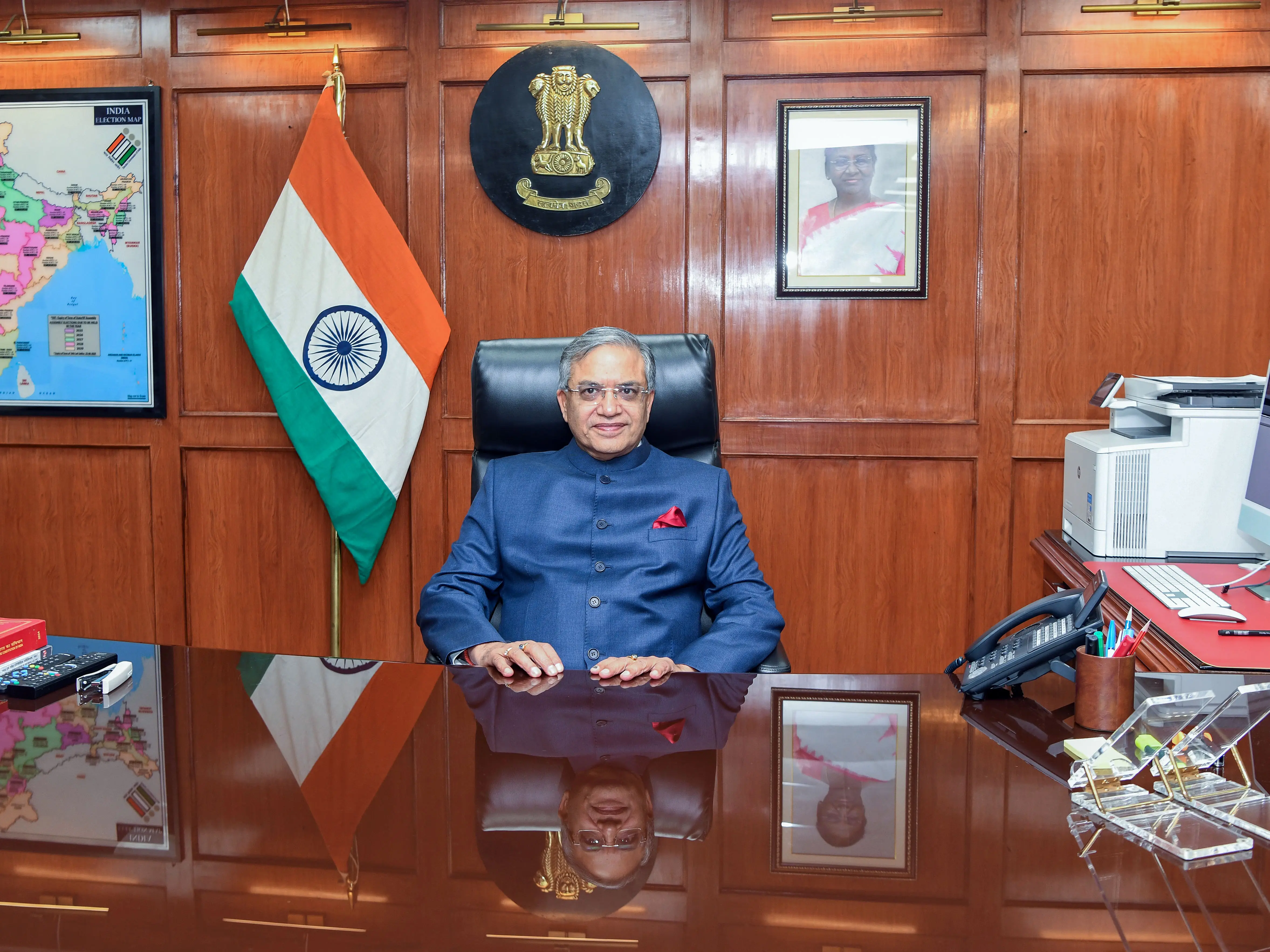
File photo of Chief Election Commissioner Gyanesh Kumar. Photograph: (ANI)
The plea in the court comes amid several media reports indicating that nearly 14 decisions were taken between October 2025 and August 2026 in the name of the EC despite recorded objections by the other two Election Commissioners, Sukhbir Singh Sandhu and Vivek Joshi.
A petition has been filed in the Supreme Court demanding the suspension of Chief Election Commissioner Gyanesh Kumar, along with a declaration that decisions on matters pending before the Supreme Court cannot be taken unilaterally by the head of the constitutional body. The petition has been filed by Rakesh Kumar Singh under Article 32 of the Constitution.
The plea in the court comes amid several media reports indicating that nearly 14 decisions were taken between October 2025 and August 2026 in the name of the EC despite recorded objections by the other two Election Commissioners, Sukhbir Singh Sandhu and Vivek Joshi.
A writ of quo warranto was sought by the petitioner, calling upon the CEC “to show under what authority he has acted, and continues to act, as though entitled individually to exercise the collective decision-making power vested by Article 324 in the Election Commission as a body.”
CEC position cannot be treated as institution
The petition argued that Article 324(1) places the superintendence, direction and control of elections with “a Commission," not with an individual Chief Election Commissioner. Although Article 324(3) names the CEC as Chairman, this constitutional position cannot be treated as the institution itself.
It also relied on Section 18 of the Chief Election Commissioner and Other Election Commissioners (Appointment, Conditions of Service and Term of Office) Act, 2023. Under this provision, the Commission can regulate its own procedure by unanimous decision; its business should be conducted unanimously as far as possible, and any differences are settled by majority.
Trending Stories
)
)
)
)
)
)
)
)
)
)
)
)
)
)
)
)
)
)
)
)
)
)
)
)
)
)
)
)
)
)
)
)
)
)
&im=FitAndFill=(700,400))
)
)
)
)
One of the examples it cited is the alleged change to Form-6 under the Registration of Electors Rules, 1960, in July 2026. The revised form reportedly requires applicants to state whether they, their parents or their grandparents "exist" in the electoral roll used in the last Special Intensive Revision (SIR). The petition pointed to notes by Commissioners Joshi (May 16, 2026) and Sandhu (May 19 and August 13, 2026), who objected that the change was unauthorised and illegal because the Rules had not been amended."

