Ketan Agarwal murder: From Bengaluru bone-breaking plan to Lohagad — What the chargesheet reveals

&imwidth=600&imheight=450&format=webp&quality=medium "Ketan Agarwal murder: From Bengaluru bone-breaking plan to Lohagad — What the chargesheet reveals")
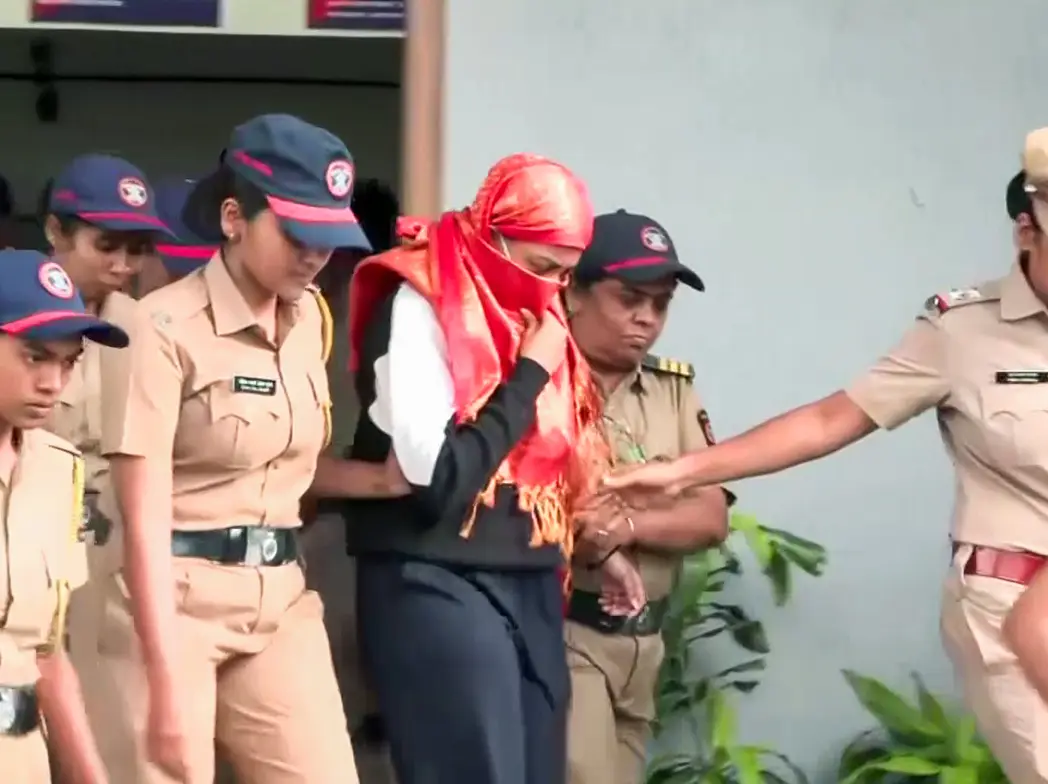
Accused Siya Goyal Photograph: (ANI)
The Ketan Agarwal murder chargesheet alleges a weeks-long conspiracy involving injury plans, reconnaissance, digital research and a fake Instagram account used to lure him to Lohagad before his death.
The chargesheet in the Ketan Agarwal murder case has revealed details of an alleged conspiracy that police say was planned over several weeks before the 26-year-old businessman died after falling from Maharashtra’s Lohagad Fort.
The 5,053-page chargesheet filed by Pune Rural Police names Ketan’s fiancée Siya Goyal, her alleged lover Chetan Chaudhary and Ritesh Hange as accused.
According to investigators, the alleged conspiracy went through several stages — including plans to seriously injure Ketan, attempts to find people outside Maharashtra to carry out an attack, reconnaissance of possible locations, digital research, creation of a fake Instagram account and an alleged earlier attempt at Lohagad.
Here are the major revelations from the chargesheet:
1. Before Pune murder, plan was to break Ketan’s bones in Bengaluru
One of the most significant revelations concerns an alleged plan that preceded the Lohagad murder.
Trending Stories
)
)
)
)
)
)
)
)
)
)
)
)
)
)
)
)
)
)
)
)
)
)
)
)
)
)
)
)
)
)
)
)
)
)
&im=FitAndFill=(700,400))
)
)
)
)
Police allege that the accused initially discussed taking Ketan to Bengaluru and breaking his bones.
The objective, investigators say, was to seriously injure him rather than immediately kill him.
A Bengaluru-based person was allegedly approached in connection with the plan but refused to participate.
The person was subsequently treated as a witness in the investigation.
2. An alleged contract-killing plan was also explored
Investigators say the accused subsequently explored the possibility of getting an outsider to attack Ketan.
Police allege that a Bengaluru connection was approached to find someone who could carry out the killing.
That plan too allegedly failed to take shape.
Investigators say the accused eventually decided that involving an outsider could expose the conspiracy and instead moved towards executing the alleged plan themselves.
3. The alleged conspiracy was planned weeks before Ketan’s death
The chargesheet indicates that police do not view the death as a crime that was suddenly conceived on June 18.
Investigators allege that discussions about eliminating Ketan had begun weeks earlier.
Police say Siya and Chetan’s relationship and the impending marriage between Siya and Ketan formed the backdrop to the alleged conspiracy.
Ritesh Hange allegedly became involved in discussions surrounding the plan.
4. Several locations were allegedly surveyed
Police say the accused examined different locations around Lonavala before settling on Lohagad.
Investigators have referred to alleged reconnaissance of areas including Tiger Point.
Factors such as accessibility, isolation and the possibility of the death appearing accidental were allegedly considered.
Lohagad was eventually selected, according to the police theory.
5. Police allege an earlier attempt was made on June 14
The chargesheet contains another significant revelation — the alleged murder attempt did not begin on June 18.
Police allege that Ketan and Siya visited Lohagad on June 14, four days before his death.
Investigators allege that Siya attempted to push Ketan towards a dangerous edge.
The attempt allegedly failed after Ketan managed to hold on.
Police say Siya subsequently used the explanation that she had seen a snake.
6. The Bali trip was allegedly disrupted
Ketan and Siya had reportedly planned a trip to Bali for a pre-wedding photoshoot.
Police allege that the trip was an obstacle because the accused wanted the alleged murder plan to be carried out before they travelled.
Investigators say Ketan’s passport was torn and discarded at a food outlet in Khalapur on June 6.
The Bali trip was subsequently cancelled.
7. A fake Instagram account called ‘Mahi’ was allegedly created
Police say the accused created a fake Instagram identity using the name “Mahi”.
Investigators allege that the account used the photograph of another woman and was presented as an acquaintance of Siya.
The account allegedly communicated with Ketan.
According to the police case, the digital identity was used to gain Ketan’s confidence and persuade him to visit Lohagad.
8. The fake account allegedly lured Ketan to Lohagad
The chargesheet alleges that Ketan was persuaded to visit Lohagad on June 18, one day before Siya’s birthday.
The proposed outing was allegedly presented as a surprise birthday plan for Siya.
Police allege that Ketan did not know that the person communicating with him was not genuinely the woman represented by the account.
The account was later deleted, but investigators say forensic examination of electronic devices helped recover relevant material.
9. Police say the accused researched previous murder cases
The digital investigation has allegedly uncovered searches relating to previous high-profile murders.
Police have particularly examined searches concerning the Meghalaya honeymoon murder case involving Raja Raghuvanshi.
Investigators also found material relating to an earlier death at Lohagad.
Police are examining these searches as part of their allegation that the accused researched how murders were carried out and how investigations unfolded.
10. Murder films and crime-related content allegedly formed part of the research
Investigators say the accused also watched crime and murder-related films and podcasts.
Police allege that the material was used to understand possible methods of killing and how investigators could potentially trace the perpetrators.
The digital material forms part of the wider evidence presented in the chargesheet.
11. Searches allegedly included poison and methods of killing
The investigation also flagged internet searches concerning poison, poisonous mushrooms and different methods of causing death.
Police have examined these searches alongside other digital material recovered from the accused’s devices.
However, an internet search alone does not establish that a particular method was used in Ketan’s death. Its evidentiary significance will have to be determined during the legal proceedings.
12. ChatGPT allegedly featured in the digital trail
Another unusual aspect of the investigation is the alleged use of ChatGPT during the planning phase.
Police say the accused used online resources while researching crime, possible methods and ways of avoiding detection.
Investigators have included this digital activity in the broader evidence they say demonstrates preparation for the alleged crime.
13. Police allege attempts were made to erase digital evidence
The chargesheet describes alleged attempts to remove traces of conversations.
Investigators say WhatsApp chats and other digital material were deleted.
Electronic devices were subsequently seized and subjected to forensic examination.
Police allege that deleted conversations and other relevant material were recovered.
14. A damaged phone allegedly contained relevant searches
Investigators also recovered a damaged mobile phone from Siya’s bedroom.
Police allege that the device had been used for searches connected to the alleged planning.
The investigation claims the phone was damaged in an attempt to destroy evidence.
Forensic examination subsequently formed part of the police evidence.
15. Chetan allegedly tried to keep his digital trail away from the crime scene
Police have also examined Chetan’s phone and movements on June 18.
Investigators allege that his phone activity did not straightforwardly place him at Lohagad and that he took steps to limit his digital trail.
Police reconstructed his movements using other technical evidence, call records and witness accounts.
16. Tourist photographs allegedly captured the accused at Lohagad
Investigators have also relied on photographs taken by tourists at Lohagad.
Police say photographs taken around the relevant time show Ketan, Siya and Chetan at or near the location.
Investigators have used these images along with CCTV and other technical evidence to reconstruct the movements of the accused.
17. What police allege happened on June 18
According to the prosecution’s version, Ketan reached Lohagad with Siya.
Chetan allegedly arrived separately and positioned himself near the area where Ketan was taken.
Police allege that Siya and Chetan then carried out the final act of the conspiracy.
Ketan was allegedly pushed from the rocky edge and fell into the gorge.
He died in the fall.
18. An eyewitness allegedly saw the incident
The chargesheet contains statements from witnesses who police say were present around the location.
Investigators have relied on eyewitness testimony to support their allegation that Ketan’s death was not an accident.
Police also allege that one witness was subsequently threatened and warned against speaking about what had been witnessed.
19. Police allege the death was made to look like an accident
A central element of the investigation is the alleged attempt to create an accidental-fall narrative.
Lohagad is a trekking destination and has previously witnessed fatal falls.
According to investigators, the location was deliberately selected because Ketan’s death could initially be explained as a trekking accident.
Police say the circumstances changed after investigators examined digital records, witness accounts and other evidence.
20. Chetan allegedly had Siya’s name tattooed on his body
The chargesheet also reportedly contains a personal detail that investigators have cited while establishing the relationship between Chetan and Siya.
Police allege that Chetan had got Siya’s name tattooed on his body.
Investigators have cited the tattoo along with their communications, calls and other material while establishing the nature of their relationship.
Police allege that Chetan and Siya were in a relationship while Siya was engaged to Ketan.
The tattoo itself, however, is not independently evidence of murder. Its relevance lies in the prosecution’s attempt to establish the relationship and the circumstances surrounding the alleged conspiracy.
21. Siya allegedly did not want to go ahead with the marriage
Investigators have cited conversations in which Siya allegedly expressed reluctance about marrying Ketan.
Police say she had indicated to people around her that she did not want the marriage to proceed.
Investigators have presented this alleged reluctance, along with her relationship with Chetan, as part of the possible motive behind the conspiracy.
22. Two people allegedly knew about the plan
The chargesheet also refers to people who allegedly became aware of the proposed attack.
Police say individuals connected to the accused were approached during the earlier stages of the alleged plan.
At least one Bengaluru connection allegedly refused to participate.
Investigators have recorded statements from such people as witnesses.
23. The chargesheet contains a substantial digital trail
The prosecution case is built around multiple categories of evidence.
These include:
- Mobile-phone data
- WhatsApp conversations
- Instagram activity
- Snapchat conversations
- Internet search history
- Call-detail records
- CCTV footage
- Tourist photographs
- Forensic examination of electronic devices
- Deleted digital material
- Witness statements
- Technical evidence
- Statements of people allegedly approached during earlier stages of the conspiracy
What the chargesheet reveals
The biggest revelation in the chargesheet is the alleged evolution of the conspiracy.
Police say the plan did not begin with Lohagad. It allegedly moved through different options — from breaking Ketan’s bones in Bengaluru and exploring a contract killing to reconnaissance, digital research and finally a carefully planned meeting at Lohagad.
The investigation also places significant emphasis on the alleged relationship between Siya and Chetan, including their communications and the claim that Chetan had Siya’s name tattooed on his body.
The case now moves into the judicial process, where the prosecution’s evidence and the defence’s response will be examined.
