CNG price hiked for second time in two days. Here's how much it will cost now

&imwidth=600&imheight=450&format=webp&quality=medium "CNG price hiked for second time in two days. Here's how much it will cost now")
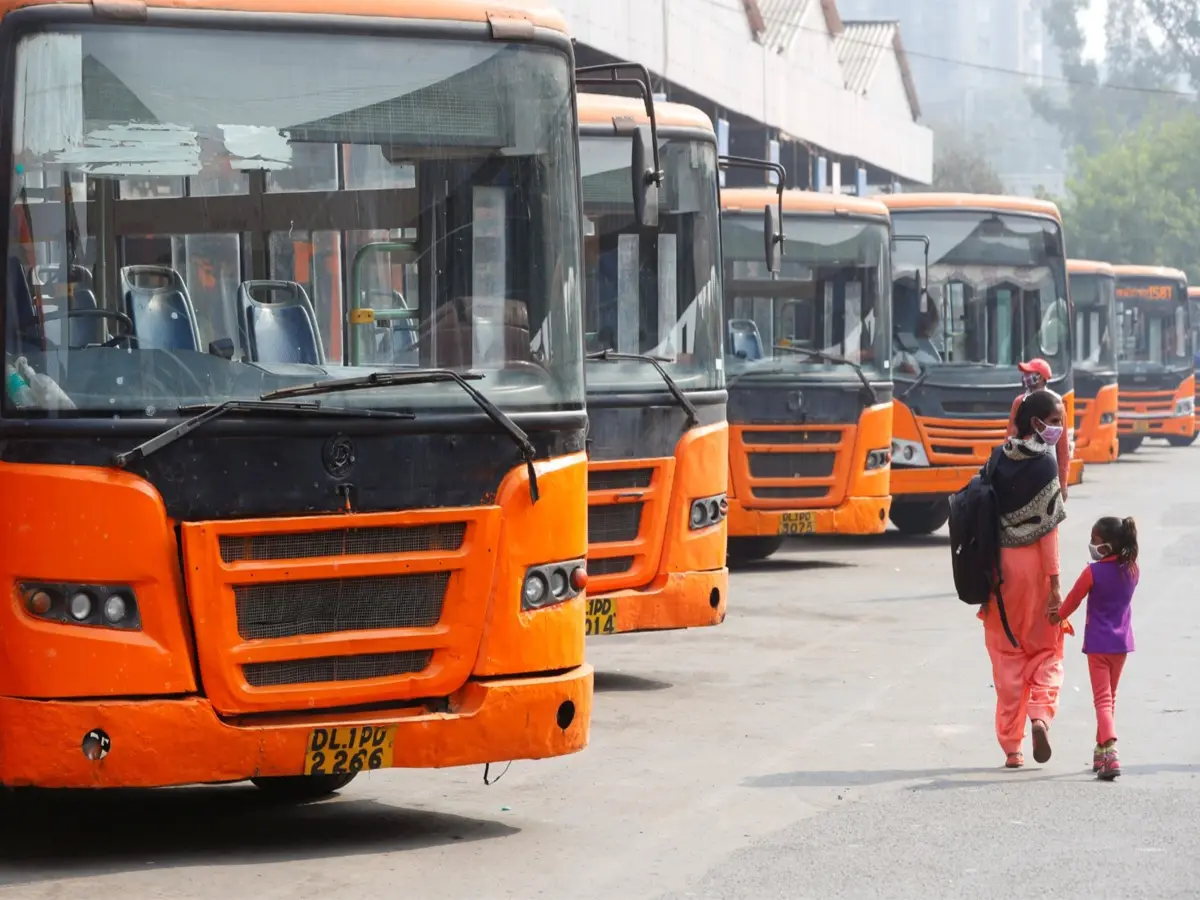
CNG price hiked Photograph: (ANI)
The West Asia crisis, particularly the US-Israel and Iran conflict that began on February 28 this year and subsequently caused the blockade of the Strait of Hormuz have disrupted global crude oil supplies.
Compact Natural Gas (CNG) prices were hiked again on Sunday (May 17) by Re 1 per kg by Indraprastha Gas Limited (IGL). The increase is second in a row in close to 48 hours.
The latest hike will lead to CNG costing Rs 80.09 per kg in Delhi and Rs 88.70 per kg in Noida and Ghaziabad.
“The retail selling price of CNG has been increased by Rs 1/kg wef 6 am on 17.05.2026 in all GAs of IGL. The revision in retail prices of CNG has been effected only to marginally offset the impact of increase in input gas cost along with steep appreciation of USD. Even after revision, CNG would still offer upto 45% savings towards the running cost when compared to vehicles running on alternate fuel at the current level of prices,” wrote IGL on X after increasing the rate.
Just two days back, on May 15 CNG prices were raised by Rs 2 per kg, taking the cumulative increase in CNG rates to Rs 3 per kg.
The May 15 hike in CNG came along with increase in petrol and diesel rates by Rs 3 per litre for the first time in more than four years. The prices were hiked due to soaring international crude oil prices amid the ongoing US-Iran war, said Union Minister Kiren Rijiju on Friday.
Trending Stories
&im=FitAndFill=(700,400))
)
)
)
)
)
)
)
)
)
)
)
)
)
)
&im=FitAndFill=(700,400))
)
)
)
)
)
)
)
)
)
)
)
)
)
&im=FitAndFill=(700,400))
The West Asia crisis, particularly the US-Israel and Iran conflict that began on February 28 this year and subsequently caused the blockade of the Strait of Hormuz have disrupted global crude oil supplies leading to rise in its prices.
“India has limited the increase of petrol, diesel price”
After petrol, diesel and CNG prices were hiked on Friday (May 15), Rijuji took to X to write, "As the world battled rising fuel costs after the West Asia conflict, India stood apart. While several countries witnessed petrol & diesel hikes ranging from 20% to nearly 100%, India limited the increase to just +3.2% for petrol & +3.4% for diesel."
"Even as Brent crude crossed $100/barrel & global markets turned volatile, India's public sector oil companies absorbed huge losses for weeks to protect citizens from inflation & economic pressure. This is governance with responsibility," he wrote further.
