10 reasons why Indian Supreme Court is right in seeking social media content regulation: The menace of freedom without accountability

&imwidth=600&imheight=450&format=webp&quality=medium "10 reasons why Indian Supreme Court is right in seeking social media content regulation: The menace of freedom without accountability")
Self-regulation has failed. It's time for Indian content creators to be regulated Photograph: (Others)
The Indian Supreme Court has highlighted the urgent need for social media regulation, while criticising the unchecked freedom of content creators. The court is absolutely on point, as disinformation, hateful posts, and fake gurus are proliferating on YouTube, Facebook, Instagram and others.
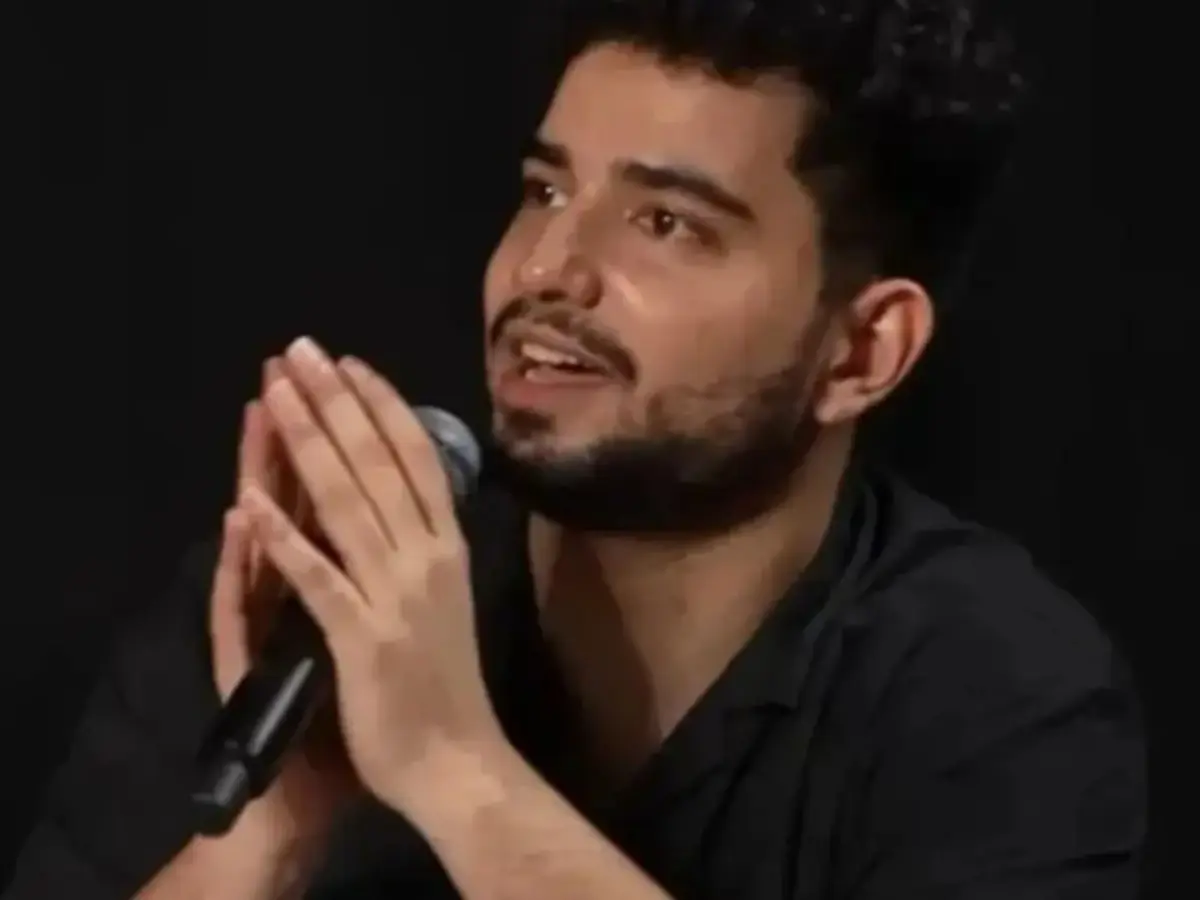
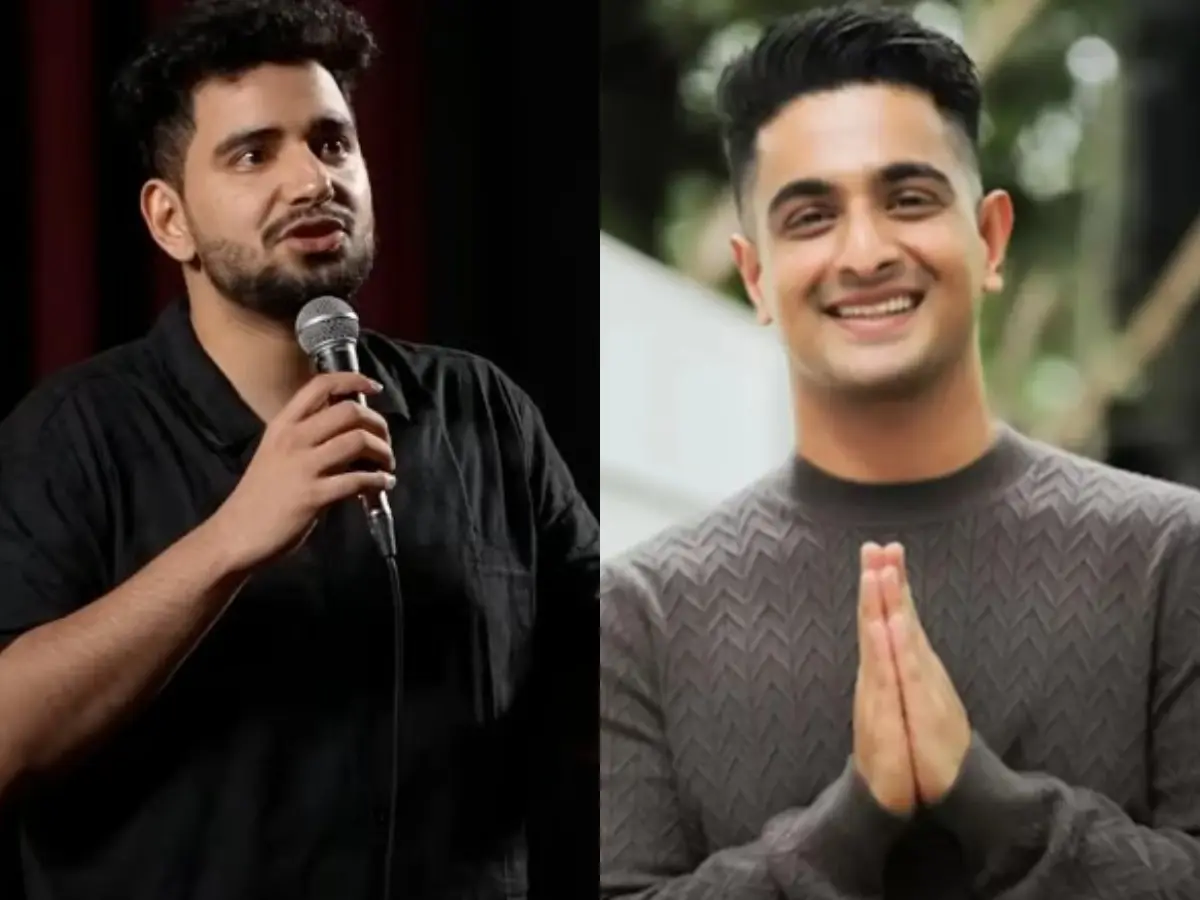
Hearing petitions of YouTuber Ranveer Allahabadia (or BeerBiceps) and others from the controversial India Got Latent show, the Supreme Court on Thursday (Nov 27) asked the Indian government what it was doing to regulate social-media content creators. Looking at the sheer volume of harmful, misleading or vulgar content churned out daily on YouTube, Instagram and Facebook, it is hard to argue with the Court’s concerns. India today faces a Molotov cocktail of limitless freedom of speech, with near-zero accountability. The apex court noted that self-regulation has failed, hinting that creators cannot simply build their own channels and claim they answer nobody. The justices said that once the objectionable content is up, it goes viral so fast that no authority can control its impact later. This is a different world from phone calls or private conversations. Social media platforms amplify creators to millions, and cannot hide behind the alibi that they are only the conduits of communication. The consequences of harmful, misleading or plainly wrong posts are immediate and far-reaching. Here are 10 reasons why regulation is urgently needed, and why the Supreme Court is right about it.
Paid podcasts without transparency: The new-age fraud of YouTube
Across YouTube and other platforms, creators have been running high-profile podcasts sponsored by the invitees themselves, reportedly for millions of rupees, without full disclosure. In these completely choreographed charades, private individuals, companies and political groups, and even government agencies are parading falsehoods as gospel truth. Guests are asked soft-ball questions, and their products and services get promoted. Audiences have no clue about the money changing hands under the podcast tables. Stealth advertising is aired without proper classification, and political messaging is masquerading as 'neutral' conversation.
Fake 'rich lifestyles' and the mental-health fallout
Instagram and YouTube are awash with self-declared “millionaires” flaunting cars, luxury vacations and designer brands. Most of them turn out to be rented, borrowed or staged, sometimes with the connivance of the companies involved. But fear of missing out makes young viewers click on this content, and equate worth with wealth. This then leads to comparison anxiety, body-image issues and feelings of failure. The Supreme Court’s concern about unregulated monetisation of such content could be indirectly hitting at these creators who make money by pushing illusions that harm impressionable audiences.
Content-creator rivalries escalating into real violence
Trending Stories
)
&im=FitAndFill=(700,400))
)
)
)
)
)
)
)
)
)
)
&im=FitAndFill=(700,400))
)
)
)
)
)
)
)
)
)
)
)
)
)
)
)
)
)
)
&im=FitAndFill=(700,400))
)
)
)
)
)
)
)
)
)
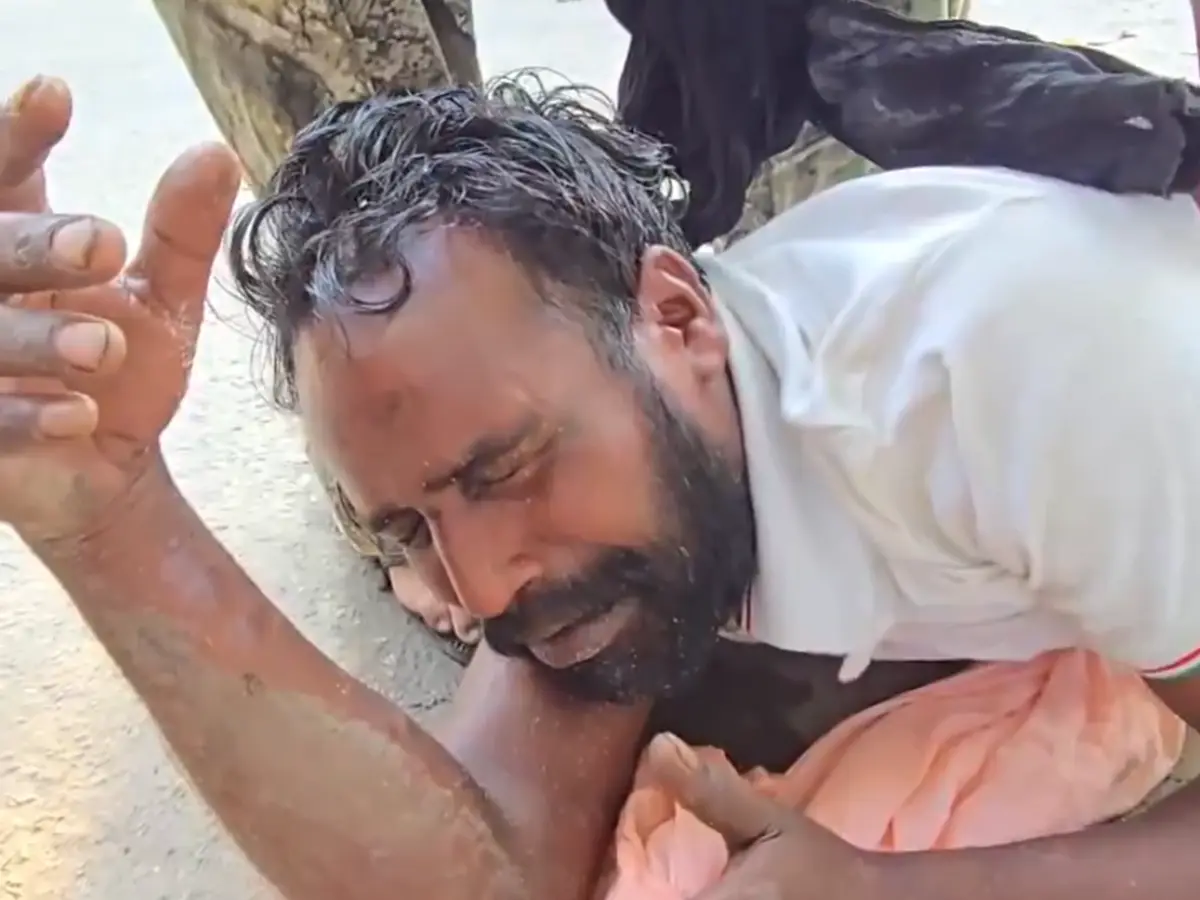
The last few years have seen rival influencers engaging in public feuds, doxxing, cyberbullying and, in some cases, physical fights and even gun violence. The Elvish Yadav controversies, the shootings linked to vlogger feuds, and street fights livestreamed for views show how online rivalries spill into the real world. Creators are weaponising audiences and escalating conflict for clicks.
The menace of fake gurus and ‘spiritual healers’
YouTube, Instagram and Facebook host self-styled gurus offering miracle cures, aura cleansing, “manifestation coaching” or chant-based healing, none of which have any scientific basis. These content creators are exploiting the distress of viewers. They are encouraging vulnerable people to abandon real medical treatment for their physical and mental health issues, and instead peddling mystical cures. Without regulation, this commoditising of faith and normalising of superstitions for ad revenue will continue to flourish.
'Anti-national' posts with no factual basis
There are a plethora of conspiracy theories, manipulated videos or fabricated “alerts” that portray institutions, communities and even public figures as enemies of the nation. Such videos and posts travel faster than fact-checkers can track or react. To address this, we should pay heed to the Indian top court's observation that online spaces cannot become zones where anything can be said without responsibility.
Whitewashing criminals and financial fraudsters
Recently, several YouTubers invited controversial figures – from criminals to financial fraudsters – to podcasts for 'exclusive tell-all interviews'. Some of these went on for hours, presenting these individuals as misunderstood heroes. With no fact-checking or ethical guidelines in place, this type of content - which often goes viral - sanitises wrongdoing and trivialises victims’ experiences, years of fact-based investigative reportage, and court proceedings. Indian content space is now living in an era of rewarding this notoriety.
Vulgarity and shock content disguised as comedy
Many creators, including those behind India Got Latent, made it fashionable to use profanity, explicit jokes, sexualised thumbnails or offensive skits for views. Age restrictions are easily bypassed, with minors ending up as the audience. The Supreme Court’s remarks about obscene content reflect an urgent concern: when vulgarity becomes the easiest route to fame, platforms end up normalising harmful and unsocial behaviour.
Fake business gurus, finfluencers and fitness advisors: Loss of money and health
Both in the main content and through advertising on YouTube and other social media platforms, recent years have seen a proliferation of financial and stock-market advisors without any qualifications. These 'finfluencers' promise guaranteed returns, promote high-risk schemes, or push dubious “wealth systems” and get-rich-quick plans. A similar menace exists in the health influencer market. Anybody can peddle anything these days as a cure for any illness. Raw diets, extreme fasting or herbal powders are offered as cures. Their content blurs the line between advice and manipulation.
Many people lose money by following the stock-investing advice, and lose health due to the 'medical advice' videos, but often do not know where to complain.
Dagger in the cloak: The spread of pseudoscience and superstition
From vastu “fixes” to cow-urine remedies, from past-life regression shows to out-of-body travel claims and alien stories, Indian social media hosts hours of pseudoscience content framed as authentic knowledge. The creators and their hosts speak with such confidence, poise and cinematic flair that unscientific ideas appear credible to the unsuspecting viewer. The steady erosion of rational and scientific thinking is the result. Slowly, those who question these superstitions are being painted as opposing certain religions or rituals.
AI-driven harms: Deepfakes, voice clones and nudify apps
Recent years have seen most of the main social media players embracing AI-generated content. Creators can now openly fabricate political speeches, make family members beg for money using voice clones, or generate explicit images of women – including politicians, celebrities and actresses – without their consent or knowledge. This is a technology that the current laws of India are yet to catch up with. There are no rules about clearly identifying AI-generated content as such. Tracing and takedown are nearly impossible, also because of how many videos can be created from a single prompt on most of the AI video platforms. The victims are left helpless while such content circulates, which has reportedly even led to suicides.
The bottom line is straightforward: today’s content creators on social media are not different from broadcasters, and the same standards and regulations should apply to them too. But currently they operate without any standards, obligations or oversight, in the name of free speech.
Even if the Indian government tries to regulate social-media content through legislation or other measures, how exactly can such rules be implemented across platforms, languages, millions of creators and billions of posts? That’s a story for another day.