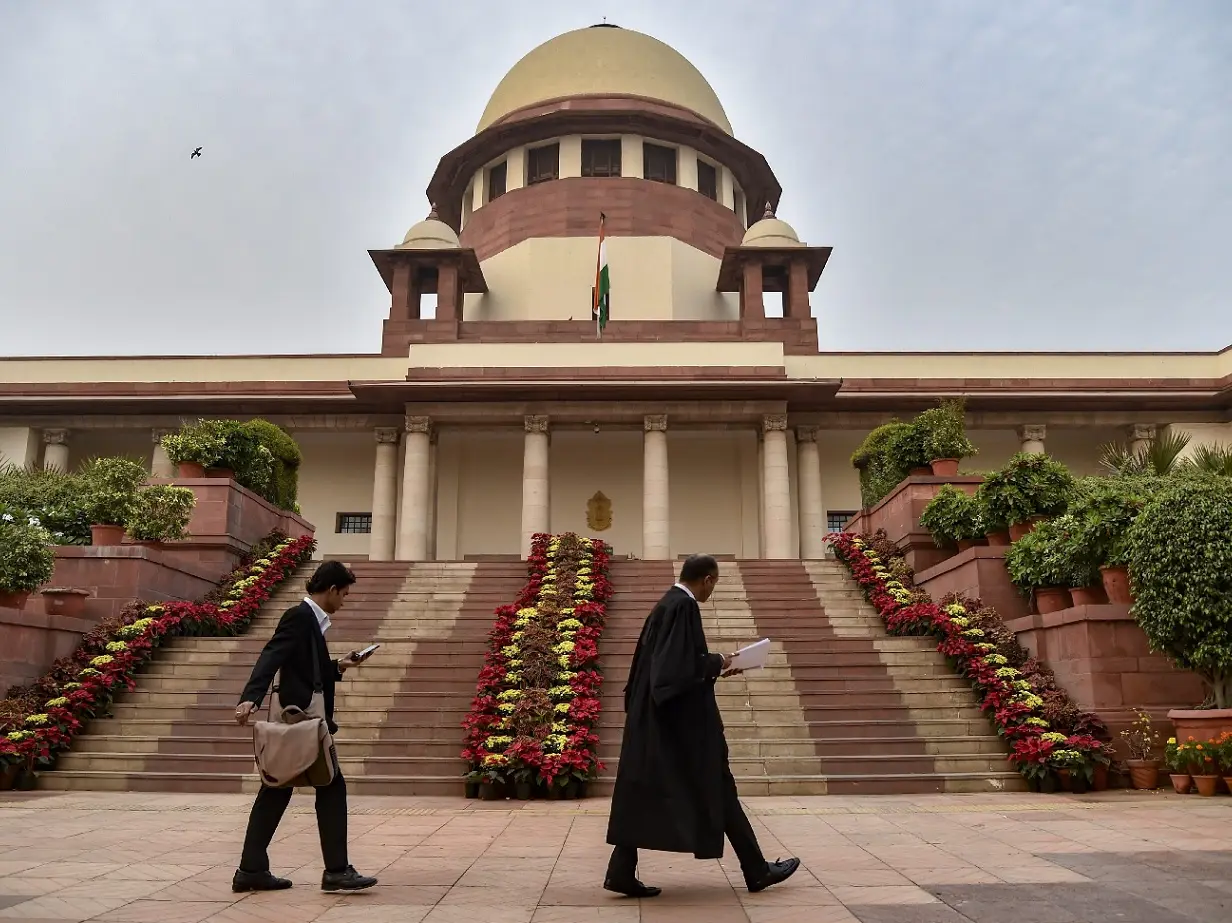
&imwidth=800&imheight=600&format=webp&quality=medium "‘Nobody will hire them’: SC turns down plea on menstrual leaves, says move will hamper career of women")
The Supreme Court on Friday rejected a plea seeking menstrual leaves for working women and female students across India and said that if menstrual leaves are made mandatory at workplaces, it would hinder job opportunities for women as firms won’t be willing to hire them anymore. A bench of Chief Justice of India (CJI) Surya Kant and Justice Joymalya Bagchi made the observations while refusing to entertain a plea seeking menstrual leaves for female students and working women.
The top court, however, said that it would be “excellent” if private companies granted these leaves voluntarily, but making them compulsory would hurt women’s careers. “The moment you say compulsory in law, nobody will give them jobs, nobody will take them in judiciary or government jobs, their career is over ...they will say - you should sit at home after informing everyone,” the CJI said as quoted by a LiveLaw report.
Also Read: ‘Iran not laying mines, allowed ships from some countries to cross Strait of Hormuz’: Deputy FM

“Creating awareness and sensitisation is different... but the moment you bring in a law mandating menstrual leave, nobody will hire them (women),” he said, warning the petitioner, “You don’t know the mindset of employers. They will not hire women if we make such a law.”
The Supreme Court also pointed out the likely impact of such measures on workplace perceptions and the professional growth of women.
Also Read: Oil tanker, with Indian captain, went ‘dark’ to cross high-risk Strait of Hormuz, reach Mumbai
Trending Stories
)
Why asking questions could be more important than memorising answers
)
BRICS Summit 2026: Iran's Pezeshkian praises PM Modi at BRICS
)
Osama Bin Laden ‘planned’ to target India, CIA reveals dozens of declassified documents
)
PM Modi and China's Xi offered to help resolve Russia-Ukraine war: Kremlin
)
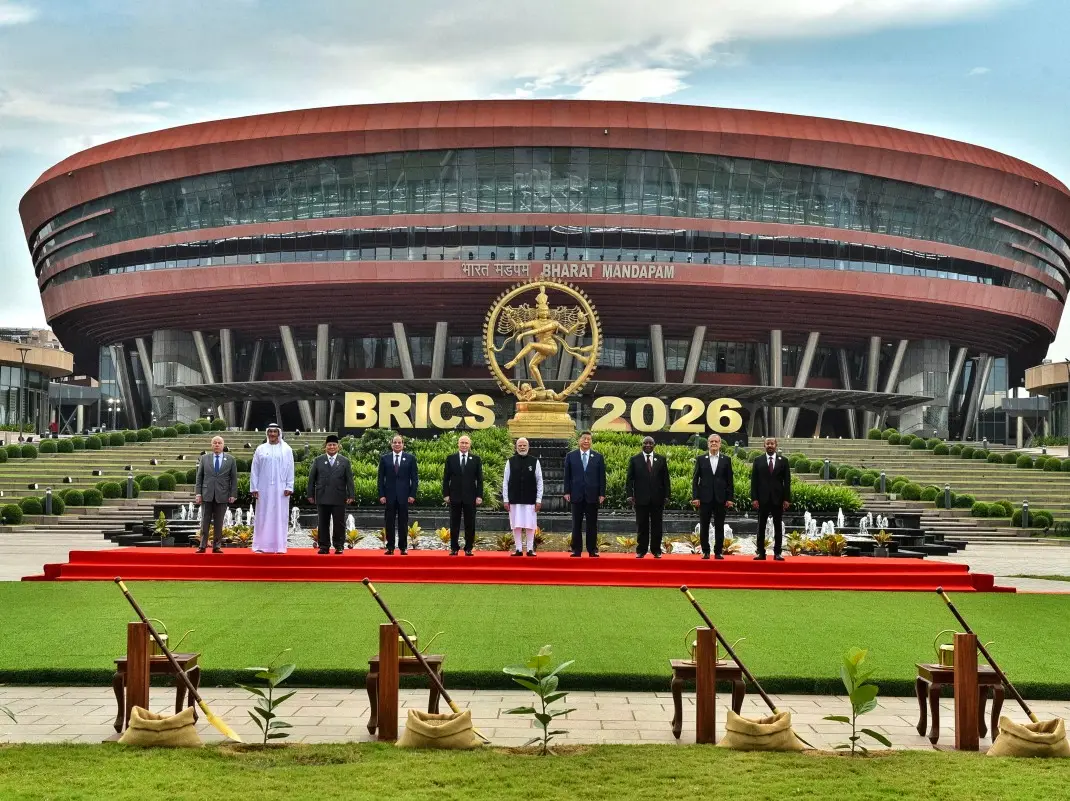
BRICS Summit 2026: Global leaders of BRICS nations attend main open session
)
BRICS rejects EU carbon tax as ‘punitive’, ‘discriminatory’; warns of burden on Global South
)
Why dehydration is the hidden cause of travel fatigue on long flights
)
Top 5 places to visit in Goa beyond its famous beaches
)
'He is popular...': Malaysian PM Anwar Ibrahim's praise for PM Modi during bilateral meeting | WATCH
)
BRICS Summit 2026: 30+ countries seek BRICS membership
)
Frustrated man demolishes his kitchen after thousands flock to see Mother Mary his wife spotted on the wall
)
BRICS Summit 2026: PM Modi, Xi reach key consensus on ties, China to assume BRICS chairmanship in 2027
)
Trump says Canada eager to reach a deal, it could come ‘fairly soon’ if Ottawa treats US farmers better
)
From drones to KAAN fighters: Turkey outlines 229% surge in defence spending amid regional shifts
)
‘Partners, not rivals’: Xi outlines four point plan for stronger India-China ties
&im=FitAndFill=(700,400))
Why Chinese PL-15 air-to-air missiles use dual-pulse motors compared to European interceptors
)
Could staying indoors all day affect your health?
)
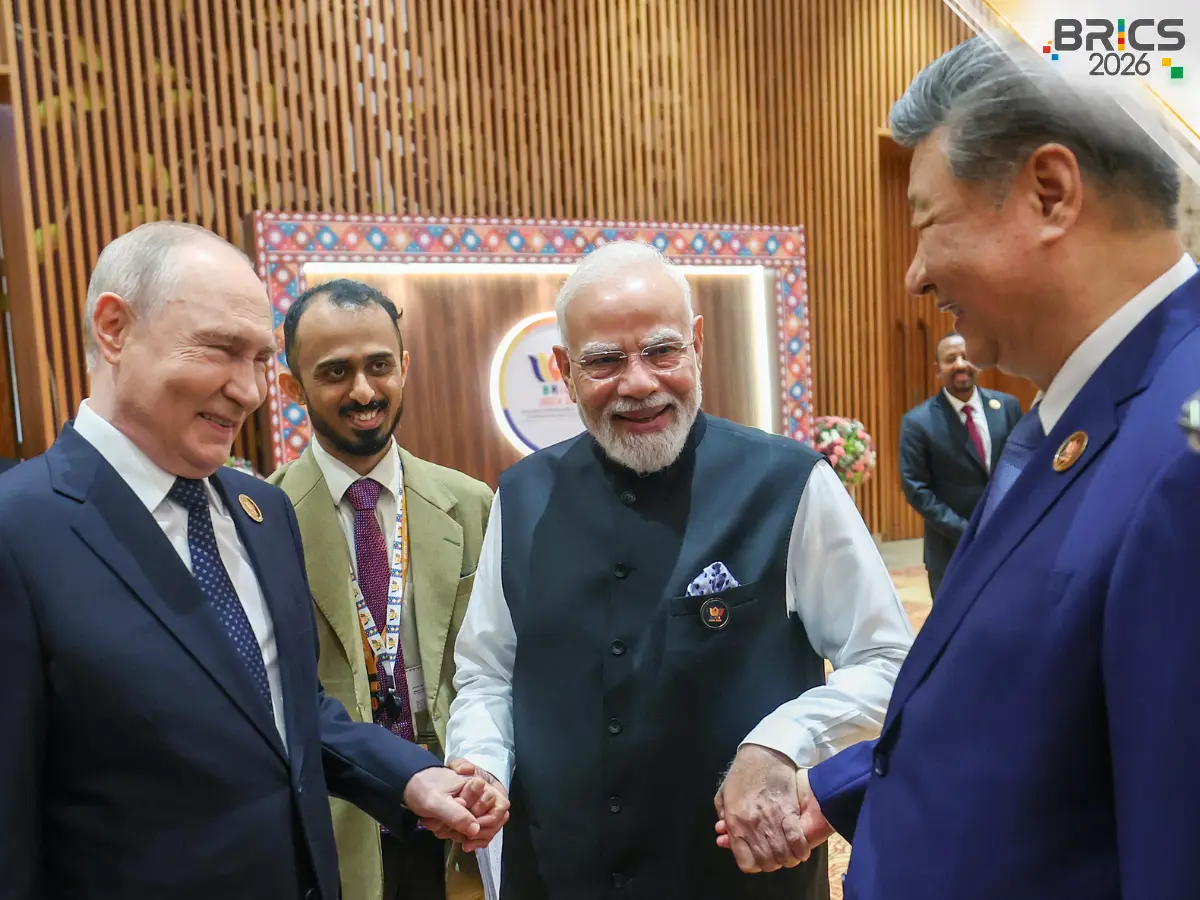
Who is the smiling man beside Modi, Putin and Xi at BRICS Summit 2026?
)
800 million years old - Scientists discover 'fingerprints' of supercontinent Gondwana in ancient rocks
)
Why going digital does not always mean becoming more efficient
&im=FitAndFill=(700,400))
Why do air defence missiles explode near their target instead of hitting it?
)
From severe mobility problems to recovery: Madhuri the elephant’s journey of wildlife care
)
BRICS Summit day 1: New Delhi declaration adopted with full consensus, big diplomatic win for India
)
From India, Putin warns Europe against sending troops to Ukraine, Zelensky expresses willingness to meet him at G20 Summit
)
Did Iran President Pezeshkian touch feet of Hindu spiritual leader at Delhi event as shown in viral video?
)
9-year-old Chennai prodigy clears Cambridge IGCSE grade 10 exams
)
Why does your body need time to adjust after a long journey?
)
Baba Vanga's first prophecy for 2027 is out, and straight out of science fiction
)
BRICS Summit 2026: PM Modi to hold bilateral with leaders of seven countries
)
Ramanathaswamy temple takes centre stage as PM Modi welcomes world leaders at BRICS
)
Why does your skin need protection from UV rays?
)
How does the loss of forests affect the way wildlife lives and moves?
)
IND vs AFG, 1st T20I: When and where to watch live streaming in India?
)
Why do wild animals need quiet places to survive?
)
Humans may lose control of AI: Anthropic CEO calls for slowdown, Altman, Musk back him
“Such a law would also create a psychological fear or impression among working women... that they are less than men,” the Chief Justice opined.
The CJI further said that pleas seeking such leaves to be made legal may have a bad influence.
“They will call women inferior (and say) menstruation is something ‘bad’ happening to them.”
The Supreme Court bench urged the petitioner to think about employers being asked to grant more paid leaves.
The court said that the competent authority may consider the representation and examine the possibility of framing a policy on menstrual leave after consulting all relevant stakeholders.
The plea, reportedly filed by lawyer Shailendra Mani Tripathi, pointed out to the apex court that certain states, like Kerala, have already introduced a relaxation in schools, and so have some private companies for their women employees.