'Stranger Things' season 4 review: The horror series ends the season in a thrilling and action-packed way


'Stranger Things' Season 4 Volume 2 is now streaming on Netflix.
When the inaugural season of 'Stranger Things' released, I was not a fan. I love homages to classic horror as much as any love of spooky cinema, but the show had little personality of its own. Rather, it appeared to be a mish-mash of movies and books like 'The Goonies' and 'It' and filmmakers like Steven Spielberg, often venturing into the territory of derivative.
References do not alone make for good television. There has to be something new, good storytelling, writing, and character work that the show was missing, I thought. My opinion stayed the same as the show entered its second season. It was in the third season that to me the show felt like its own thing, instead of a homage-fest.

But it is season 4 that has turned me into an out-and-out 'Stranger Things' fan. Right now, the show is the best horror TV series around.
The last season ended with our heroes scattered. While Eleven (Millie Bobby Brown) moved to California to live with the Byers, others like Mike Wheeler (Finn Wolfhard), Dustin Henderson (Gaten Matarazzo), Lucas Sinclair (Caleb McLaughlin), are still in Hawkins, Indiana, the main setting of the show.
In the volume 1 of season 4, a new threat emerges from the hellish dimension Upside Down. Called Vecna, he is killing teenagers. And the way this entity murders is just brutal. Season 4 is the most terrifying the show has been.
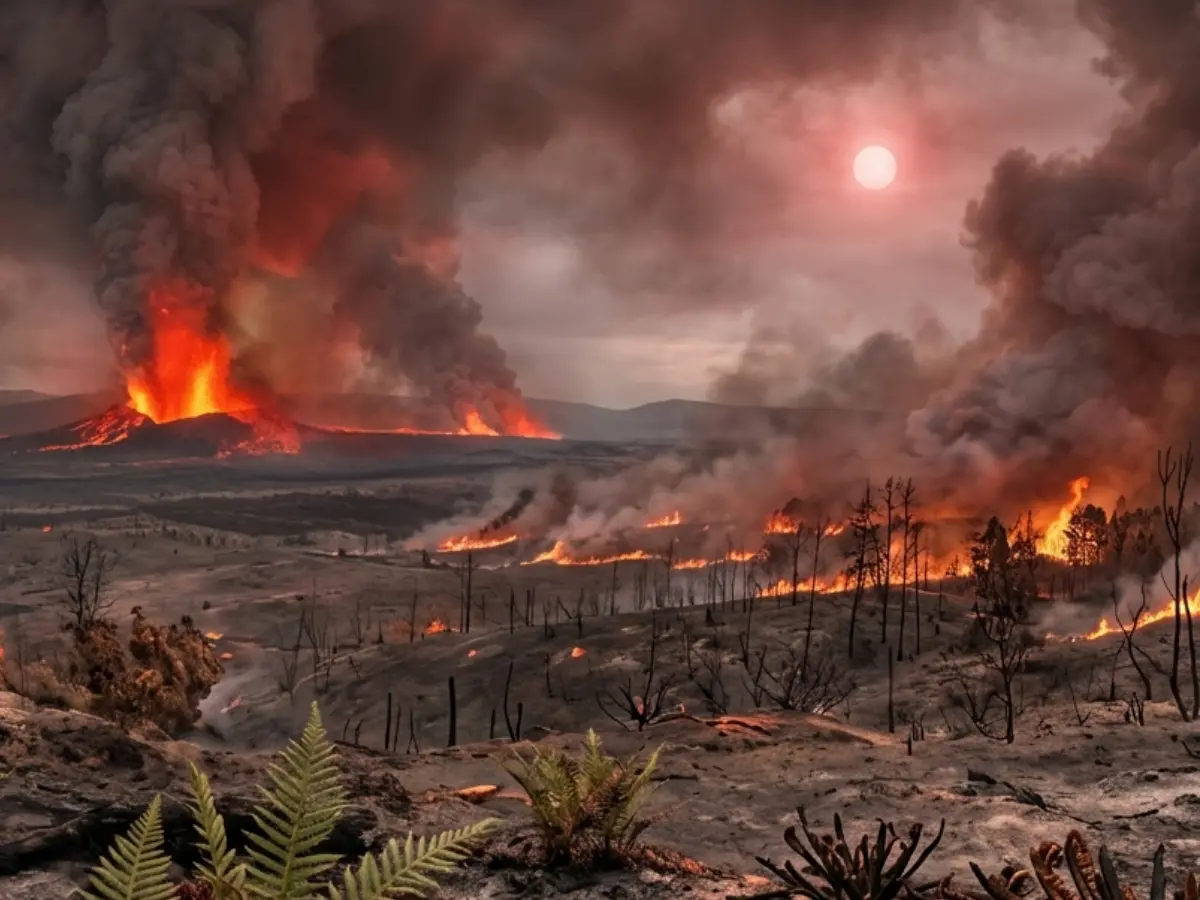)
'Hellish' wildfires burned through Europe for 300,000 years after supercontinent Pangea broke up
)
No Pandya as Auqib Nabi earns maiden ODI call-up; Mayank returns for WI T20Is| check full squads
)
Trump praises India’s Opium crackdown, hails anti-drug efforts
Mandakini breaks silence on Dawood Ibrahim photo: 'I was not invited by him'
)
Former India player Diana Edulji wants Smriti Mandhana to replace Harman as skipper at the earliest
)
Trump calls Canada-EU associate membership plan ‘laughable’ and threatens 'very serious tariffs'
)
Protests erupt over migrant housing plan in Piddington
)
India can scale up Finland’s circular solutions, minister Multala says
)
240-million-year-old bizarre 'pig with a tusk' creature creates new dilemma over origin of dinosaurs
)
Europe wants a common playbook for security threats, seeks security beyond NATO
)
All Indian goods to get duty-free access to New Zealand
)
Formula One reveals the 2027 race calendar; Monaco to host sprint race for the first time
)
Bigg Boss 20: Mahhi Vij reveals she lost Yuva role to Kareena Kapoor; 'didn’t work out in my favour'
)
Lionel Messi for 2026 Ballon d’Or over Mbappe and Yamal, says Diego Simeone
)
US House votes 417-3 to pass Ratepayer Protection Act targeting AI data center electricity costs
)
Hong Kong unveils 11 new measures to boost birth rates, offers higher cash bonuses and housing perks
)
Former OpenAI researcher warns of growing risks from Artificial Intelligence
)
Veteran actor Anant Nag honoured with Indian cinema’s highest award
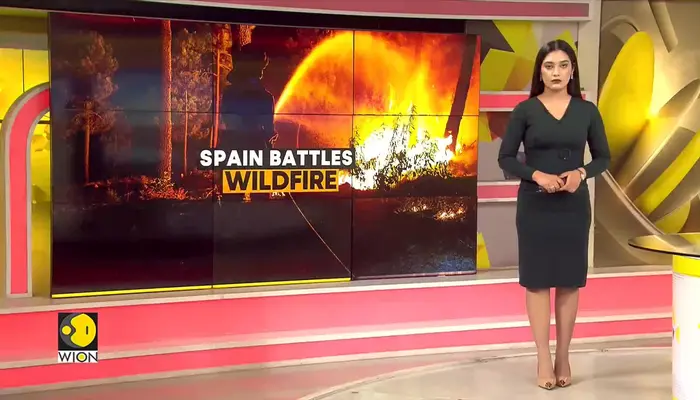)
Wildfire tears through forests in Spain's Valencia
)
AUS vs SA: Steve Smith still gets 'little flashbacks' from sandpaper gate
)
Pakistan naval vessel returns to harbour with 'severe damage' after collision with Indian warship in Arabian Sea
)
Fed raises rates for first time in 3 years, Kevin Warsh defies Trump as inflation mounts
)
Katrina Kaif’s postpartum weight is not the problem; your gaze is
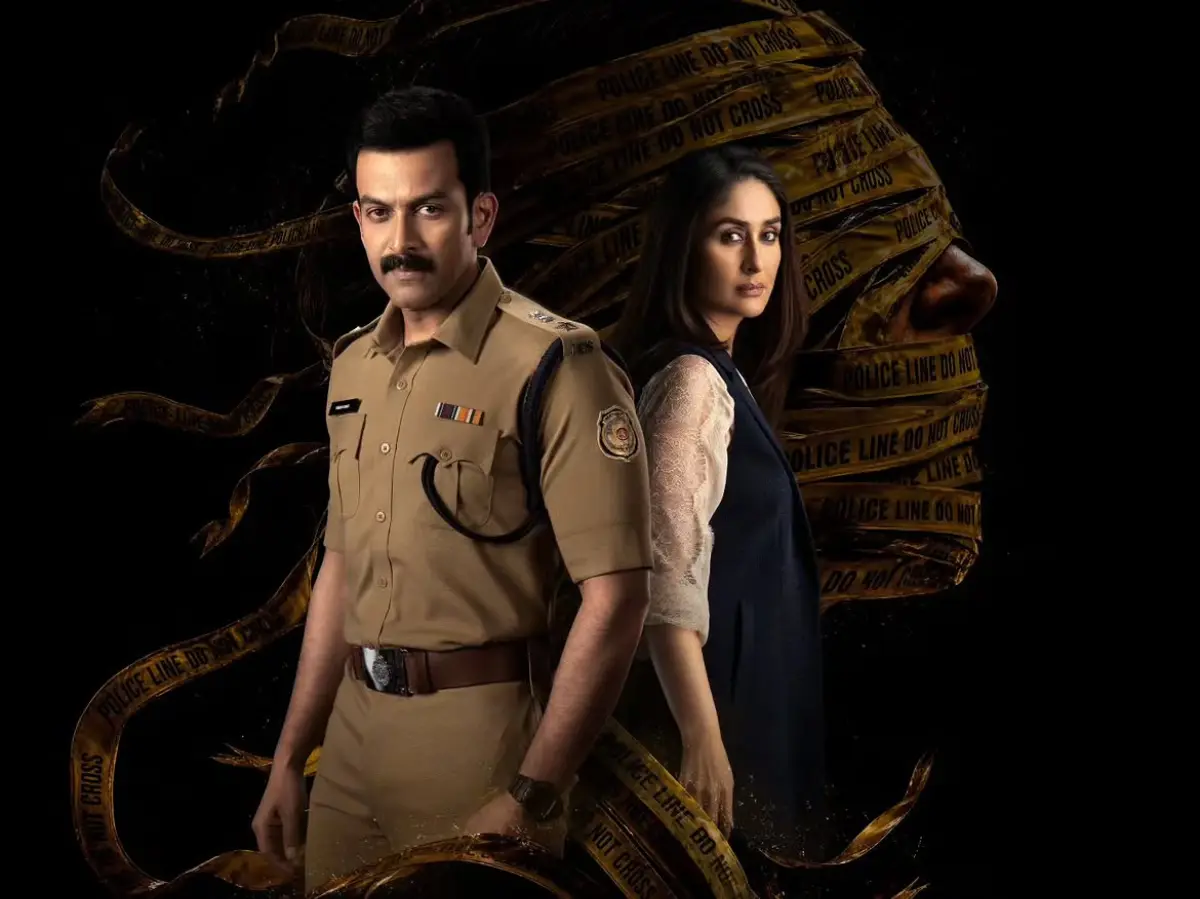)
Daayra movie review: Kareena Kapoor, Prithviraj Sukumaran shine in Meghna Gulzar’s cop-versus-cop crime thriller
)
Saudi Vs Houthis: Yemeni military rebels clash with Houthis
)
Pak batter Rizwan's petition against being questioned by cyber crime agency rejected by court
)
US trade tariff: 100% tariff targets Russian buyers amid trade tensions
)
Pakistan: Imran Khan's sons Kasim & Sulaiman claim their father is 'tortured' in jail
&im=FitAndFill=(700,400))
New OTT releases this week (September 14-20, 2026): Lust Stories 3, Waiting Hai, Irumudi- 5 new titles coming on Netflix, Prime Video and more
)
Ebola outbreak: WHO sees encouraging signs in fight against Ebola outbreak
)
Trump gets new power to hit India, China with up to 100% tariffs as US Senate clears Russia sanctions bill
)
‘Imagine 50 AI fighters cornering one manned jet’: India’s mobbing doctrine eyes a new era of air warm
)
Saudi vs Houthis: Riyadh claims to have shot Houthi drone targeting Mecca
)
US Treasury rallies global financial institutions for Op Economic Outcast to isolate Iran
)
Want to get married within a year? Why 18 lakh people rush to Jaipur for ‘sacred henna’
)
Pakistan boycotts chess match against Israel at Olympiad
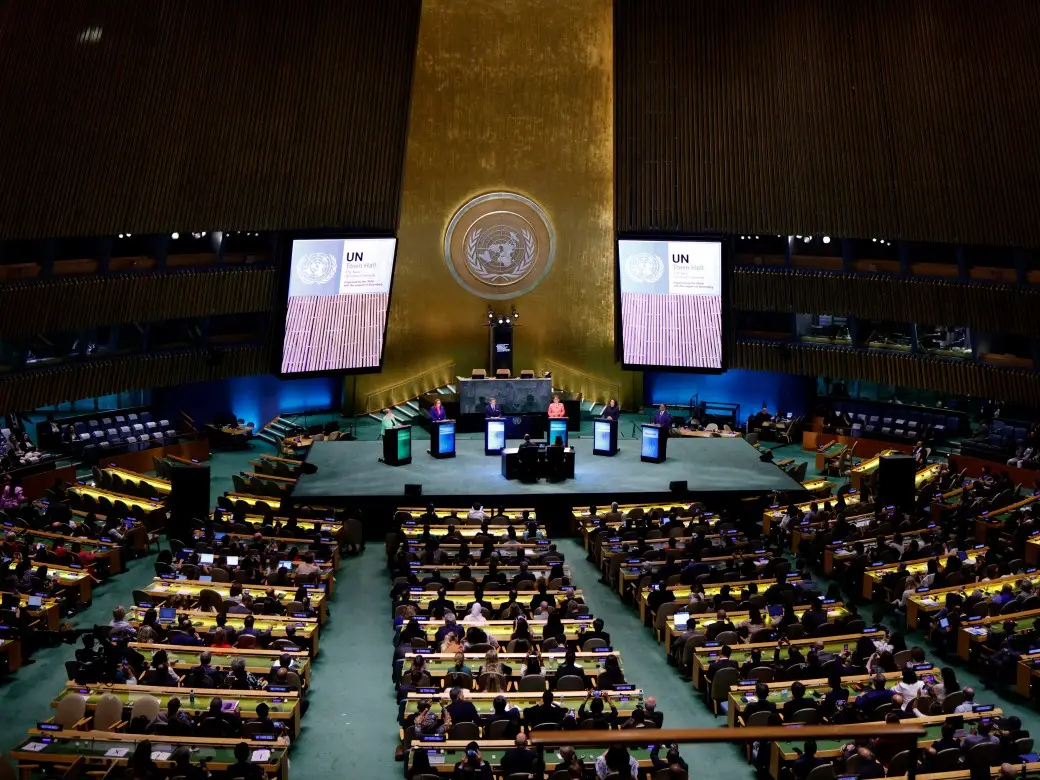)
UN General Assembly 2026: What is veto power. Which countries have it and how does it work?
&im=FitAndFill=(700,400))
Suriya and Jyothika say ‘I do’ again after 20 years! See their dreamy wedding pics
)
Abhishek Sharma rises to No. 2 in T20Is; ENG’s Robinson 3rd after record Pakistan Tests
)
Laura Wolvaardt sets new world record for most WT20I runs in a year
)
The Early Spring season 2 is happening, but fans have one request - 'don't change the actors'
)
In the end, in the sixth episode that is, our heroes figure out that Vecna is actually Henry (Jamie Campbell Bower). Henry was a fellow participant in the experiments carried out by Martin Brenner (Matthew Modine) and the CIA. When young, Eleven became distressed by Henry's murderous ambitions and sent him to Upside Down.

Volume 2 of season 4 is made up of two episodes. The children (if they are still that as most of them are over 18)in Indiana and California, and the grown ups in Russia (Hopper, Joyce, and their Russian allies) band up to take down the Vecna and close the access to and from Upside Down once and for all.
First off, these are extremely long episodes. While the seventh episode titled "Papa" goes on for 85 minutes, which is less than the preceding episode (98 minutes), the ninth episode ("The Piggyback"), also the finale, clocks exactly 150 minutes, which is longer than most feature-length movies today.
The episodes do, indeed, feel long. This issue of protracted runtime has plagued Netflix originals in the past. This makes me think this is mandated, and that the streamer probably gains -- or thinks it gains -- that precious viewership by stretching the runtime needlessly. A lot of stuff does happen, make no mistake, but it is nowhere near enough to excuse the slog.
Also Read:'Who is Ghislaine Maxwell?' New documentary series tries to explore the famous socialite's life
With that said, both episodes conclude the season in a thrilling, entertaining way. The quality of the production, particularly CGI, is also much improved. Sluggish pace aside, the show does benefit in a few indulging moments that help flesh out the characters. The mythology that the show introduced to pop culture also feels more logical now.
Also, this season, the show has not just piled on nostalgia, but actually engaged with it. Sure, the show says, the 70s and 80s were great, but there were also fears about sinister cults, Satan's alleged influence and so on over the then-modern generation over harmless hobbies like tabletop RPGs.
Also Read:Netflix crashes minutes after the release of 'Stranger Things season 4 volume 2'
In the world of 'Stranger Things', the scary thing is not just Upside Down and the fiends inhabiting it, it is the quotidian things like bigotry that truly end up chilling us to the bone. This is why movies like 'Get Out' and 'Hereditary' carry more fright quotient than, say, 'The Conjuring' movies, for they engage with our real-world fears. The horror does not end when we stop watching those movies and switch off the device. It stays.
'Stranger Things' season 4 is a winner, and speaking as a former sceptic, I wish the next season were already here. I could certainly do with leaner runtimes, though.