

&imwidth=800&imheight=600&format=webp&quality=medium "YEARENDER: 2025 saw Pakistan's democracy deteriorate as Army gained unfettered powers")
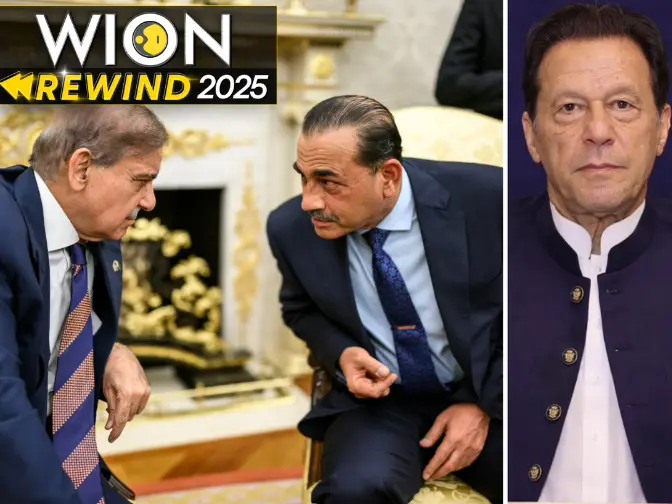
For Pakistan, the year 2025 was marked by political unrest, a deepening of the military’s influence in the nation’s government, and a brief military conflict with India. Throughout the year, the government continued its crackdown on the opposition, particularly the Pakistan Tehreek-e-Insaf (PTI) of the jailed former prime minister Imran Khan.
An elected government that functioned as semi-authoritarian
Since the disputed election that brought in a coalition government led by Prime Minister Shehbaz Sharif of the PML-N, tensions have continued. Pakistan increasingly functioned as an authoritarian government propped up by the military. The army chief, Asim Munir, delivered provocative speeches that at least partially contributed to heightened regional tensions, which later culminated in India’s Operation Sindoor, launched in response to the Pahalgam terror attack in Kashmir. At the same time, the central government of Pakistan continued to face tensions in the provinces, particularly separatist and militant activity in Balochistan and Khyber Pakhtunkhwa (KPK).
Also read: India charges Pakistan-based terrorists over deadly Pahalgam tourist attack
The country’s government was accused of authoritarian measures even as it faced ongoing economic challenges that were not resolved despite successive tranches of aid from the International Monetary Fund. The Pakistani economy continued to stutter, due to inflation, debt servicing pressures, and IMF-mandated structural reforms that remained unpopular and politically contentious.
From jail, Imran Khan dominated headlines
Imran Khan remained imprisoned throughout 2025. PTI demanded the release of Khan from jail even as he continued to battle multiple court cases, while protests were repeatedly suppressed. In January, Khan and his wife Bushra Bibi received 14-year jail sentences in the Al-Qadir Trust case, which PTI described as politically motivated. The party later withdrew from reconciliation talks with the government, demanding judicial commissions to probe the violence against its activists. Protests and arrests continued in the subsequent months. By the end of the year, calls for the release of Imran Khan and renewed PTI protests reached a crescendo, with Khan’s British-born sons also increasing pressure on the government.
Trending Stories
&imwidth=180&imheight=135&format=webp&quality=medium)
Priyanka Chopra celebrates Dussehra 2026 with Nick Jonas and daughter Malti Marie | See pics
&imwidth=180&imheight=135&format=webp&quality=medium)
Diljit Dosanjh's Oct 30 Delhi show hits roadblock, Delhi Police denies permission
&imwidth=180&imheight=135&format=webp&quality=medium)
China's dancing robot turns violent bodyguard, lifts cars and fights intruders - Watch
&imwidth=180&imheight=135&format=webp&quality=medium)
Will Rohit and Kohli play ODI World Cup 2027? BCCI president Manhas says board 'not in a position to comment'
&imwidth=180&imheight=135&format=webp&quality=medium)
Rafale Marine fighter begins flight trials in Goa ahead of Indian Navy induction
&imwidth=180&imheight=135&format=webp&quality=medium)
Feds obtain DNA evidence that could prove Ilhan Omar married her brother: Report
&imwidth=180&imheight=135&format=webp&quality=medium)
16-foot doomsday fish in Chile triggers fears that the next earthquake is coming
&imwidth=180&imheight=135&format=webp&quality=medium)
US midterms 2026: What polls and prediction markets indicate about Congress
&imwidth=180&imheight=135&format=webp&quality=medium)
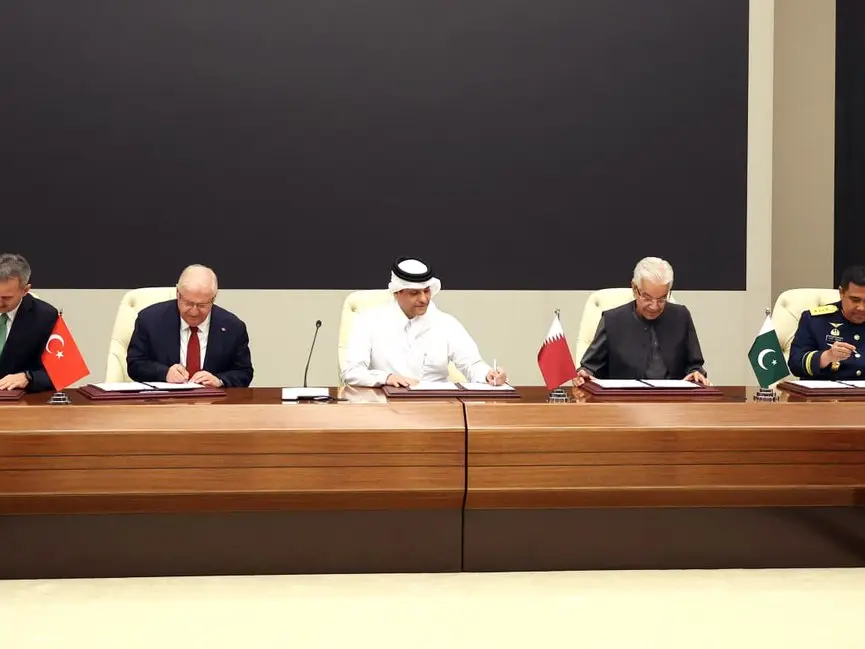
Pakistan signs another defence pact even as Makkah Alliance shows no teeth. This time, it's with Qatar, Indonesia, Turkey
&im=FitAndFill=(700,400)&imwidth=180&imheight=135&format=webp&quality=medium)
New OTT releases this week (October 19-25, 2026): Gajab Raat to Chaar Yaar-8 titles to watch during Dussehra week on Netflix, Prime Video and more
&imwidth=180&imheight=135&format=webp&quality=medium)
Why websites around the world are suddenly going offline? What you need to know about PHP
&imwidth=180&imheight=135&format=webp&quality=medium)
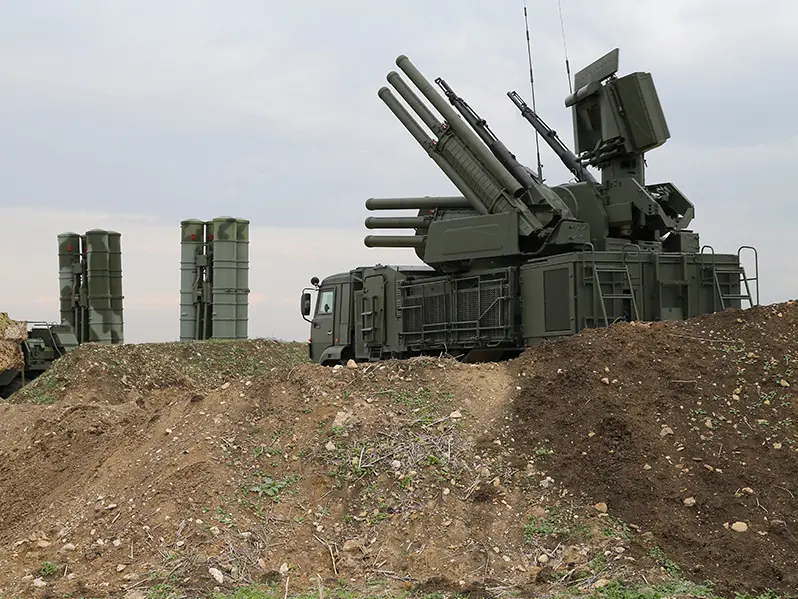
From Agni-V to Project Kusha: How are India’s indigenous missile systems and defence shield reshaping modern warfare
&imwidth=180&imheight=135&format=webp&quality=medium)
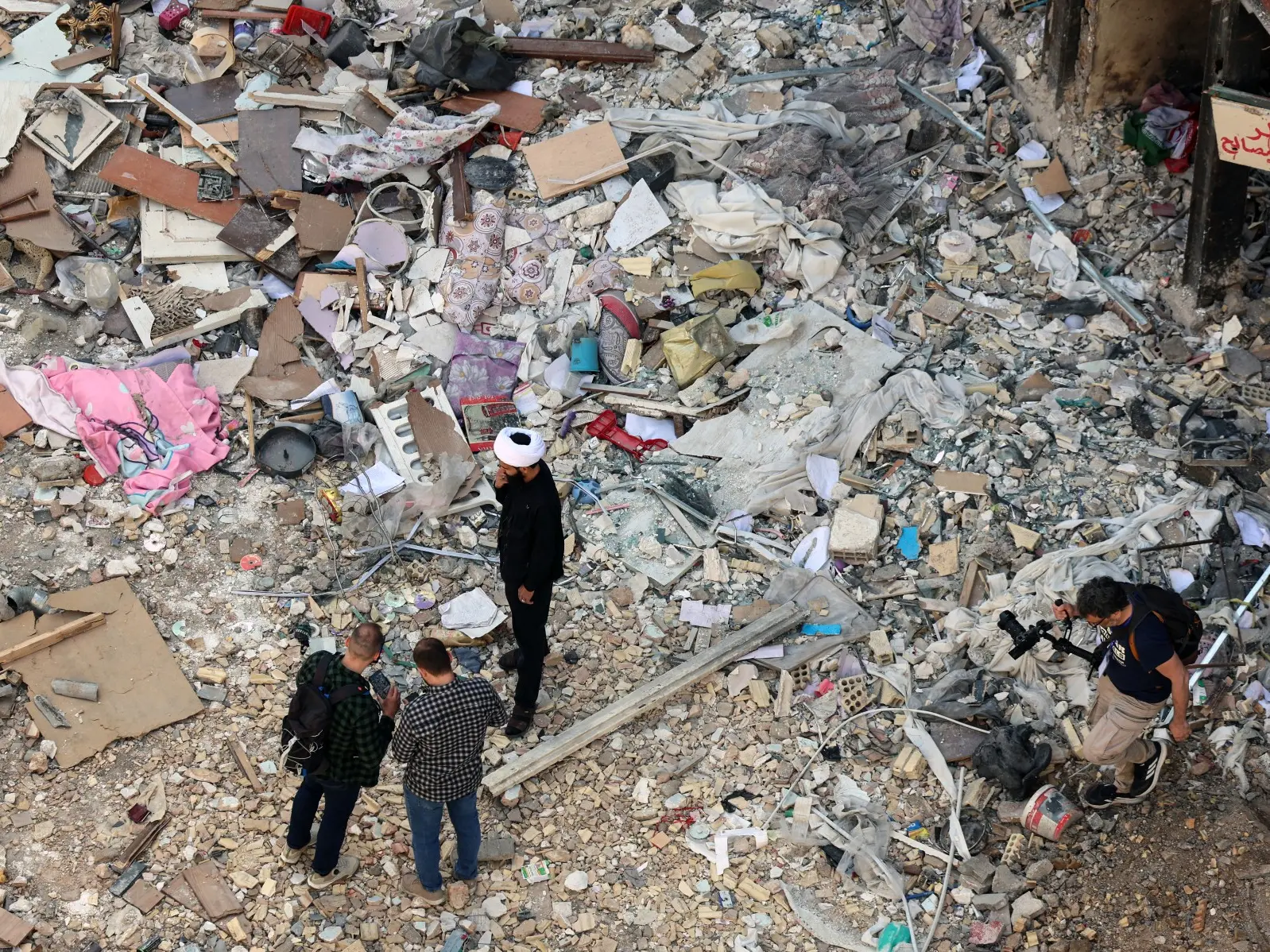
Are the US and Israel preparing for another major attack on Iran? Here's what report claims
&imwidth=180&imheight=135&format=webp&quality=medium)
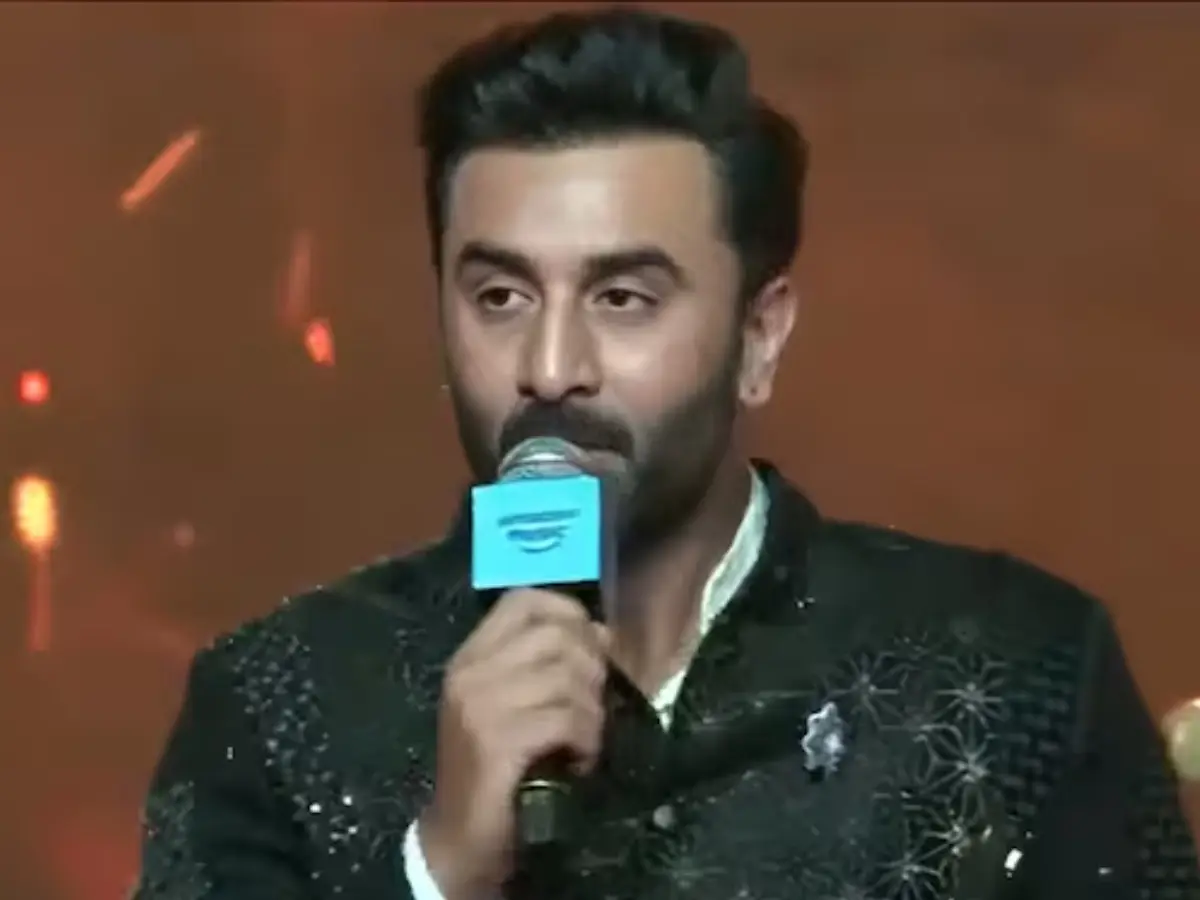
Ranbir Kapoor apologises for Dussehra speech slip, clarifies remark at Ramayana event
&imwidth=180&imheight=135&format=webp&quality=medium)
'Gyanu must go': CJP's Saurav Das, Ashutosh Ranka after release, despite Jantar Mantar protest undertaking
&imwidth=180&imheight=135&format=webp&quality=medium)
US-Iran war: Bibi, Trump gamble on new Iran war to save themselves in polls
&imwidth=180&imheight=135&format=webp&quality=medium)
Viral video shows cross falling on Colombia priest, no official confirmation | WATCH
&imwidth=180&imheight=135&format=webp&quality=medium)
Australia police arrest former national 100m champ Jake Doran for alleged child abuse
&imwidth=180&imheight=135&format=webp&quality=medium)
Kolkata airport: CISF detects ₹1.13 crore in US dollars hidden in bags of 2 Bangkok-bound passengers
&imwidth=180&imheight=135&format=webp&quality=medium)
EU probes Booking.com under Digital Services Act
&imwidth=180&imheight=135&format=webp&quality=medium)
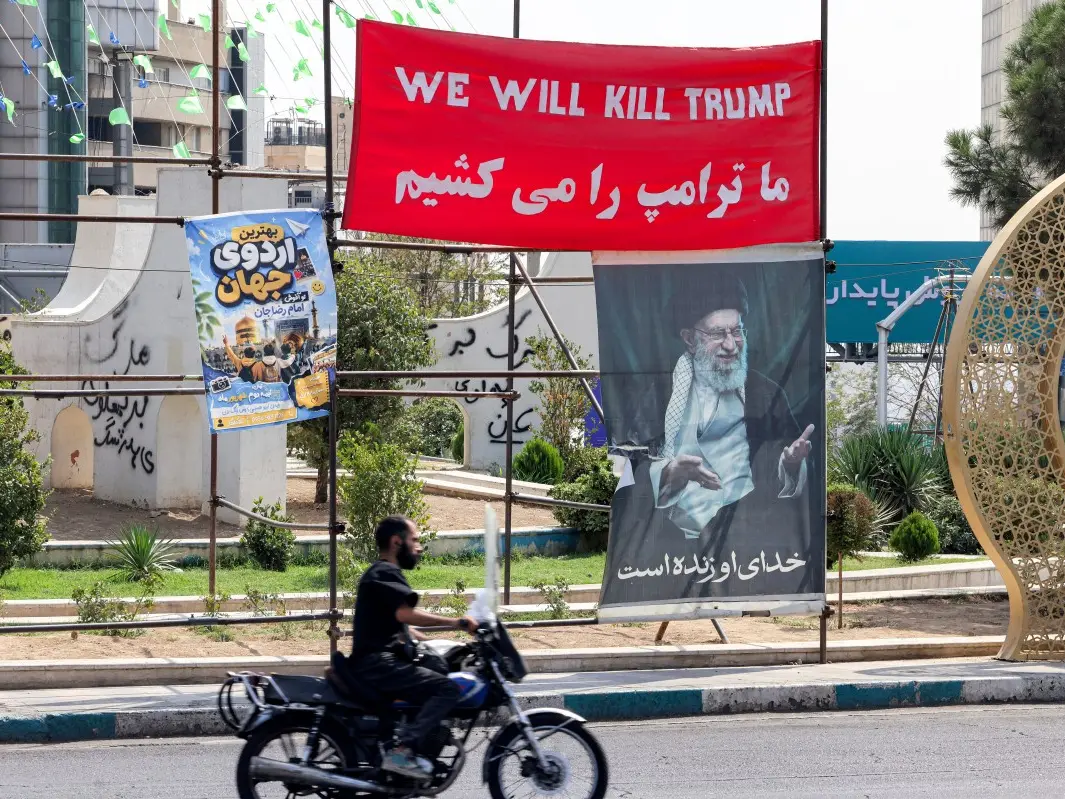
'Father of all bombs' vs 'mother of all bombs': Iran threatens US with new weapon as Trump hints at MOAB strike
&imwidth=180&imheight=135&format=webp&quality=medium)
WATCH: Woman IPS officer fires several rounds of AK-47, ignites debate online
&imwidth=180&imheight=135&format=webp&quality=medium)
‘I caution the president...’: Trump’s ex-press secretary warns after Zacharia’s exit
&imwidth=180&imheight=135&format=webp&quality=medium)
'It's a crime not to see this scene': Tehran puts Trump 'behind bars'
&imwidth=180&imheight=135&format=webp&quality=medium)
US to get 850 F-35 stealth fighter jets under 10-year Pentagon-Lockheed deal
&imwidth=180&imheight=135&format=webp&quality=medium)
'You are a dummy, you are a stupid person': Trump loses temper with CNN, ABC reporters after questions about Russia sanctions
&imwidth=180&imheight=135&format=webp&quality=medium)
US midterms 2026: Trump's approval rating hits record low as Democrats gain ground
&imwidth=180&imheight=135&format=webp&quality=medium)
Meta slapped with $25 billion fine in New Mexico over Facebook data practices, company plans appeal
&imwidth=180&imheight=135&format=webp&quality=medium)
Ilhan Omar breaks silence over alleged marriage to her brother; Trump thinks it's 'really good answer'
The rise and rise of Pakistani military led by Asim Munir
The year was widely described as the most powerful yet for Pakistan’s military. Throughout 2025, the military–intelligence complex further strengthened its role as a political arbiter and a dominant influence on governance.
After extensive political debate, a constitutional amendment created the role of Field Marshal, which was given to Asim Munir. The 27th Amendment also made Munir the Chief of Defence Forces (CDF). The reform, passed in November, granted him lifelong immunity and control over all branches of the Pakistani military. Critics described the move as a consolidation of military authority and a serious erosion of democratic principles.
A war-like situation: Tensions between India and Pakistan
Tensions between India and Pakistan flared after the 22 April Pahalgam terror attack. India launched missile and air strikes under Operation Sindoor on 7 May, followed by Pakistani retaliation. The four-day conflict ended with a ceasefire on 10 May. The confrontation brought Pakistan’s political and military leadership closer and boosted the popularity of the armed forces. Pakistan subsequently embarked on a revamp of its defence. The military was restructured, and an Army Rocket Force Command was created in August. Pakistan also signed a mutual defence pact with Saudi Arabia in September.
Tensions and terrorism in the provinces
Protests intensified in Balochistan against perceived oppression, with some groups openly calling for independence. The government responded with crackdowns on activists and protest organisers.
Pakistan also faced a number of terror incidents throughout 2025, highlighting persistent security challenges. Groups such as the Tehreek-e-Taliban Pakistan (TTP) and the Balochistan Liberation Army (BLA) remained active, launching suicide attacks and ambushes targeting military and police personnel.
Another conflict brewing: Pakistan-Afghanistan tensions
Throughout the year, Pakistan’s relations with Taliban-ruled Afghanistan deteriorated. Pakistan’s deportation of Afghan nationals and the occasional closure of border crossings caused resentment, with tensions felt most acutely in Khyber Pakhtunkhwa province. The two countries’ forces engaged in border skirmishes and heated rhetoric, even as Taliban-aligned groups such as the TTP continued their operations against Pakistani security forces.

