Trump -Xi Jinping meeting: Highs and lows of US-China relations in Trump era

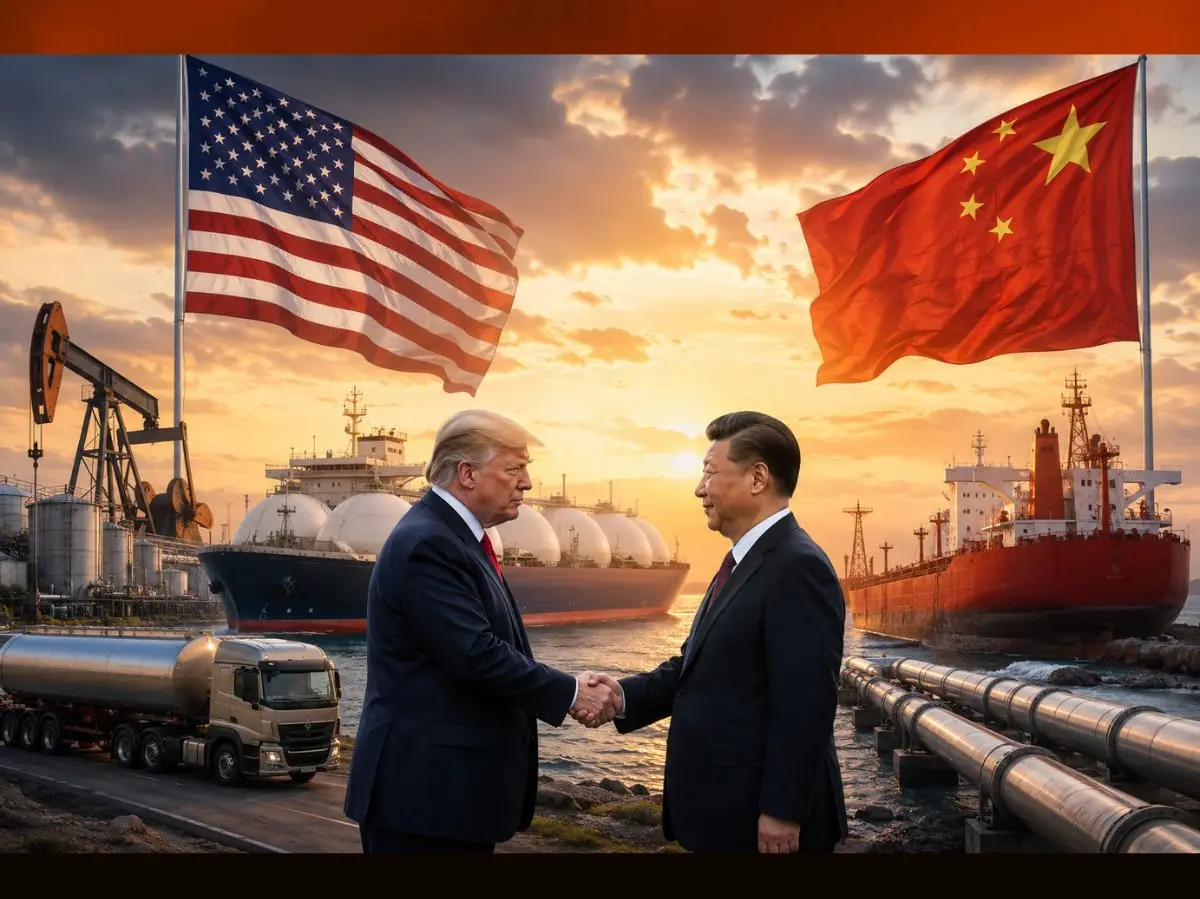&imwidth=600&imheight=450&format=webp&quality=medium "Trump -Xi Jinping meeting: Highs and lows of US-China relations in Trump era")
Image for representation Photograph: (AI Generated)
President Trump’s visit to Beijing with Marco Rubio highlights fluctuating US-China ties. Discussions centre on trade, Taiwan, and Iran, while China utilises a name-transliteration workaround to bypass Rubio’s sanctions.
As US President Donald Trump is set to visit China on Wednesday (May 13) for high-stakes talks with Chinese President Xi Jinping, the visit marks another chapter in one of the world’s most consequential and turbulent relationships. Since Trump first came to power in 2017, ties between Washington and Beijing have swung between ceremonial warmth and intense confrontation, reshaping global trade, diplomacy and technology.
Trump’s first state visit to China in November 2017 was marked by lavish symbolism. Xi hosted the American president inside the Forbidden City, a privilege previously extended to no other US president. Beijing sought to project an image of parity between the two powers while presenting Xi as Trump’s geopolitical equal.
Nearly a decade later, the balance of confidence appears to have shifted further in China’s favour. Xi, now serving an unprecedented third term, has overseen a vast expansion of Chinese ambitions in advanced manufacturing, renewable energy, artificial intelligence and robotics. Chinese cities and industrial hubs increasingly reflect Beijing’s long-term strategy to challenge American dominance economically and technologically.
This week’s summit is expected to include discussions on trade disputes, technology restrictions, Taiwan and the escalating tensions surrounding Iran. The talks come at a moment when Washington officially regards China as its foremost strategic competitor. Ali Wyne of the International Crisis Group said China no longer feels compelled to prove itself America’s equal because Washington now openly acknowledges Beijing as a “near-peer” rival.
Where does China stand?
Trending Stories
)
)
)
&im=FitAndFill=(700,400))
)
)
)
)
&im=FitAndFill=(700,400))
)
)
)
)
)
)
)
)
)
&im=FitAndFill=(700,400))
)
)
&im=FitAndFill=(700,400))
)
)
)
)
&im=FitAndFill=(700,400))
)
)
)
)
&im=FitAndFill=(700,400))
)
Much of modern China’s transformation is visible far from Beijing’s political centre. In the sprawling south-western megacity of Chongqing, massive state investment has turned a once gritty manufacturing base into a futuristic urban powerhouse known for automation, advanced logistics and dazzling skyscrapers.
Nicknamed China’s “8D city” because of its layered vertical design, Chongqing has become one of the country’s biggest soft power showcases. Visa-free policies and social media-driven tourism campaigns have helped attract millions of overseas visitors in recent years.
Yet the glittering skyline also masks economic strain. Local governments across China are grappling with heavy debt burdens after years of rapid infrastructure spending. The country’s property downturn, weak domestic consumption and rising unemployment continue to weigh on growth.
Additional pressure has come from Trump-era tariffs that remain partly in place and renewed instability in the Middle East following the US-Israeli conflict involving Iran. Chinese citizens interviewed in Chongqing expressed frustration over global instability and the impact on investments and jobs.
One resident criticised Trump’s “America First” approach, saying China had spent decades pursuing long-term strategies while the US president focused on confrontation. Trump even acquired an unusual nickname among some Chinese internet users: “Chuan Jianguo”, loosely translating to “Trump the nation builder”, reflecting a tongue-in-cheek belief that his policies inadvertently accelerated China’s rise.
Despite political tensions, many young Chinese still admire the US for its openness, innovation and educational opportunities. However, deteriorating bilateral ties and tighter visa scrutiny have made studying and working in America more uncertain than before.

