&imwidth=800&imheight=600&format=webp&quality=medium "Thailand - Cambodia border clash: Are they fighting over a Hindu temple? The reality of Preah Vihear complex")
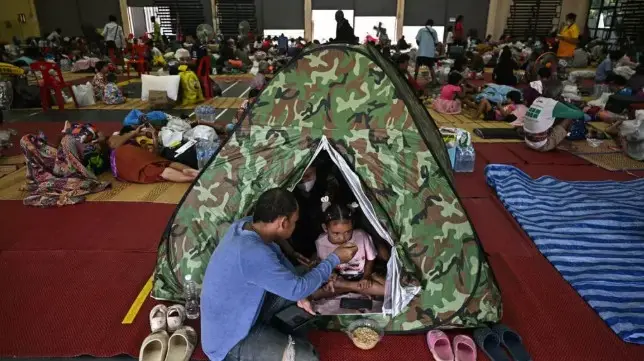
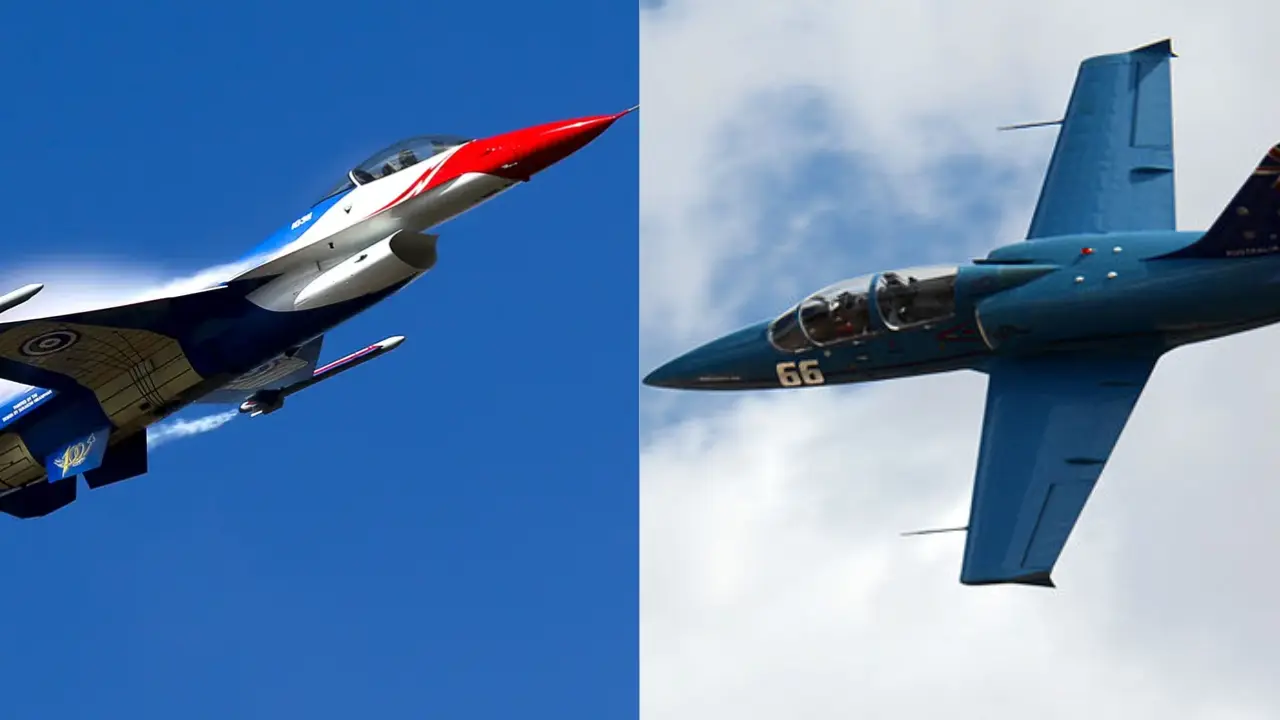
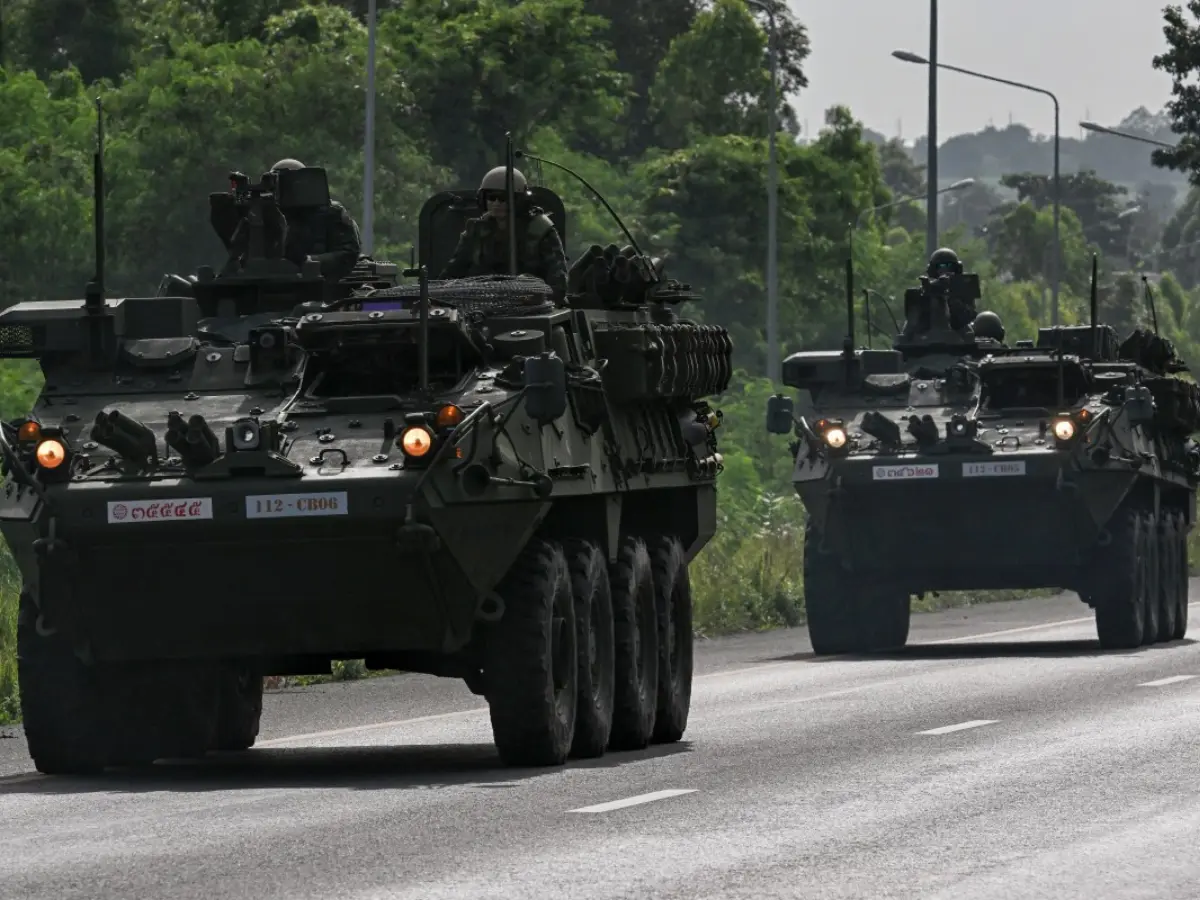
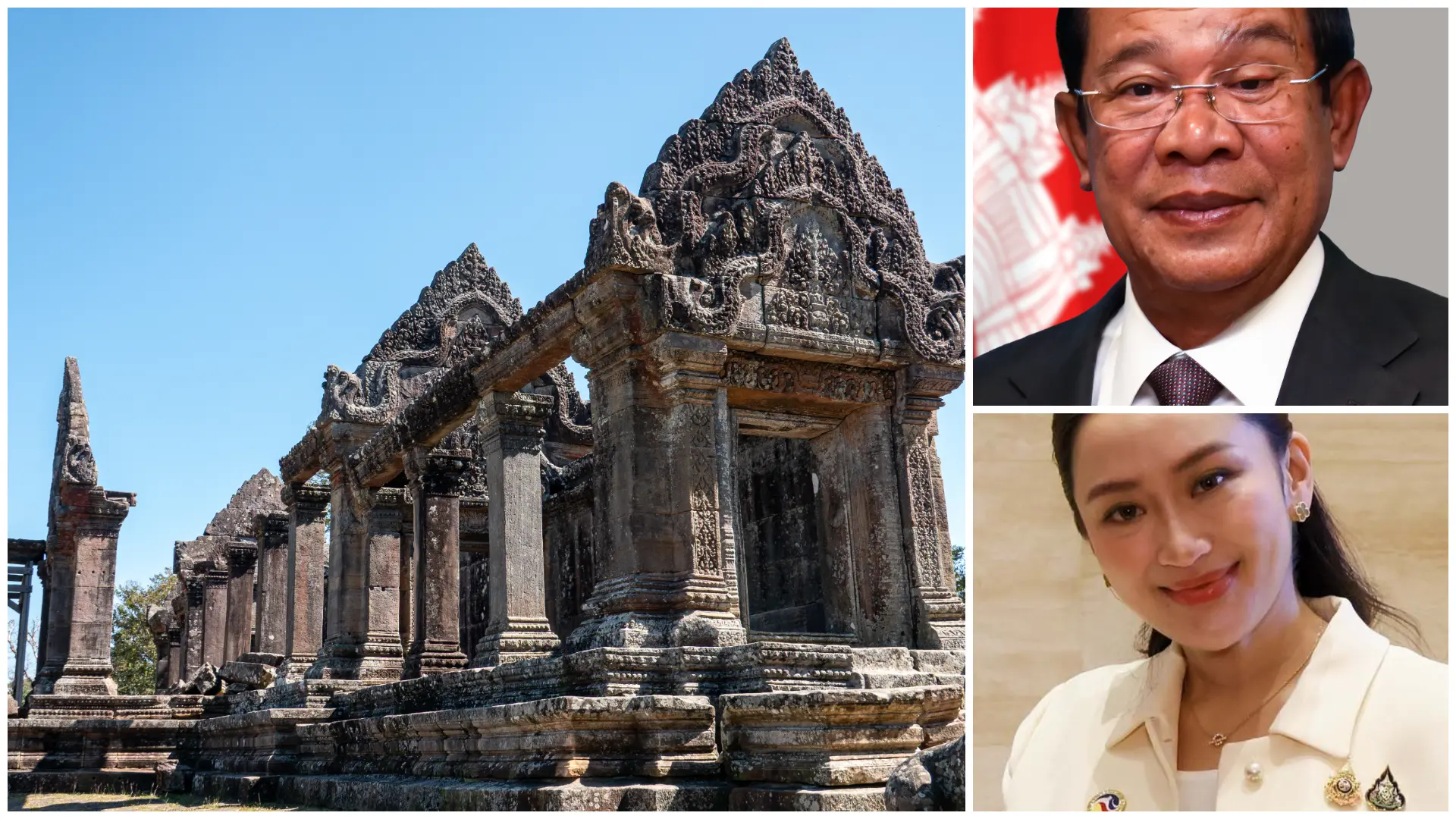
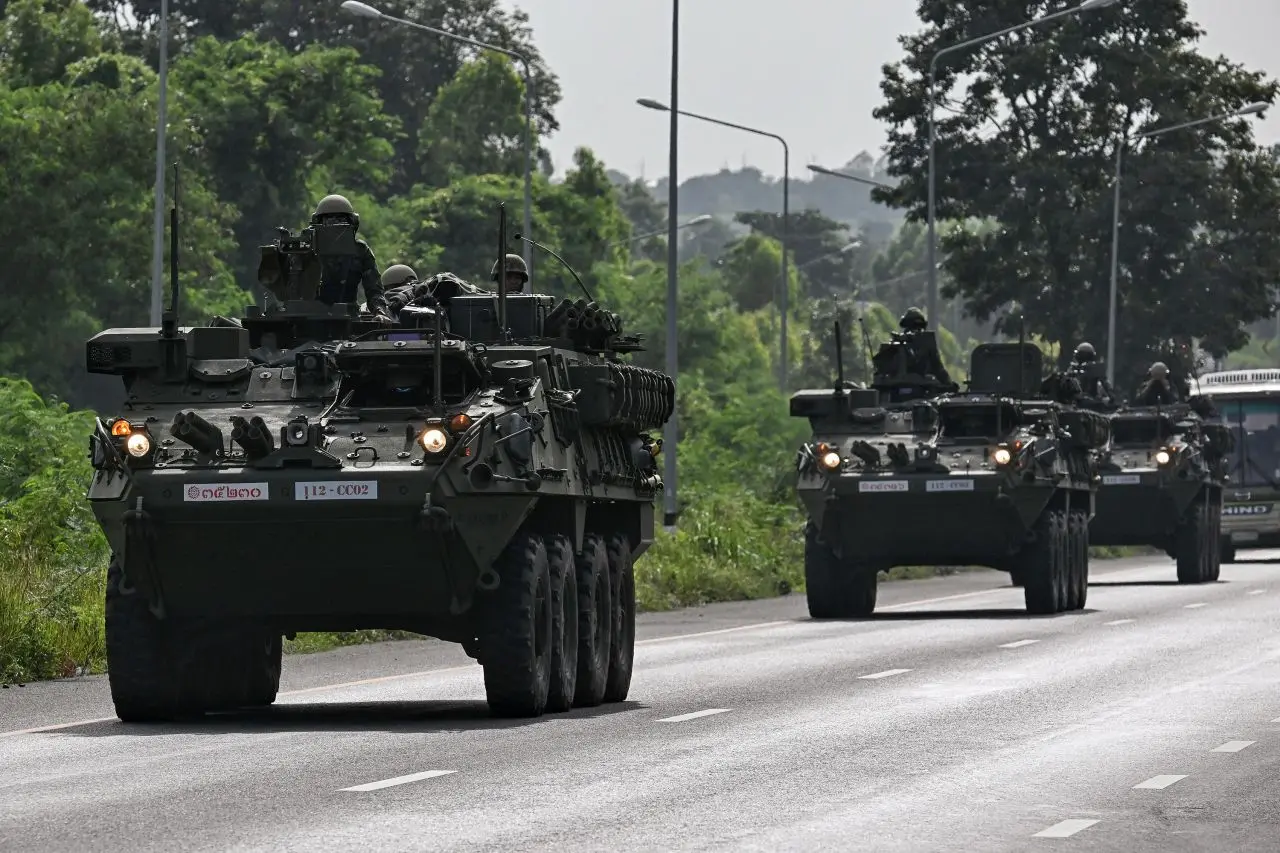
Cambodia and Thailand have clashed on their border this week, leading to at least 12 deaths and even the use of fighter jets and drones. There have been reports that the fight is over a Hindu temple, but it's more nuanced than that. The Preah Vihear temple complex has a very interesting story, which is tied to the Hindu and Buddhist influences in Cambodia's history. Here is a detailed look, answering the question: Is Preah Vihar a Hindu, Buddhist, or hybrid shrine?
Preah Vihear temple on the Thailand-Cambodia border: Is it a Hindu, Buddhist, or hybrid temple?
In order to understand it, we have to dig into Cambodian history, particularly the religious conversion of Khmer rulers. Preah Vihear was indeed built as a Hindu temple dedicated to Lord Shiva, at a time when the rulers were Hindus. But as subsequent generations of Khmer kings converted to Buddhism, the temple complex introduced Buddhist elements. So it is best to call Preah Vihear a hybrid shrine.
Where is the Preah Vihear Temple at the heart of the Thailand-Cambodia border clash?

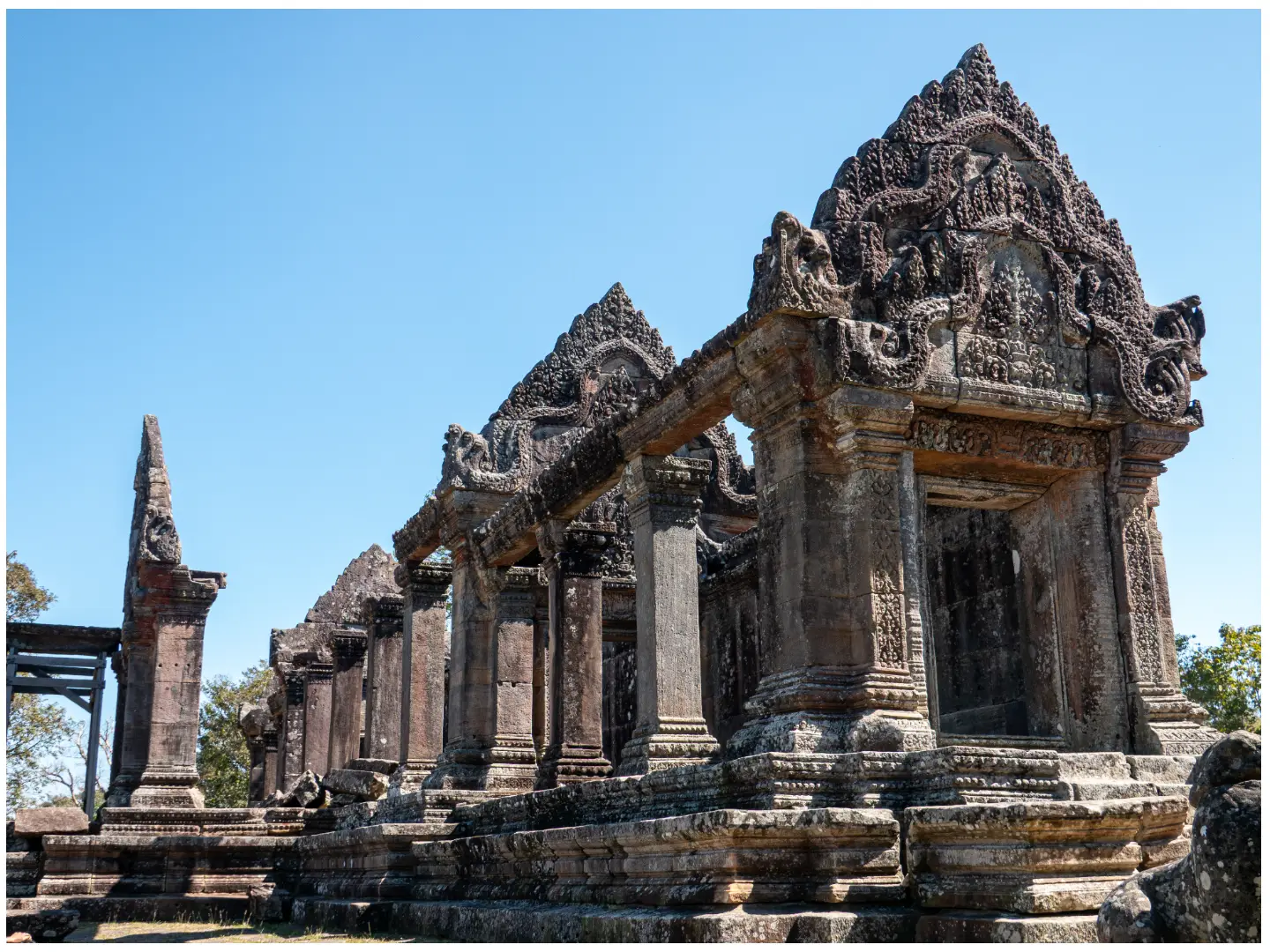
Preah Vihear Temple complex is situated at a 525-metre cliff in the Dângrek Mountains along the Cambodia-Thailand border. It was not built and finished at one go, but modified and embellished over centuries by the kings of the Khmer Empire, which at one point ruled areas that are currently part of Thailand. These developments, spanning the 9th to the 13th century, make the temple a masterpiece of Khmer design, which earned it a place as a UNESCO World Heritage site in 2008.
Evolution of Preah Vihear from a Hindu temple to a Buddhist sanctuary
The construction the Hindu temple dedicated to Lord Shiva began in the 9th century under Yasovarman I, and reached its peak under Suryavarman I and II in the 11th–12th centuries. Under Jayavarman VII, a prominent king who was a Buddhist, the temple began serving Buddhist functions in the 12th century. With Buddhism established as the state religion when the Khmer Empire adopted it, the temple was adapted for Buddhist use. Below is a more detailed breakdown:
Trending Stories
)
Dodgers beat Reds for playoff berth in bid for third consecutive World Series
)
China discovers vast gold and silver 'mine' in the Pacific with unheard-of deposits
)
Ecstasy tablets are rage in 'drug haven' Libya | Gravitas
)
Video of Pakistani lawmaker struggling to read English tribute to Jinnah goes viral - WATCH
)
800 million years old - Scientists discover 'fingerprints' of supercontinent Gondwana in ancient rocks
)
Baba Vanga's first prophecy for 2027 is out, and straight out of science fiction
)
Photographs, LeT labels vanish from two 2008 Mumbai attack entries in Pakistan’s most wanted list
)
Extreme warming in Indian Ocean added 695 billion tons of ice to Antarctica ice sheet
)
Nigerian Navy seizes 10,000 litres of suspected illegal fuel in Rivers State crackdown
)
Historic first: ‘Ganga aarti’ performed on River Thames in London
)
Trump downplays China's alleged 'help' to Iran in strike on Jordan base | Gravitas
)
Scotland, Wales & Northern Ireland push for exit from UK | Race To Power
)
Saudi Arabia discovers 110 million tonnes of Uranium-rich ore in Madinah region
)
UK man admits drugging, raping wife for 20 years in shocking abuse case
)
‘Want to reset ties with India, have engagement based on mutual interests,’ says Bangladesh minister
)
3 Italians fly from Delhi to Munich without immigration clearance; Air India gets notice on major security lapse
)
‘US ensuring global energy supplies’: Trump demands reimbursement for securing Strait of Hormuz
)
Pakistan puts Pak Rs 70 lakh bounty on UN terrorist Masood Azhar; move draws skepticism in Delhi
&im=FitAndFill=(700,400))
Why European Meteor missiles use ramjet engines compared to standard US solid rockets
&im=FitAndFill=(700,400))
Why Chinese PL-15 air-to-air missiles use dual-pulse motors compared to European interceptors
)
Trump loses Supreme Court battle over mail ballots ahead of US midterms: What happened?
)
Iran, India agree to deepen humanitarian and political ties, President Pezeshkian says
)
Did India risk its US trade deal despite softer stance at BRICS?
)
What is Hyrox, in news for athlete who soiled herself, but kept running and using common equipment?
)
Plane carrying prominent figure crashes at Libya’s Misrata airport: Report
)
US court blocks Trump administration move ending automatic H-4 EAD extensions for seven spouses
)
Emmy Awards 2026: Widow's Bay and The Pitt win in lead categories- check out the complete list of winners
)
'Now Trump is copying us': Shivakumar links US $5,000 plan to Congress guarantees
)
'Huge destructive power': North Korea calls its latest missile launches 'live-fire drill' even as US dismisses 'immediate threat'
)
‘Let’s go’: Newly declassified videos show dramatic rescue of US Air Force officers downed in Iran
)
Russia proposes to build 360 kmph Ivolga FG trains in India: What happened on sidelines of BRICS
)
Turkish Airlines plane flies through a storm three times, triggering severe turbulence
)
Sent home midway from UK tour, Pakistan's Salman Agha hits 300* in domestic return
&im=FitAndFill=(700,400))
New OTT releases this week (September 14-20, 2026): Lust Stories 3, Waiting Hai, Irumudi- 5 new titles coming on Netflix, Prime Video and more
&im=FitAndFill=(700,400))
Emmys 2026 Red Carpet: Zendaya, Nicole Kidman and Julia Garner lead the glamour peak
)
China thinned Himalayan troop presence in 2025, India defence report says; terms border situation 'stable'
)
Delhi govt to roll out ₹13,820 crore development projects under Seva Sankalp Abhiyan: CM Rekha Gupta
In the 9th Century, under Hindu King Yasovarman I, who reigned from 889–910, the temple was called Sri Sikharisvara, meaning Glorious Lord of the Mountain. Prince Indrayudha, son of Jayavarman II, installed a Shiva lingam in the year 893 to mark the northern extent of the Khmer Empire.
Preah Vihar was expanded in the 11th Century by Suryavarman I, who was the king in the 1006–1050 period. The interesting thing about Suryavarman I is that he was a Buddhist, but also worshipped Hindu gods like Shiva and Rama. During his rule, more sanctuaries, pavements, staircases, massive sandstone blocks, some weighing several tonnes, were added. The carvings of the Hindu myth "Churning of the Sea of Milk," was done in this period, along with other features typical of Hindu temples, like Naga or serpent and guard lions.
In the 12th century, King Suryavarman II made more improvements to Preah Vihear, adding the dancing Shiva or Nataraja. This means the temple's Hindu character was kept intact.
The Buddhist adaptation of the temple took place in the 12th and 13th centuries, particularly under Buddhist kings like Jayavarman VII. Without disrupting the core Hindu architecture, Buddhist elements were introduced to the temple's practices. This included the integration of Buddhist rituals and iconography.
Which religious practices are followed at Preah Vihar?
Currently, Preah Vihear is a functioning temple, where Buddhist religious practices are held even as its architecture retains Hindu symbols.
Buddhist rituals were introduced in the temple without disrupting its Hindu origins.
A Buddhist monastery operates near the temple site where monks perform rituals.
Hindu iconography of Preah Vihar Temple in Cambodia
Lord Shiva is depicted in the architecture of the temple in 'Sikharesvara' and 'Bhadresvara' forms. Shiva is shown in the environs of the cosmic Mount Meru. The temple features Shiva Lingams, which are a central aspect of Hindu temples devoted to Shiva across the world. The Cambodian temple also has Sanskrit inscriptions and iconography. It has carvings related to Hindu mythology, such as the epic Ramayana.
Preah Vihear is a unique blend of syncretic religious practices
In short, Preah Vihear is a unique testimony to Cambodia's adoption of two of the world's greatest religions, which coexist in the temple's design and rituals. This dual role reflects the syncretic religious culture of the Khmer Empire.