Thailand-Cambodia conflict: Can Cambodia’s L-39 trainer jets compete with Thailand’s fighters?

Thailand has advanced fighter jets like F-16 and Gripen jets are far ahead of Cambodia’s L-39 trainer jets in speed, range, and tech. The air power gap is wide. Cambodia’s jets are best for training, not direct combat. Here’s how this can affect the conflict
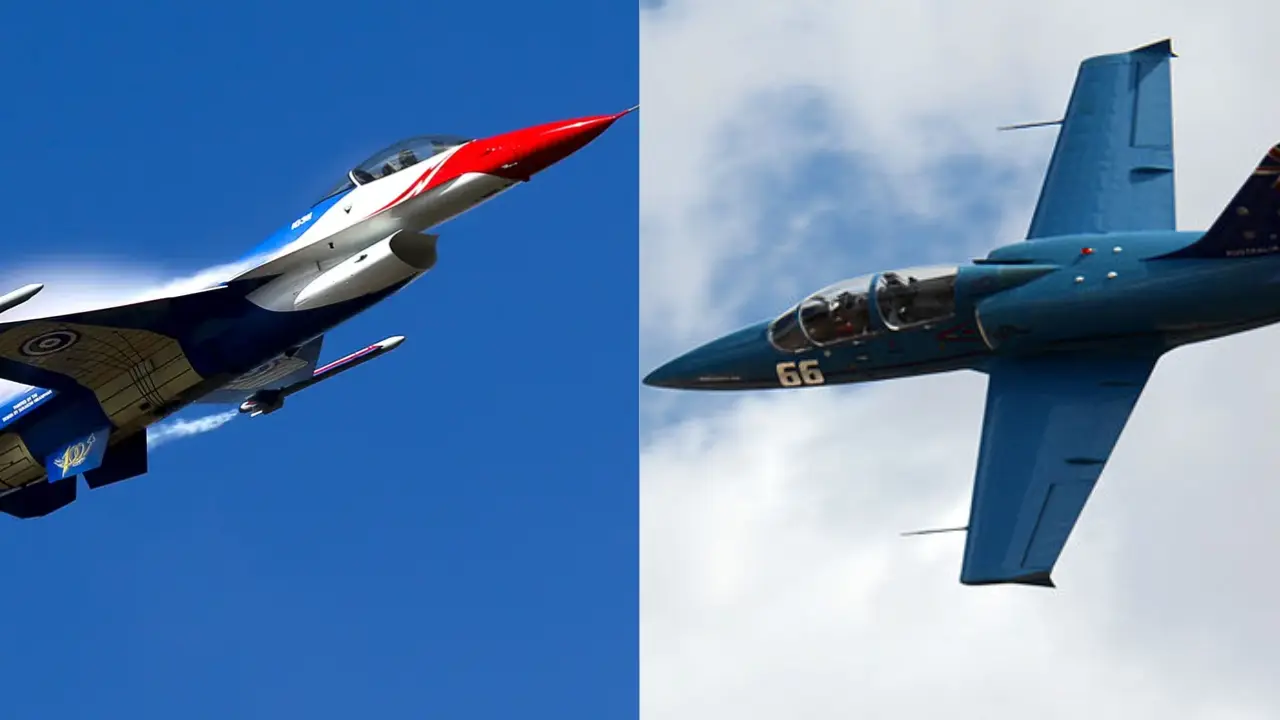
Thailand and Cambodia’s air forces
Thailand have more than 50 fighter jets, which also include the F-16 and Gripen. While Cambodia’s Air force, by contrast, has only around 25 active aircraft, out fo which mainly L-39 trainer/light attack jets, and as per reports no dedicated fighters.
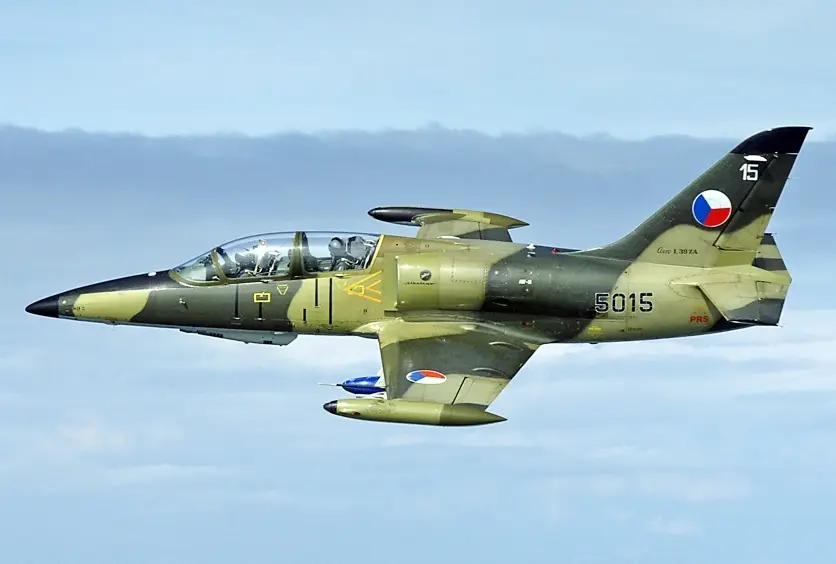
What is the L-39 jet?
The Aero L-39 Albatros is a two-seat trainer first built in Czechoslovakia. Cambodia’s fleet uses the L-39C and some L-39NG models. These jets reach a top speed of 750km/h, can carry light weapons about 284kg total, and they are mainly used for training and can be used for light attack missions.
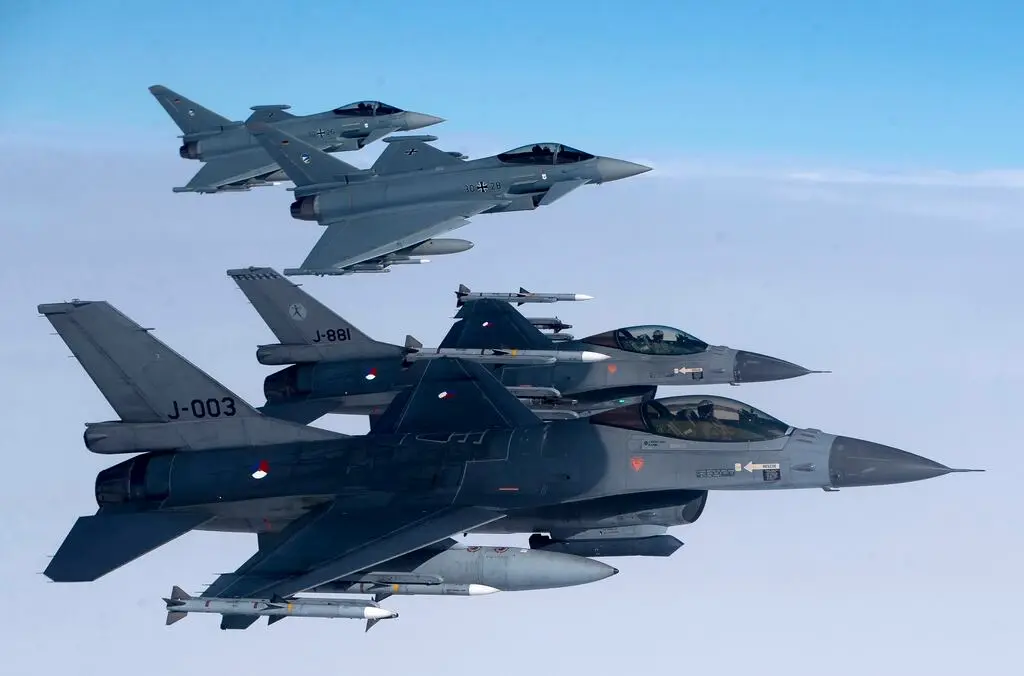
Thailand’s main fighters - F-16 and Gripen
Thailand flies F-16s, capable of over Mach 2, which is about 2,400km/h, plus Saab Gripen fighter jets. The F-16 can carry up to 7,700kg of weapons and is fitted with radar, missiles, and electronic warfare systems, designed for high-speed air-to-air and ground attack roles.
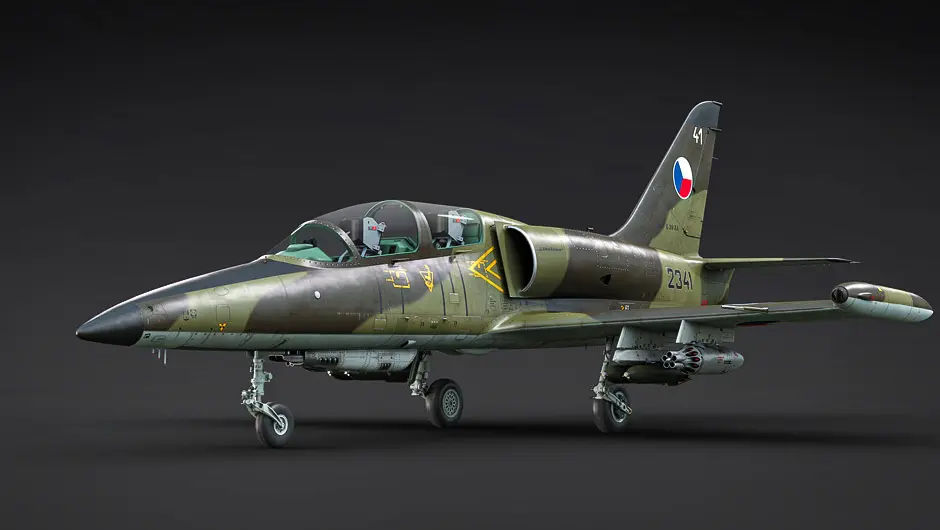
Firepower and weaponry differences
The L-39 can only carry short-range rockets or small bombs and has two hardpoints, and it's not a fighter jet. Thailand’s F-16s have 11 hardpoints for advanced missiles like AIM-120 AMRAAM and laser-guided bombs. This means Thailand’s jets can engage targets much further away and with more precision.
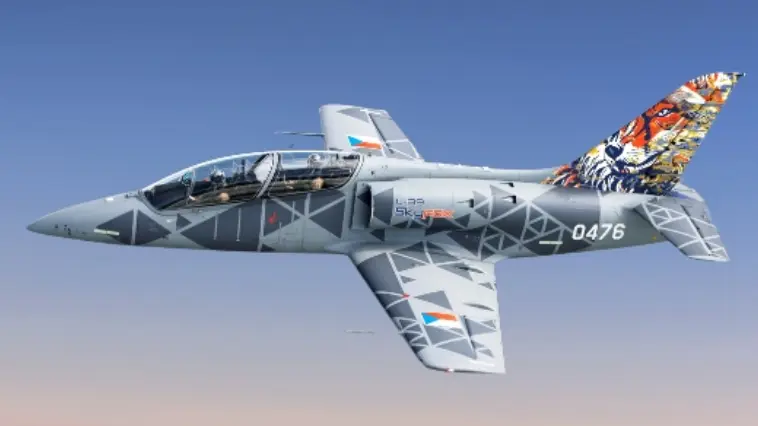
Radar and avionics gap
Thailand’s fighters feature advanced radars that detect aircraft over 100km away and sensor fusion for targeting. The L-39’s navigation and targeting systems are basic, designed mainly for pilot training. This limits Cambodia’s pilots in real combat scenarios.
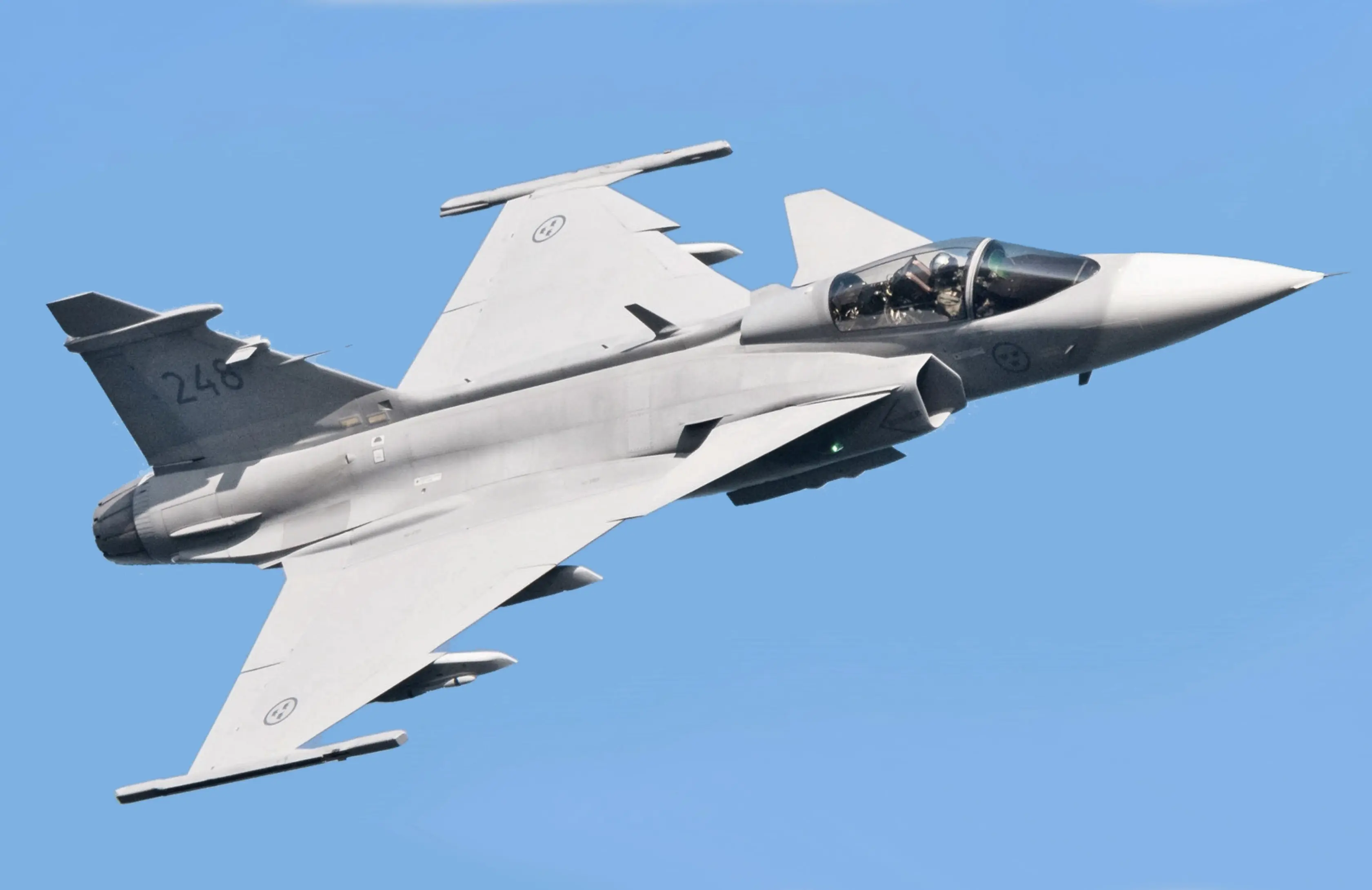
Air defence and survivability
Thai F-16s and Gripen jets are equipped with electronic jammers, flares, and high-g-force ability for evasion. L-39s have no modern defences against radar-guided missiles or sophisticated threats, leaving them at risk in modern air battles.
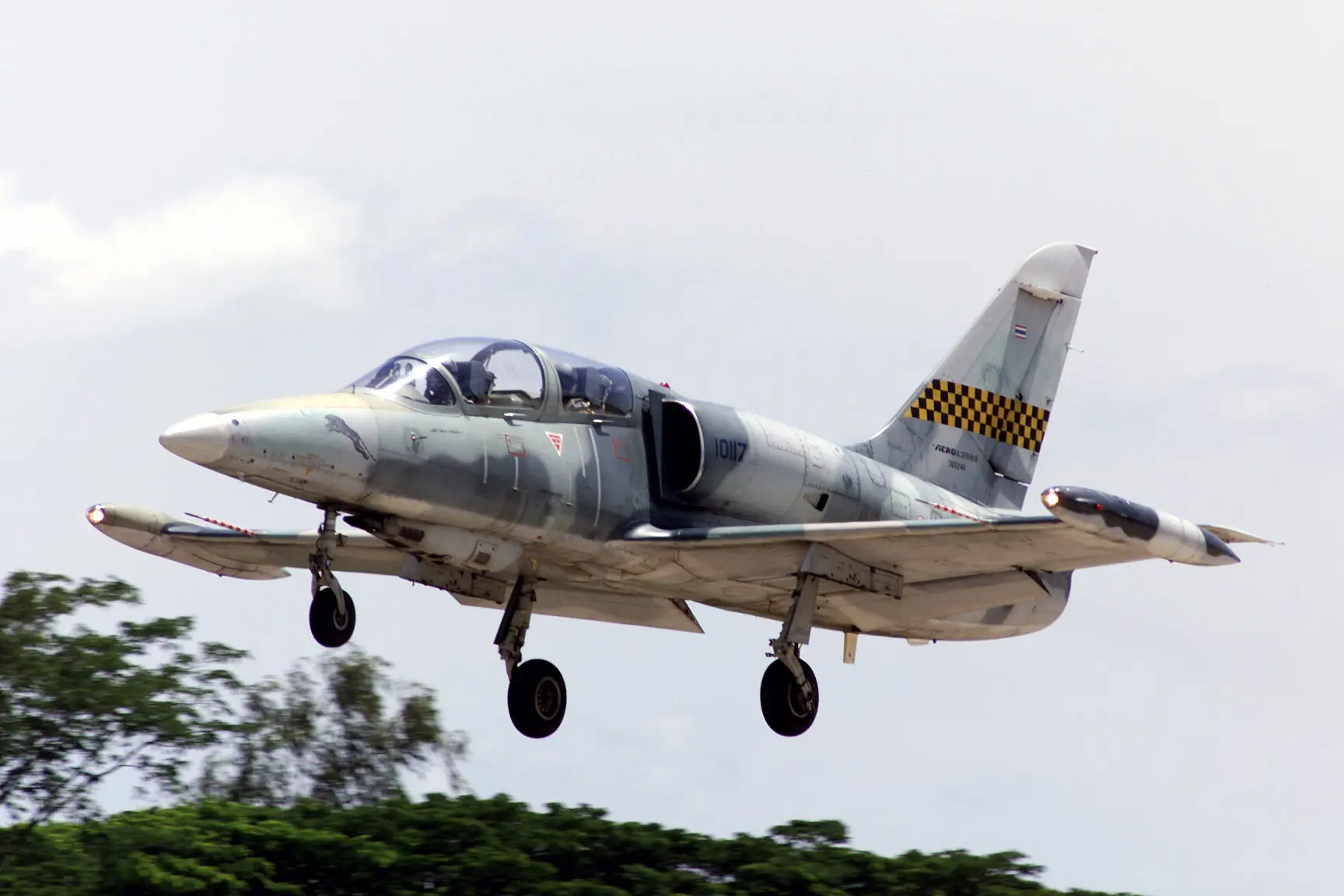
A decisive gap
Few reports confirm that Cambodia’s L-39 jets cannot match Thailand’s modern fighter fleet for speed, weapons, radar or defensive tech. In any direct conflict, Thailand would have clear air superiority. Cambodia’s jets remain vital for pilot training, not for fighter duels.
)
)
)
)
)