Taliban rejects ICC jurisdiction over arrest warrants for Afghan leaders Akhundzada and Haqqani; says 'does not recognise the court'

&imwidth=600&imheight=450&format=webp&quality=medium "Taliban rejects ICC jurisdiction over arrest warrants for Afghan leaders Akhundzada and Haqqani; says 'does not recognise the court'")
Taliban condemns ICC arrest warrants for Afghan leaders Photograph: (AFP)
Taliban condemns ICC arrest warrants for Afghan leaders, rejecting its jurisdiction as the court cites alleged persecution of women and girls
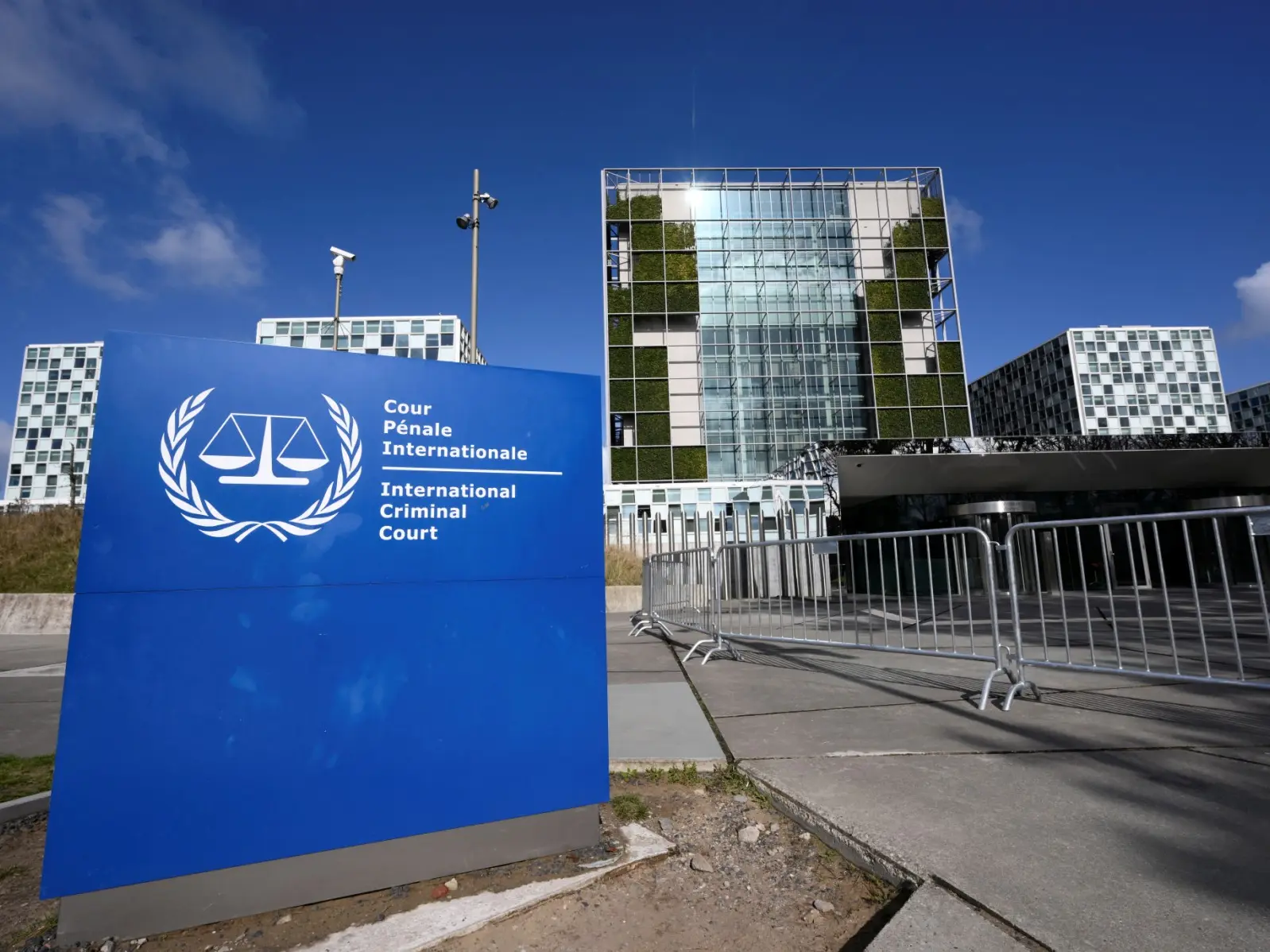
The Taliban government on Monday condemned the International Criminal Court (ICC) after the court released further details about arrest warrants issued against two senior Taliban leaders, saying it does not recognize the court or its jurisdiction. The ICC has identified Taliban supreme spiritual leader Haibatullah Akhundzada and Abdul Hakim Haqqani, the group's chief justice since 2021, as suspects in a case involving alleged crimes against humanity.
Taliban government chief spokesman Zabihullah Mujahid rejected the ICC's authority and defended the two leaders.
"We are bound by the rulings of Islamic Sharia and its courts, not by intelligence entities or so-called courts," Taliban government chief spokesman Zabihullah Mujahid said in a statement. "Afghanistan calls on such entities not to make claims beyond their authority and jurisdiction."
The ICC had announced in July 2025 that arrest warrants had been issued for Akhundzada and Haqqani. The court said the two men were accused of committing the crime against humanity of persecution on gender grounds against girls, women and other people who did not conform with Taliban policies concerning gender, gender identity or expression.
The exact contents of the warrants had remained sealed until Monday, when the court released additional information about the findings made by the judges who issued them.
Trending Stories
)
)
)
)
)
)
)
)
)
)
)
)
)
)
)
)
)
)
)
)
)
)
)
)
)
)
)
)
)
)
)
)
)
)
&im=FitAndFill=(700,400))
)
)
)
)
According to the ICC, the judges found that the suspects implemented a governmental policy that resulted in severe violations of fundamental rights and freedoms of the civilian population of Afghanistan, in connection with conducts of murder, imprisonment, torture, rape and enforced disappearance. The judges also found that Taliban policies had specifically targeted women and girls, including through restrictions on education, freedom of expression and freedom of movement.
The Taliban have introduced a wide range of restrictions affecting Afghanistan's population, with women and girls facing particularly severe limitations on their rights and participation in public life. According to UN figures cited in the report, half of Afghan women now leave their homes only once or twice a month as Taliban-imposed restrictions limit their freedom of movement and participation in public life.
Afghanistan remains the only country in the world where girls are prohibited from attending secondary school and women are barred from attending university, according to UN Women, which works to promote gender equality. The latest developments further highlight the growing confrontation between the Taliban authorities and international institutions over the treatment of women and girls in Afghanistan.

