Strait of Hormuz reopening ‘delayed’ as Iran struggles to locate and clear its own sea mines

&imwidth=600&imheight=450&format=webp&quality=medium "Strait of Hormuz reopening ‘delayed’ as Iran struggles to locate and clear its own sea mines")
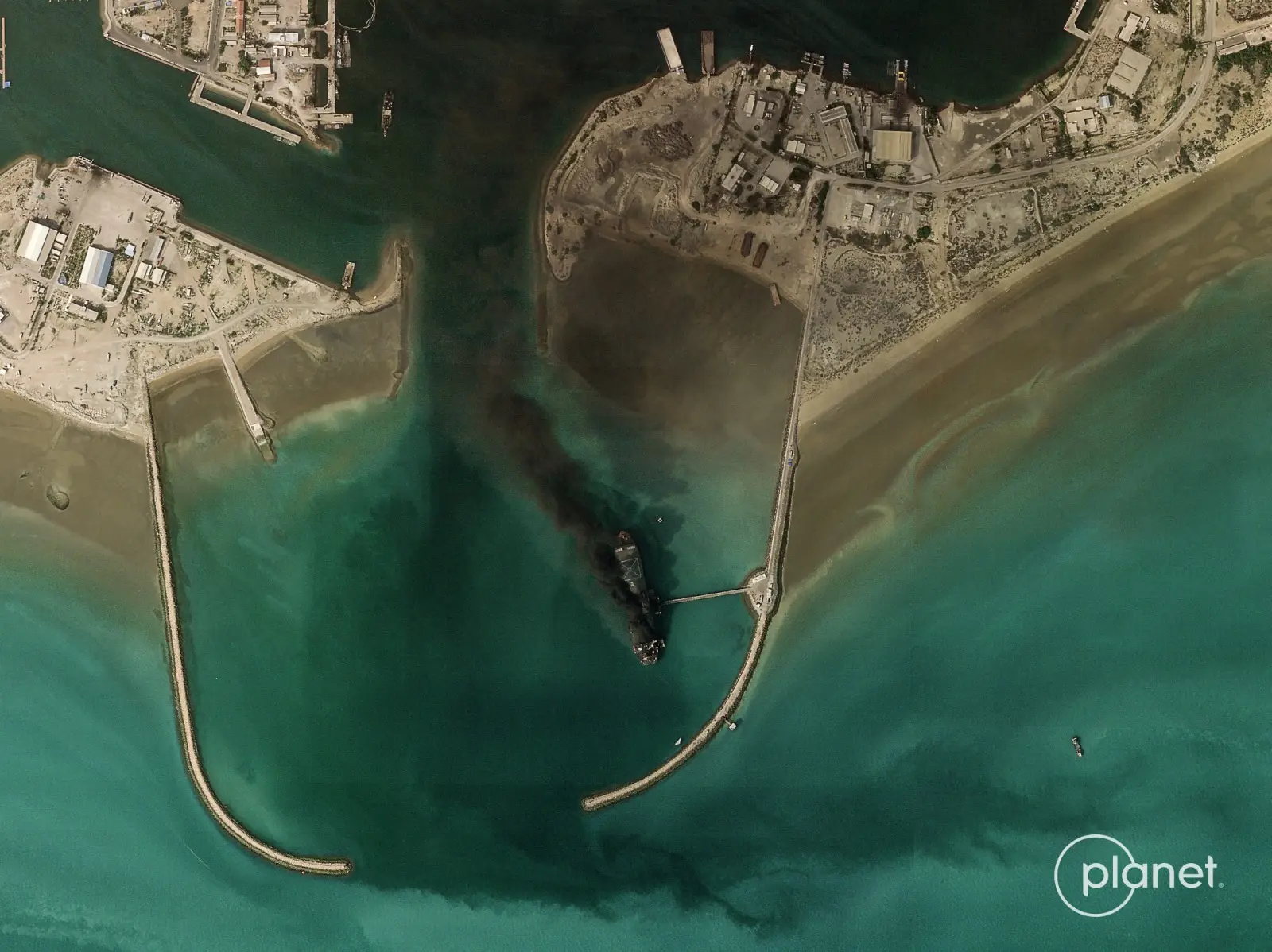
Strait of Hormuz Photograph: (AFP)
The Strait of Hormuz remains closed as Iran struggles to locate its own drifting sea mines. This delay hampers peace talks in Islamabad and threatens global energy supplies despite US pressure.
The reopening of the strategically vital Strait of Hormuz is likely to be delayed as Iran faces difficulties in locating and clearing sea mines it allegedly deployed during the conflict, according to a report by The New York Times citing United States officials.
The report said Iran’s limited capability to track and remove the mines is a key factor preventing it from reopening the waterway, despite a fragile two-week pause in hostilities. The Strait has remained closed for over a month, raising concerns over global energy supplies and impacting countries including India.
According to US officials quoted by The New York Times, Iran may not have accurately recorded the locations of all the mines it placed. In some cases, even where positions were noted, the mines may have drifted due to currents, making them harder to trace and remove.
“It is not clear that Iran recorded where it put every mine. And even when the locations were recorded, some mines were placed in a way that allowed them to drift or move,” the report stated. The development comes as US Vice President JD Vance arrived in Islamabad for scheduled peace talks with Iranian officials over the weekend. The status of the Strait of Hormuz is expected to be a central issue in the negotiations.
The United States has been pressing for the immediate reopening of the Strait, with President Donald Trump reiterating the demand as a key condition for ending the conflict. In contrast, Iran has reportedly proposed retaining control over the waterway as part of a ten-point plan, according to AFP.
The Strait of Hormuz is one of the world’s most critical maritime chokepoints, through which a significant portion of global oil and energy supplies passes. Iran is believed to have deployed both land-based and naval mines in the area during the conflict to exert pressure on the US and Gulf countries.
Trending Stories
)
)
)
)
)
)
)
)
)
)
)
)
)
)
)
)
)
)
&im=FitAndFill=(700,400))
)
)
)
&im=FitAndFill=(700,400))
)
&im=FitAndFill=(700,400))
&im=FitAndFill=(700,400))
)
Shipping through the Strait has effectively halted due to fears of mines, as well as potential drone and missile attacks. The disruption has contributed to an energy squeeze in several countries reliant on Gulf oil exports.
The report also highlighted the technical challenges involved in mine clearance operations. Even the US military has limited capacity in this area, relying on specialised littoral combat ships equipped with minesweeping systems. Iran, officials said, cannot rapidly remove the mines, including those it is believed to have deployed itself.
In late March, President Trump paused strikes on Iranian energy infrastructure and set a deadline for Tehran to agree to a peace proposal that included reopening the Strait. The deadline was later extended, with Pakistan stepping in to mediate and broker a temporary pause in hostilities. However, with the Strait still blocked, the issue is expected to remain one of the most contentious points in the ongoing talks in Islamabad.

