Shuttle diplomacy explained: Why India is hosting the 2026 India-Japan summit

&imwidth=600&imheight=450&format=webp&quality=medium "Shuttle diplomacy explained: Why India is hosting the 2026 India-Japan summit")
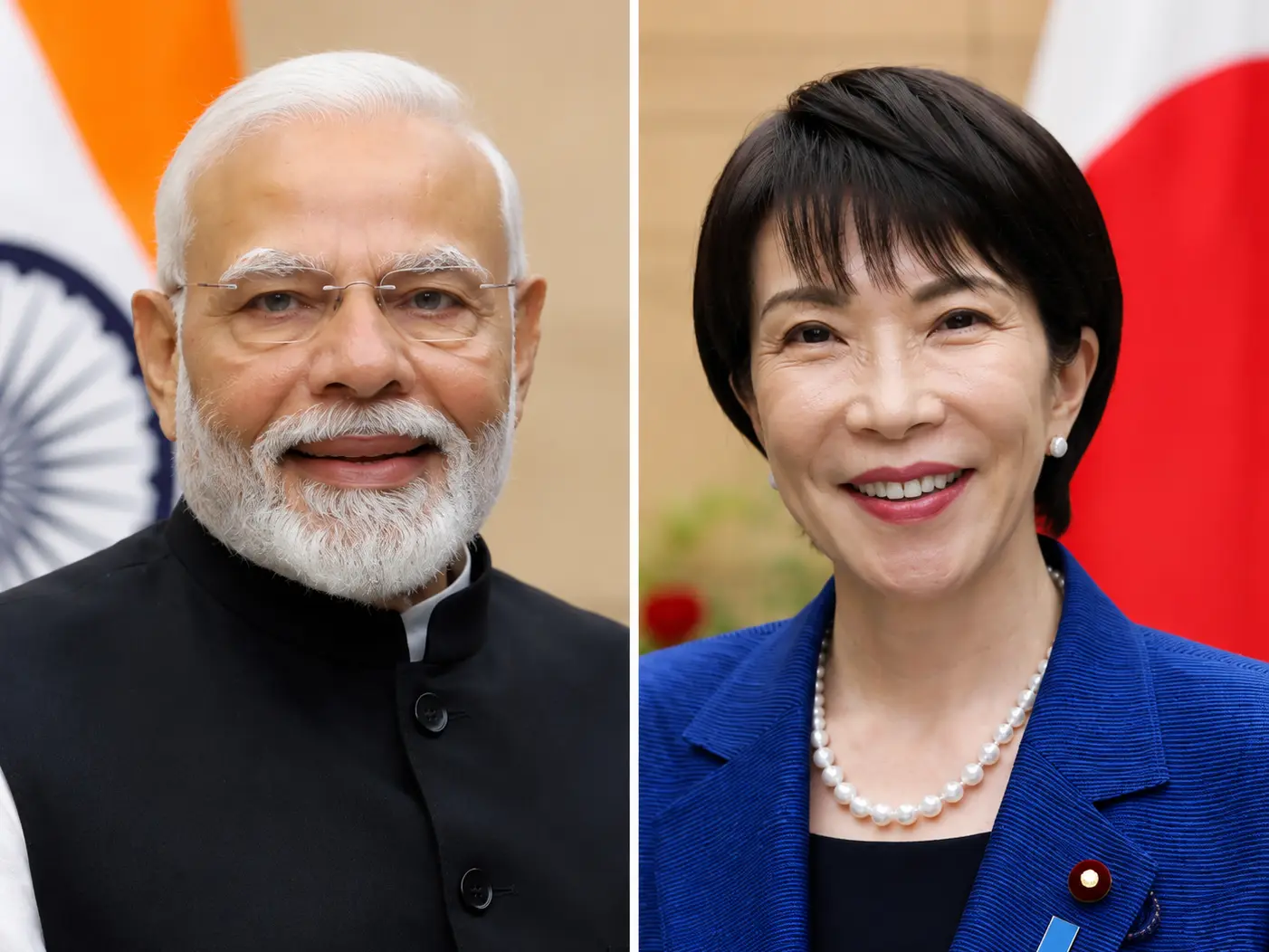
Shuttle diplomacy explained: Why India is hosting the 2026 annual summit Photograph: (Canva)
Japan's PM will be visiting New Delhi for the 16th annual summit. Both nations use reciprocal "shuttle diplomacy" to alternate hosting duties every year, boosting trade, tech, and security ties.
Japanese Prime Minister Sanae Takaichi is scheduled to visit New Delhi from July 1 to 3, 2026, for the 16th India-Japan Annual Summit. This is her first official trip to India. As she prepares to meet Prime Minister Narendra Modi, it is a perfect time to look at a special diplomatic system that the two countries use: shuttle diplomacy.
What is Shuttle Diplomacy?
The term "shuttle diplomacy" originally comes from the 1970s. It was first used when US Secretary of State Henry Kissinger flew back and forth between Middle Eastern capitals to help negotiate peace. In that traditional sense, it involves an outside mediator acting as a bridge between two conflicting sides who refuse to speak to each other directly.
However, India and Japan have repurposed this term to describe a highly organized system of regular bilateral meetings. For these two Asian democracies, shuttle diplomacy means that the top leaders alternate hosting duties every single year. It is a structured calendar of continuous, top-level engagement designed to keep the relationship moving forward without long delays.
India and Japan officially started this annual summit mechanism in 2006. Under this rule, the two leaders constantly switch roles between being the host and being the guest. If the Indian Prime Minister travels to Tokyo for the bilateral summit one year, the Japanese Prime Minister "shuttles" to New Delhi the following year.
This constant rotation serves a deep symbolic and practical purpose. It shows the world that neither country carries a heavier diplomatic or financial burden. More importantly, it underscores the absolute parity and equal standing of both nations within their Special Strategic and Global Partnership. By institutionalising these visits, the two governments ensure that bureaucratic friction or changing political climates at home do not derail their critical alliance.
Trending Stories
)
)
)
)
)
)
)
)
)
)
)
)
)
)
)
)
)
)
)
)
)
)
)
)
)
)
)
)
)
)
)
)
)
)
&im=FitAndFill=(700,400))
)
)
)
)
Why is 2026 India's Turn to Host?
The rule for the annual summit is simple: take turns. In August 2025, Prime Minister Modi flew to Tokyo for the 15th summit. Following this exact one-for-one pattern, 2026 is India's year to play host.
This trip marks Prime Minister Takaichi's first official visit to India since she took office. Because the summit happens every single year, it allows new leaders to step in and pick up the vital work right where previous leaders left off.
