No 'phase two' US-China deal, officials say


Trump-Xi
An ambitious "phase two" tradedealbetween the United States andChinais looking less likely as the two countries struggle to strike a preliminary "phase one" agreement, according toUSand Beijingofficials, lawmakers and trade experts.
In October,USPresident Donald Trump said during a press conference with Chinese vice-premier Liu He that he expected to quickly dive into a second phase of talks once "phase one" had been completed. The second phase would focus on a keyUScomplaint thatChinaeffectively stealsUSintellectual property by forcingUScompanies to transfer their technology to Chinese rivals, he said at the time.
But the November 2020USpresidential election, the difficulties in getting the first-stage done, combined with the White House's reluctance to work with other countries to pressure Beijing are dimming hopes for anything more ambitious in the near future, the sources said.

The 16-month trade war withChinahas thrownUSbusinesses and farmers into turmoil, disrupted global supply chains and been a drag on economies worldwide. Failure to address a key reason it was started is already raising questions about whether the sacrifice has been worth it. Meanwhile, many of Beijing's trade practices that many free-market economies see as unfair remain unaddressed.
Reuters reported on Wednesday that the signing of a phase onedealcould slide into next year as the two countries tussle over Beijing's demand for more extensive tariff rollbacks.
Officialsin Beijingsaythey don't anticipate sitting down to discussa phase twodealbefore theUSelection, in part because they want to wait to see if Trump wins a second term.
)
US Treasury rallies global financial institutions for Op Economic Outcast to isolate Iran
)
Trump praises India’s Opium crackdown, hails anti-drug efforts
)
Saudi Vs Houthis: Yemeni military rebels clash with Houthis
)
Veteran actor Anant Nag honoured with Indian cinema’s highest award
)
Pakistan boycotts chess match against Israel at Olympiad
)
Lionel Messi for 2026 Ballon d’Or over Mbappe and Yamal, says Diego Simeone
)
Protests erupt over migrant housing plan in Piddington
)
Formula One reveals the 2027 race calendar; Monaco to host sprint race for the first time
)
Bigg Boss 20: Mahhi Vij reveals she lost Yuva role to Kareena Kapoor; 'didn’t work out in my favour'
)
No Pandya as Auqib Nabi earns maiden ODI call-up; Mayank returns for WI T20Is| check full squads
)
Former India player Diana Edulji wants Smriti Mandhana to replace Harman as skipper at the earliest
)
US House votes 417-3 to pass Ratepayer Protection Act targeting AI data center electricity costs
)
Pakistan: Imran Khan's sons Kasim & Sulaiman claim their father is 'tortured' in jail
&im=FitAndFill=(700,400))
New OTT releases this week (September 14-20, 2026): Lust Stories 3, Waiting Hai, Irumudi- 5 new titles coming on Netflix, Prime Video and more
)
Taiwan seeks deeper India ties as direct flights restart soon and chip projects advance
)
Trump gets new power to hit India, China with up to 100% tariffs as US Senate clears Russia sanctions bill
)
Former OpenAI researcher warns of growing risks from Artificial Intelligence
)
Want to get married within a year? Why 18 lakh people rush to Jaipur for ‘sacred henna’
)
Fed raises rates for first time in 3 years, Kevin Warsh defies Trump as inflation mounts
)
Chiefs tight end Travis Kelce named one of the victims in $35 million ponzi scheme
)
The Early Spring season 2 is happening, but fans have one request - 'don't change the actors'
)
All Indian goods to get duty-free access to New Zealand
)
Sydney Sweeney defends provocative ad choice, the internet is still not impressed
)
Shahzad Bhatti Network declared terrorist organisation under UAPA: Govt order
)
Europe wants a common playbook for security threats, seeks security beyond NATO
)
Trump calls Canada-EU associate membership plan ‘laughable’ and threatens 'very serious tariffs'
)
‘Imagine 50 AI fighters cornering one manned jet’: India’s mobbing doctrine eyes a new era of air warm
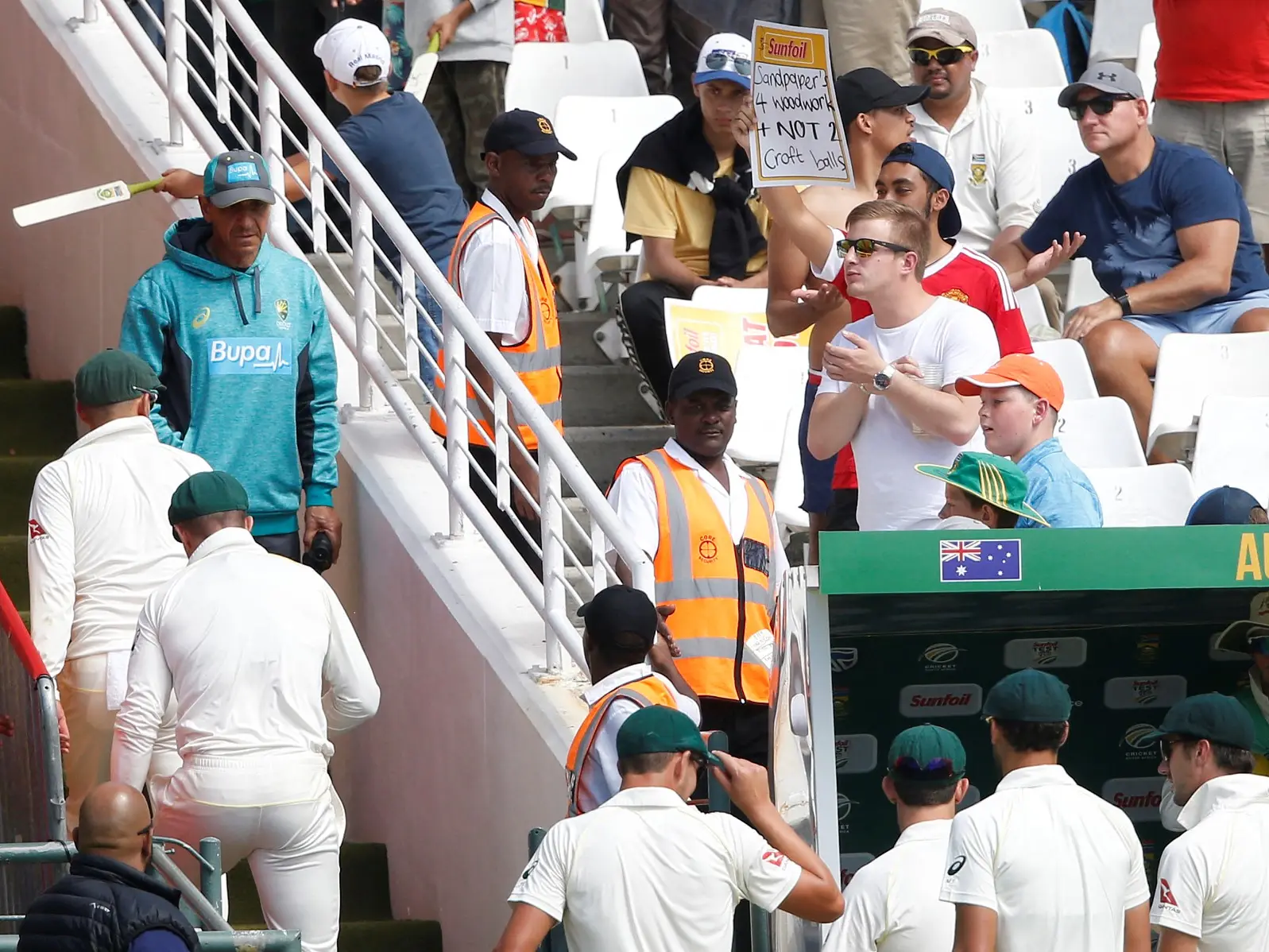)
AUS vs SA: Steve Smith still gets 'little flashbacks' from sandpaper gate
)
India breaks silence on US Russia sanctions bill, 100% tariff threat: ‘Committed to energy security’ for 1.4 billion
)
Abhishek Sharma rises to No. 2 in T20Is; ENG’s Robinson 3rd after record Pakistan Tests
)
Daayra movie review: Kareena Kapoor, Prithviraj Sukumaran shine in Meghna Gulzar’s cop-versus-cop crime thriller
)
Katrina Kaif’s postpartum weight is not the problem; your gaze is
)
Hong Kong unveils 11 new measures to boost birth rates, offers higher cash bonuses and housing perks
)
US trade tariff: 100% tariff targets Russian buyers amid trade tensions
)
Pak batter Rizwan's petition against being questioned by cyber crime agency rejected by court
)
Saudi vs Houthis: Riyadh claims to have shot Houthi drone targeting Mecca
)
Prime Minister Narendra Modi's birthday: Italian PM Meloni sends birthday wishes
&im=FitAndFill=(700,400))
Suriya and Jyothika say ‘I do’ again after 20 years! See their dreamy wedding pics
)
Pakistan naval vessel returns to harbour with 'severe damage' after collision with Indian warship in Arabian Sea
"It's Trump who wants to sign thesedeals, not us. We can wait," one Chinese official told Reuters.
Representative Jim Costa, a California Democrat who sits on two key agricultural committees, said in Congress on Wednesday that "pragmatic" Chinese sources had told him the same thing.
Trump's main priority at the moment is to secure a big phase one announcement, locking in big-ticket Chinese purchases ofUSagricultural goods that he can tout as an important win during his re-election campaign, according to a Trump administration official.
After that,Chinacould recede somewhat on Trump's policy agenda as he turns to domestic issues, the official said, speaking on condition of anonymity. He will probably leave other major contentious issuesto senior aides, who are likely to continue pushing Beijing over the theft ofUSintellectual property, its militarization of the SouthChinaSea and its human rights record, the official said.
"As soon as we finish phase one we're going to start negotiating phase two," a second administration official said. "As far as timing around when a phase twodealcould be completed, that's not something I can speculate on."
The Trump White House initially laid out ambitious plans to restructure the United States' relationship withChina, including addressing what a 2018 United States Trade Representative investigation concluded were Beijing's "unfair, unreasonable, and market-distorting practices."
There is broad bipartisan support for Trump's drive to holdChinaaccountable for years of economic espionage, cyber-attacks, forced technology transfer and dumping of low-priced goods made with hefty government subsidies.
But many of these critical concerns will not be addressed in phase one agreement, which focuses onChina'sagricultural product buys, tariff rollbacks, and includes some intellectual property pledges.
"That's the easy stuff," said Costa. The harder issuesare "industrial espionage, copyrights, complying with those issues, privacy and security issues."
Further complicating the issue, Trump's economic advisers are split: some are pushing Trump to agree to a quick phase onedealto appease markets and business executives, others want him to push for a more comprehensive agreement.
Beijingofficials, meanwhile, are baulking at pursuing larger structural changes to managingChina's economy, anxious not to appear to be kowtowing toUSinterests.
BothChinaand the United States have a clear interest in getting a phase onedealcompleted relatively soon to soothe markets and assuage domestic policy concerns, said Matthew Goodman, a formerUSgovernment official and trade expert at the Center for Strategic and International Studies.
He sees a good chance that the two sides will hammer out some phase onedeal, but is far less convinced that a broaderdealcan be reached before the election. One key problem, he said, was the continued lack of a coherentUSstrategy fordealing withChina.
"I think phase one probably will happen because both presidents want it," Goodman said at a Congressional briefing last week. But he saidChinawas less willing now to make structural changes that might have been possible in the spring. "They're not going to do those things," he said.
Josh Kallmer, a former official with theUSTrade Representative's office and now executive vice president of the Information Technology Industry Council, said it was "technically possible, but hard to imagine" that the United States and Beijing could negotiate a phase twodealin the next year.
The United States needs better coordination with its allies to pressureChinato make urgently needed structural changes, including ending the forced transfer of technology and better intellectual property protections, trade experts and formerofficialssay.
Europe and otherUSallies have been reluctant to join Washington's pressure campaign on Beijing, partly due to frustration with the administration's focus on unilateral action and in part due to their reliance on Chinese investment.
"We need an international coalition to successfully attack phase two," said Kellie Meiman Hock, managing partner at McLarty Associates, a trade consulting group in Washington.