Kathmandu’s rapper-turned mayor to join Rabi Lamichhane for March polls

&imwidth=600&imheight=450&format=webp&quality=medium "Kathmandu’s rapper-turned mayor to join Rabi Lamichhane for March polls")
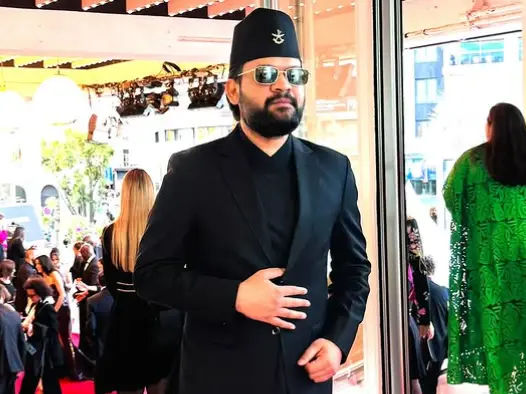
File photo of Kathmandu Mayor Balendra Shah. Photograph: (Instagram)
Kathmandu Mayor Balendra Shah and Minister of Energy Kulman Ghising may align with the Rastriya Swatantra Party (RSP) in what could become a major challenge to Nepal’s traditional political forces.
Nepal’s political landscape is shifting rapidly ahead of the March elections, with indications that Kathmandu Mayor Balendra Shah, popularly known as Balen and Minister of Energy Kulman Ghising may align with the Rastriya Swatantra Party (RSP) in what could become a major challenge to Nepal’s traditional political forces.
RSP is moving to build a formidable political bloc by bringing prominent national figures into its fold, aiming to challenge Nepal’s traditional parties.
Despite being in custody, RSP chair Rabi Lamichhane has been negotiating with Shah and his team from behind bars. Shah, a figure many in Nepal’s Gen Z see as a potential national leader. According to leaders familiar with the talks, RSP Vice President Swarnim Wagle and Shishir Khanal are leading the discussions from the party’s side. Kumar Ben, a close aide of Shah, has been representing him in these discussions.
Parallel negotiations are also underway with Kulman Ghising, the widely popular figure credited with ending Nepal’s load-shedding crisis. Ghising, who recently launched the Ujyalo Nepal Party, is in talks for a potential senior leadership role within RSP. Sources say he is likely to join the emerging RSP-Balen bloc.
Shah is expected to contest either from a constituency in Kathmandu or Jhapa-5, potentially setting up a direct contest against former Prime Minister KP Sharma Oli on his home turf. Oli has won from Jhapa six times in the past across multiple constituencies, making the showdown one of the most closely watched potential races of 2026.
Shah’s potential role within the RSP-led coalition has reportedly already been outlined. According to negotiators, he has made it clear he is not seeking the prime ministership but is willing to support the party’s organisational expansion and serve as a key figure in the alliance.
Trending Stories
&imwidth=280&imheight=210&format=webp&quality=medium)
&imwidth=280&imheight=210&format=webp&quality=medium)
&imwidth=280&imheight=210&format=webp&quality=medium)
&imwidth=280&imheight=210&format=webp&quality=medium)
&imwidth=280&imheight=210&format=webp&quality=medium)
&imwidth=280&imheight=210&format=webp&quality=medium)
&imwidth=280&imheight=210&format=webp&quality=medium)
&imwidth=280&imheight=210&format=webp&quality=medium)
&imwidth=280&imheight=210&format=webp&quality=medium)
&imwidth=280&imheight=210&format=webp&quality=medium)
&imwidth=280&imheight=210&format=webp&quality=medium)
&imwidth=280&imheight=210&format=webp&quality=medium)
&imwidth=280&imheight=210&format=webp&quality=medium)
&imwidth=280&imheight=210&format=webp&quality=medium)
&imwidth=280&imheight=210&format=webp&quality=medium)
&imwidth=280&imheight=210&format=webp&quality=medium)
&imwidth=280&imheight=210&format=webp&quality=medium)
&imwidth=280&imheight=210&format=webp&quality=medium)
&imwidth=280&imheight=210&format=webp&quality=medium)
&imwidth=280&imheight=210&format=webp&quality=medium)
&imwidth=280&imheight=210&format=webp&quality=medium)
&imwidth=280&imheight=210&format=webp&quality=medium)
&imwidth=280&imheight=210&format=webp&quality=medium)
&imwidth=280&imheight=210&format=webp&quality=medium)
&imwidth=280&imheight=210&format=webp&quality=medium)
&imwidth=280&imheight=210&format=webp&quality=medium)
&imwidth=280&imheight=210&format=webp&quality=medium)
&imwidth=280&imheight=210&format=webp&quality=medium)
&imwidth=280&imheight=210&format=webp&quality=medium)
&im=FitAndFill=(700,400)&imwidth=280&imheight=210&format=webp&quality=medium)
&imwidth=280&imheight=210&format=webp&quality=medium)
&imwidth=280&imheight=210&format=webp&quality=medium)
&imwidth=280&imheight=210&format=webp&quality=medium)
&imwidth=280&imheight=210&format=webp&quality=medium)
Sources involved in the negotiations confirmed to WION that both sides have reached an understanding to unite for the March elections with an ambitious goal: securing a two-thirds majority in parliament. Their shared goal is to form a stable government and break the decade-long cycle of hung parliaments that has defined Nepal’s political landscape.
The youth wave extends beyond Shah. Gen Z leaders Sudan Gurung and Purushottam Yadav are also likely to join the bloc. Many emerging leaders believe that forming multiple small parties will dilute their impact, and consolidation under one platform offers a more powerful alternative to challenge Nepal’s traditional parties. Talks are now expanding to provincial-level alliances as well.
A formal announcement is expected after Rabi Lamichhane is released from detention.
Formed in 2022, the Rastriya Swatantra Party has quickly capitalised on voter frustration with Nepal’s old political guard. This is viewed as a coalition built on two of Nepal’s most influential new-age leaders. Rabi Lamichhane and Balen Shah are among the most followed and closely watched public figures in Nepal today.
RSP’s rapid rise in the 2022 general elections, becoming the fourth-largest party within months of its creation, reflected Lamichhane’s widespread appeal among urban and young voters frustrated with corruption and status quo politics.
Shah, who won the Kathmandu mayoral race with a record-breaking independent vote margin, has maintained exceptional public support through his assertive governance style, large digital following and ability to mobilise youth sentiment on civic issues. Shah had expressed his support for Gen-Z-led protests against corruption.
Their combined appeal, youth culture and anti-establishment sentiment are seen by observers as a potentially disruptive force capable of reshaping Nepal’s electoral landscape.
The September Gen Z uprising, fueled by frustration over corruption, censorship and unaccountable governance, has shaken Nepal’s traditional parties. It has triggered internal conversations about leadership changes in major parties, including CPN-UML, Nepali Congress and Maoist Centre, with lawmakers challenging long-standing party presidents.
Nepal’s politics have often resembled a game of musical chairs, three former prime ministers - KP Sharma Oli, Sher Bahadur Deuba and Pushpa Kamal Dahal ‘Prachanda’ have repeatedly returned to power. In 17 years as a republic, Nepal has had 14 governments, and no leader has completed a full five-year term.
With the March elections approaching, the contest is shaping up to be a clash between entrenched parties fighting to hold on to power and a new generation of leaders seeking to redefine Nepal’s political future.
