An analyst went to Strait of Hormuz and observed the shipping traffic. Here's what he saw

&imwidth=600&imheight=450&format=webp&quality=medium "An analyst went to Strait of Hormuz and observed the shipping traffic. Here's what he saw")
Strait of Hormuz closure has created an oil crisis. But Iran says that it isn't closed, and a new analysis backs the claim. Photograph: (Wikimedia Commons)
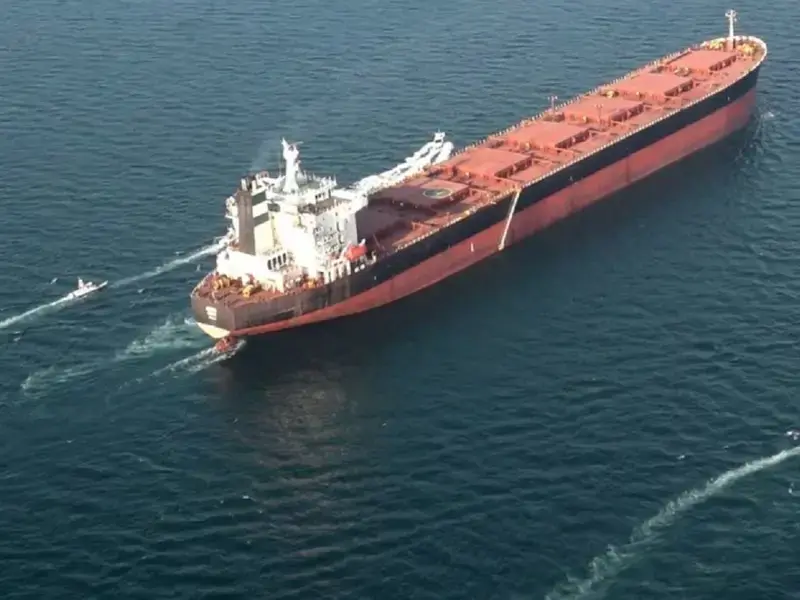
The Strait of Hormuz has recorded shipping traffic at 90% pre-war levels, according to a report. An analyst went to the conflict zone and noted that it is slowly increasing, and instead of a blockade, Iran has set up a “functional checkpoint”.
A research firm sent an analyst to Oman’s Musandam Peninsula to observe first-hand the situation of ship traffic in the Strait of Hormuz. Its report claims that the reality is far different from what is being portrayed on the global stage. The Strait of Hormuz has turned into the main point of conflict in the ongoing US-Israel-Iran war. What started with the supposed threat of nuclear weapons has turned into a major oil crisis after Iran shut it down. However, days later, it claimed that the shipping route was open and "non-hostile" ships were passing through. On Sunday, semi-official Fars News Agency said that 15 ships transited the Strait of Hormuz over the past 24 hours. However, it maintained that the traffic is 90% lower than before the conflict began on February 28. Meanwhile, Donald Trump has set a deadline and called on Iran to open the strait within the time frame. Iran maintains that the waterway isn't closed.
Strait of Hormuz shipping traffic situation
Oil markets are working with satellite images and political statements on the war to understand what is really going on in the Strait. Is it blocked? Is it open? This is what is deciding the markets and crude prices. Citrini Research decided to uncover the reality first-hand and saw that the vessels are still moving through the strait. An analyst who visited the Musandam Peninsula by boat observed the ships and noted that reality is far from what is being predominantly narrated in the media, CNBC reported. The firm’s report posted on Substack, citing the analyst who was not named due to security concerns, states that at least 15 ships are passing daily through the strait, and the traffic is picking up. It added that the disruption is partial and evolving and cannot be termed shut.
Trending Stories
&imwidth=280&imheight=210&format=webp&quality=medium)
&imwidth=280&imheight=210&format=webp&quality=medium)
&imwidth=280&imheight=210&format=webp&quality=medium)
&imwidth=280&imheight=210&format=webp&quality=medium)
&im=FitAndFill=(700,400)&imwidth=280&imheight=210&format=webp&quality=medium)
&imwidth=280&imheight=210&format=webp&quality=medium)
&imwidth=280&imheight=210&format=webp&quality=medium)
&im=FitAndFill=(700,400)&imwidth=280&imheight=210&format=webp&quality=medium)
&imwidth=280&imheight=210&format=webp&quality=medium)
&imwidth=280&imheight=210&format=webp&quality=medium)
&imwidth=280&imheight=210&format=webp&quality=medium)
&imwidth=280&imheight=210&format=webp&quality=medium)
&imwidth=280&imheight=210&format=webp&quality=medium)
&imwidth=280&imheight=210&format=webp&quality=medium)
&imwidth=280&imheight=210&format=webp&quality=medium)
&imwidth=280&imheight=210&format=webp&quality=medium)
&imwidth=280&imheight=210&format=webp&quality=medium)
&imwidth=280&imheight=210&format=webp&quality=medium)
&imwidth=280&imheight=210&format=webp&quality=medium)
&imwidth=280&imheight=210&format=webp&quality=medium)
&imwidth=280&imheight=210&format=webp&quality=medium)
&imwidth=280&imheight=210&format=webp&quality=medium)
&imwidth=280&imheight=210&format=webp&quality=medium)
&imwidth=280&imheight=210&format=webp&quality=medium)
&imwidth=280&imheight=210&format=webp&quality=medium)
&im=FitAndFill=(700,400)&imwidth=280&imheight=210&format=webp&quality=medium)
&imwidth=280&imheight=210&format=webp&quality=medium)
&imwidth=280&imheight=210&format=webp&quality=medium)
&imwidth=280&imheight=210&format=webp&quality=medium)
&imwidth=280&imheight=210&format=webp&quality=medium)
&imwidth=280&imheight=210&format=webp&quality=medium)
Tankers need to prove their identity before passing Strait of Hormuz
Citrini’s post read, "Tankers passing through four or five a day, completely dark on AIS. The volume, they said, is higher than what the data suggests, and it’s been accelerating in the past couple of days through the Qeshm channel." Citrini said that the reason why AIS is not able to detect the ships is that many of them turn off their transponders. AIS tracks ships and broadcasts a vessel’s location, speed, identity and route. The analyst talked to fishermen, smugglers and regional officials who told him that Iran is only allowing selective ships to transit waters near Iranian territory. It has set up a “functional checkpoint” where tankers need to secure approval. It also calculated "a lasting risk premium in oil markets", but the traffic could rise significantly in the coming weeks. “We think the disruption is longer, and the new normal involves a permanent risk premium, but that we’ll likely see as high as 50% of pre-conflict traffic within the next 4-6 weeks,” Citrini said.