How does a robot decide what to do next?

Modern robots decide their next move using Vision-Language Models and instant sensor fusion. They process environmental data, calculate action probabilities, and adjust movements in real-time, all while adhering to strict hard-coded safety limits.
The Cognitive Core
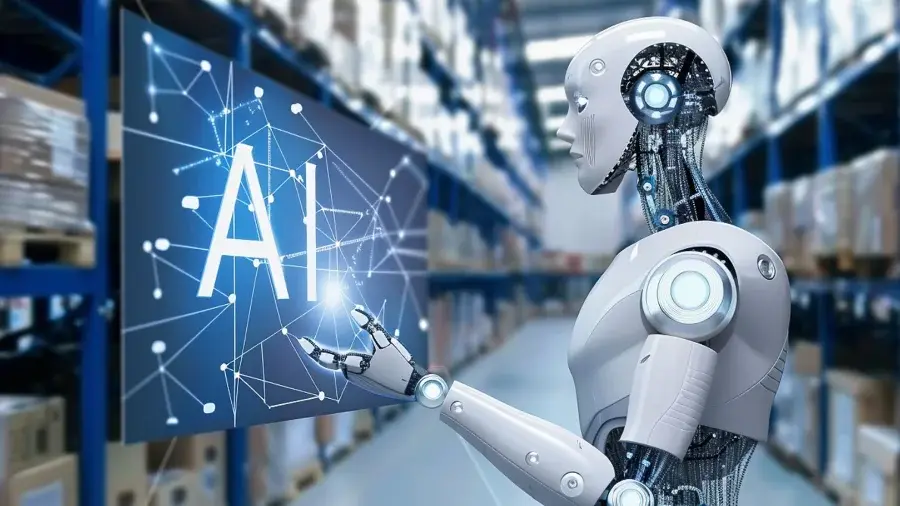
Modern robots no longer rely on rigid, pre-programmed code to execute movements. They now utilise advanced Vision-Language Models, acting as digital brains that instantly translate visual data and spoken commands into fluid physical actions.
Instant Sensor Fusion
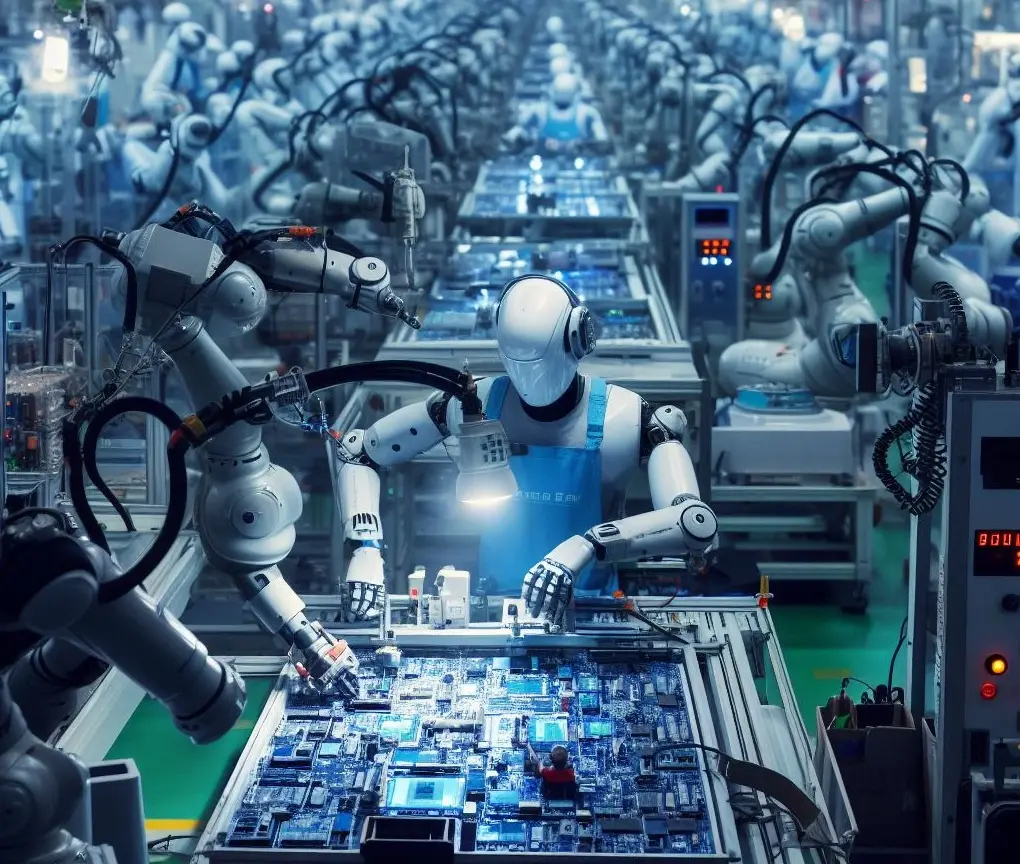
Before moving a single mechanical joint, a robot must fully understand its immediate environment. It rapidly absorbs continuous data from LIDAR, depth cameras, and tactile sensors, fusing this information into a precise 3D map in milliseconds.
Evaluating the Options
Once the physical environment is mapped, the robot's neural network generates multiple potential action paths. The onboard processor calculates the success probability of each movement, selecting the safest and most energy-efficient route available.
Simulated Experience
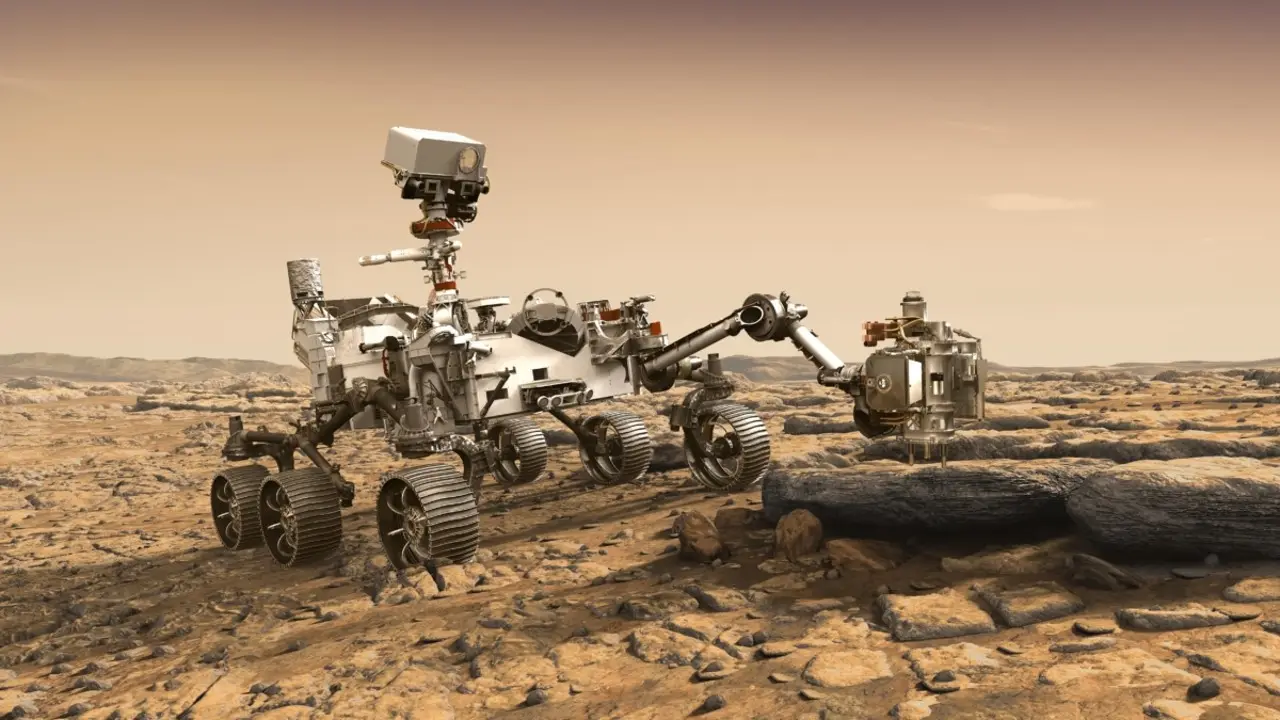
Robots do not learn by dangerous trial and error on the factory floor. They train inside massive GPU-accelerated simulations, experiencing millions of virtual scenarios so they already know how to react when facing a physical obstacle.
Real-Time Course Correction
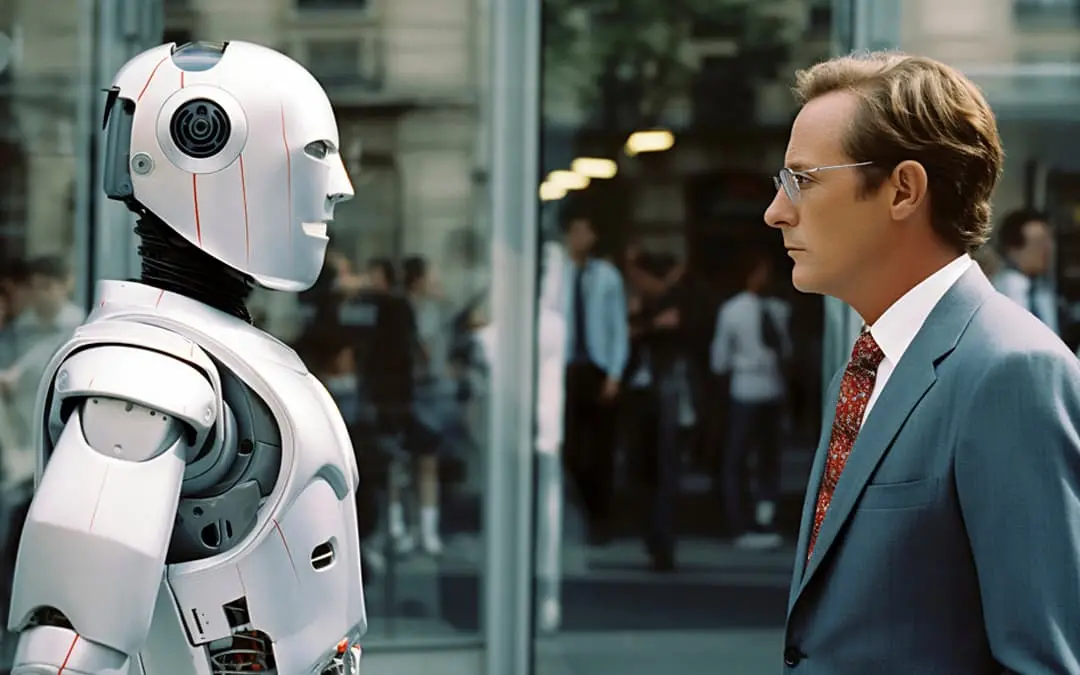
A robot's initial decision is rarely absolute or final. High-frequency control loops operate at up to 1,000 hertz, continuously analysing force feedback to instantly adjust grip strength or trajectory if a targeted object suddenly slips.
Hard-Coded Safety
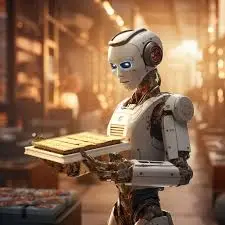
Autonomous decision-making remains strictly bound by unbreakable ethical and physical constraints. If a robot calculates that an intended movement will exceed safe torque limits or breach a human proximity zone, it immediately halts the action.
Cloud-Connected Learning
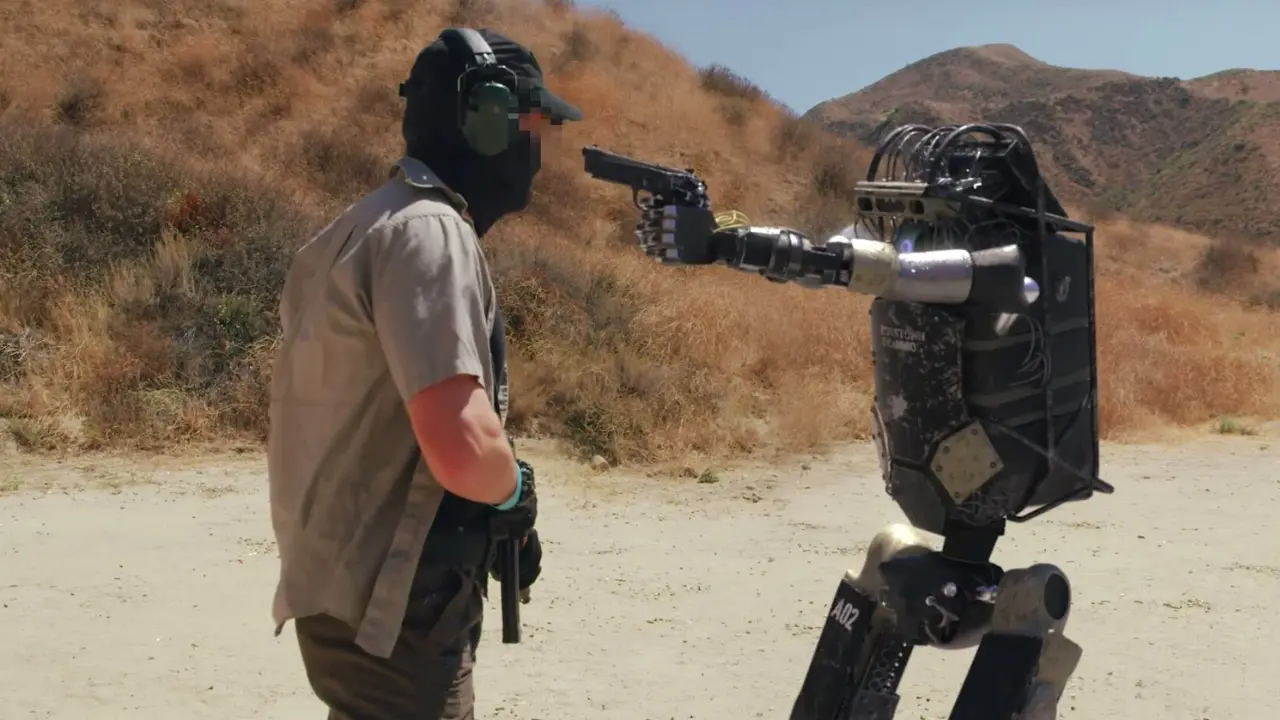
When a robot encounters an entirely unrecognisable situation, it pauses to query a massive cloud-based knowledge graph. Once the correct solution is identified, that new decision-making pathway is instantly shared with the entire global fleet.
)
)
)
)
)