Is sending robots to Mars easier than sending humans?

Sending robots to Mars is vastly easier and cheaper than sending humans. Robots do not need heavy life support, oxygen, or a return trip. Meanwhile, a crewed mission could cost up to $600 billion due to extreme safety and fuel requirements.
The staggering cost difference
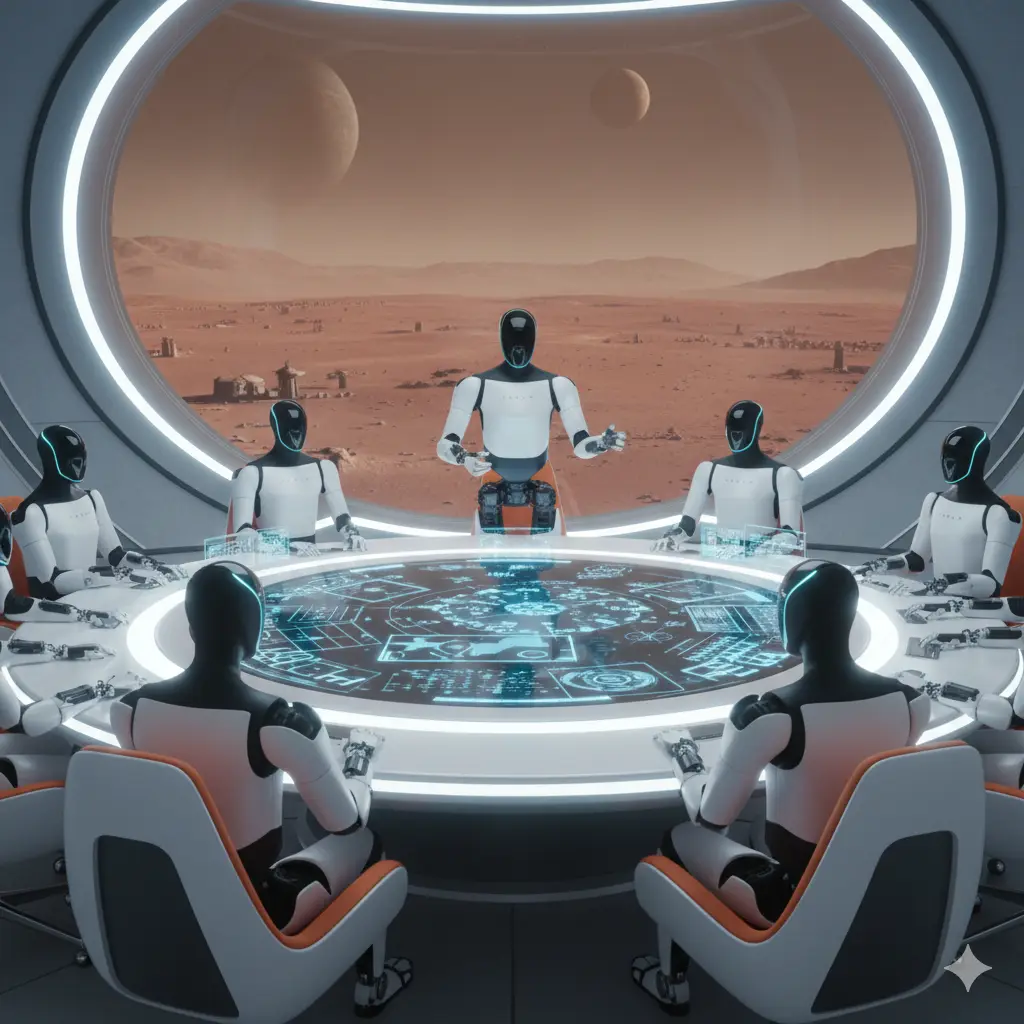
According to NASA estimates, a crewed mission to Mars could cost up to $600 billion. In stark contrast, robotic missions like the Perseverance rover cost less than $3 billion because they require drastically fewer resources.
The weight of life support
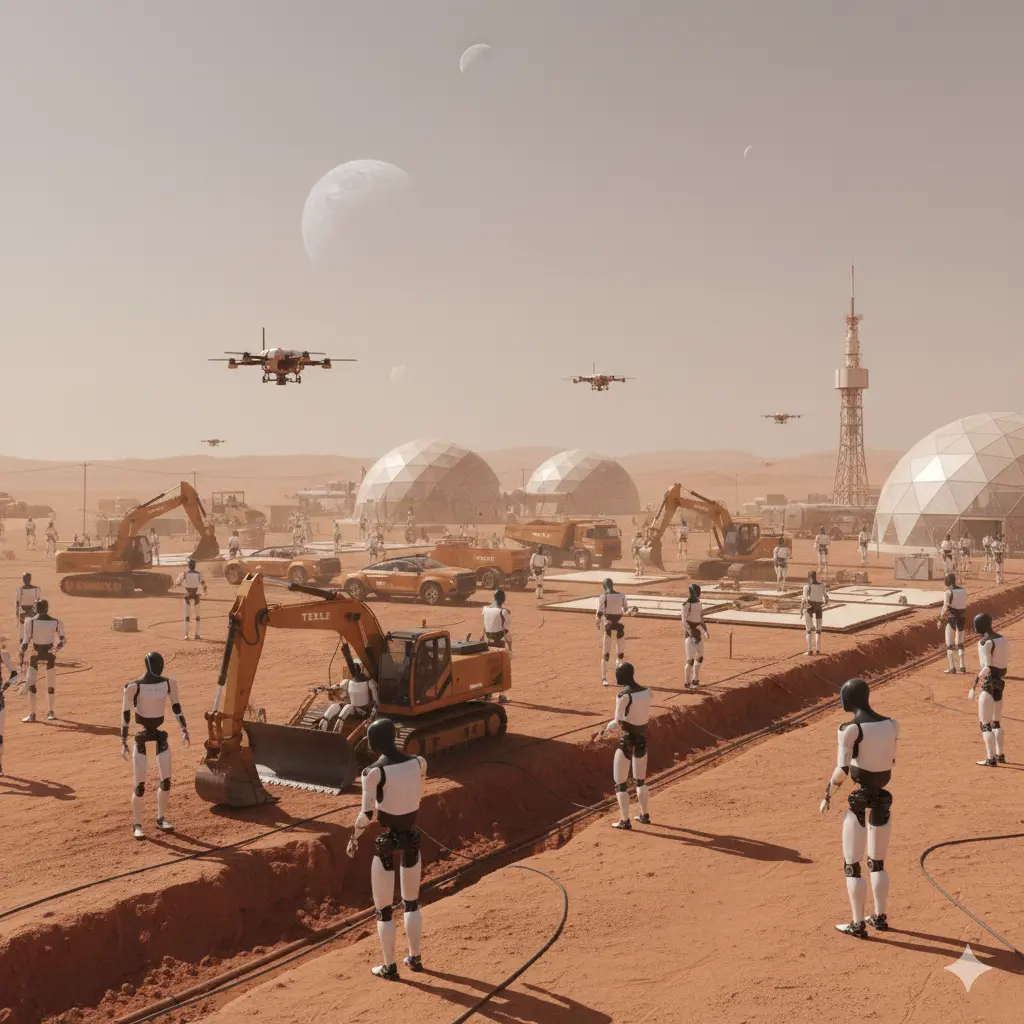
Human astronauts need constant supplies of oxygen, water, and food for a mission lasting up to three years. This heavy life support equipment exponentially increases the spacecraft's total weight and the fuel needed for launch.
Surviving deadly radiation
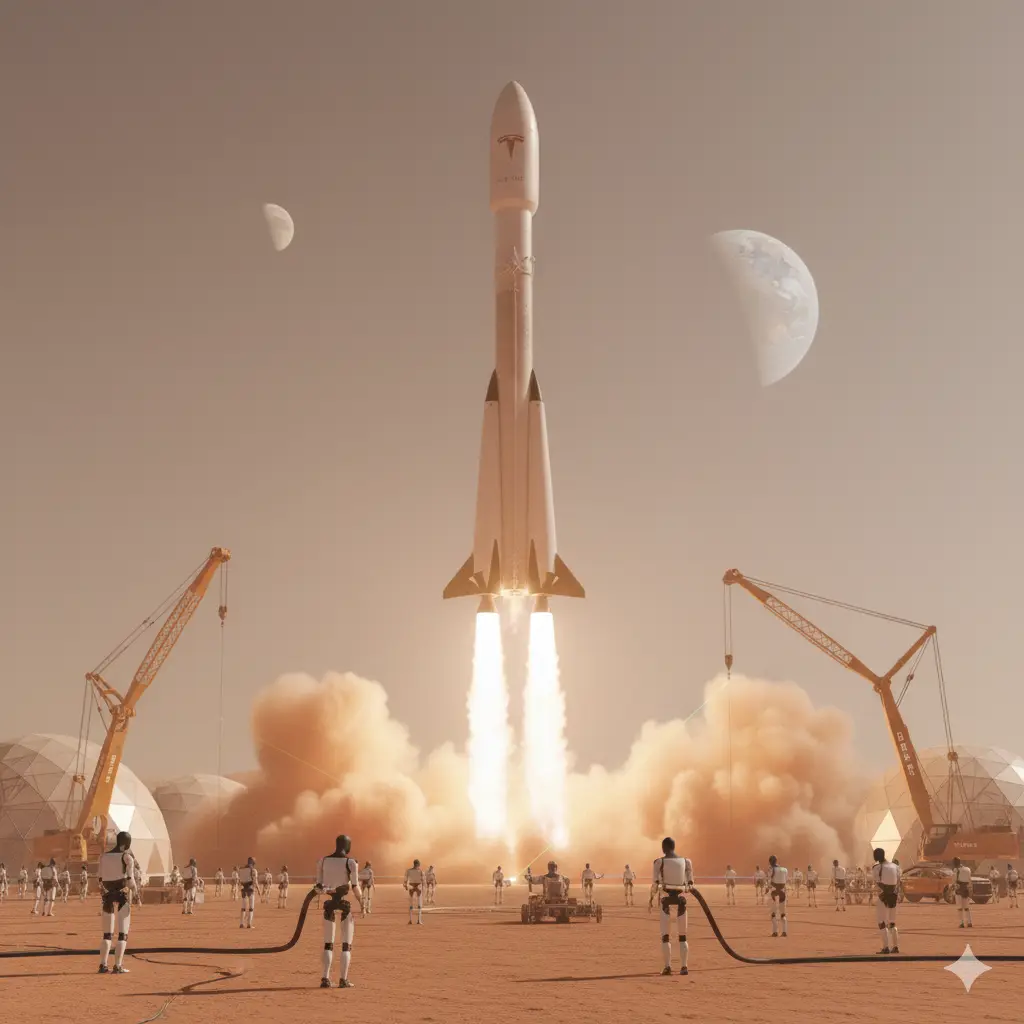
Deep space exposes astronauts to dangerous levels of cosmic radiation and microgravity, which severely impact human health. Robots easily withstand these hostile environments without requiring heavy, expensive radiation shielding.

No return ticket required
When a robot lands on Mars, it stays there permanently to conduct research until its power eventually runs out. Sending humans requires engineering a complex and fuel-heavy return vehicle to bring the crew safely back to Earth.

The ultimate human advantage
Despite the extreme difficulty and expense, humans remain highly adaptable problem solvers. While a rover moves at just 0.14 kilometres per hour, astronauts can make quick decisions and conduct versatile experiments instantly.
)
)
)
)
)