What would happen when AI gets a body?

Embodied AI is placing advanced digital brains inside humanoid robots to solve global labour shortages. The market will hit USD 6.24 billion in 2026 as giants like BMW deploy safety-regulated, dexterous robots on active assembly lines.
The Physical AI Era
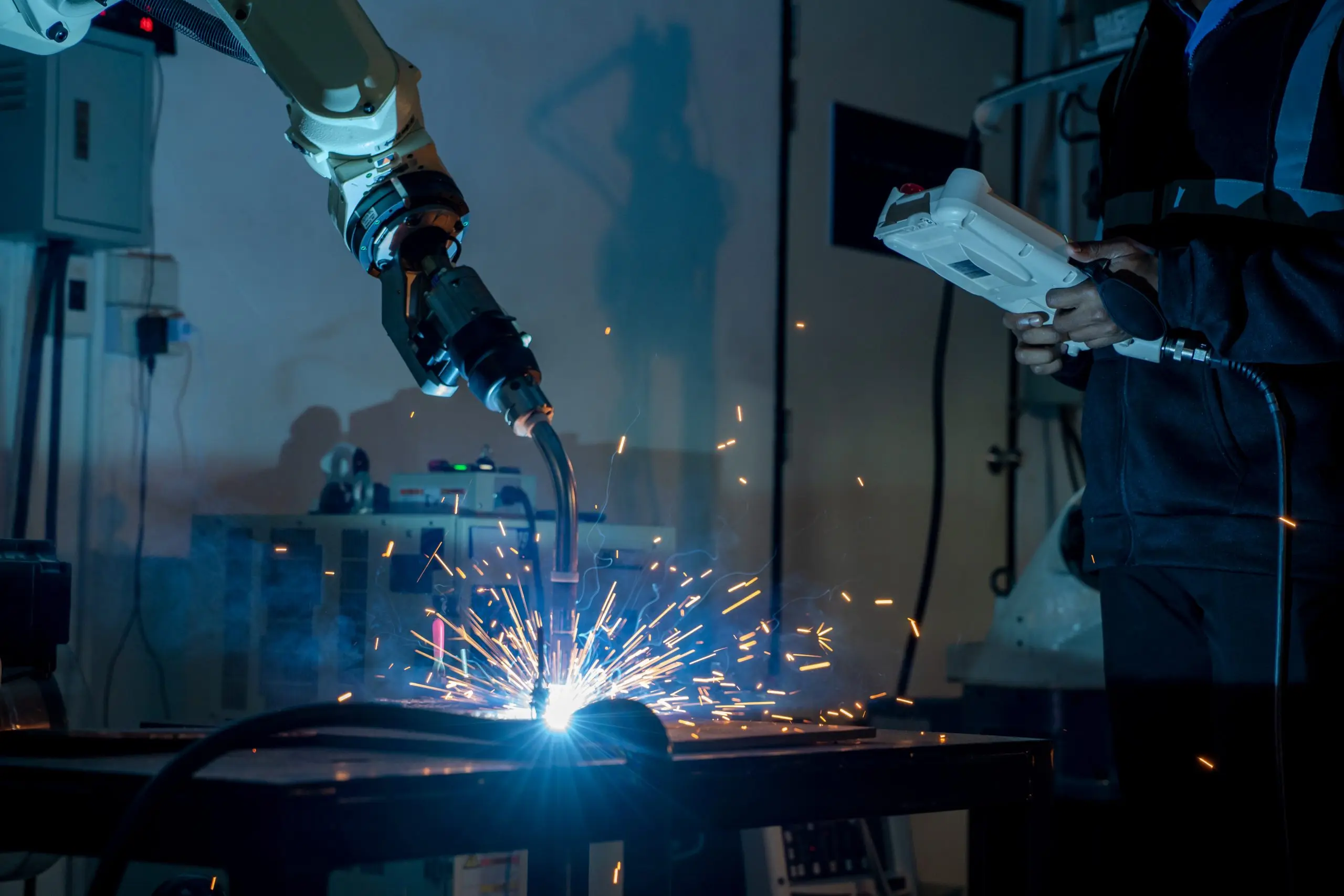
Artificial intelligence is stepping out of data centres and into physical bodies known as embodied AI. This technology allows humanoid robots to see, think, and act dynamically in the real world using integrated vision-language models.
A Booming Global Market
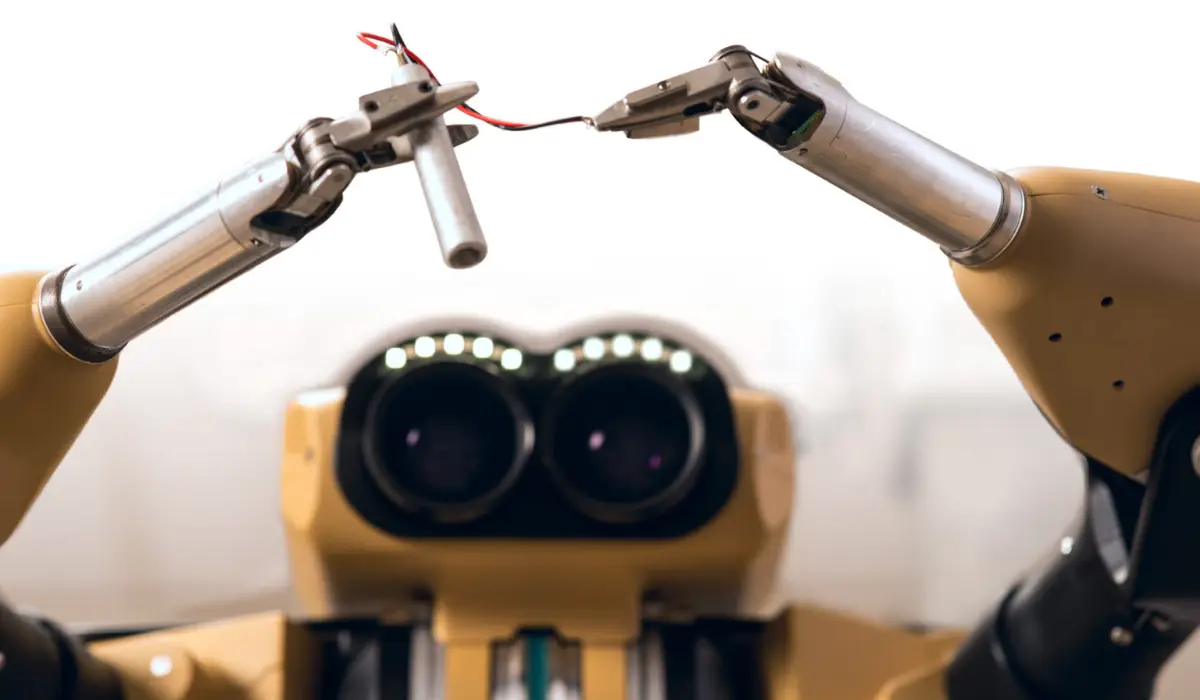
The commercial demand for physical artificial intelligence is accelerating at an unprecedented pace. The global humanoid robot market is projected to reach USD 6.24 billion in 2026, driven by severe labour shortages across the manufacturing and logistics sectors.
Simulated Brain Training
Before touching a physical object, these complex machines train inside highly accurate digital twins. Developers use GPU-accelerated simulation environments to run thousands of virtual robots simultaneously, safely teaching them physics through reinforcement learning.
Real-World Specifications
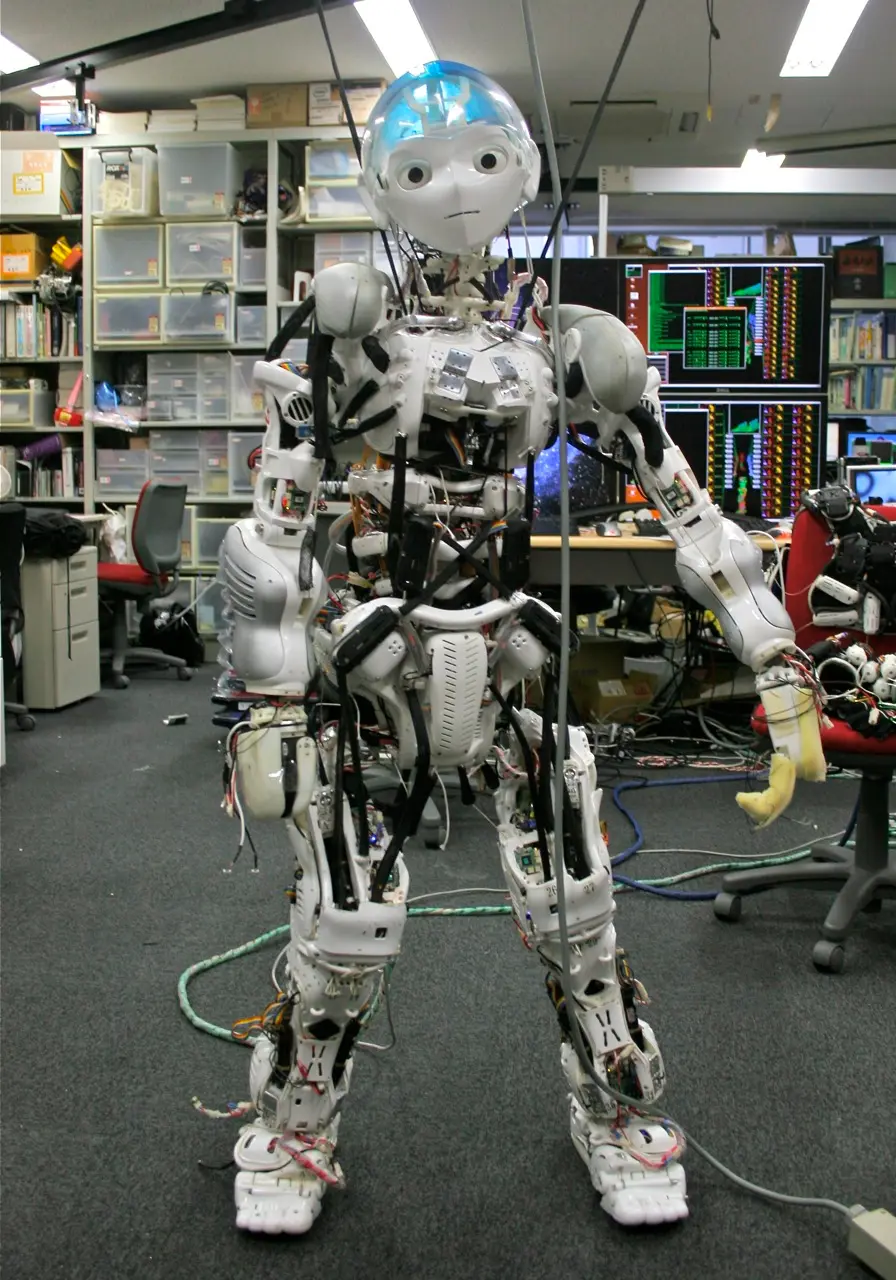
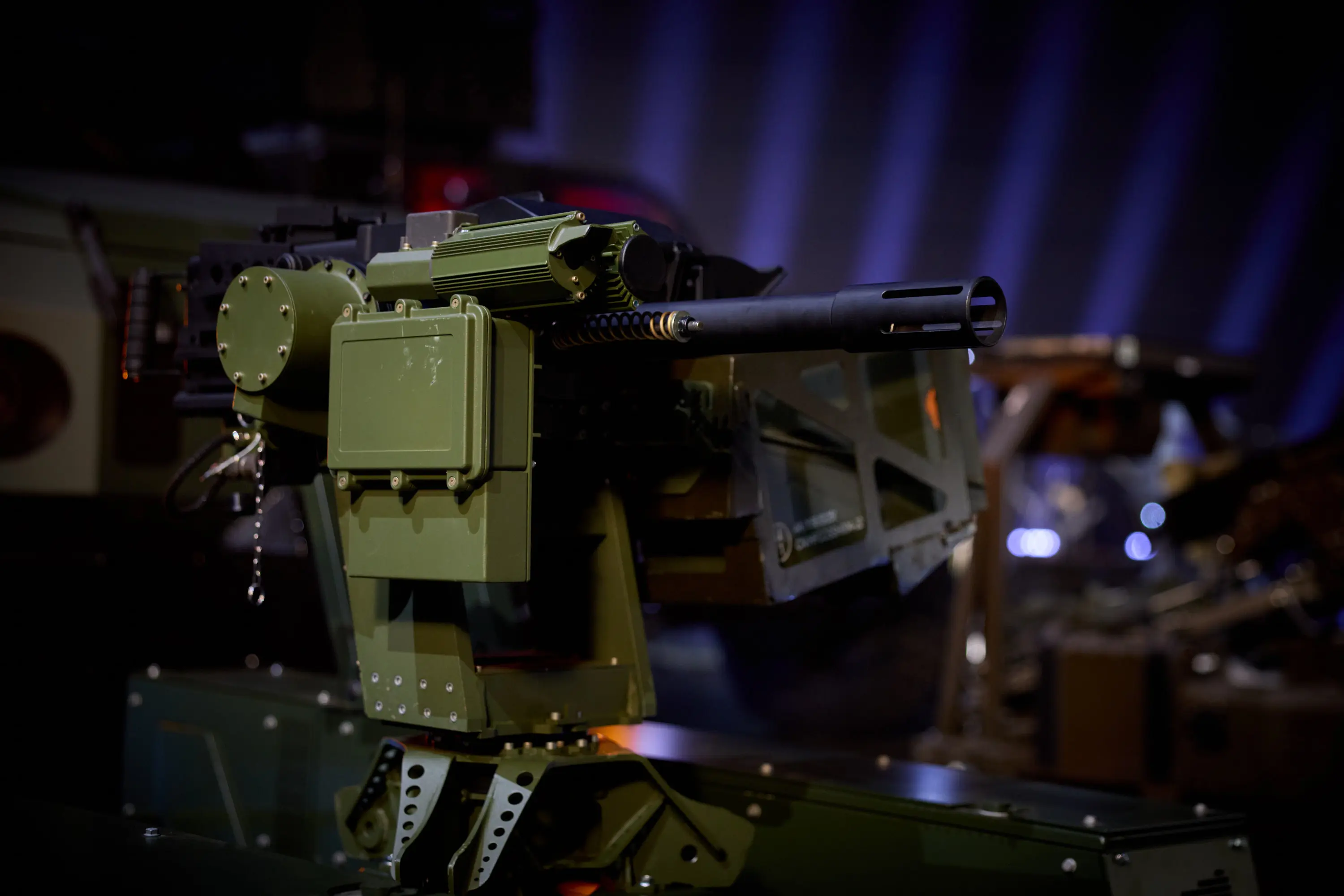
Modern humanoid platforms deliver serious industrial performance rather than mere novelty. For instance, the Apptronik Apollo robot carries a 25 kg payload and features hot-swappable battery packs to ensure 22 hours of continuous daily operation.
Advanced Dexterity
Traditional factory robots require specialised custom grippers for every single new task. In contrast, embodied AI platforms utilise multi-fingered hands with piezoresistive sensors, allowing them to instantly detect micro-vibrations and independently operate standard human power tools.
Strict Safety Parameters
Placing heavy autonomous robots alongside human workers requires strict, hard-coded ethical guardrails. Modern humanoids use dynamic safety zones that instantly cut joint torque if a collision exceeds 140 Newtons, reacting within five milliseconds.

Factory Floor Deployments
Automotive giants like Mercedes-Benz and BMW are already deploying these advanced humanoid systems on active assembly lines. They perform repetitive heavy lifting, logistics routing, and precise quality inspections, permanently altering the industrial workforce.
)
)
)
)
)