Iran war Strait of Hormuz mine field: What is lurking beneath the waters and how can it be removed?

&imwidth=600&imheight=450&format=webp&quality=medium "Iran war Strait of Hormuz mine field: What is lurking beneath the waters and how can it be removed?")
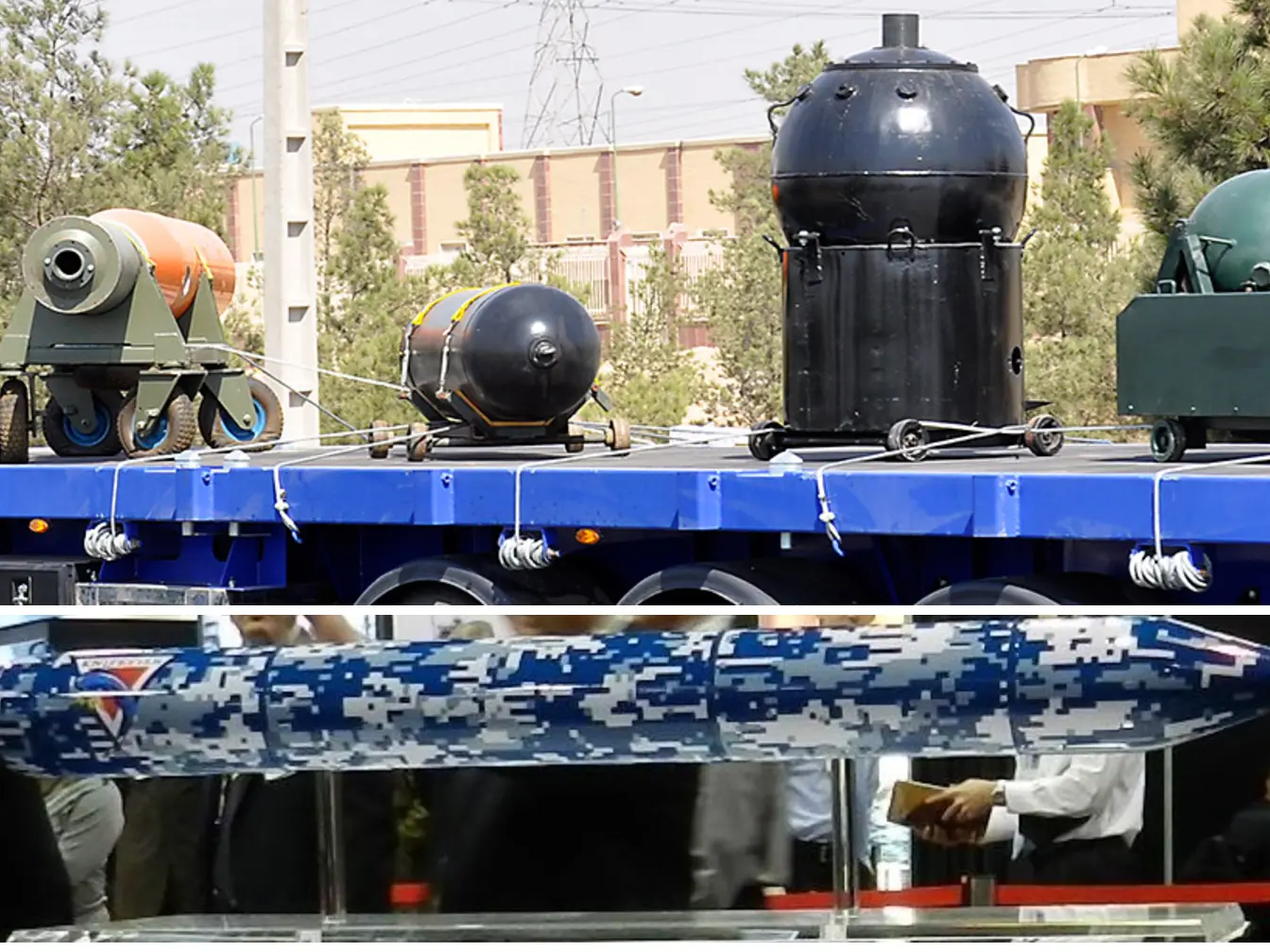
Top: Iranian mines at a military parade. Bottom: US minesweeping robot Knifefish Photograph: (Others)
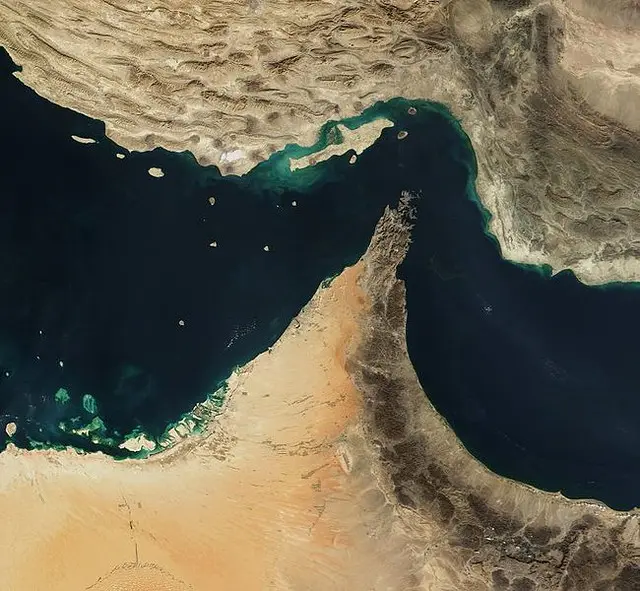
US plans anti-mine operations in the Strait of Hormuz after Iran laid mines during the war. What mines are possibly lurking under the strait's waters? Who or what can remove them? What will be the impact of this mining operations on global shipping and security?
The US is planning anti-mine operations in the Strait of Hormuz. Iran has closed the strategic waterway to most marine traffic since the US–Israel war started late February. Mine clearance is a tough task. Neither Iran nor the US can guarantee the full removal of these deadly explosives. Here is what you should know.
How Iran lays mines in the Hormuz Strait
According to reports, Iran has used small surface vessels to deploy mines along the Strait of Hormuz chokepoint after losing larger naval ships to US–Israel strikes. It is not known how many mines Iran may have laid, with some reports claiming it could be dozens.
Iran has reportedly said it cannot locate or remove all of them.
Leverage in war: Mines are part of a broader toolkit of Iran
Iran has been using asymmetric warfare tactics in the ongoing conflict. This includes drones, anti-ship missiles, and fast attack boats. Mine-laying along the Strait of Hormuz is another strategy. Despite losses, Iran retains most of its small boats and mine-laying capacity, according to the Iran Guards or IRGC.
Trending Stories
)
)
)
)
)
)
)
)
)
)
)
)
)
)
)
)
)
)
)
)
)
)
)
)
)
&im=FitAndFill=(700,400))
)
)
)
)
)
)
)
)
)
)
)
)
What types of mines is Iran laying in the Strait of Hormuz?
Iran is believed to have used two modern, sensor-triggered mines: Maham 3 and Maham 7.
Maham 3 is an anchored mine, weighing around 300 kg. It operates at depths of up to 100 metres.
Maham 7 is a mine that rests on the seabed, weighing around 220 kg. Designed for shallow waters, these cone-shaped mines can evade sonar detection, said a report in The Guardian.
Both Maham 3 and Maham 7 use magnetic and acoustic sensors, not simple contact triggers.
Also read: Closed or not? Strait of Hormuz turns into a baffling puzzle amid varied blockade statements
How is the US conducting mine-clearing?
Clearing mines is much harder than laying them. US forces will be exposed to the risk of mines exploding or attacks by IRGC boats. Crewed minesweeper vessels are vulnerable in the narrow strait. Therefore, the preferred methods involve uncrewed systems.
These include the submersible drone Knifefish and speedboat-like MCM unmanned surface vessels. They could also use airborne systems such as AN/ASQ-235 or Archerfish. Deployed from MH-60S helicopters, these systems use sonar-guided devices to destroy mines.
Mine-sweeping is fraught with risks for the US
Even with drones, US ships and aircraft must operate near the Strait of Hormuz, making them targets for missiles or drone swarms if fighting resumes.
There have been reports that two US destroyers are likely preparing for mine-clearing operations. USS Frank E Petersen and USS Michael Murphy passed through the strait on 11 April.
How mines have become strategically important for Iran
Mines are cheap but strategically powerful, as even a small number of these hidden explosives can shut down major shipping lanes. Some mines can explode after several ships pass, increasing uncertainty and disruption. This gives Iran disproportionate leverage over global trade.
Prohibiting strait passage and international law
Iran claims parts of the strait as territorial waters, even though international law generally prohibits blocking straits used for innocent passage. However, neither Iran nor the US has signed the 1994 UN Convention on the Law of the Sea.
As peace talks continue, it is unclear whether Iran will provide the US with minefield maps.
Iran’s use of advanced naval mines, combined with uncertainty about their number and location, has made the Strait of Hormuz highly dangerous. The US has the technology to clear them, but it will not be fast, as mine-sweeping is slow, risky, and potentially escalatory.
Disclaimer: WION takes utmost care to accurately and responsibly report ongoing conflicts in West Asia involving Israel, Iran, US, Gulf nations and non-state actors like Hezbollah, Hamas, Houthis, Islamic State, and others. Claims and counterclaims, disinformation and misinformation are being made online and offline. Given this context, WION cannot independently verify the authenticity of all statements, social media posts, photos and videos.