&imwidth=800&imheight=600&format=webp&quality=medium "G7 Summit: Trump faces pressure on Ukraine support as Iran deal, AI and global issues dominate talks")
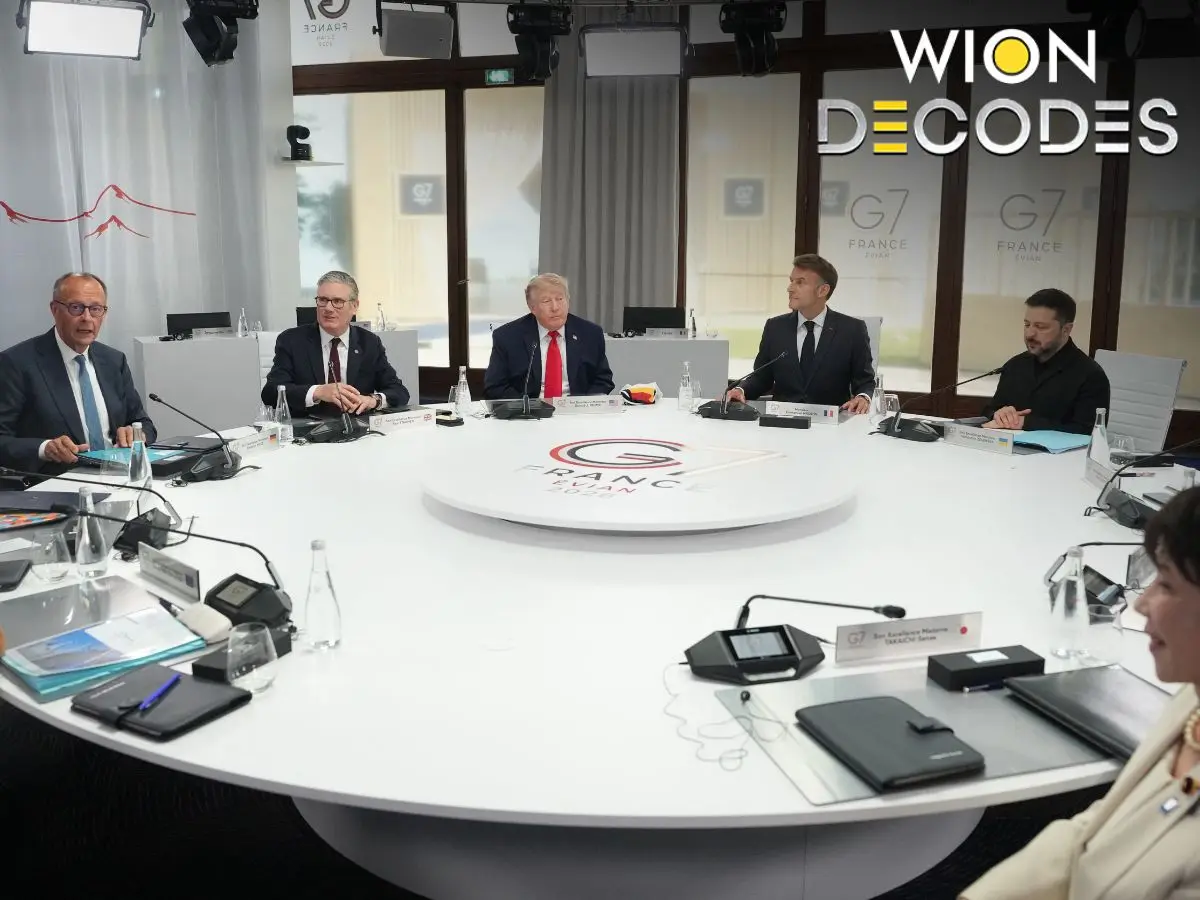
The three-day G7 Summit in Évian, France, focused on the Ukraine war, the US-Iran agreement, artificial intelligence, migration and global economic challenges, as leaders pushed for a coordinated response on major international issues.
The summit came at a time when the conflict in West Asia had created differences between the United States and some of its allies. However, the discussions also saw US President Donald Trump take a stronger position on Russia, as European leaders sought greater commitment from Washington on Ukraine support.
The leaders of Britain, Canada, France, Germany, Italy, Japan and the United States issued a joint statement that referenced the war in Ukraine, marking a shift from last year's meeting, when Trump left the summit early.

G7 increases pressure on Russia, backs Ukraine support
The G7 leaders agreed to strengthen support for Ukraine by increasing supplies of air defence systems and putting further pressure on Russia's economy through additional sanctions, including measures targeting Moscow's fossil fuel revenues.
The summit was attended by Ukrainian President Volodymyr Zelensky, with Trump saying Russia must work towards a peace agreement and expressing concern over the increasing casualties on both sides.
Trending Stories
)
No Pandya as Auqib Nabi earns maiden ODI call-up; Mayank returns for WI T20Is| check full squads
)
FBI Director Kash Patel grilled over change of hiring rules on bestiality
)
Sydney Sweeney defends provocative ad choice, the internet is still not impressed
)
War will be ‘completely different and very short’ if Europe attacks Russia, warns Lavrov
)
Shahzad Bhatti Network declared terrorist organisation under UAPA: Govt order
)
US, China dominate global economy: Where does India rank among the world's biggest economies?
)
Finnish president Stubb calls Trump 'good for NATO' as allies increase defense expenditure
)
Bigg Boss 20: Mahhi Vij reveals she lost Yuva role to Kareena Kapoor; 'didn’t work out in my favour'
)
All Indian goods to get duty-free access to New Zealand
)
Alex Saab, ally of Venezuela's Maduro, pleads guilty in US corruption case
)
Lionel Messi for 2026 Ballon d’Or over Mbappe and Yamal, says Diego Simeone
)
Who was Eliana Moreno? NBC LA aerial reporter killed in Chatsworth crash
)
Trump backs PM Modi’s anti-opium push even as India remains on US illicit drug-producing list
)
At least 20 killed after war-damaged apartment building collapses in Gaza; rescuers search for survivors
)
Pakistan naval vessel returns to harbour with 'severe damage' after collision with Indian warship in Arabian Sea
)
Fed raises rates for first time in 3 years, Kevin Warsh defies Trump as inflation mounts
)
What is Article 10 of the 1991 treaty at the centre of Pakistan Navy's 'unprofessional conduct'
)
Ex-CIA officer caught with gold bars worth $40 million seeks plea deal | Gravitas
)
Daayra movie review: Kareena Kapoor, Prithviraj Sukumaran shine in Meghna Gulzar’s cop-versus-cop crime thriller
)
Gurugram biker hit-and-run case: Accused Kalyan Bainsla, cousin sent to 2-day police custody
)
Pakistan: Imran Khan's sons Kasim & Sulaiman claim their father is 'tortured' in jail
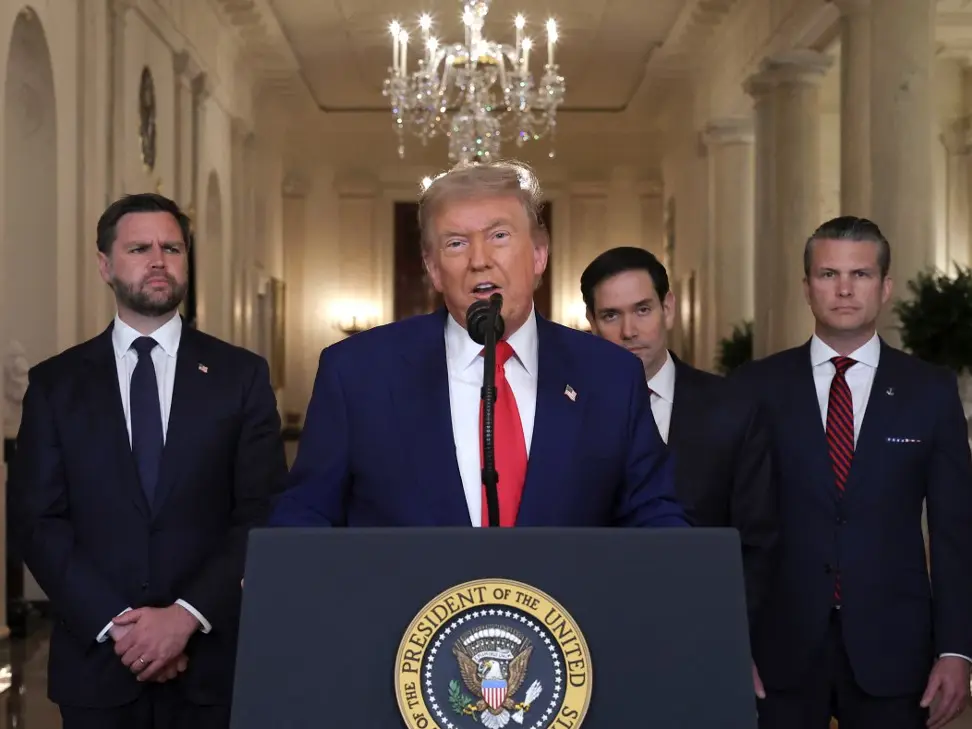)
Trump's Iran war faces fresh House rebuke; 7 Republicans join Democrats in push to end conflict ahead of midterms
&im=FitAndFill=(700,400))
New OTT releases this week (September 14-20, 2026): Lust Stories 3, Waiting Hai, Irumudi- 5 new titles coming on Netflix, Prime Video and more
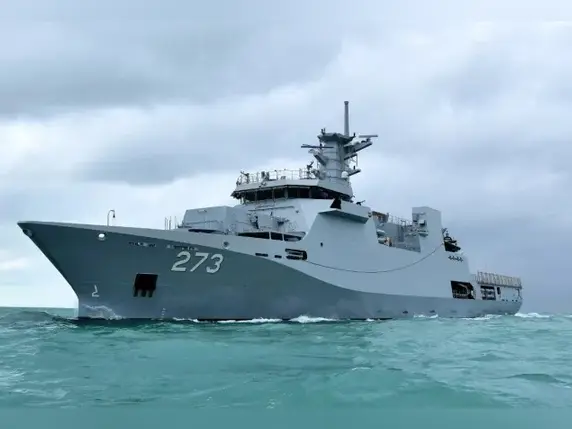)
PNS Hunain: All you need to know about Pakistani vessel that hit Indian Navy warship
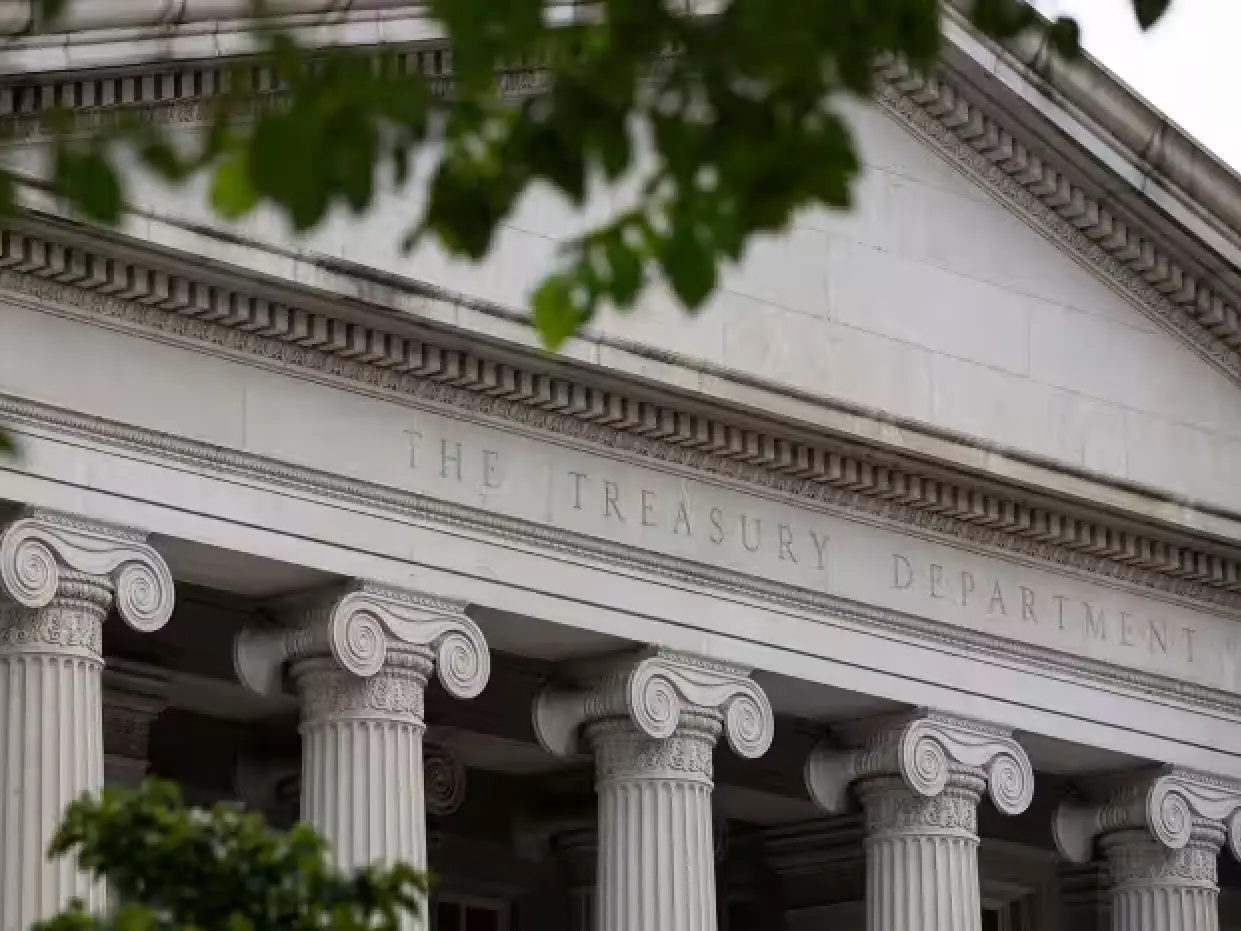)
US Treasury rallies global financial institutions for Op Economic Outcast to isolate Iran
)
Saudi vs Houthis: Riyadh claims to have shot Houthi drone targeting Mecca
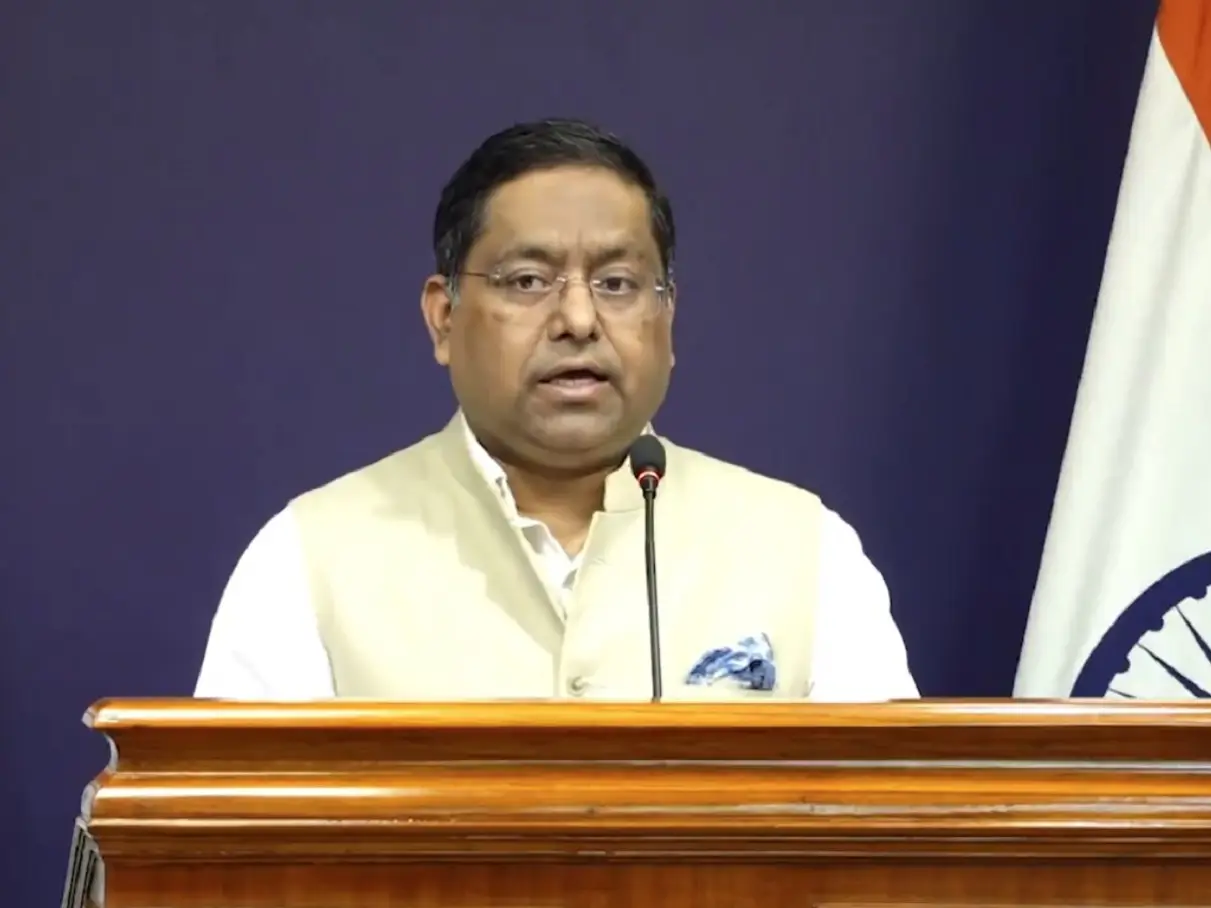)
‘There’s no Pak-China boundary’: India rejects ‘so-called’ boundary joint commission, tells Islamabad to stop ‘theatrics’
)
Riyadh warns of ‘red line’ after Mecca targeted; Houthis claim downing Saudi fighter jet – What’s happening?
&im=FitAndFill=(700,400))
Suriya and Jyothika say ‘I do’ again after 20 years! See their dreamy wedding pics
)
Abhishek Sharma rises to No. 2 in T20Is; ENG’s Robinson 3rd after record Pakistan Tests
)
Extreme warming in Indian Ocean added 695 billion tons of ice to Antarctica ice sheet
)
BRICS success stuns White House, Trump targets India with 100% tariff | Gravitas
)
Meghan Markle's phone number leaked from children's WhatsApp group, couple switches Archie and Lilibet's school
)
The Early Spring season 2 is happening, but fans have one request - 'don't change the actors'
G7 leaders also agreed to increase the delivery of air defence capacities, additional systems and interceptors, and long-range capabilities, and to allow Ukraine-based companies to manufacture long-range missiles and air defence systems.
The group also welcomed the agreement reached between the United States and Iran, describing it as an opportunity to prevent Tehran from developing nuclear weapons and address concerns linked to its regional activities and ballistic missile programme.
"We welcome the announcement of a deal between the United States and Iran, secured under the strong leadership of President Trump, with the support of mediating countries, which provides an historic opportunity to prevent Iran from acquiring any nuclear weapon and tackling the threats related to its regional and ballistic activities. We support and are ready to contribute to its implementation," the G7 leaders said in their joint declaration on geopolitical issues.
On Lebanon, the leaders supported efforts for an immediate ceasefire and backed measures aimed at disarming Hezbollah while protecting Lebanon's territorial integrity and sovereignty.
"In Lebanon, we support, through an immediate robust ceasefire, the Lebanese leadership’s efforts to achieve the disarmament of Hezbollah and the monopoly of arms, and to protect Lebanon’s territorial integrity and sovereignty with the appropriate international security guarantees," the statement said.
AI regulation, critical minerals and migration remain key focus
Artificial intelligence was another major topic discussed during the summit, with G7 leaders urging technology companies to create systems that provide safe, secure and age-appropriate digital experiences.
"We call on technology firms to develop and apply technology and systems that ensure safe, secure and age-appropriate experiences," the leaders said in their joint statement.
French President Emmanuel Macron called for stronger regulation of AI and warned about the risks of a lack of cooperation among democratic countries.
The leaders also raised concerns over China's non-market policies, economic coercion and export restrictions related to critical minerals in an indirect reference. They stressed the need to diversify supply chains and improve global resilience.
"We express our grave concerns regarding the use of non-market policies and practices and economic coercion, including arbitrary export restrictions and retaliatory measures on critical minerals and their related dual-use items, all of which undermine economic security and resilience. We will work together with partners to reduce critical dependencies and ensure that attempts or threats to weaponise economic dependencies fail," the G7 leaders said in their declaration on securing supply chains for critical minerals.
The grouping of advanced economies also discussed migration and organised crime, calling for stronger action against migrant smuggling and drug trafficking networks.
"Migrant smuggling and human trafficking constitute serious transnational crimes that erode the sovereign right of States to control their borders and expose smuggled and trafficked persons to life-threatening risks. We are committed to tackling organised illegal migration," the leaders said in their declaration on migrant smuggling.
On drug trafficking, the G7 leaders committed to increasing cooperation to disrupt criminal networks and strengthen measures against the illegal trade.
"We reaffirm our determination to have joint and ambitious solutions to disrupt drug trafficking networks, with an evidence-based whole of government approach that includes the reduction of drug supply and demand, consistently with our shared values, norms and standards. We are committed to scaling up coordinated actions to prevent, investigate and prosecute all organised criminal groups, and to strengthening the resilience of our systems, in a comprehensive approach," the leaders said.
G7 stresses energy security and stable supply chains
The G7 leaders reaffirmed their commitment to multilateral cooperation aimed at supporting economic growth, resilience and development.
They also highlighted the importance of reopening the Strait of Hormuz without charges and ensuring stable energy markets after disruptions linked to regional tensions.
"We recognise that a swift return to free and safe transit through the Strait of Hormuz without any form of charges, and a lasting resolution to the conflict, are imperative to mitigate these negative impacts and support more balanced, durable and resilient global growth. We underline the importance of affordable access to energy and reaffirm our commitment to well-functioning, stable and transparent markets for energy and other commodities," the leaders said.
The group also reiterated concerns over economic dependencies , market distortions and supply chain vulnerabilities, likelyreferring to China, saying reliable supply chains remain essential for global economic security.
"We reaffirm our shared concerns regarding non-market policies and practices (NMPPs) and their adverse impacts, including persistent market distortions, global structural excess capacity and resulting imbalances, harmful spillovers in global, regional and domestic markets and growing economic dependencies. We reaffirm that resilient and reliable supply chains are essential to economic security," the statement added.