&imwidth=800&imheight=600&format=webp&quality=medium "G7 Summit 2026: The bilateral meetings to watch out for as global leaders gather in France")
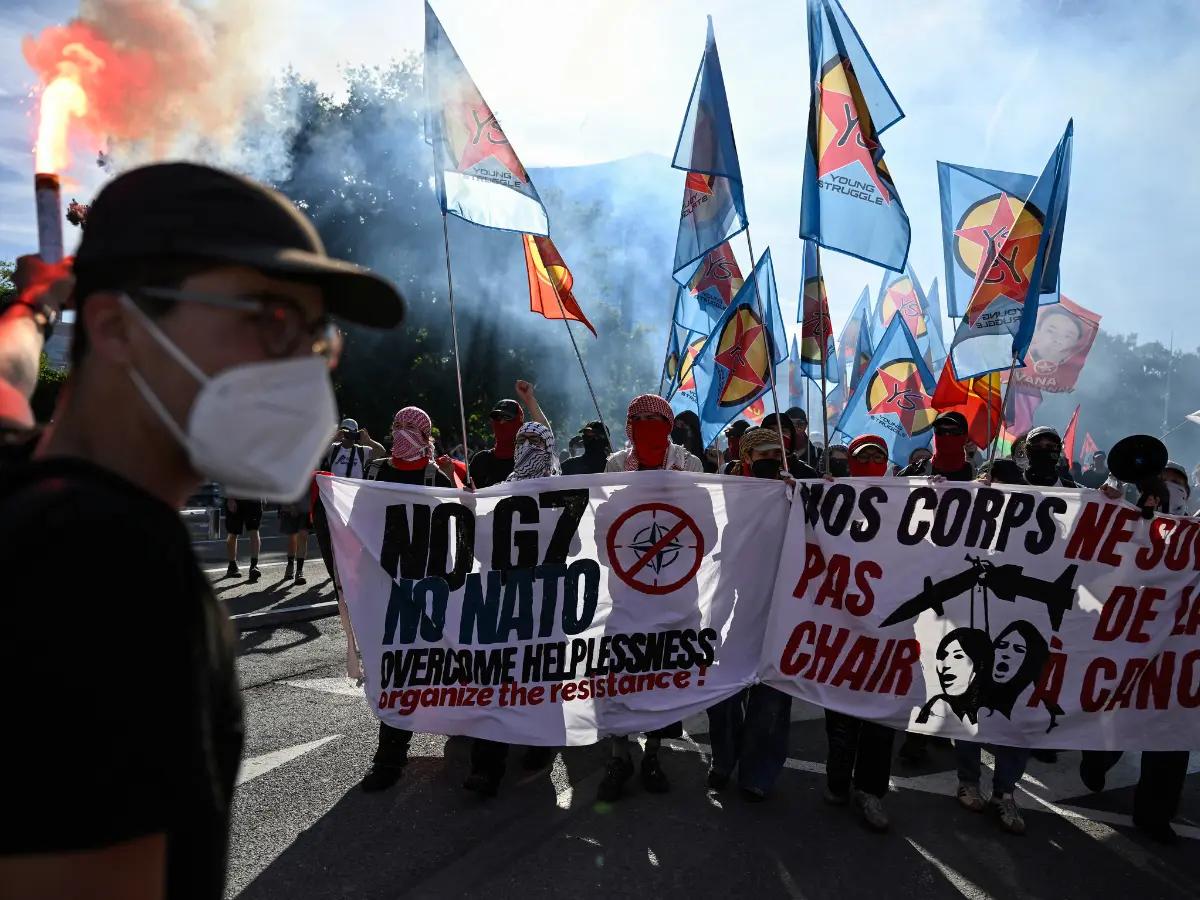
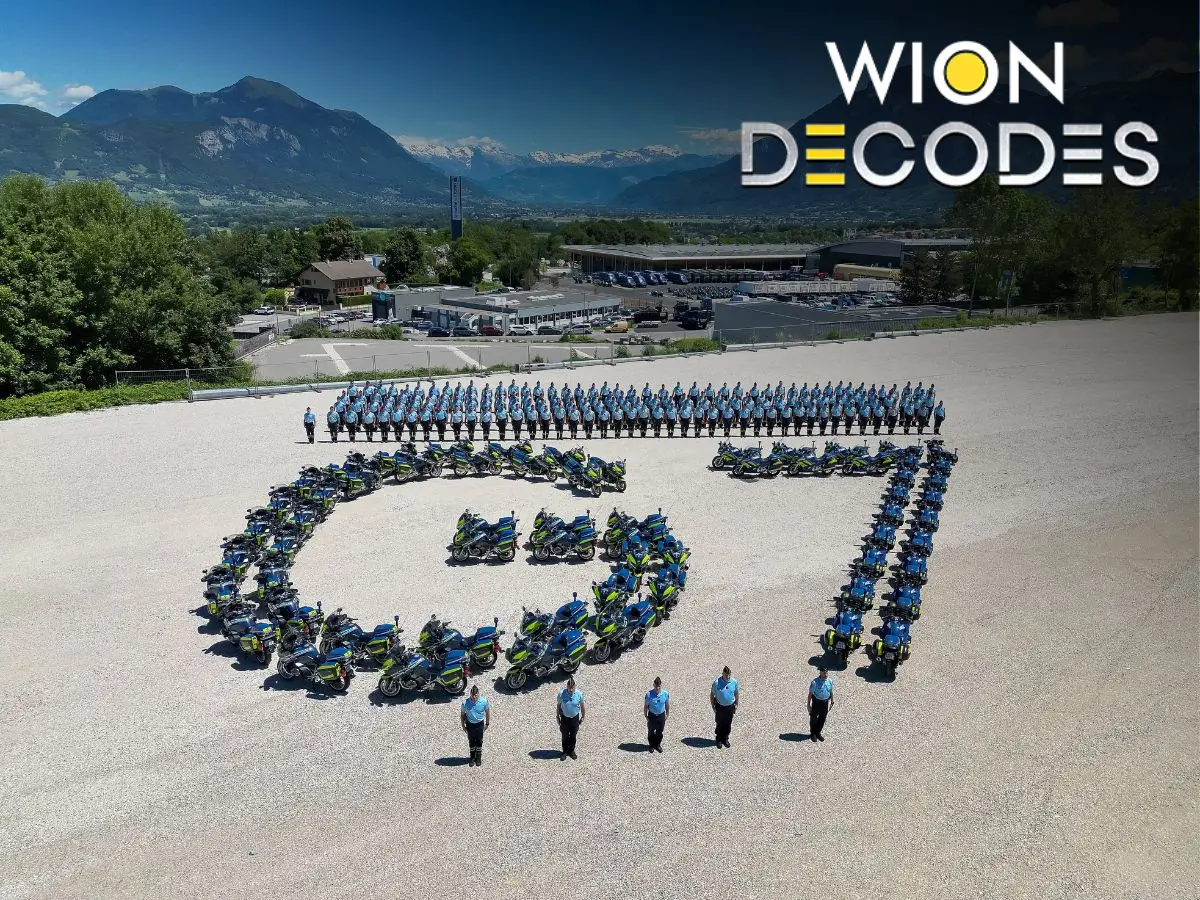
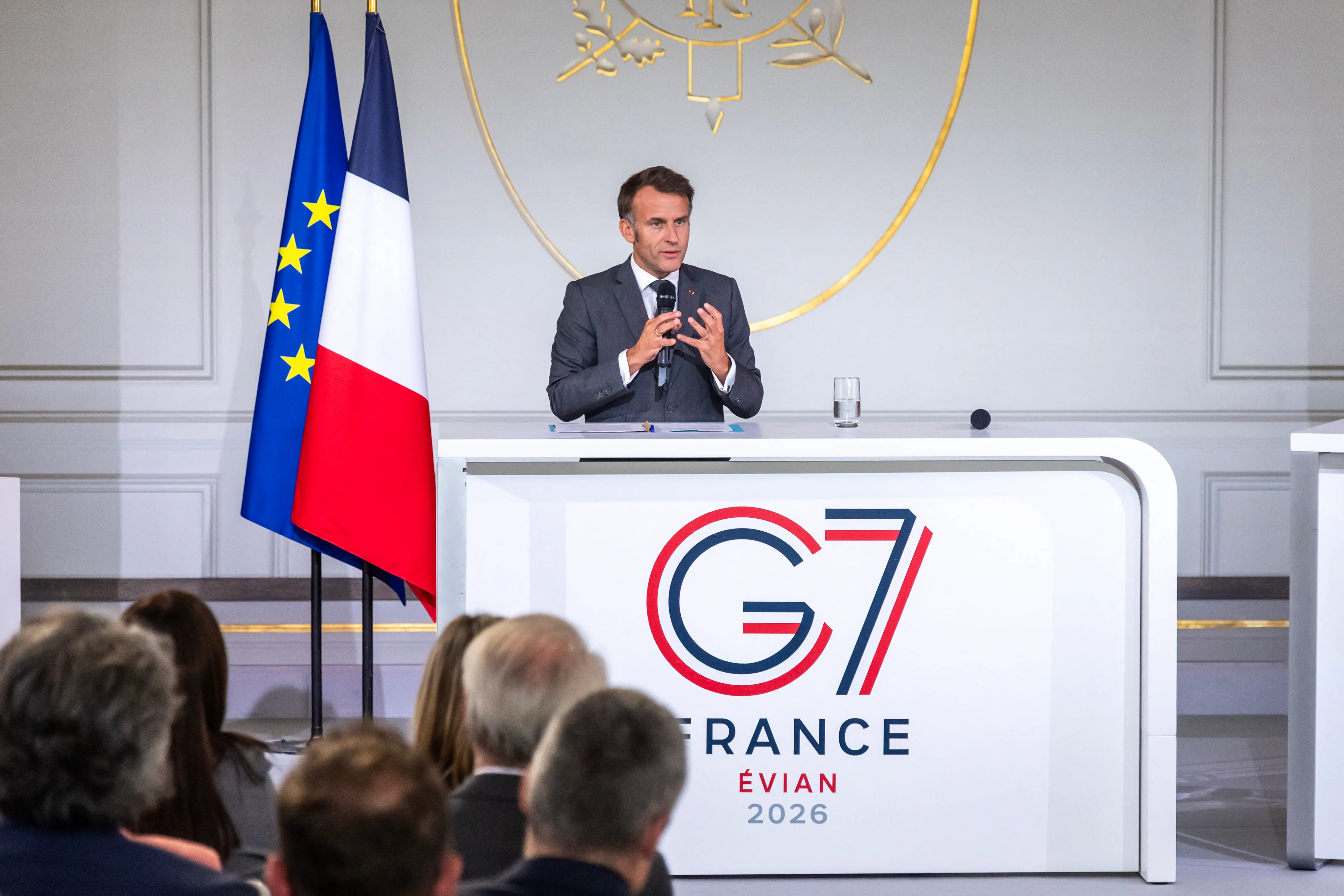
The leaders of the G7 countries are gathering for the summit in the lakeside French resort of Evian-les-Bains this week. The 52nd edition will begin on June 15 for three days, with discussions on trade, global economic stability, artificial intelligence, and critical mineral security expected to be the highlights. Several informal "sideline" bilateral meetings are also on the cards and are drawing unprecedented attention. Here are the most-watched bilateral meetings of the G7 Summit.
G7 Member nations - Who all are attending?
Canada, France, Germany, Italy, Japan, the UK, the US and the European Union are the main member countries. France has also invited India, Brazil, Egypt, Kenya, South Korea, Qatar, Saudi Arabia, Syria, Ukraine, and the UAE as "outreach partner countries". This means Volodymyr Zelensky would also be present alongside US President Donald Trump. Are the two scheduled to meet?

Donald Trump vs Narendra Modi bilateral
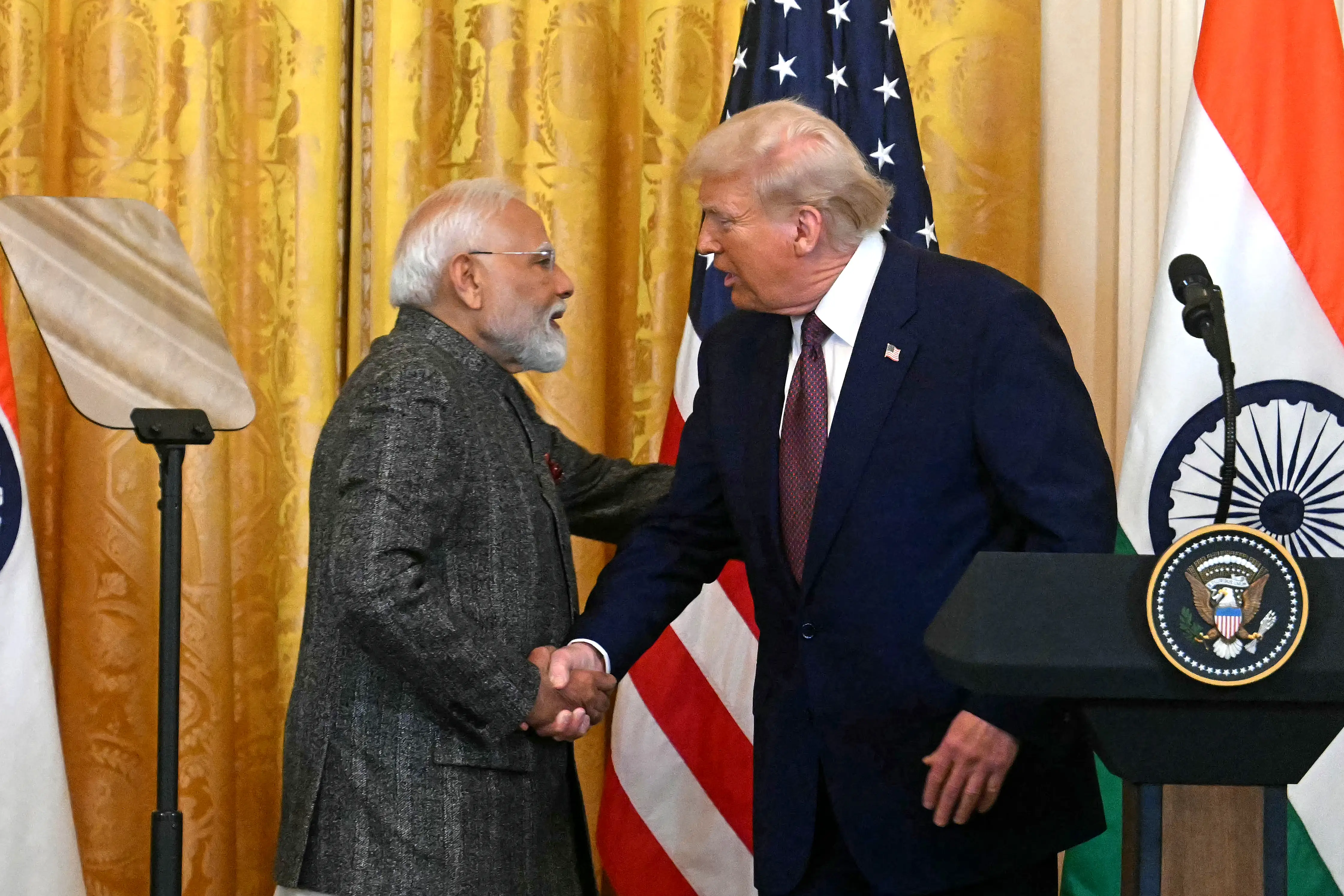
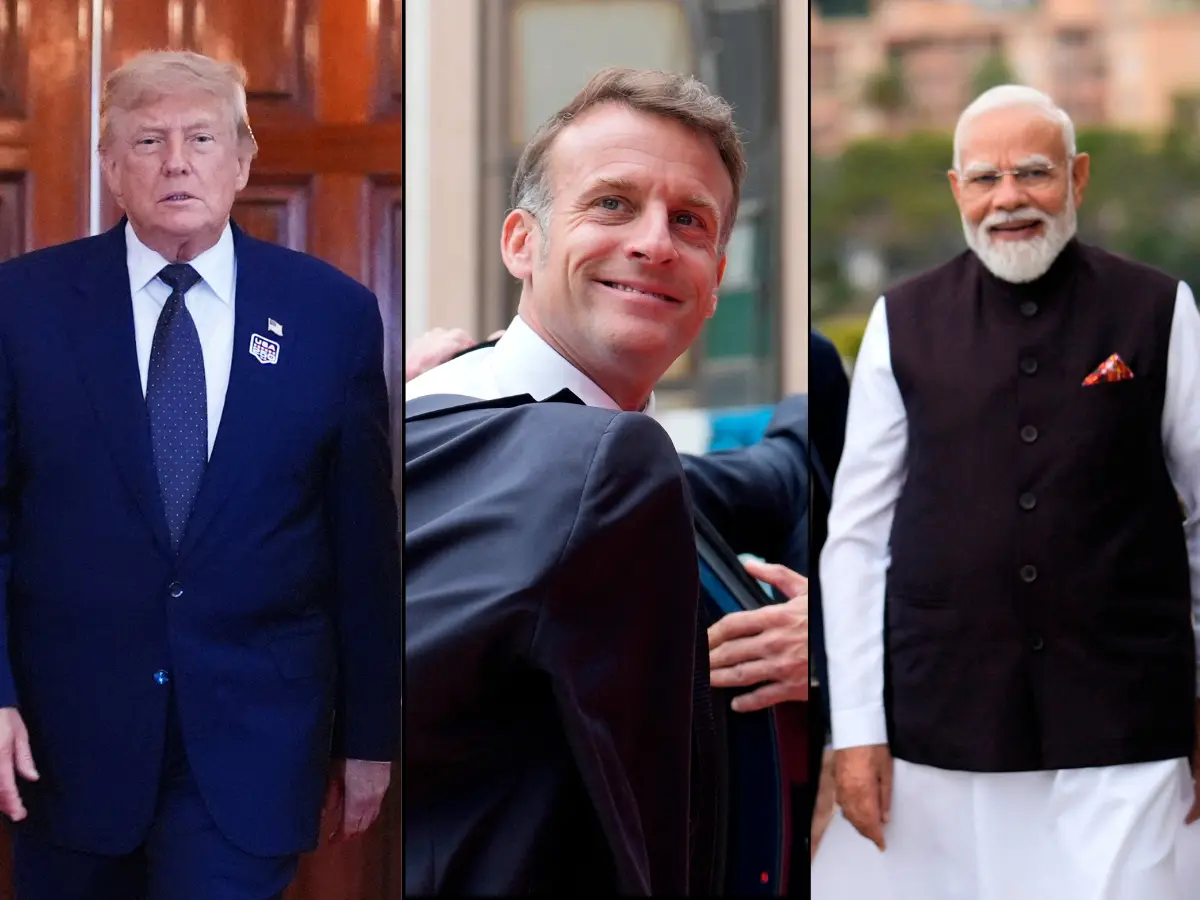
This is the biggest bilateral to watch out for at the G7 Summit, as American President Trump and Indian Prime Minister Modi sit face-to-face for the first time this year. It will take place on the last day of the summit, on June 17. The last time they met was in February 2025, in Washington. Trade, tariffs, and tech alliances are expected to dominate their talks. Modi has presented India as a "vital bridge between Western G7 nations and developing economies", stating the country will "voice the aspirations of the Global South" at the G7.
Trending Stories
)
Did India risk its US trade deal despite softer stance at BRICS?
)
Trump rejects AI guardrails, says he stopped AI firms from doing ‘bad things’
)
Pakistan puts Pak Rs 70 lakh bounty on UN terrorist Masood Azhar; move draws skepticism in Delhi
)
‘US ensuring global energy supplies’: Trump demands reimbursement for securing Strait of Hormuz
)
'Huge destructive power': North Korea calls its latest missile launches 'live-fire drill' even as US dismisses 'immediate threat'
)
‘Let’s go’: Newly declassified videos show dramatic rescue of US Air Force officers downed in Iran
)
Historic first: ‘Ganga aarti’ performed on River Thames in London
&im=FitAndFill=(700,400))
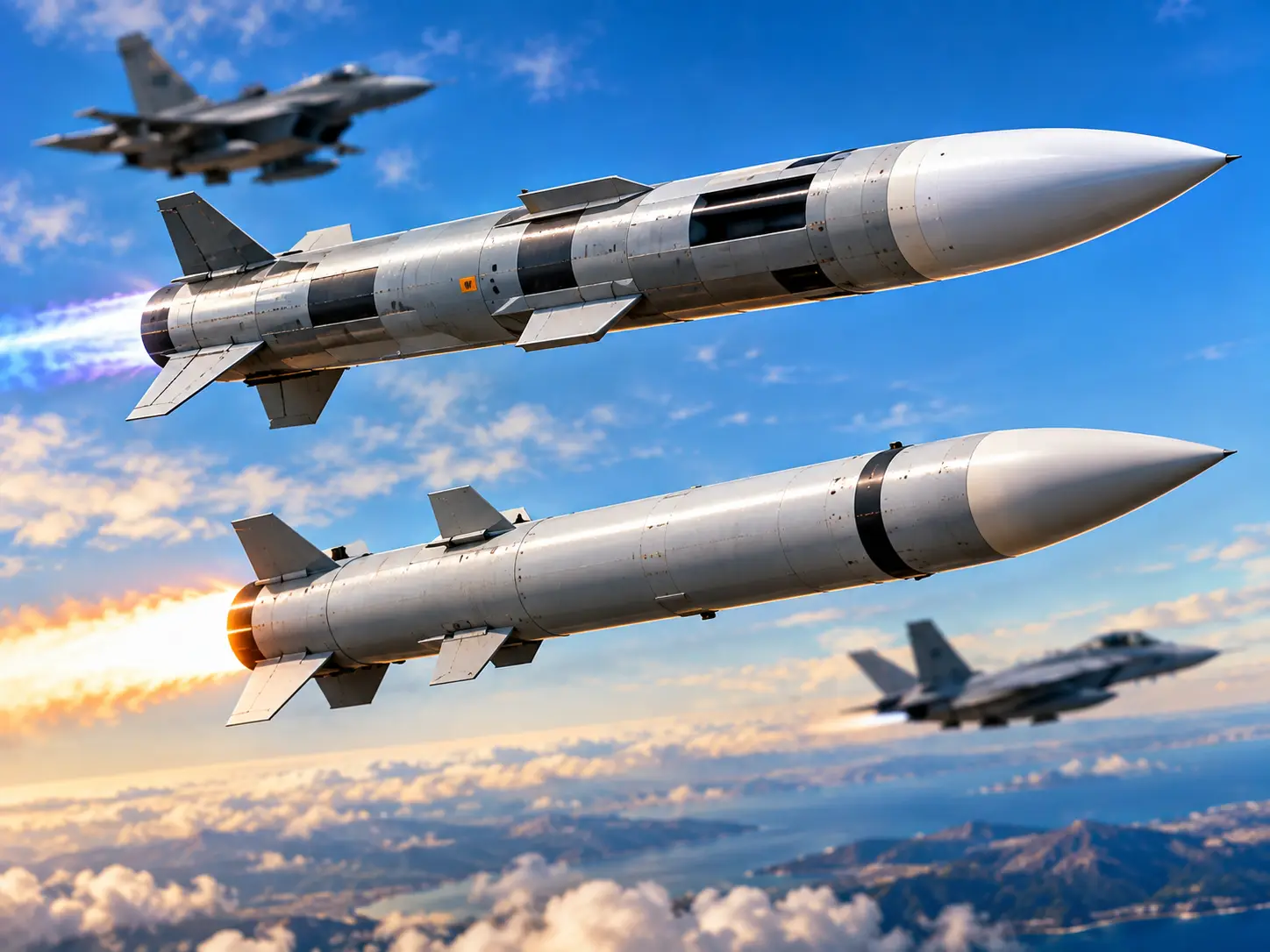
Why European Meteor missiles use ramjet engines compared to standard US solid rockets
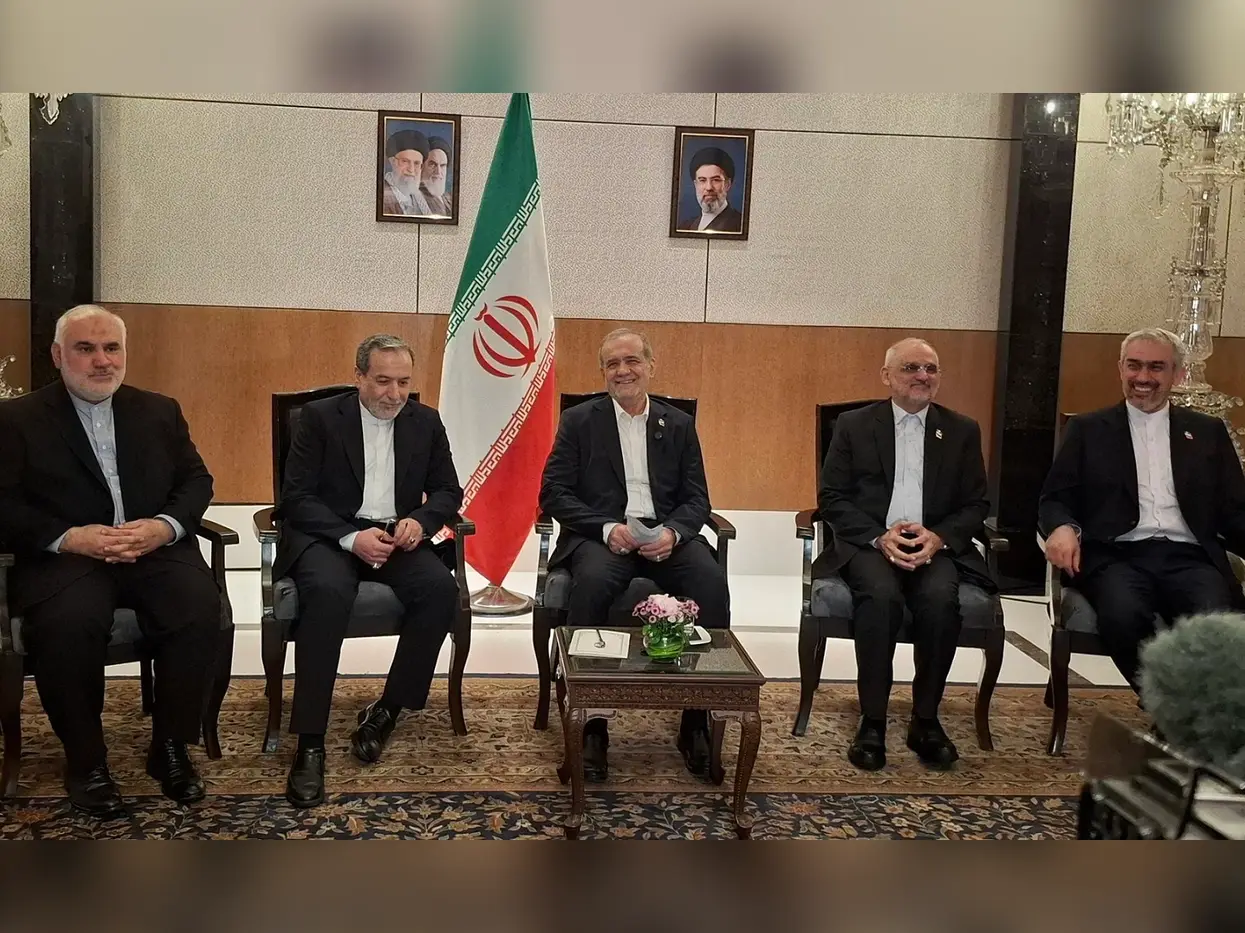)
Iran, India agree to deepen humanitarian and political ties, President Pezeshkian says
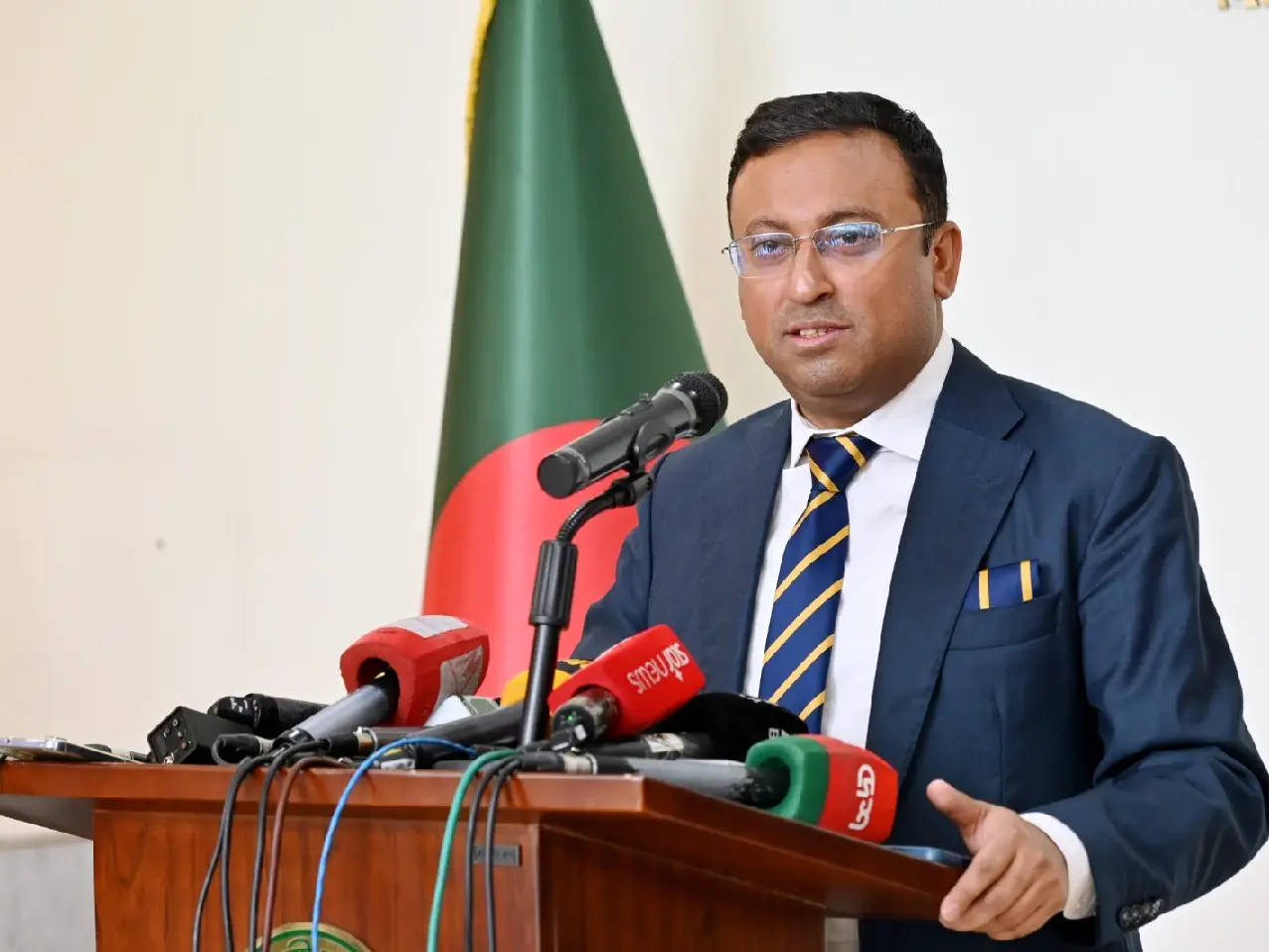)
‘Want to reset ties with India, have engagement based on mutual interests,’ says Bangladesh minister
)
Turkish Airlines plane flies through a storm three times, triggering severe turbulence
&im=FitAndFill=(700,400))
Why Chinese PL-15 air-to-air missiles use dual-pulse motors compared to European interceptors
)
BRICS set of guidelines for disaster management
)
800 million years old - Scientists discover 'fingerprints' of supercontinent Gondwana in ancient rocks
)
Russia proposes to build 360 kmph Ivolga FG trains in India: What happened on sidelines of BRICS
)
China discovers vast gold and silver 'mine' in the Pacific with unheard-of deposits
)
Who really benefits from the BRICS bank? Inside the New Development Bank's $43 billion portfolio
)
Plane carrying prominent figure crashes at Libya’s Misrata airport: Report
)
Woman removes all her clothes on American Airlines flight, performs 'indecent acts'; arrested
&im=FitAndFill=(700,400))
New OTT releases this week (September 14-20, 2026): Lust Stories 3, Waiting Hai, Irumudi- 5 new titles coming on Netflix, Prime Video and more
)
Liam Neeson sparks romance rumours after holding hands with Stella Stocker at TIFF 2026
)
Sent home midway from UK tour, Pakistan's Salman Agha hits 300* in domestic return
)
Saudi Arabia discovers 110 million tonnes of Uranium-rich ore in Madinah region
)
Video of Pakistani lawmaker struggling to read English tribute to Jinnah goes viral - WATCH
)
Meghan Markle shares first glimpse of family life with Prince Harry and children in UK
)
Baba Vanga's first prophecy for 2027 is out, and straight out of science fiction
)
Did China give Iran intel before US base strike that killed 3 troops? Trump says, 'You’re right...'
)
Kenya protests: Kenya to head for presidential polls in 2027
)
Photographs, LeT labels vanish from two 2008 Mumbai attack entries in Pakistan’s most wanted list
)
US court blocks Trump administration move ending automatic H-4 EAD extensions for seven spouses
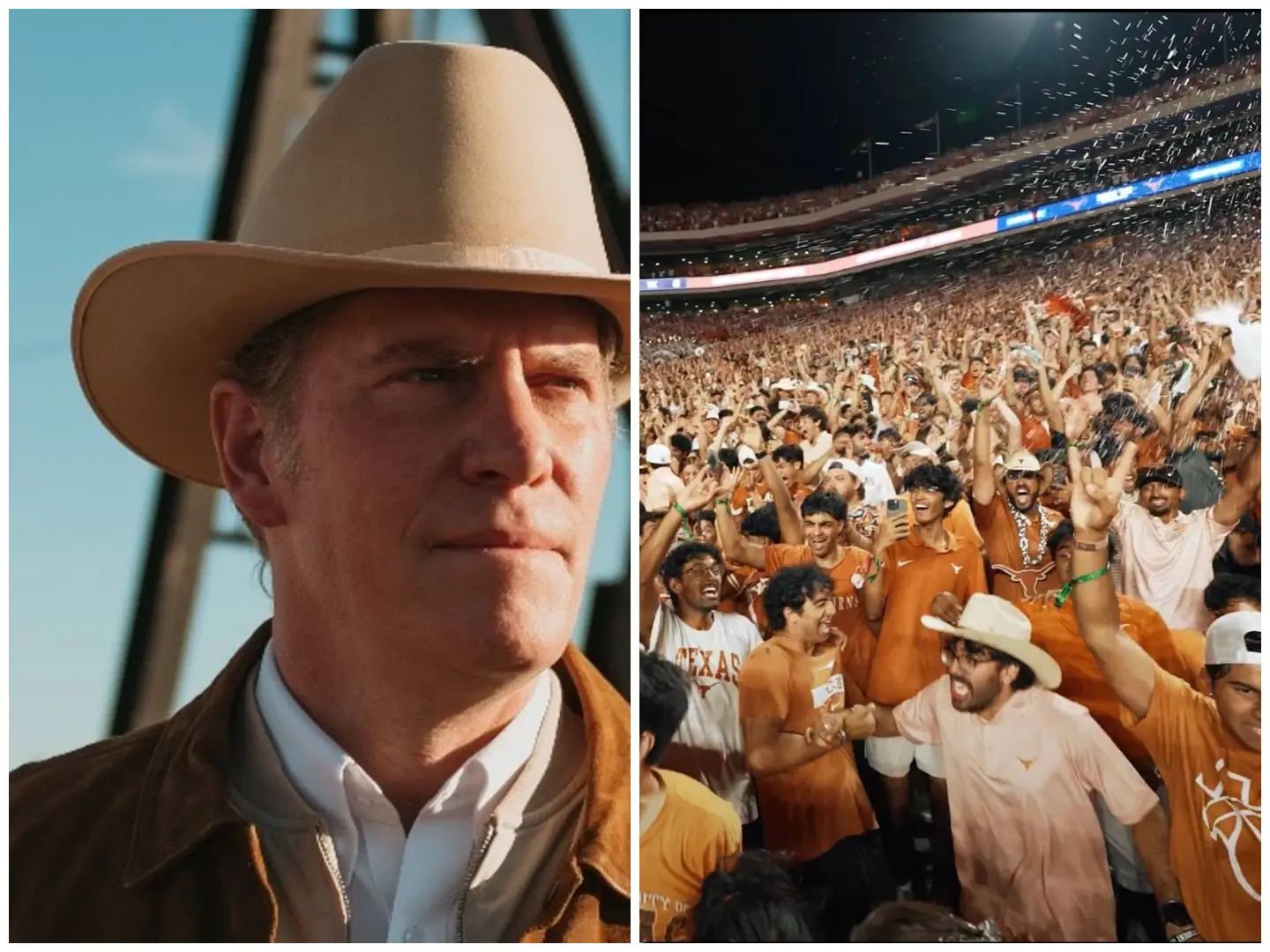)
Indian Americans, fellow Republicans react sharply to Bo French’s post targeting 'foreigner' students in Texas
)
UK man admits drugging, raping wife for 20 years in shocking abuse case
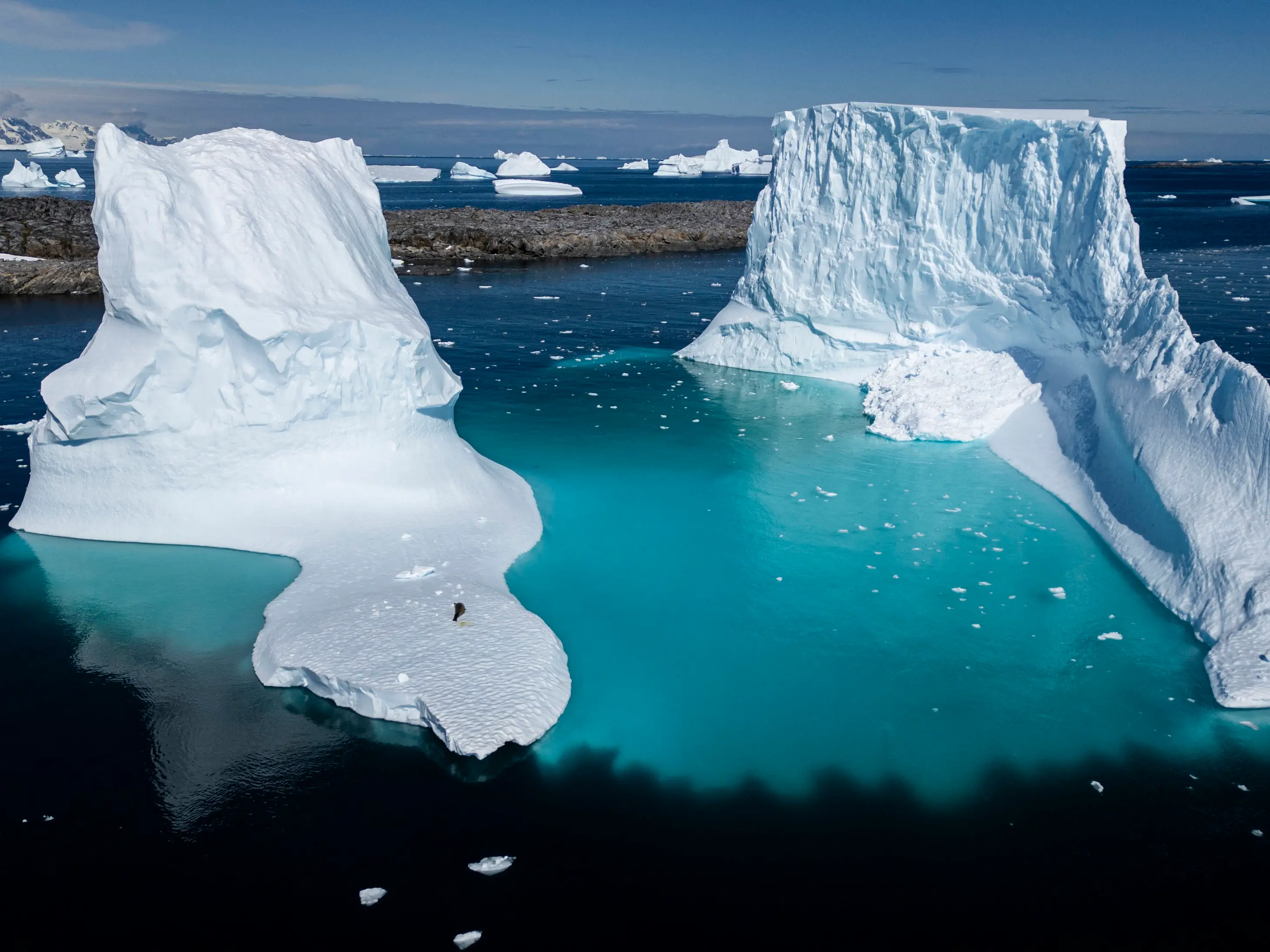)
Extreme warming in Indian Ocean added 695 billion tons of ice to Antarctica ice sheet
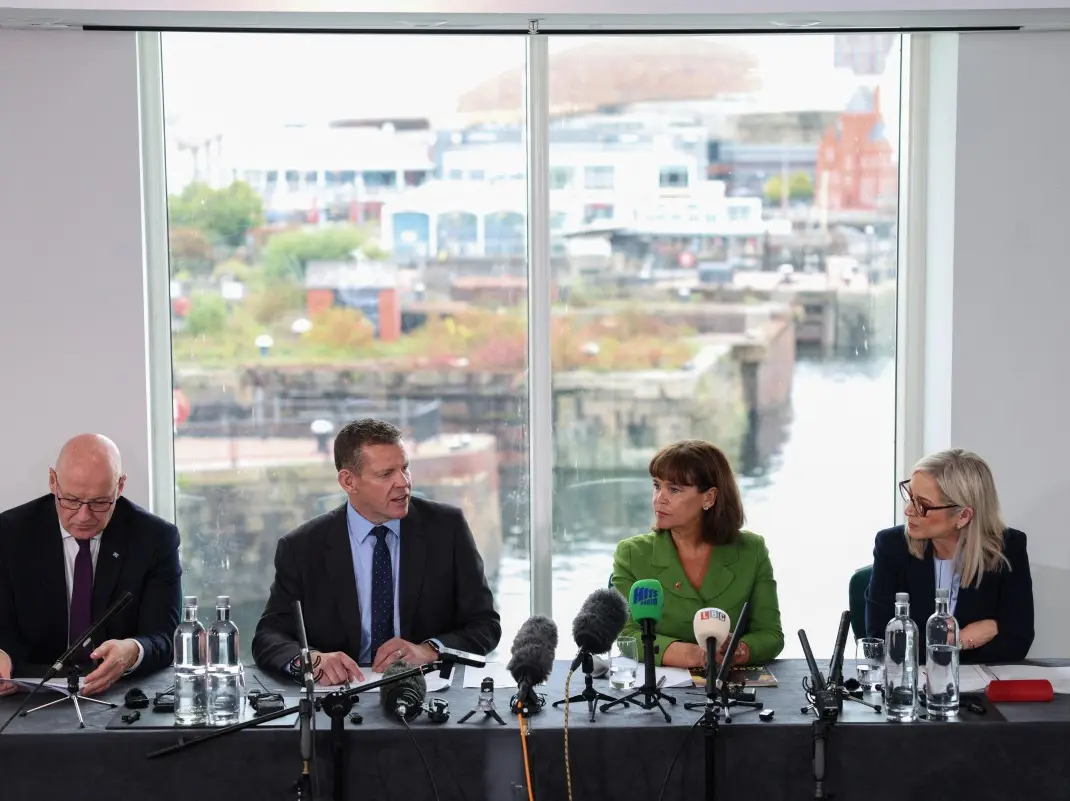)
Scotland, Wales & Northern Ireland push for exit from UK | Race To Power
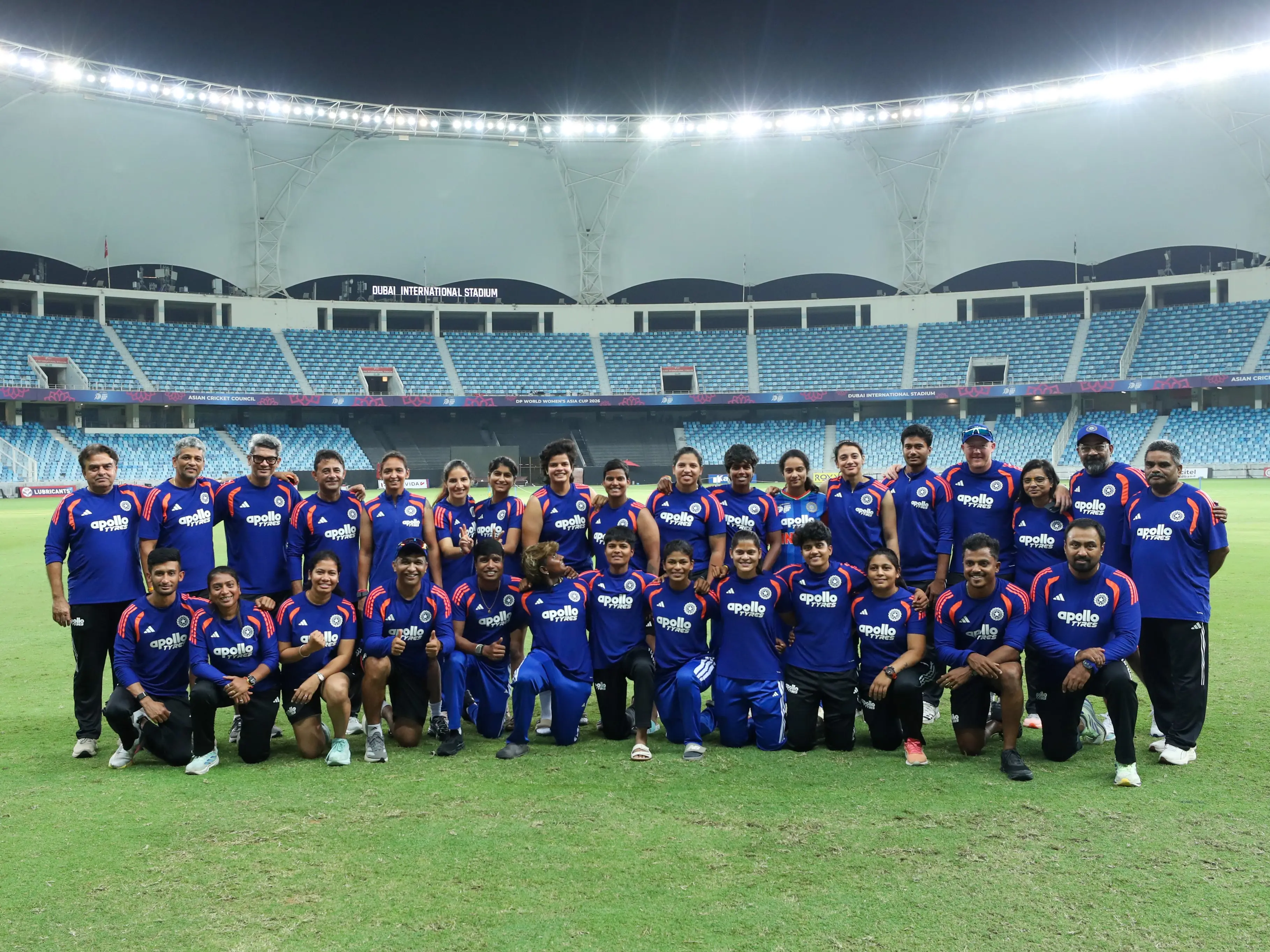)
Women's Asia Cup 2026: India denied trophy once again despite winning the title
Donald Trump vs Emmanuel Macron bilateral
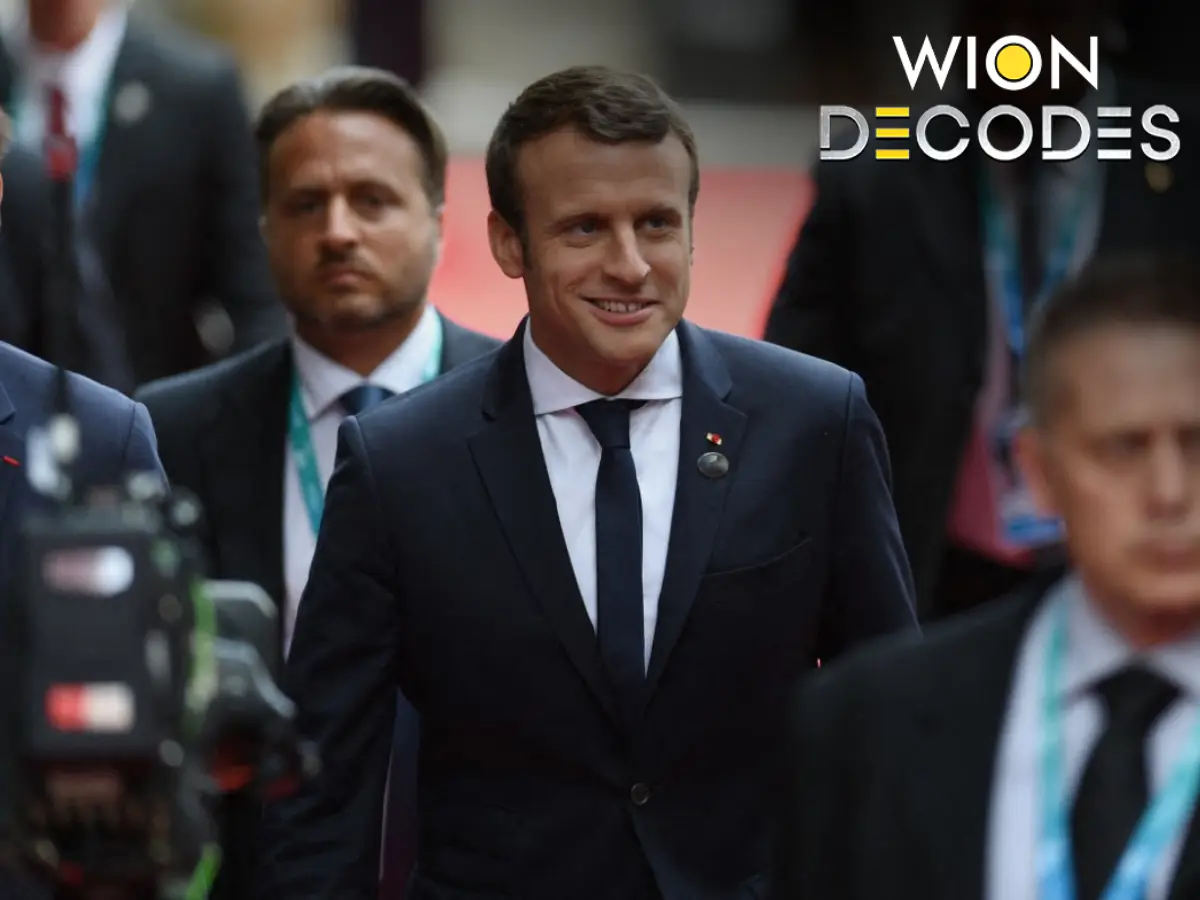
The American President will also sit down for a chat with the French President. Macron is striving to return the G7 to its "original spirit", and wants to make it a forum for direct, candid dialogue where macroeconomic imbalances can be addressed with ease. France wants to strengthen multilateral cooperation and address the world's most pressing geopolitical, financial and energy security challenges in a coordinated manner. However, Trump's dislike for traditional multilateral frameworks is well known, as he continues to push for bilateral trade agreements. Their meeting will be a test for Macron and how far he is able to take his points with Trump.
US and Middle East - Qatar, UAE bilateral
Trump is confirmed to meet the leaders of Qatar, the United Arab Emirates and Egypt. The ongoing Middle East tensions will dominate these meetings, as they have shaken the global energy markets. Regional security, stabilising the global oil supply chain, and securing maritime trade routes will be the key discussion points.
Also Read: G7 Summit 2026 | From climate finance to energy security: What to expect as leaders meet in France
Canada vs European leaders bilateral
Canadian Prime Minister Mark Carney has been advocating for "middle powers" to "act together". At Davos, he said, "In a world of great power rivalry, the countries in between have a choice – compete with each other for favour, or to combine to create a third path with impact...if we’re not at the table, we’re on the menu." He is likely to use the G7 Summit to rally the so-called middle powers against a world where only two to three countries are the supposed superpowers. While there is no official definition of "middle powers", these countries are those that sit below those with a permanent seat on the United Nations Security Council, while still exerting influence on global politics.
No Zelensky-Trump bilateral meeting at G7
France has invited Zelensky to the G7 Summit, but the Ukrainian president is not slated to meet the American president. White House officials confirmed that Donald Trump will participate in a broader G7 working session with Zelensky, but there would be no private bilateral meeting.