
&imwidth=800&imheight=600&format=webp&quality=medium "Global South challenges G7 narrative on development finance and climate debt ahead of Evian summit")
As world leaders arrive near the French-Swiss border for the 52nd G7 Summit, a distinct diplomatic friction is defining the outreach sessions. Invited leaders from major developing economies, including India and Brazil are leveraging their presence at the exclusive forum to challenge Western-led financial frameworks, turning the summit into a battleground over climate equity, sovereign debt, and institutional reform.
The confrontation comes amid a widening rift between the world's wealthiest democracies and the Global South. Developing nations are increasingly objecting to what they characterise as structural imbalances in international aid and green transition financing, positioning themselves not as passive recipients of aid but as powerful economic negotiators.
Also read: G7 Summit 2026 | From climate finance to energy security: What to expect as leaders meet in France

Demanding Reversible Aid Trends and Structural Finance
At the heart of the standoff is a demand to overhaul how development finance is allocated. According to United Nations and World Bank estimates, developing nations face an annual investment shortfall of approximately $2.5 trillion to $4 trillion to achieve the 2030 Sustainable Development Goals (SDGs).
Led by Indian Prime Minister Narendra Modi and Brazilian President Luiz Inácio Lula da Silva, the invited coalition is pushing the G7 to prioritise low-interest, long-term concessional finance and direct grants. Emerging economies argue that the G7’s emphasis on leveraging private capital models to fund critical public infrastructure is deeply flawed. They maintain that private equity will not build the public healthcare systems, schools, or water treatment plants essential for poverty eradication.
Trending Stories
)
China discovers vast gold and silver 'mine' in the Pacific with unheard-of deposits
)
Video of Pakistani lawmaker struggling to read English tribute to Jinnah goes viral - WATCH
)
Russia proposes to build 360 kmph Ivolga FG trains in India: What happened on sidelines of BRICS
)
Plane carrying prominent figure crashes at Libya’s Misrata airport: Report
)
Trump downplays China's alleged 'help' to Iran in strike on Jordan base
)
Photographs, LeT labels vanish from two 2008 Mumbai attack entries in Pakistan’s most wanted list
)
Did India risk its US trade deal despite softer stance at BRICS?
)
Extreme warming in Indian Ocean added 695 billion tons of ice to Antarctica ice sheet
)
Indian Americans, fellow Republicans react sharply to Bo French’s post targeting 'foreigner' students in Texas
)
Baba Vanga's first prophecy for 2027 is out, and straight out of science fiction
)
Women's Asia Cup 2026: India denied trophy once again despite winning the title
)
'Huge destructive power': North Korea calls its latest missile launches 'live-fire drill' even as US dismisses 'immediate threat'
)
‘Let’s go’: Newly declassified videos show dramatic rescue of US Air Force officers downed in Iran
)
Indian importers urge Bangladesh to lift export ban on 'Hilsa' fish ahead of Durga Puja
)
UK man admits drugging, raping wife for 20 years in shocking abuse case
)
Iran, India agree to deepen humanitarian and political ties, President Pezeshkian says
)
800 million years old - Scientists discover 'fingerprints' of supercontinent Gondwana in ancient rocks
&im=FitAndFill=(700,400))
Why European Meteor missiles use ramjet engines compared to standard US solid rockets
)
Did China give Iran intel before US base strike that killed 3 troops? Trump says, 'You’re right...'
)
‘US ensuring global energy supplies’: Trump demands reimbursement for securing Strait of Hormuz
)
Liam Neeson sparks romance rumours after holding hands with Stella Stocker at TIFF 2026
)
Saudi Arabia discovers 110 million tonnes of Uranium-rich ore in Madinah region
&im=FitAndFill=(700,400))
Why Chinese PL-15 air-to-air missiles use dual-pulse motors compared to European interceptors
)
BRICS set of guidelines for disaster management
)
Turkish Airlines plane flies through a storm three times, triggering severe turbulence
)
Pakistan puts Pak Rs 70 lakh bounty on UN terrorist Masood Azhar; move draws skepticism in Delhi
)
Meghan Markle shares first glimpse of family life with Prince Harry and children in UK
)
Woman removes all her clothes on American Airlines flight, performs 'indecent acts'; arrested
)
Historic first: ‘Ganga aarti’ performed on River Thames in London
&im=FitAndFill=(700,400))
New OTT releases this week (September 14-20, 2026): Lust Stories 3, Waiting Hai, Irumudi- 5 new titles coming on Netflix, Prime Video and more
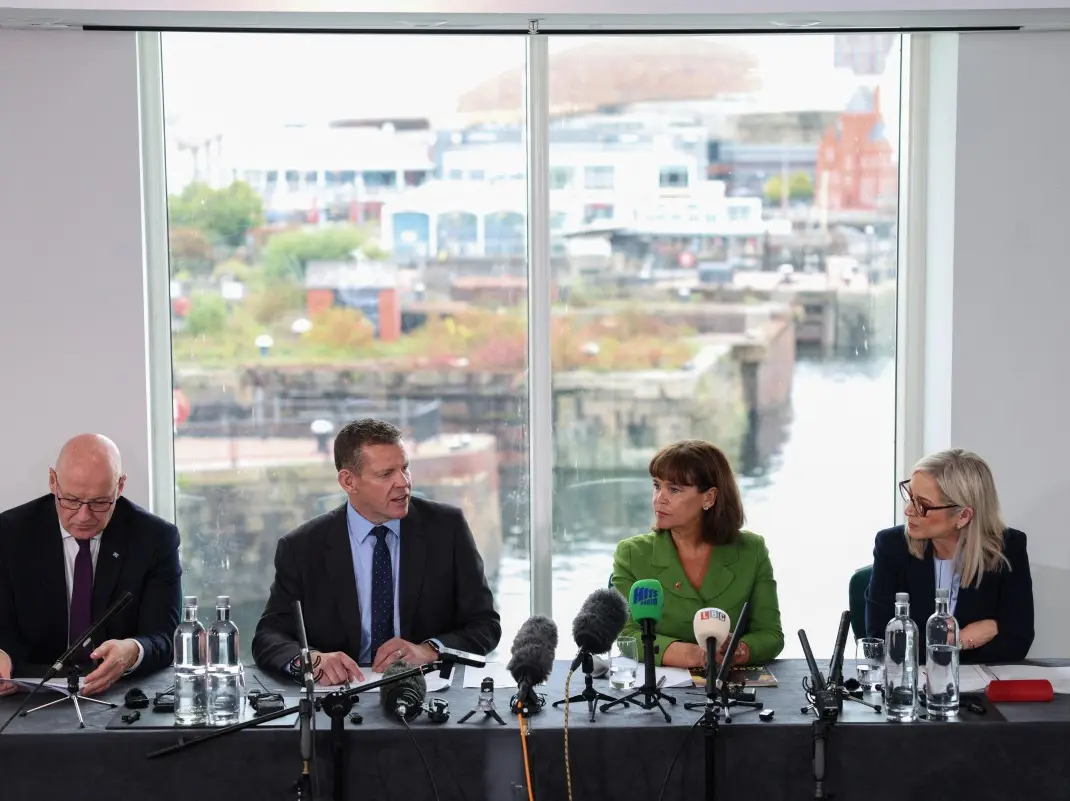)
Scotland, Wales & Northern Ireland push for exit from UK | Race To Power
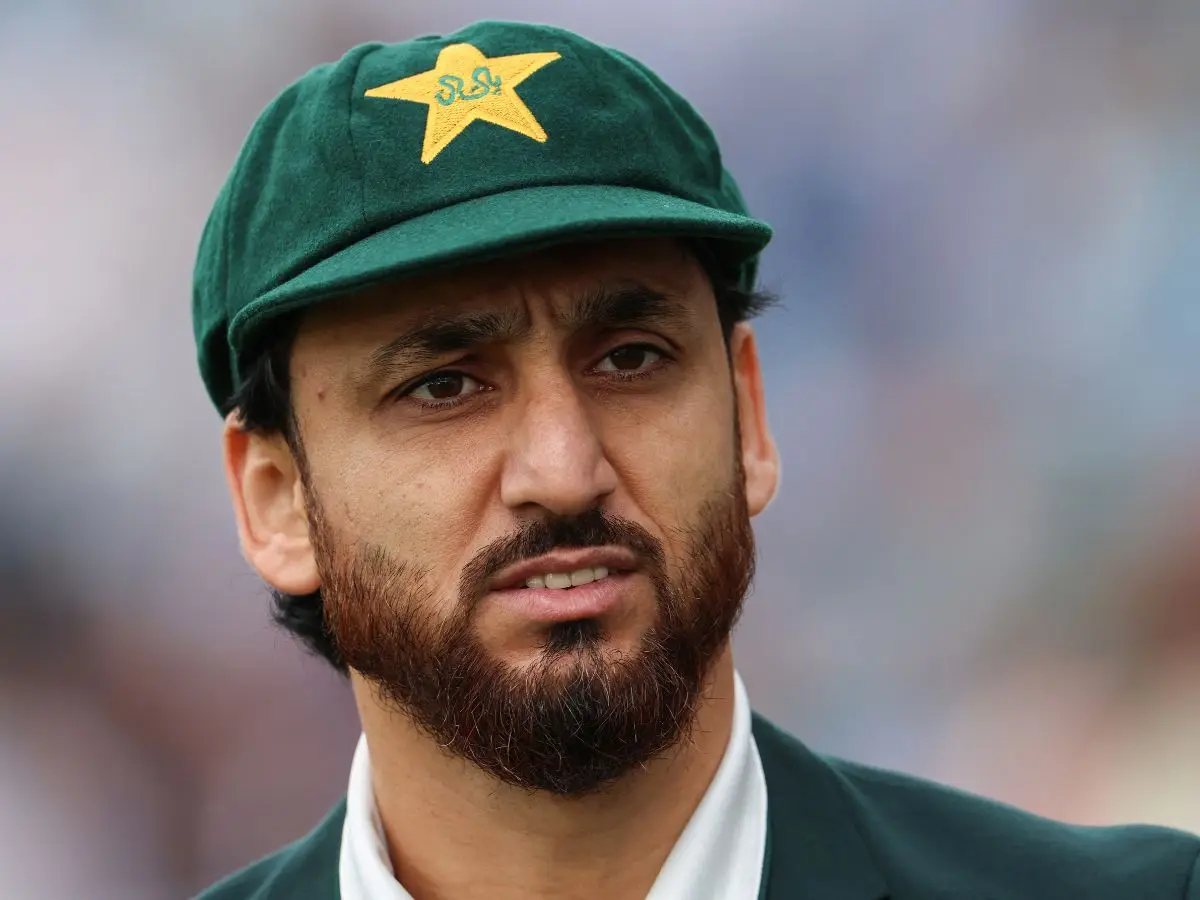)
Sent home midway from UK tour, Pakistan's Salman Agha hits 300* in domestic return
)
Who really benefits from the BRICS bank? Inside the New Development Bank's $43 billion portfolio
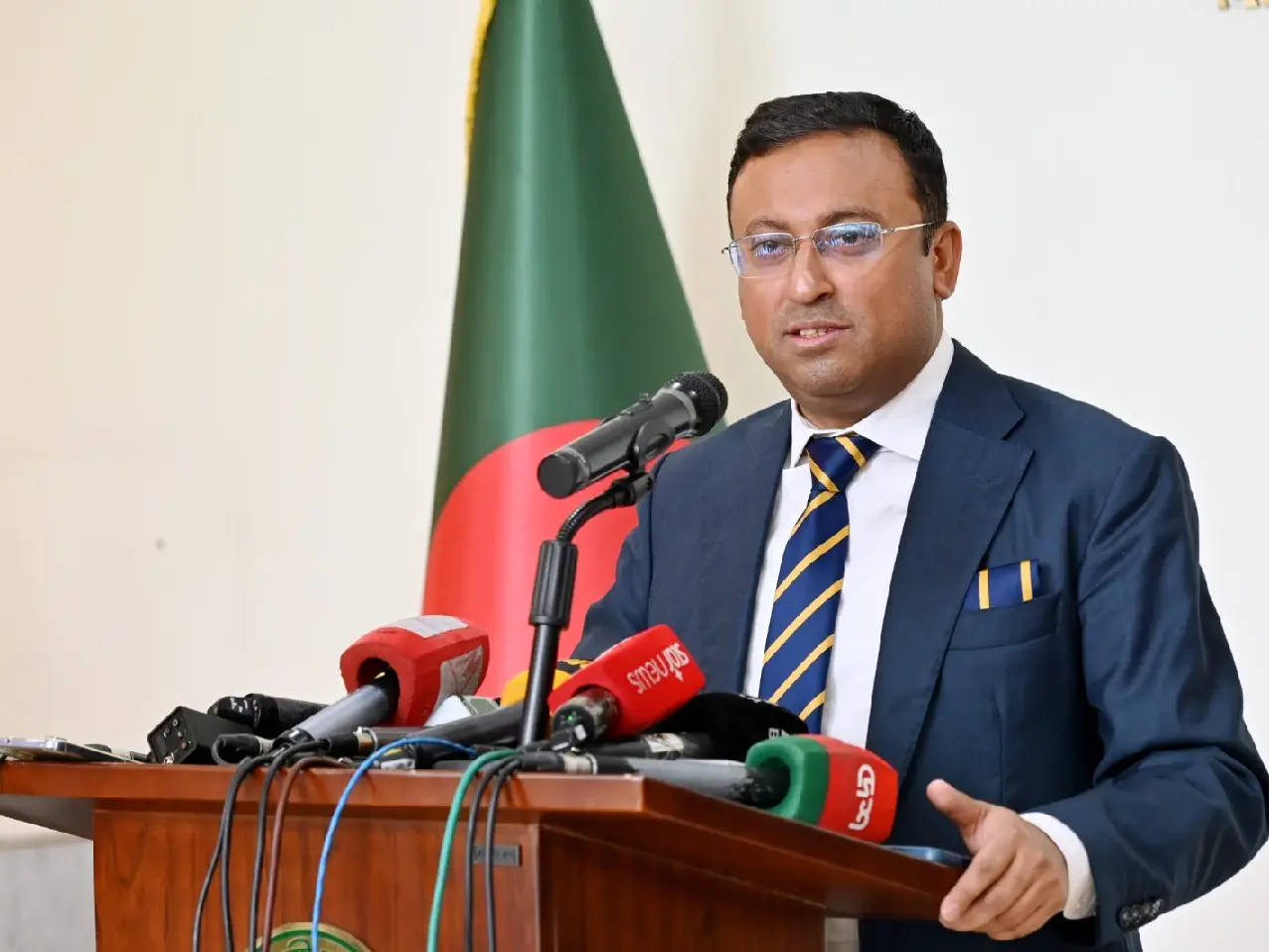)
‘Want to reset ties with India, have engagement based on mutual interests,’ says Bangladesh minister
)
US court blocks Trump administration move ending automatic H-4 EAD extensions for seven spouses
Also read: G7 Summit 2026 | From climate finance to energy security: What to expect as leaders meet in France
Simultaneously, a severe sovereign debt crisis is squeezing low- and middle-income nations. Rapid global interest rate hikes over recent years have significantly inflated borrowing and debt-servicing costs for developing countries. Many nations are now spending more to service external debts to international financial institutions and commercial banks than they can allocate to health or domestic education. Global South leaders are calling for faster, comprehensive debt restructuring frameworks and a friction-free reallocation of the IMF's Special Drawing Rights (SDRs) to provide emergency liquidity.
Battle over climate and institutional reform
Climate policy represents another deeply contentious front line. Emerging nations are holding the West accountable for its historical emissions, aggressively pushing for enforceable financial commitments to the UN "Loss and Damage" fund established at COP28.
The Global South notes with frustration that the long-delayed promise by wealthy nations to mobilise $100 billion annually in climate finance has frequently materialised in the form of market-rate loans rather than grants. This practice, they argue, perversely penalises developing countries for a crisis they did not create. They insist that mandatory emissions cuts cannot be used as a protectionist tool by Western states to block the necessary industrial development of the developing world.
Ultimately, this collective pushback targets the very architecture of post-Cold War global governance. Backed by the diplomatic weight of alternative coalitions like the expanding BRICS+ bloc, leaders from the Global South are making it clear that a group representing less than 10% of the world’s population can no longer unilaterally dictate global economic rules. By demanding structural voting power reforms within the World Bank, the IMF, and a permanent expansion of the UN Security Council, the Global South is using the Évian summit to signal the undeniable arrival of a multipolar world order.

