
&imwidth=800&imheight=600&format=webp&quality=medium "PoK violence escalates: 67 dead as India rejects Pakistan's polls as a 'cosmetic exercise' | Gravitas")
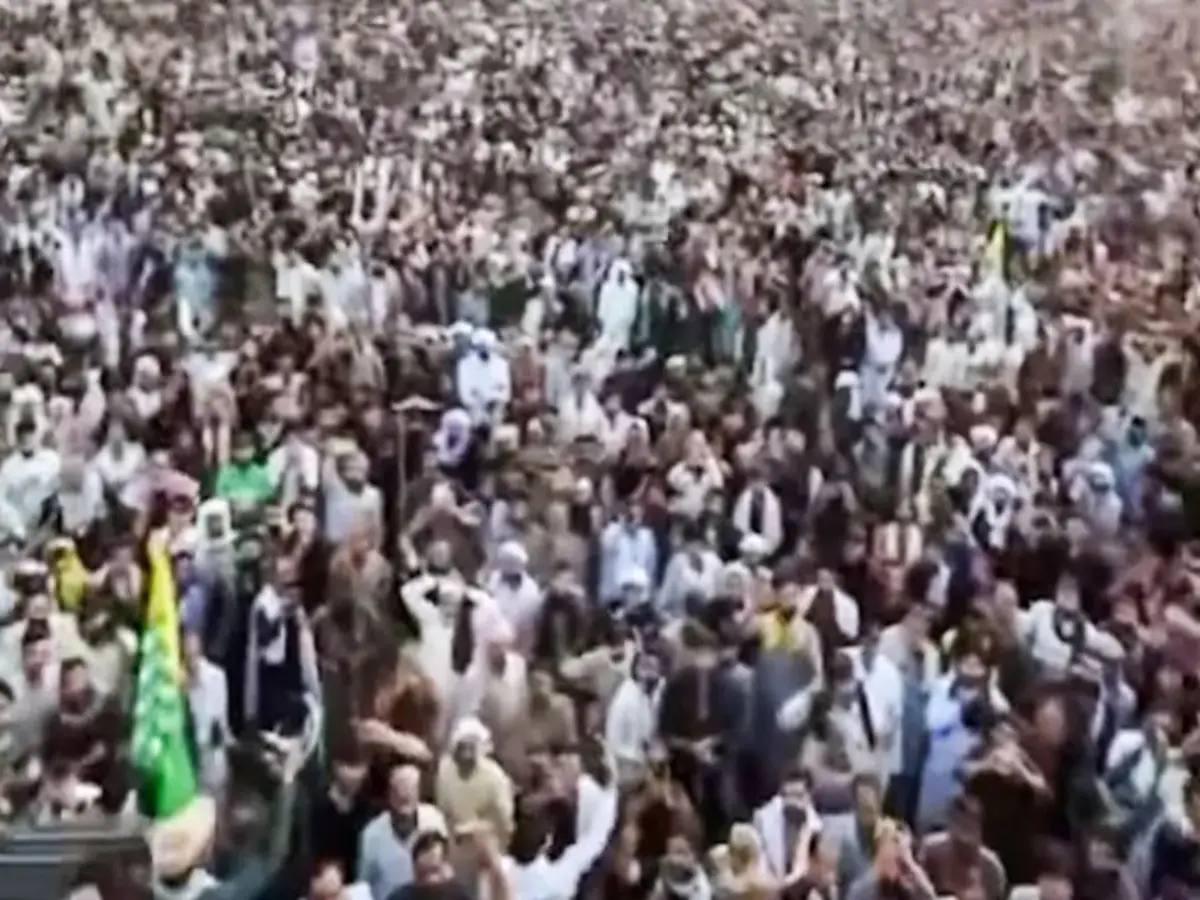
Even as the first phase of what critics call a farcical election unfolded in Pakistan-occupied Kashmir (PoK), the crackdown by Pakistan Army Chief Asim Munir's forces showed no signs of slowing. Following the latest escalation, the death toll among PoK civilians has reportedly climbed to 67.
Chaos erupted at a busy marketplace in Mirpur after Munir's forces allegedly opened fire on civilians. At least five to six people were reportedly killed as panic gripped the area and locals scrambled for safety.
Gunshots echoed across the marketplace, while thick smoke billowed from a nearby shop.

Despite Pakistan's attempts to downplay the violence, the situation on the ground paints a different picture.
According to the Joint Awami Action Committee (JAAC), at least 14 of its activists were killed on Monday alone during the first phase of the so-called assembly elections in PoK. More than 28 others were reportedly injured.
The latest crackdown came after the JAAC launched its long march towards Muzaffarabad.
Trending Stories
)
Emmys 2026: Matthew Rhys wins Best Actor twice, sets historic 78-year record
)
3 Italians fly from Delhi to Munich without immigration clearance; Air India gets notice on major security lapse
)
Did India risk its US trade deal despite softer stance at BRICS?
)
Pakistan puts Pak Rs 70 lakh bounty on UN terrorist Masood Azhar; move draws skepticism in Delhi
)
‘US ensuring global energy supplies’: Trump demands reimbursement for securing Strait of Hormuz
)
'She married her brother': Ilhan Omar faces criminal probe over immigration fraud claims
)
'Huge destructive power': North Korea calls its latest missile launches 'live-fire drill' even as US dismisses 'immediate threat'
)
Ukraine strikes Syzran Oil Refinery deep inside Russia, fires erupt
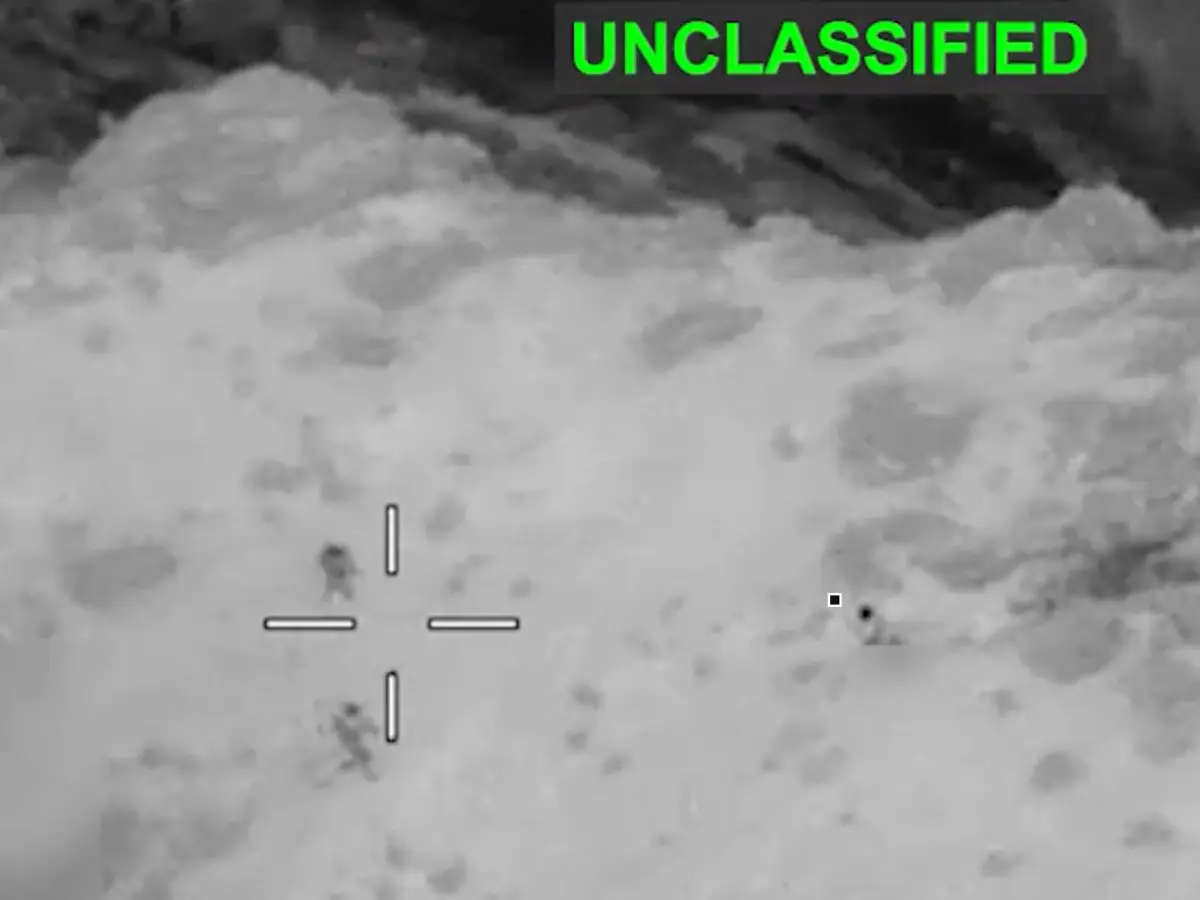)
‘Let’s go’: Newly declassified videos show dramatic rescue of US Air Force officers downed in Iran
)
Emmy Awards 2026: Widow's Bay and The Pitt win in lead categories- check out the complete list of winners
&im=FitAndFill=(700,400))
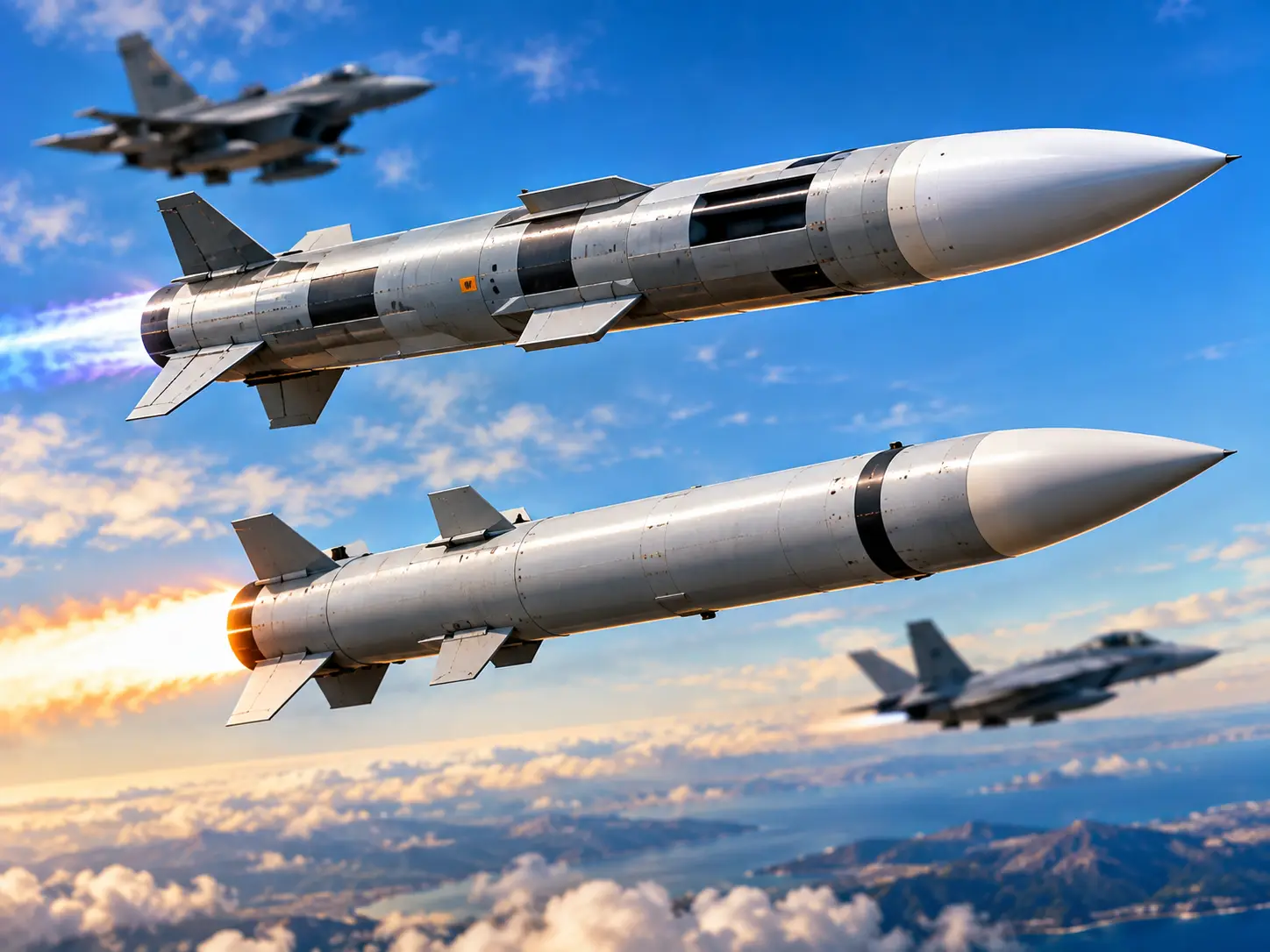
Why European Meteor missiles use ramjet engines compared to standard US solid rockets
)
Emmys 2026 In Memoriam: Catherine O’Hara honoured by on-screen children Macaulay Culkin, Annie Murphy, Dan Levy; Dolly Parton, Rob Reiner remembered
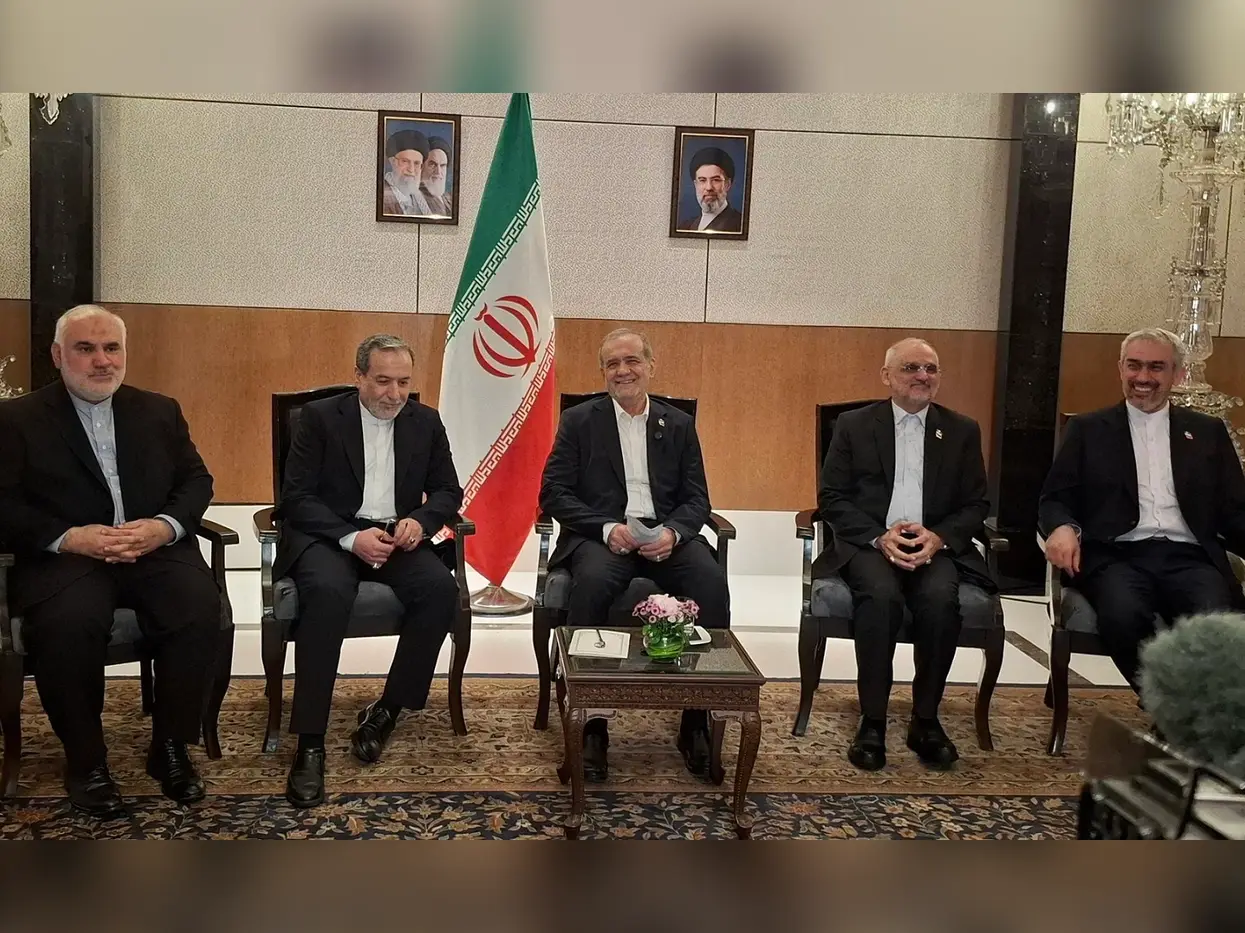)
Iran, India agree to deepen humanitarian and political ties, President Pezeshkian says
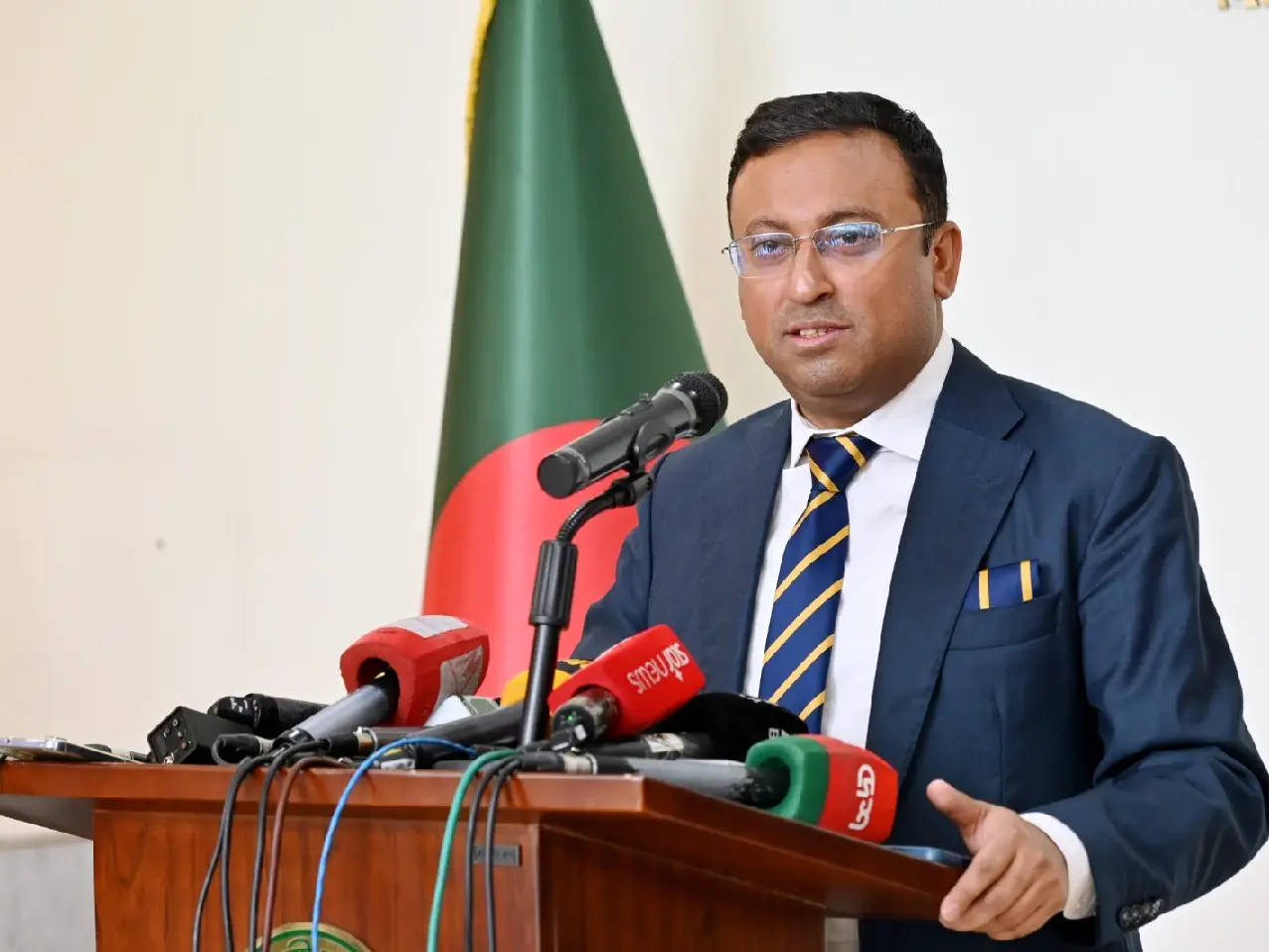)
‘Want to reset ties with India, have engagement based on mutual interests,’ says Bangladesh minister
&im=FitAndFill=(700,400))
Emmys 2026 Red Carpet: Zendaya, Nicole Kidman and Julia Garner lead the glamour peak
)
Turkish Airlines plane flies through a storm three times, triggering severe turbulence
&im=FitAndFill=(700,400))
Why Chinese PL-15 air-to-air missiles use dual-pulse motors compared to European interceptors
)
What is Hyrox, in news for athlete who soiled herself, but kept running and using common equipment?
)
Russia proposes to build 360 kmph Ivolga FG trains in India: What happened on sidelines of BRICS
)
800 million years old - Scientists discover 'fingerprints' of supercontinent Gondwana in ancient rocks
)
China discovers vast gold and silver 'mine' in the Pacific with unheard-of deposits
)
Plane carrying prominent figure crashes at Libya’s Misrata airport: Report
)
UPI payments up to Rs 2,000 to stays free, but bigger transactions may soon cost you: Govt
&im=FitAndFill=(700,400))
New OTT releases this week (September 14-20, 2026): Lust Stories 3, Waiting Hai, Irumudi- 5 new titles coming on Netflix, Prime Video and more
)
Sent home midway from UK tour, Pakistan's Salman Agha hits 300* in domestic return
)
Who is Kalyan Bainsla, accused in the Gurugram hit-and-run case involving woman biker?
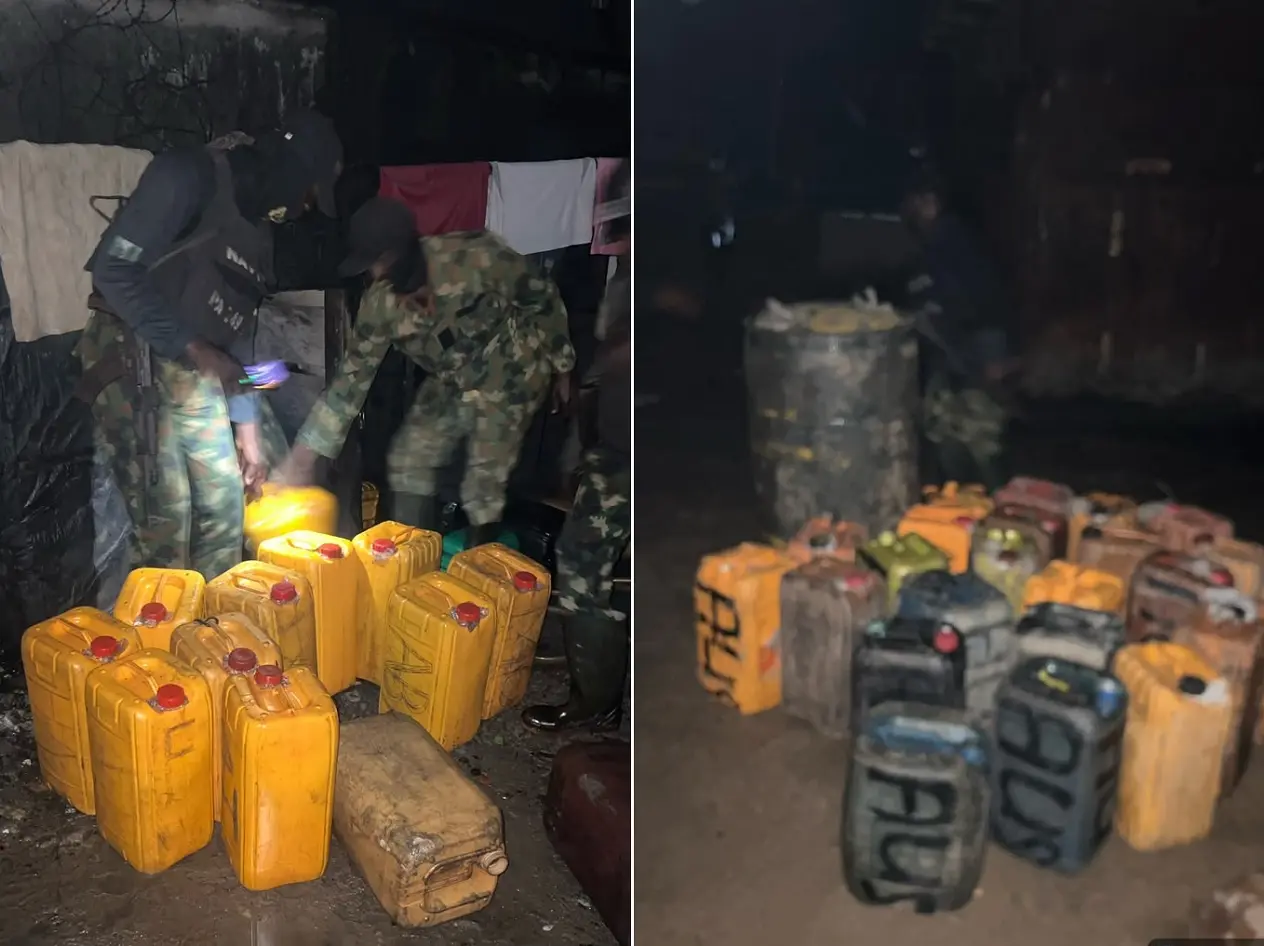)
Nigerian Navy seizes 10,000 litres of suspected illegal fuel in Rivers State crackdown
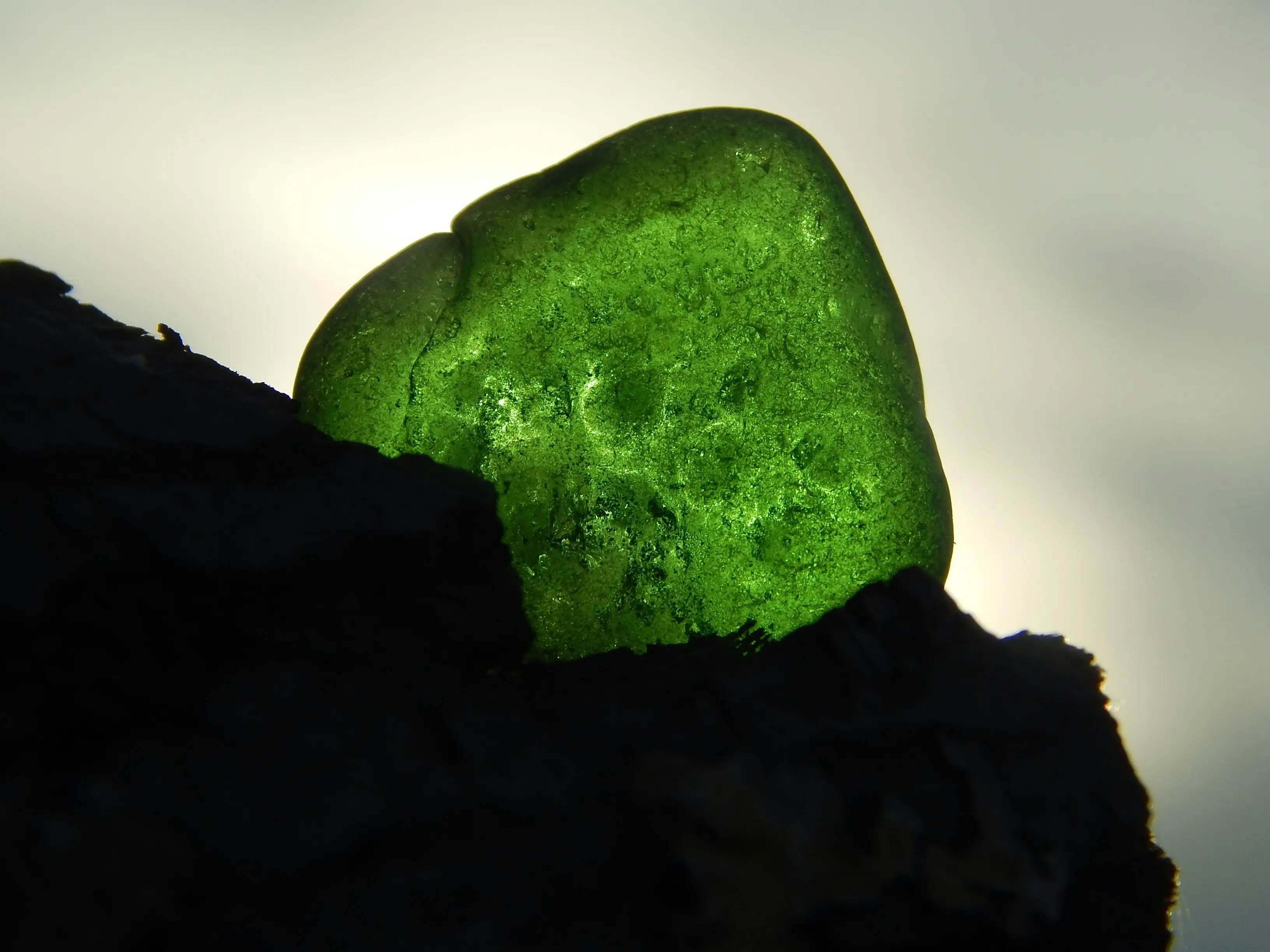)
Saudi Arabia discovers 110 million tonnes of Uranium-rich ore in Madinah region
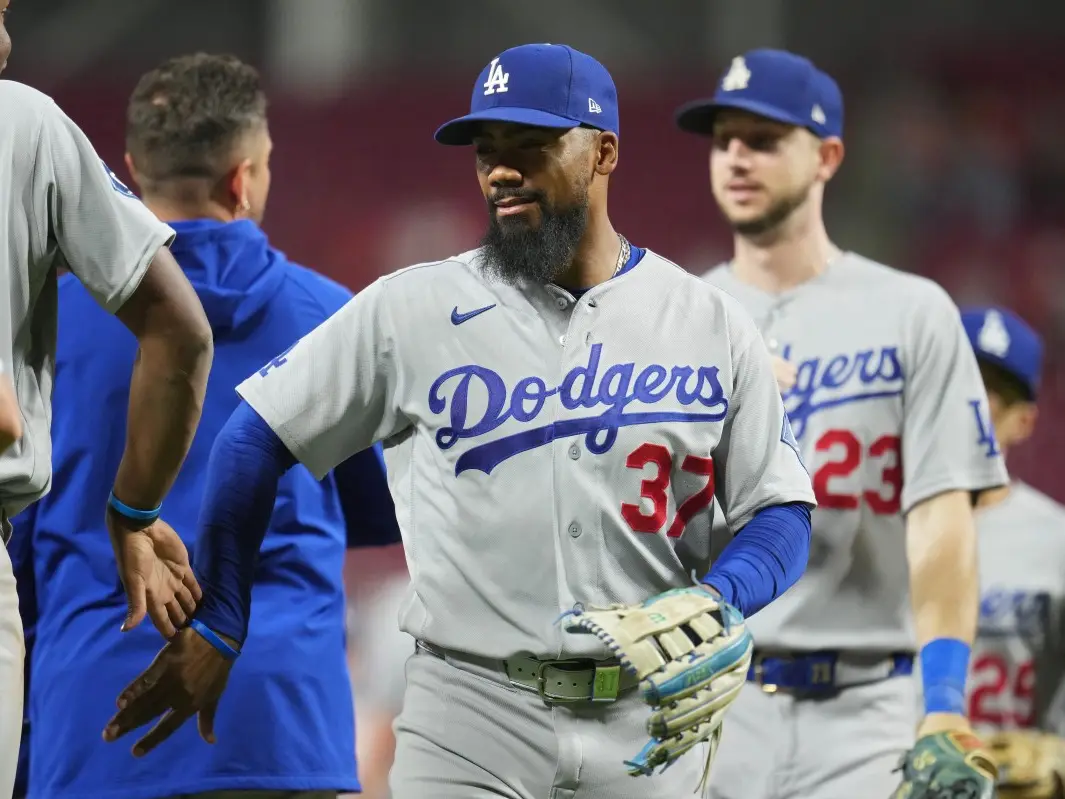)
Dodgers beat Reds for playoff berth in bid for third consecutive World Series
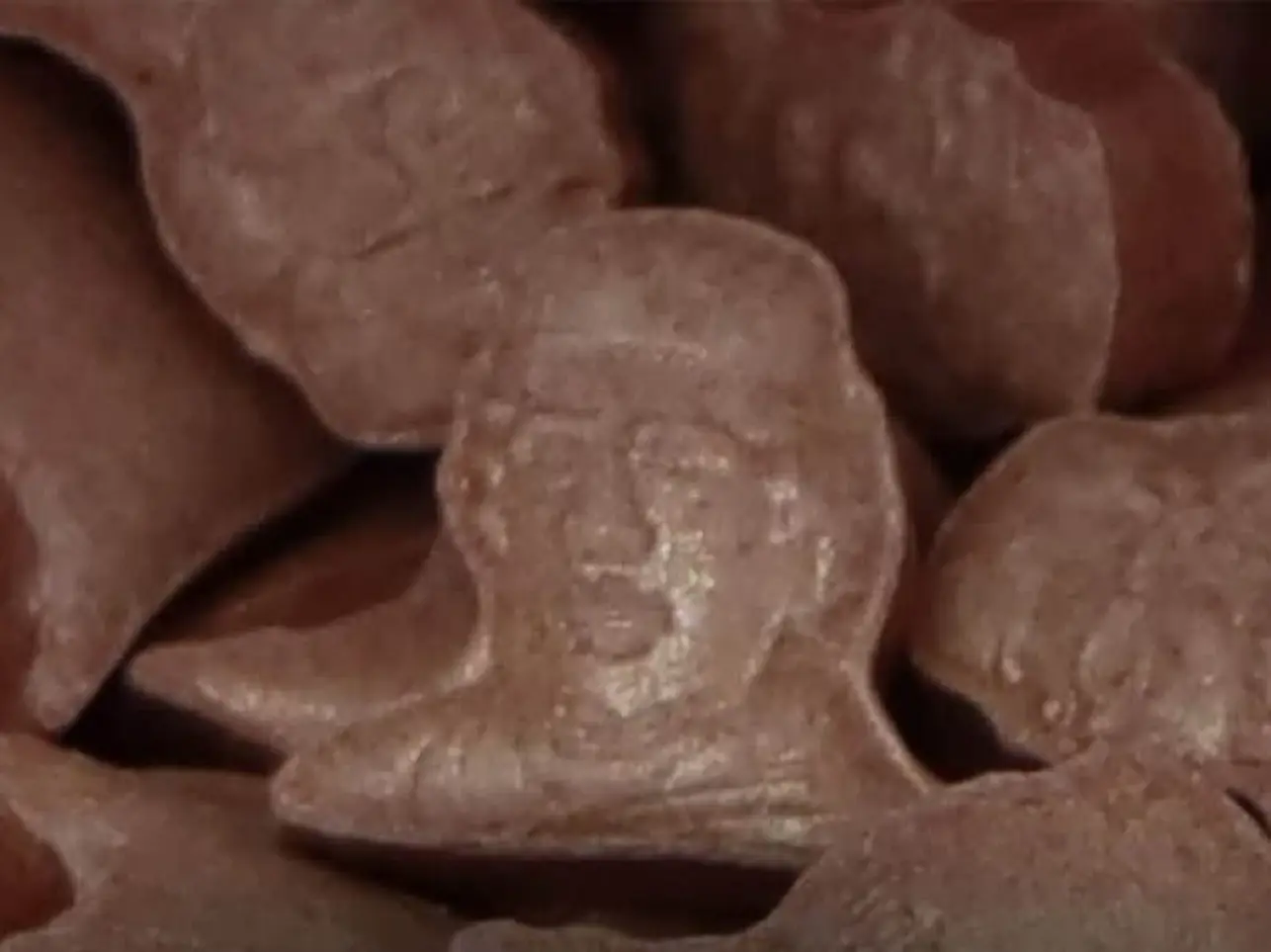)
Ecstasy tablets are rage in 'drug haven' Libya | Gravitas
)
'Now Trump is copying us': Shivakumar links US $5,000 plan to Congress guarantees
)
Video of Pakistani lawmaker struggling to read English tribute to Jinnah goes viral - WATCH
)
Trump downplays China's alleged 'help' to Iran in strike on Jordan base | Gravitas
)
Baba Vanga's first prophecy for 2027 is out, and straight out of science fiction
)
Trump loses Supreme Court battle over mail ballots ahead of US midterms: What happened?
)
BCCI VP Rajeev Shukla says Mohsin Naqvi 'did not object' India refusing trophy from ACC chief
)
Photographs, LeT labels vanish from two 2008 Mumbai attack entries in Pakistan’s most wanted list
)
Delhi govt to roll out ₹13,820 crore development projects under Seva Sankalp Abhiyan: CM Rekha Gupta
)
UK man admits drugging, raping wife for 20 years in shocking abuse case
)
Extreme warming in Indian Ocean added 695 billion tons of ice to Antarctica ice sheet
)
China thinned Himalayan troop presence in 2025, India defence report says; terms border situation 'stable'
The protests were originally triggered by the ban on the civil society group.
On June 9, thousands of JAAC supporters began a sit-in at Rawalakot's Eidgah Ground.
The group presented 38 demands, including the abolition of 12 seats in the so-called legislative assembly, which it claims are dominated by Pakistan. Instead of negotiations, Islamabad has chosen force, protesters allege.
Pakistan frequently speaks about Kashmir on the global stage. But its critics point to what they describe as a glaring contradiction.
While Prime Minister Shehbaz Sharif expressed sympathy for victims of the wildfires in France, Pakistan's former UN envoy Maleeha Lodhi publicly questioned why there was no similar expression of grief for those killed in the PoK crackdown.
PoK witnessing protests demanding freedom from Pakistan
In recent weeks, PoK has witnessed repeated slogans demanding freedom from Pakistan.
Protesters have openly described the Pakistani government and military as "illegal occupiers."
Meanwhile, India dismissed the PoK elections as a "cosmetic electoral exercise" and linked the ongoing unrest to Pakistan's denial of fundamental rights to the people of the region.
Questions over the credibility of the elections also intensified after the JAAC and Imran Khan's Pakistan Tehreek-e-Insaf (PTI) released multiple videos purportedly showing empty polling booths across PoK.
The challenges facing the Munir-led military establishment extend beyond PoK. In Khyber Pakhtunkhwa, former Prime Minister Imran Khan's sister, Aleema Khan, received a massive welcome as she launched a campaign demanding his release.
She called for an end to his solitary confinement and sought immediate medical treatment for the PTI founder, who has remained in jail for nearly three years.
The developments raise a key question.
With unrest stretching from Balochistan to Khyber Pakhtunkhwa, are the PoK elections merely an attempt to divert attention from Munir's deadly crackdown?
With allegations of widespread rigging already overshadowing the first phase—where the PML-N won 9 of the 13 seats—Pakistan continues to face mounting scrutiny.