&imwidth=800&imheight=600&format=webp&quality=medium "G7 summit: Tight security, troop deployments and protest concerns ahead of Evian G7 meeting")
France and Switzerland have intensified security preparations ahead of the G7 summit in Evian les Bains, with a protest planned in Geneva on Sunday expected to serve as the first major test for authorities.
The three-day summit begins on Monday and has revived memories of the 2003 G8 meeting in the same French lakeside town, which was marked by violent protests and widespread damage in the nearby Swiss cities of Geneva and Lausanne.
Situated between Lake Geneva and the Alps, Evian presents significant security challenges. Geneva Airport is acting as the main arrival point for world leaders, while several delegations are staying in Switzerland. US Army Chinook helicopters were spotted at the airport on Thursday as preparations gathered pace.

Évian les Bains lies on the shores of Lake Geneva close to the Swiss border. Although Switzerland is closely involved in security arrangements because of its proximity, France remains the sole host of the summit.
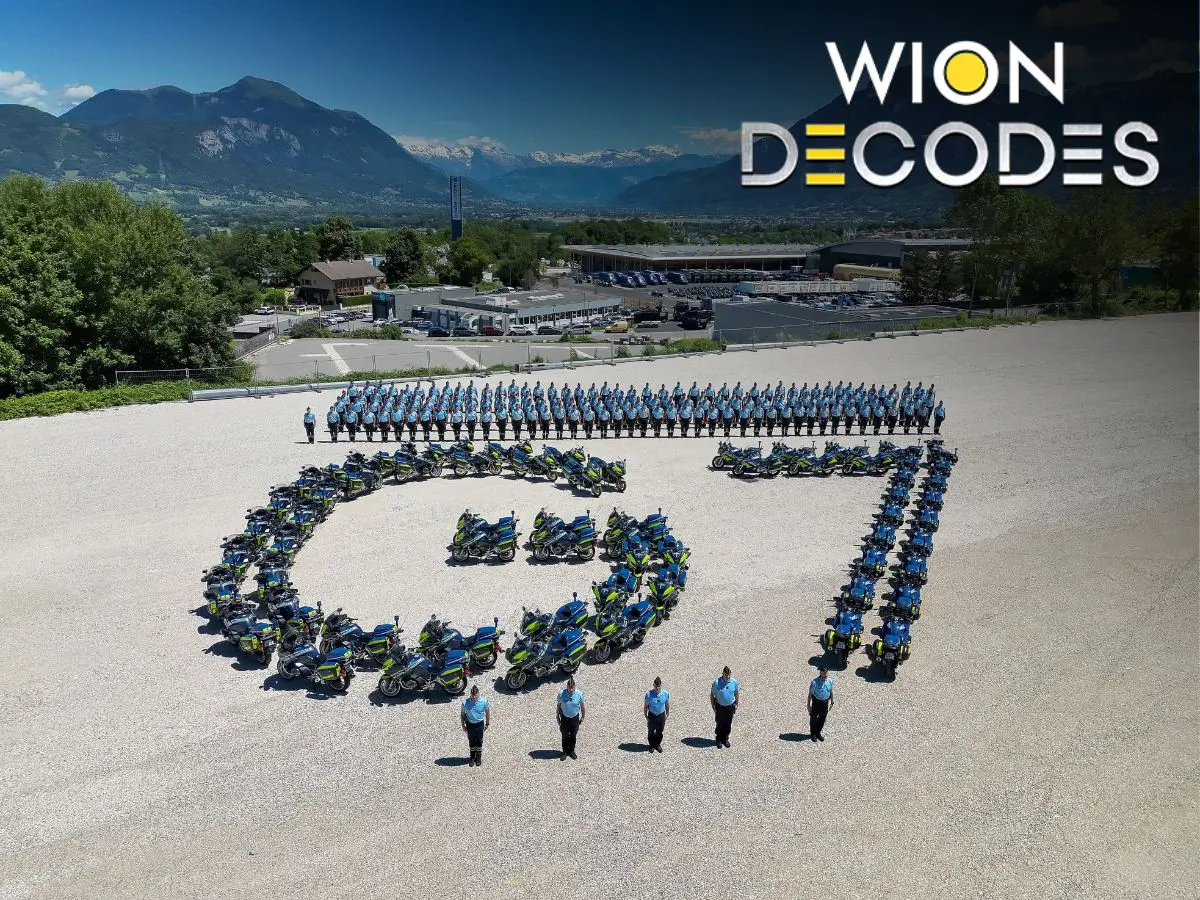
French authorities have created reinforced security zones around Evian, neighbouring Thonon-les-Bains and key transport corridors leading to the summit venue. Nearly 16,000 police officers, gendarmes, soldiers, firefighters and border guards will be deployed. The operation will include boats, motorcycles, drones, mounted police units and dog handling teams.
Authorities said the deployment is designed to address the tense international situation, the continued terrorist threat in France, the possibility of sabotage and cyberattacks, and risks to public order.
Trending Stories
)
China discovers vast gold and silver 'mine' in the Pacific with unheard-of deposits
)
Video of Pakistani lawmaker struggling to read English tribute to Jinnah goes viral - WATCH
)
Russia proposes to build 360 kmph Ivolga FG trains in India: What happened on sidelines of BRICS
)
Plane carrying prominent figure crashes at Libya’s Misrata airport: Report
)
Trump downplays China's alleged 'help' to Iran in strike on Jordan base
)
Photographs, LeT labels vanish from two 2008 Mumbai attack entries in Pakistan’s most wanted list
)
Did India risk its US trade deal despite softer stance at BRICS?
)
Extreme warming in Indian Ocean added 695 billion tons of ice to Antarctica ice sheet
)
Indian Americans, fellow Republicans react sharply to Bo French’s post targeting 'foreigner' students in Texas
)
Baba Vanga's first prophecy for 2027 is out, and straight out of science fiction
)
Women's Asia Cup 2026: India denied trophy once again despite winning the title
)
'Huge destructive power': North Korea calls its latest missile launches 'live-fire drill' even as US dismisses 'immediate threat'
)
‘Let’s go’: Newly declassified videos show dramatic rescue of US Air Force officers downed in Iran
)
Indian importers urge Bangladesh to lift export ban on 'Hilsa' fish ahead of Durga Puja
)
UK man admits drugging, raping wife for 20 years in shocking abuse case
)
Iran, India agree to deepen humanitarian and political ties, President Pezeshkian says
)
800 million years old - Scientists discover 'fingerprints' of supercontinent Gondwana in ancient rocks
&im=FitAndFill=(700,400))
Why European Meteor missiles use ramjet engines compared to standard US solid rockets
)
Did China give Iran intel before US base strike that killed 3 troops? Trump says, 'You’re right...'
)
‘US ensuring global energy supplies’: Trump demands reimbursement for securing Strait of Hormuz
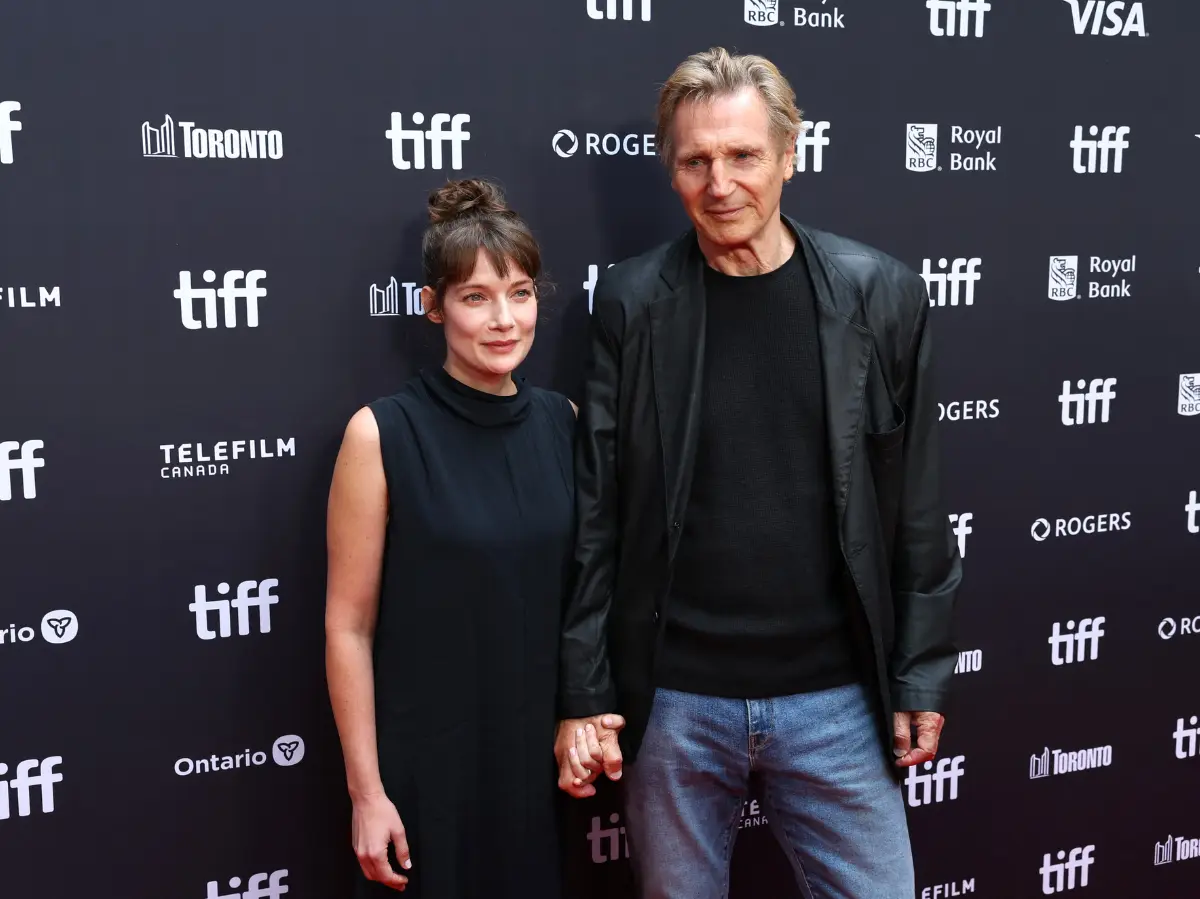)
Liam Neeson sparks romance rumours after holding hands with Stella Stocker at TIFF 2026
)
Saudi Arabia discovers 110 million tonnes of Uranium-rich ore in Madinah region
&im=FitAndFill=(700,400))
Why Chinese PL-15 air-to-air missiles use dual-pulse motors compared to European interceptors
)
BRICS set of guidelines for disaster management
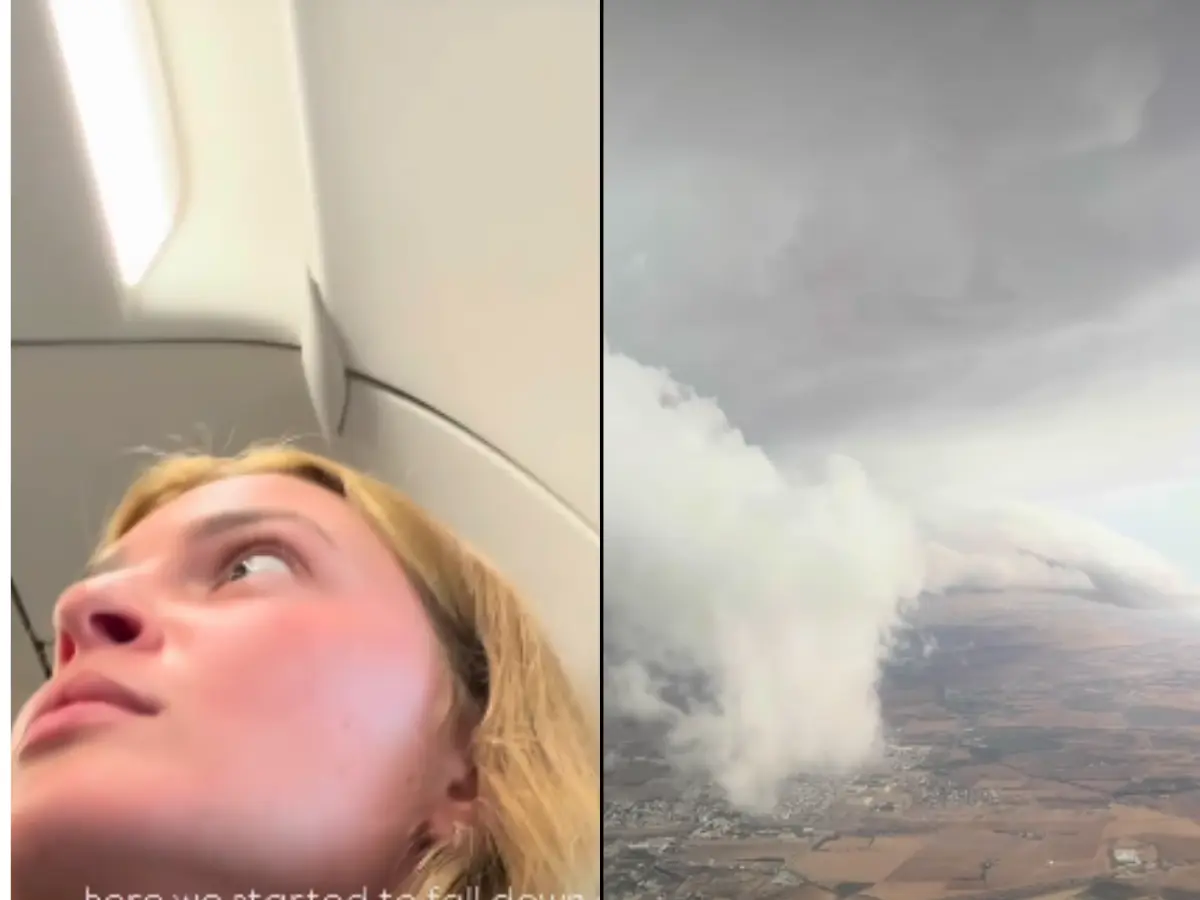)
Turkish Airlines plane flies through a storm three times, triggering severe turbulence
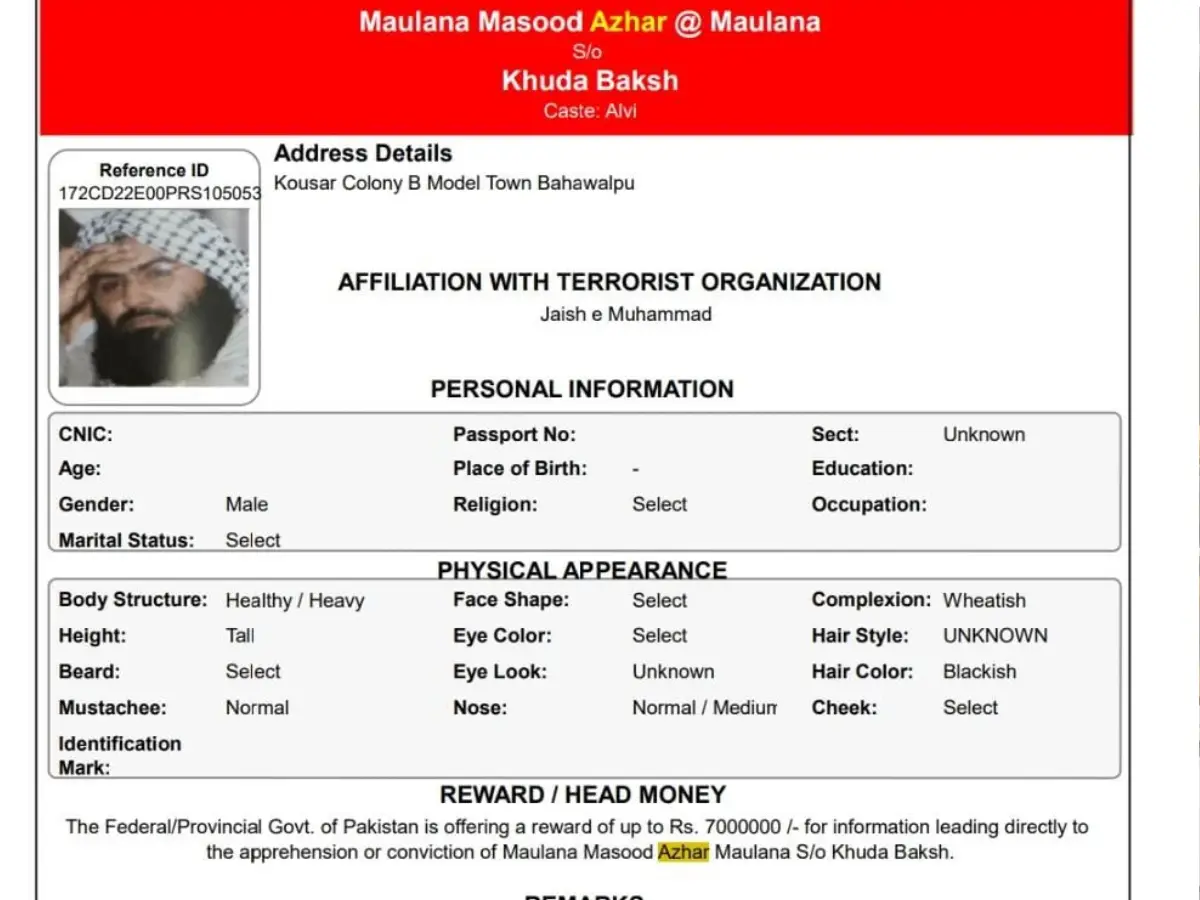)
Pakistan puts Pak Rs 70 lakh bounty on UN terrorist Masood Azhar; move draws skepticism in Delhi
)
Meghan Markle shares first glimpse of family life with Prince Harry and children in UK
)
Woman removes all her clothes on American Airlines flight, performs 'indecent acts'; arrested
)
Historic first: ‘Ganga aarti’ performed on River Thames in London
&im=FitAndFill=(700,400))
New OTT releases this week (September 14-20, 2026): Lust Stories 3, Waiting Hai, Irumudi- 5 new titles coming on Netflix, Prime Video and more
)
Scotland, Wales & Northern Ireland push for exit from UK | Race To Power
)
Sent home midway from UK tour, Pakistan's Salman Agha hits 300* in domestic return
)
Who really benefits from the BRICS bank? Inside the New Development Bank's $43 billion portfolio
)
‘Want to reset ties with India, have engagement based on mutual interests,’ says Bangladesh minister
)
US court blocks Trump administration move ending automatic H-4 EAD extensions for seven spouses
General Marc Le Bouil, who is overseeing summit security, said around 300 air force personnel will be tasked with protecting the airspace around the summit venue. French and Swiss aircraft, radar systems, surface-to-air defence systems and anti-drone equipment will be positioned on both sides of the border.
Switzerland deploys thousands of troops
Geneva, located about 40 kilometres from Evian, is also playing a key role in the security operation. Switzerland has authorised the deployment of between 2,000 and 5,000 military personnel to support cantonal police forces.
Around 4,000 Swiss troops will be stationed on land, in the air and on Lake Geneva, working closely with French security forces.
Residents on both sides of the border are expected to face traffic restrictions, border controls, enhanced security checks and limits on demonstrations during the summit.
Authorities remain determined to prevent a repeat of the unrest seen in 2003, when tens of thousands of anti-globalisation protesters gathered against the G8 summit. Riots, looting and clashes with police in Geneva and Lausanne caused millions of dollars in damage.
While cooperation between French and Swiss police and intelligence agencies has strengthened since then, concerns remain ahead of Sunday's planned protest in Geneva.
Geneva protest under close watch.
Geneva protest under close watch
Francois Baertschi, president of the Geneva Citizens' Movement and a member of the cantonal parliament, said: "Geneva must not become the capital of rioters."
Geneva authorities have authorised a demonstration organised by the No-G7 coalition, a group comprising more than 60 organisations. The march is scheduled to take place a day before the summit opens.
Officials have approved a revised route that keeps protesters on the northern side of Lake Geneva and away from the city centre.
Swiss President Guy Parmelin told the Geneva Press Club in May: "We are doing everything we can to ensure it goes as smoothly as possible."
"Things should turn out differently, although we can never rule out the unexpected," he said.
The No G7 coalition has meanwhile dropped plans for a separate counter-summit and demonstration in the French border town of Annemasse after conditions imposed by French authorities.