
&imwidth=800&imheight=600&format=webp&quality=medium "Convicted ex-Harvard scientist, Charles Lieber, now leads China's brain-computer interface lab in Shenzhen")
An American scientist convicted in the United States for lying about financial ties to China has resurfaced in Shenzhen, where he is now leading advanced research in brain-computer interfaces, a field seen as both medically transformative and strategically sensitive. Charles Lieber, 67, previously a Harvard University professor, was convicted in 2021 of making false statements to US authorities regarding payments linked to Chinese institutions, as well as tax-related offenses. He served a short prison term, followed by house arrest, and was fined.
Now based in Shenzhen, Lieber is overseeing a state-backed research initiative focused on embedding electronics into the human brain. The project operates under China’s growing push in neurotechnology and artificial intelligence. “I arrived on April 28, 2025, with a dream and not much more, maybe a couple of bags of clothes,” Lieber said at a Shenzhen conference. “Personally, my own goals are to make Shenzhen a world leader.”

The lab, known as i-BRAIN under the Shenzhen Medical Academy of Research and Translation (SMART), is part of a broader ecosystem funded by billions in government investment. It is designed to accelerate research in neural interfaces, which can potentially restore movement in paralyzed patients but also raise military concerns. Analysts say that similar technologies have been studied for defense purposes, including potential applications in enhancing cognitive performance and battlefield awareness. One former US intelligence official said, “China has weaponized against us our own openness and our own efforts for innovation.”
The facility reportedly provides Lieber access to advanced semiconductor equipment and large-scale primate research infrastructure, resources far more extensive than those available in US university labs. Researchers say primate testing is often essential before human trials in brain-computer interface development. “With so many hassles with non-human primate research here, to have somebody give you all this support, access to technology, a concentrated center, a national initiative, those are things that are very attractive,” neuroscientist John Donoghue was quoted as saying.
Trending Stories
)
The Early Spring season 2 is happening, but fans have one request - 'don't change the actors'
)
Saudi vs Houthis: Riyadh claims to have shot Houthi drone targeting Mecca
)
Daayra movie review: Kareena Kapoor, Prithviraj Sukumaran shine in Meghna Gulzar’s cop-versus-cop crime thriller
)
US, China dominate global economy: Where does India rank among the world's biggest economies?
)
Veteran actor Anant Nag honoured with Indian cinema’s highest award
)
Trump calls Canada-EU associate membership plan ‘laughable’ and threatens 'very serious tariffs'
)
800 million years old - Scientists discover 'fingerprints' of supercontinent Gondwana in ancient rocks
)
Saudi Vs Houthis: Yemeni military rebels clash with Houthis
)
India breaks silence on US Russia sanctions bill, 100% tariff threat: ‘Committed to energy security’ for 1.4 billion
)
Bigg Boss 20: Mahhi Vij reveals she lost Yuva role to Kareena Kapoor; 'didn’t work out in my favour'
)
US trade tariff: 100% tariff targets Russian buyers amid trade tensions
)
All Indian goods to get duty-free access to New Zealand
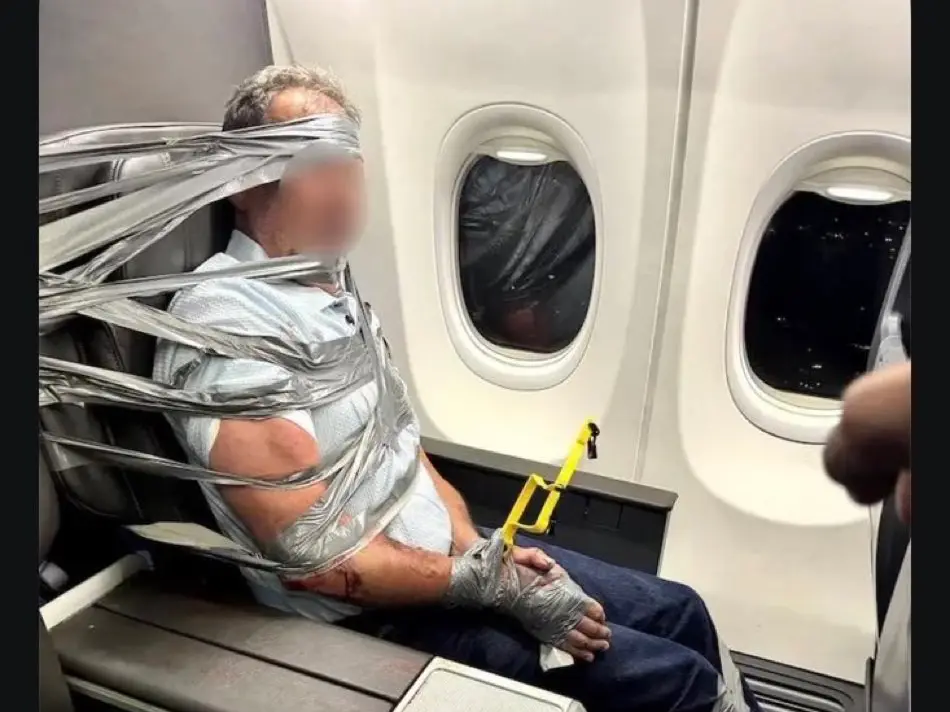)
Strapped to flight seat with duct tape: Passenger claims no memory of mid-air outburst
)
Katrina Kaif’s postpartum weight is not the problem; your gaze is
&im=FitAndFill=(700,400))
Suriya and Jyothika say ‘I do’ again after 20 years! See their dreamy wedding pics
)
Meghan Markle's phone number leaked from children's WhatsApp group, couple switches Archie and Lilibet's school
)
Trump praises India’s Opium crackdown, hails anti-drug efforts
)
Pakistan boycotts chess match against Israel at Olympiad
)
Pakistan naval vessel returns to harbour with 'severe damage' after collision with Indian warship in Arabian Sea
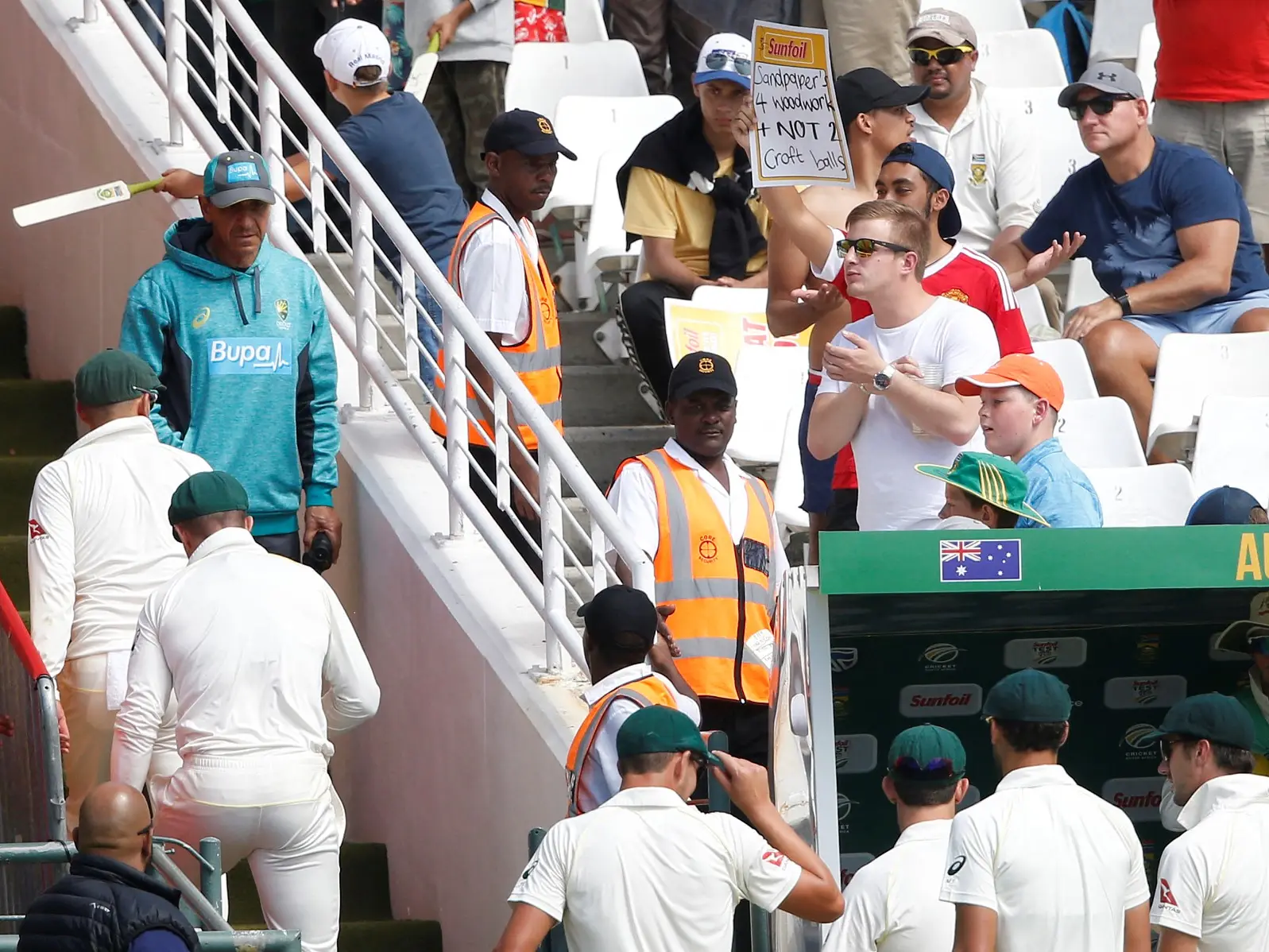)
AUS vs SA: Steve Smith still gets 'little flashbacks' from sandpaper gate
)
Hockey: Pakistan urges AHF to move Asian Champions Trophy out of India over security concerns
)
Trump's Iran war faces fresh House rebuke; 7 Republicans join Democrats in push to end conflict ahead of midterms
)
Europe wants a common playbook for security threats, seeks security beyond NATO
)
Shahzad Bhatti Network declared terrorist organisation under UAPA: Govt order
)
Taiwan seeks deeper India ties as direct flights restart soon and chip projects advance
)
Trump gets new power to hit India, China with up to 100% tariffs as US Senate clears Russia sanctions bill
)
Lionel Messi for 2026 Ballon d’Or over Mbappe and Yamal, says Diego Simeone
)
BRICS success stuns White House, Trump targets India with 100% tariff | Gravitas
)
Pakistan: Imran Khan's sons Kasim & Sulaiman claim their father is 'tortured' in jail
)
Alex Saab, ally of Venezuela's Maduro, pleads guilty in US corruption case
)
No Pandya as Auqib Nabi earns maiden ODI call-up; Mayank returns for WI T20Is| check full squads
)
Sydney Sweeney defends provocative ad choice, the internet is still not impressed
)
Fed raises rates for first time in 3 years, Kevin Warsh defies Trump as inflation mounts
)
US Treasury rallies global financial institutions for Op Economic Outcast to isolate Iran
)
Abhishek Sharma rises to No. 2 in T20Is; ENG’s Robinson 3rd after record Pakistan Tests
&im=FitAndFill=(700,400))
New OTT releases this week (September 14-20, 2026): Lust Stories 3, Waiting Hai, Irumudi- 5 new titles coming on Netflix, Prime Video and more
)
Protests erupt over migrant housing plan in Piddington
SMART and i-BRAIN are part of China’s broader effort to become a global leader in neurotechnology, which has been designated a national strategic priority. The situation has renewed debate in Washington over scientific openness, technology transfer, and national security risks tied to advanced research moving between the US and China.

