Bandar Abbas and Strait of Hormuz: Inside strategic hub at the center of US-Iran escalation

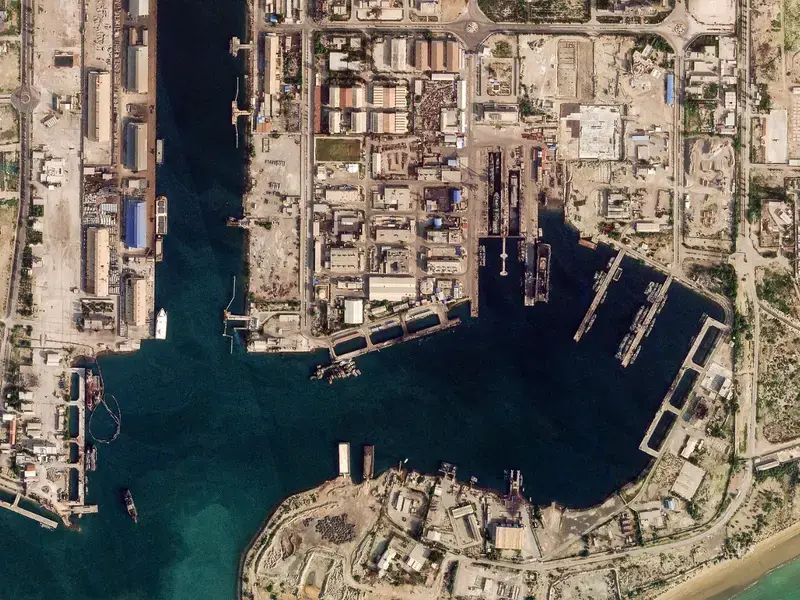&imwidth=600&imheight=450&format=webp&quality=medium "Bandar Abbas and Strait of Hormuz: Inside strategic hub at the center of US-Iran escalation")
Bandar Abbas in the crosshairs: How Iran’s key trade hub and the Strait of Hormuz became the frontline of US tensions Photograph: (Credit: AFP)
As tensions escalate along the Strait of Hormuz, Bandar Abbas, Iran’s primary trade and shipping hub finds itself on the frontline of conflict with the US, threatening global maritime trade and regional stability.
Along the strategically vital Strait of Hormuz, Iran’s major trade hub of Bandar Abbas has found itself directly on the frontlines of an ongoing war with the United States. Six months after US and Israeli strikes ignited a broader regional conflict, local residents continue to grapple with battered livelihoods, soaring inflation, and severe infrastructure damage. The port city of roughly 500,000 residents remains heavily exposed to military fallout. Disagreements between Washington and Tehran over the management and navigation of the Strait of Hormuz have kept tensions dangerously high. Air raids targeting nearby bridges, highways, and railway systems aimed to disrupt Iranian military logistics, severely cutting off the port from the rest of the nation. Key transport routes, including the city's airport and the damaged Gachin bridge, have suffered extended closures and structural damage.
Inside the city, economic strain is visible in every neighborhood. Long lines stretch outside petrol stations amid acute fuel shortages, while prices for everyday staples like food and housing have doubled. Unemployed workers, including former shipyard staff, have been forced to turn to informal jobs like driving taxis to survive the crisis.
The maritime economy, the lifeblood of southern Iran, has been severely disrupted. Local maritime trade traditionally managed via wooden vessels transporting goods across the Persian Gulf has fallen drastically. Operators report losing their primary streams of income after drone attacks hit seaways and trade partners like the UAE suspended commercial exchanges following regional ship strikes.
Meanwhile, local fishermen face immense hardship. Many were kept ashore for months out of fear of getting caught in the crossfire between US and Iranian forces. High bazaar rents have forced small vendors onto the streets, where dwindling consumer purchasing power has crippled retail sales.
Trending Stories
)
)
)
)
)
)
)
)
)
)
)
)
)
)
)
)
)
)
)
)
)
)
)
)
)
)
)
)
)
)
)
)
)
)
&im=FitAndFill=(700,400))
)
)
)
)
Also read: ‘Lot of boats’ coming through Strait of Hormuz, says Trump, admits to ‘nuisance’ of Iranian drones
With formal diplomatic efforts stalling and the threat of fresh military escalation constantly looming, residents of the coastal city describe living in a state of indefinite economic limbo.

