As Houthis enter Iran conflict, Israel says it’s ready for ‘multi-front war’

&imwidth=600&imheight=450&format=webp&quality=medium "As Houthis enter Iran conflict, Israel says it’s ready for ‘multi-front war’")
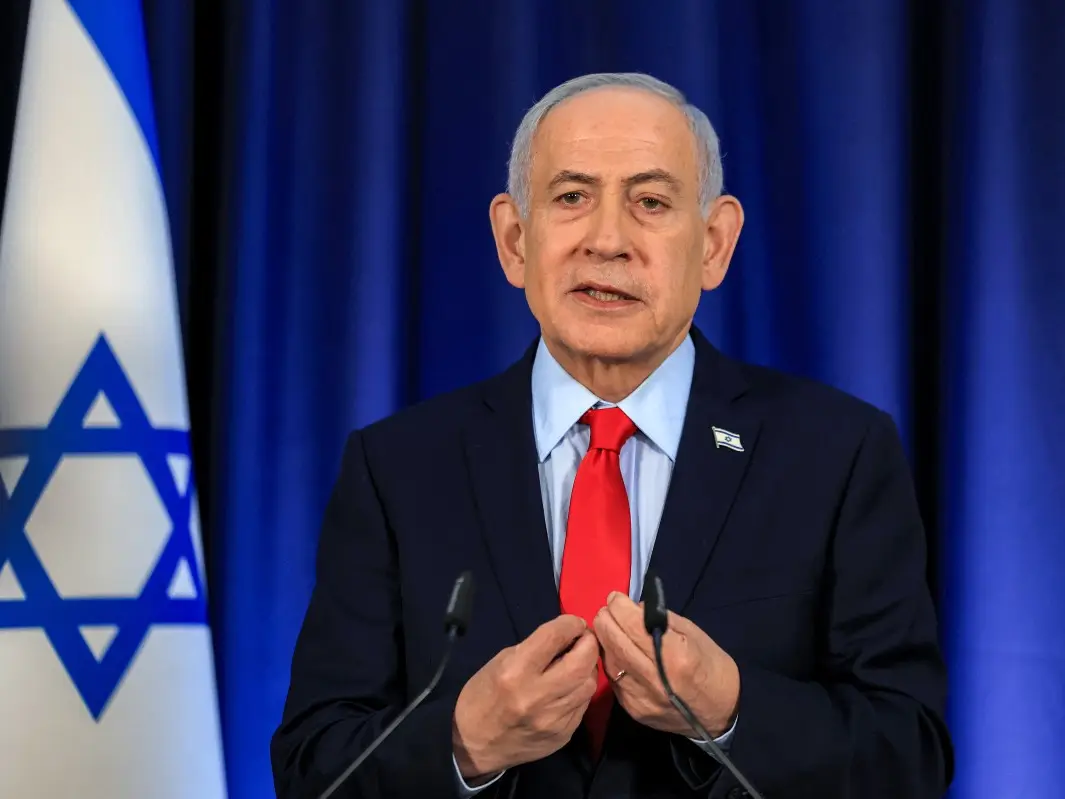
File image of Israeli PM for representation Photograph: (AFP)
Israel prepares for a "multi-front war" after Yemeni Houthi rebels launched intercepted missiles toward its territory. The escalation threatens global energy security, specifically targeting the Bab al-Mandab and Hormuz straits.
Israel has said it is prepared for a “multi-front war” after Yemen’s Houthi rebels launched missile attacks toward its territory, marking a significant widening of the ongoing conflict. The Israeli military confirmed that two missiles were fired toward southern Israel on Saturday (March 28), including one ballistic missile. Both projectiles were successfully intercepted, preventing any reported damage or casualties. The strikes represent the Houthis’ first direct attempt to target Israel since hostilities began on February 28.
“We have prepared for a multi-front war. We’ve been fighting for the last two and a half years a multi-front war with threats from various different fronts,” said Nadav Shoshani, international spokesperson for the Israel Defence Forces (IDF), on Sunday (March 29).
Shoshani added that Israel is bracing for the Houthis’ involvement to become a sustained part of the conflict. “We have to be ready for this becoming a part of this war, and that’s how we’re preparing for it. We’re taking their word and preparing to defend ourselves for as long as needed from that front as well,” he said.
Houthis signal deeper involvement
The Iran-aligned Houthis’ entry into the conflict underscores the growing regional dimension of the war. The group, which controls large parts of Yemen, has long been backed by Tehran and has expressed strong support for Iran’s position.
Trending Stories
)
)
)
)
)
)
)
)
)
)
)
)
)
)
)
)
)
)
)
)
)
)
)
)
)
)
)
)
)
)
)
)
)
)
&im=FitAndFill=(700,400))
)
)
)
)
Houthi leader Abdel-Malik al-Houthi recently reiterated the group’s loyalty to Iran, saying, “Our Yemeni people repay loyalty with loyalty, and Iran was the only state, officially, that stood with us against the aggression on our country.” The development raises concerns about further coordinated actions by Iran-backed groups across the region, potentially stretching Israel’s military across multiple fronts.
Strategic waterways under threat
The Houthis’ involvement has also heightened fears over global energy security, particularly around key maritime chokepoints. Over the past month, Iran has effectively choked off the Strait of Hormuz, a vital artery for global oil shipments, sending crude prices soaring and rattling international markets. Now, attention is shifting to another critical passage - the Bab al-Mandab Strait.
The narrow waterway, located between Yemen and the Horn of Africa, handles roughly 12 per cent of the world’s seaborne oil trade, according to the US Energy Information Administration. The Houthis have indicated they may target shipping routes in the area, raising the prospect of further disruption to global energy supplies. With multiple flashpoints emerging across the Middle East, Israel’s warning of a “multi-front war” reflects growing concern that the conflict could expand into a broader regional confrontation.

