UK tells female soldiers to double their diet and sleep more to match male soldiers

&imwidth=600&imheight=450&format=webp&quality=medium "UK tells female soldiers to double their diet and sleep more to match male soldiers")
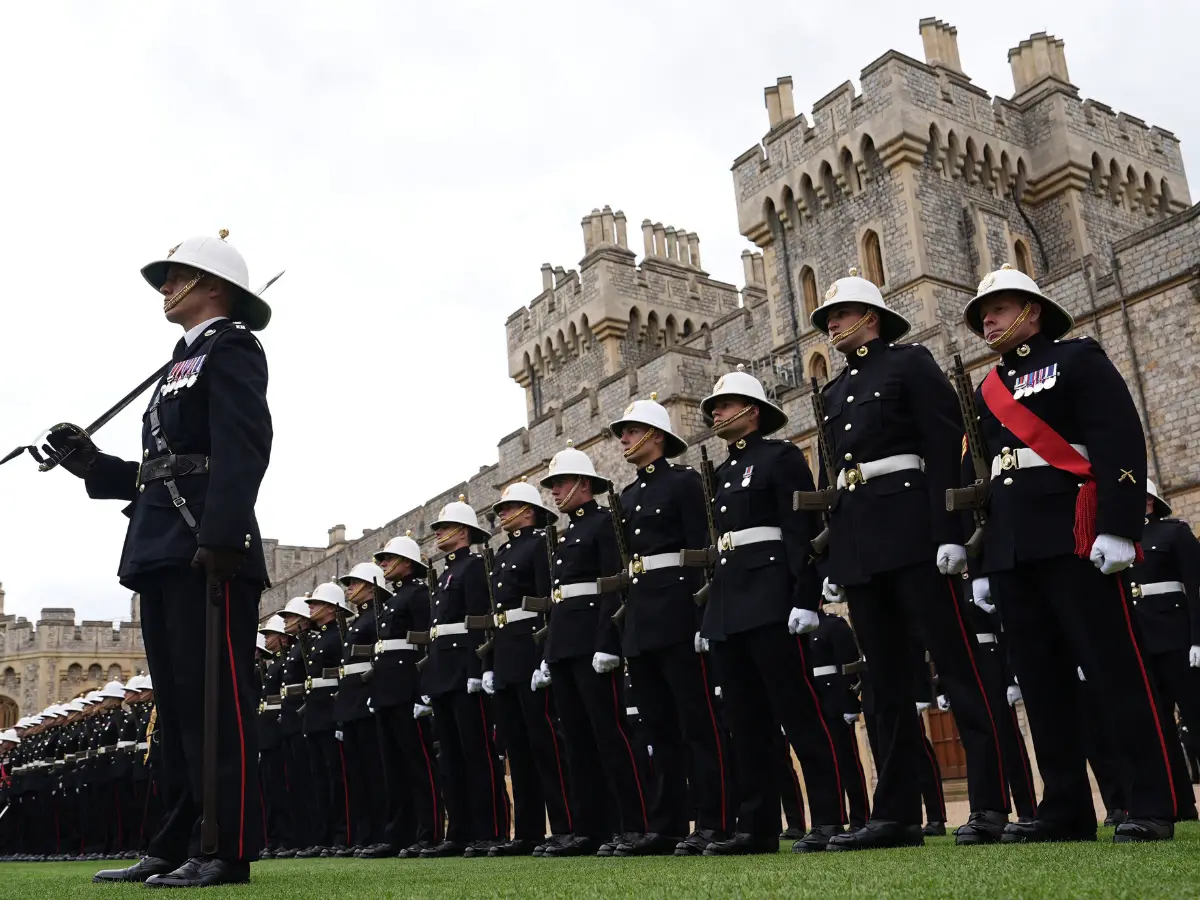
Female soldiers can apply to join the Royal Marines. Photograph: (AFP)
The UK is set to issue new guidelines for female soldiers to help them sustain themselves in elite military troops, and also ensure that more of them take up the role. This includes doubling their diet, more sleep hours and focus on hormonal health.
UK's Ministry of Defence has issued new guidelines for female soldiers to be able to cope with demanding military roles. The move is aimed at increasing the number of female soldiers in elite regiments. A rule change a few years ago allowed women to apply for the same units as men, including the Parachute Regiment and the Royal Marines. However, according to the Daily Mail, only those from elite sporting backgrounds have been able to execute on the ground. In a bid to change things, the defence chiefs have come up with new nutritional and sleep guidelines.
The outlet reported, quoting sources, that women will need to consume up to 3,500 calories a day, nearly double the previous advice. This includes 30 grams of high-quality protein every day to support muscle growth. The guidance also tells them to increase their intake of iron and Vitamin D.
Less sleep increases risk of injuries
They have also been advised to sleep more, as, according to experts, female troops who sleep for less than six hours are more prone to injuries and menstrual cycle disruption. Women who sleep for six hours on average have a four times higher risk of falling sick and more than double the injury risk of someone sleeping for seven hours.
Notably, records show that hormonal imbalance is another problem being faced by female troops. One in four women experiences irregular or missed periods, and one in two reports heavy menstrual bleeding because of this, which affects their performance on the field. The ministry also said that it is dedicated to providing equipment more suitable for women to support them.
"Warfighting readiness depends on the strength, resilience and preparation of all our people. I know from my own service that women have always met the toughest standards – but too often without the tailored support they require," Minister for Veterans and People, Calvin Bailey MBE MP, said.
Trending Stories
)
)
)
)
)
)
)
)
)
)
)
)
)
)
)
)
)
)
)
)
)
)
&im=FitAndFill=(700,400))
)
)
)
)
)
&im=FitAndFill=(700,400))
)
)
)
)
)

