Longest man-made toxic oil spill started 84 years ago and still has 500 more years to go

&imwidth=600&imheight=450&format=webp&quality=medium "Longest man-made toxic oil spill started 84 years ago and still has 500 more years to go")
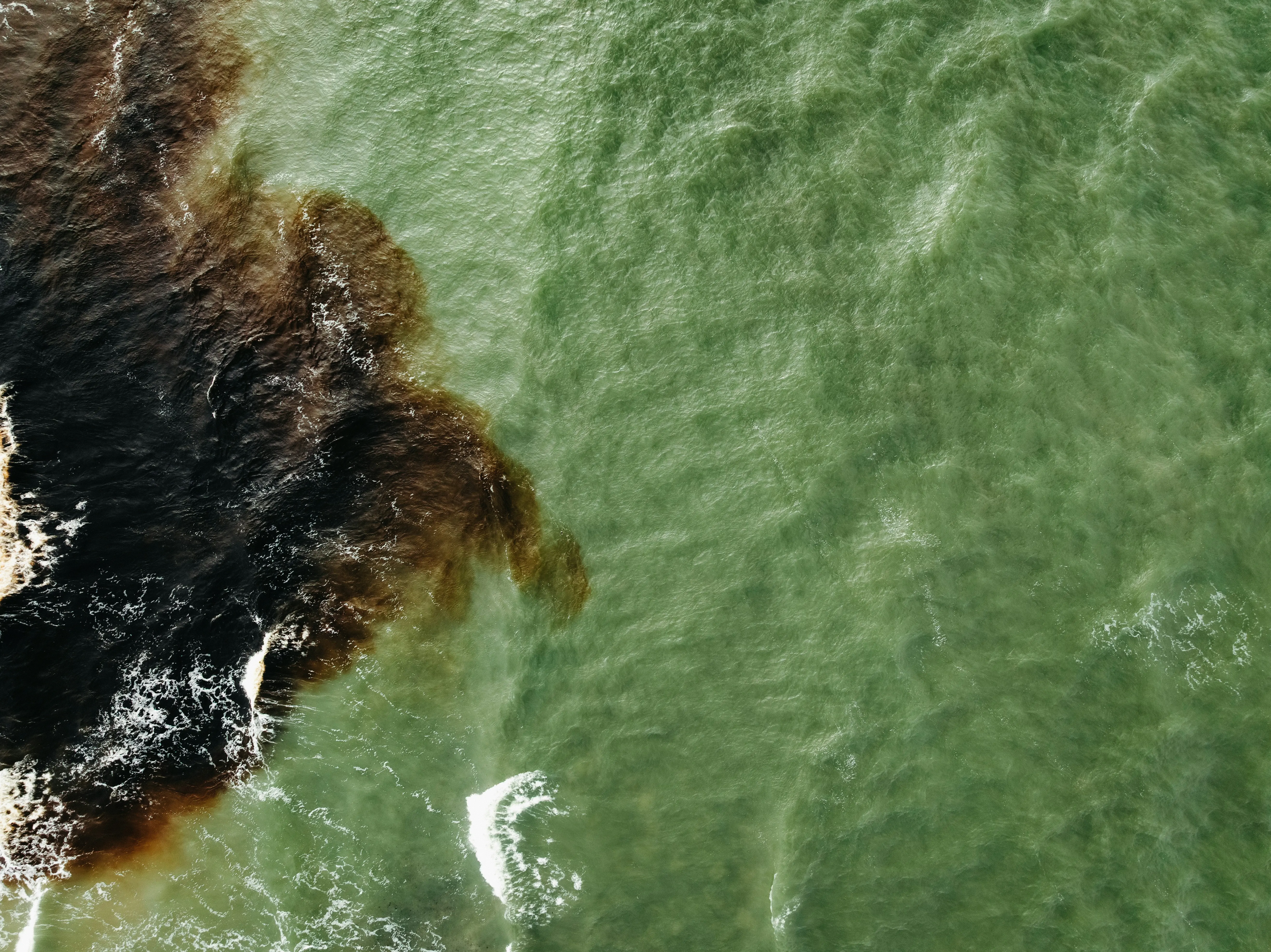
USS Arizona has been leaking toxic oil for 84 years.
USS Arizona has been leaking oil into Pearl Harbor for 84 years. However, surprisingly, it has not affected the marine life in the region despite the presence of toxic chemicals. The discovery is now acting as a case study for other warships at the bottom of the sea.
USS Arizona went down in the Pearl Harbour attack in 1941, carrying nearly 5,000 tonnes of oil in its tanks. This oil has been leaking for more than 80 years, a new study confirmed, and yet the tank is said to be still half full. On December 7, 1941, the Japanese attack on Pearl Harbor dealt a fatal blow to the USS Arizona. Several armour-piercing bombs were thrown at it, and a catastrophic explosion occurred when a munitions magazine detonated, sinking the ship and claiming the lives of 1,177 officers and crewmen. Of these, 900 remain entombed here. While many other ships damaged that day were eventually repaired for service in World War II, the Arizona was too irreparably damaged to ever fight again. The oil leaking from the USS Arizona is a closely studied aspect of the Pearl Harbor site. Often referred to as the "Black Tears of the Arizona," the leak is both an emotional symbol of the tragedy and a unique challenge for scientists and environmentalists.
At the time of the attack, the battleship had been just filled with approximately 1.5 million gallons of heavy bunker fuel oil. According to estimates, roughly 500,000 to 600,000 gallons still remain trapped inside the ship's rusted fuel tanks. It leaks roughly 0.5 to 2 gallons of oil per day into Pearl Harbor. Scientists estimate that at this rate, the ship will continue to leak oil for another 500 years, unless the hull collapses first. No efforts have been made to drill into the ship and extract the oil either. This is because of two major reasons.
Why has the oil not been drilled out of USS Arizona
The site of the USS Arizona wreckage is considered a sacred war grave. Pumping the oil out would require intrusive, heavy engineering that could disturb human remains and the integrity of the site. The second reason is that the ship's steel hull has been corroding in saltwater for over 80 years. Drilling into the fuel tanks could compromise the fragile structure, and cause a catastrophic hull collapse, causing all 500,000 gallons of oil to be released into the harbour at once.
Environmental impact of USS Arizona oil leak
Trending Stories
)
)
)
)
)
)
)
)
)
)
)
)
)
)
)
)
)
)
)
)
)
)
)
)
)
)
)
)
)
)
)
)
)
)
&im=FitAndFill=(700,400))
)
)
)
)
The fuel contains polycyclic aromatic hydrocarbons (PAHs), which are toxic to marine life. Surprisingly, the minute amount of leakage has had no negative effect on the ecology, and it has adapted to it. In fact, the wreck has become a thriving artificial reef, with corals, sponges, invertebrates, and fish present. Scientists have also discovered unique microbes living on the wreck that actually "eat" the oil. But this biological activity also accelerates the corrosion of the ship's steel hull.
Why this discovery matters
Recent scientific studies, including a forensic analysis published in the Marine Pollution Bulletin, have changed how the world views the Arizona. Thousands of World War II-era shipwrecks holding millions of gallons of fuel are sitting on ocean floors worldwide/ Because the Arizona is shallow and easily accessible, it serves as a global case study. Analysing and tracking how its oil chemically changes, weathers, and interacts with low-oxygen environments, scientists are learning how to predict and manage potential pollution threats from other ageing shipwrecks across the globe.

